Expeditionrooftop tents
Flagship
Bison61
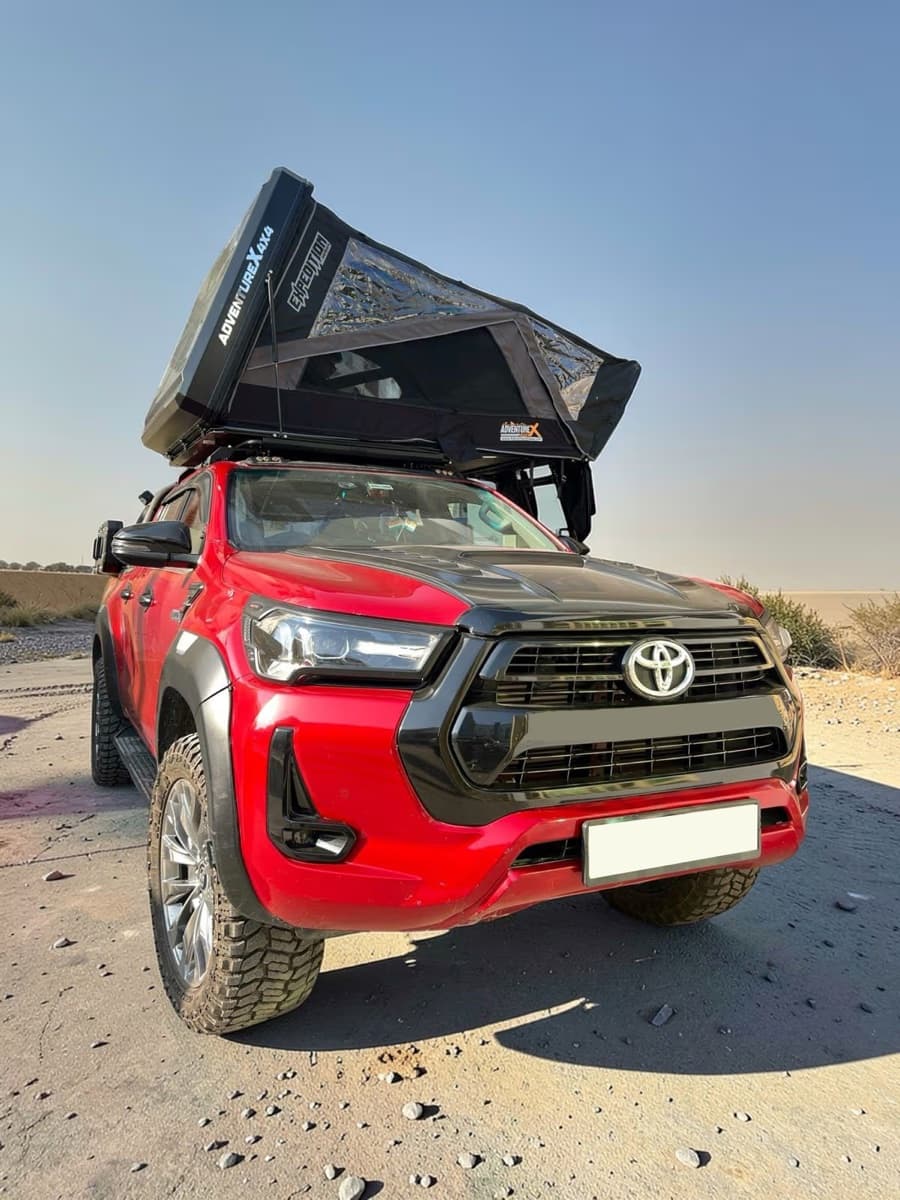
When adventure calls, the Bison61 answers with engineering that blends strength, luxury, and…
Price
₹2,09,990
Fits: Mahindra Thar · Mahindra Scorpio N +3
Sleep above the treeline.
Hardshell auto-deploying tents, lightweight softshells for compact 4x4s, and expedition-grade hardshells. From the AutoNest 120 — India's first auto-deploying tent — to the FeatherLite, the only rooftop tent built for the Suzuki Jimny.
Rooftop tents for Indian 4x4s come in two families: hardshell auto-deploying shells that pop up in under a minute, and lightweight softshells that fold out to sleep more people for less money. AdventureX4x4 builds both, sized by roof load and vehicle, and cold-tested for Spiti and Ladakh winters where condensation, wind and sub-zero nights break unprepared kit.
Find my tent
Step 1 / 4
Showing 13 products
Expeditionrooftop tents
When adventure calls, the Bison61 answers with engineering that blends strength, luxury, and…
Price
₹2,09,990
Fits: Mahindra Thar · Mahindra Scorpio N +3
FeatherLiterooftop tents
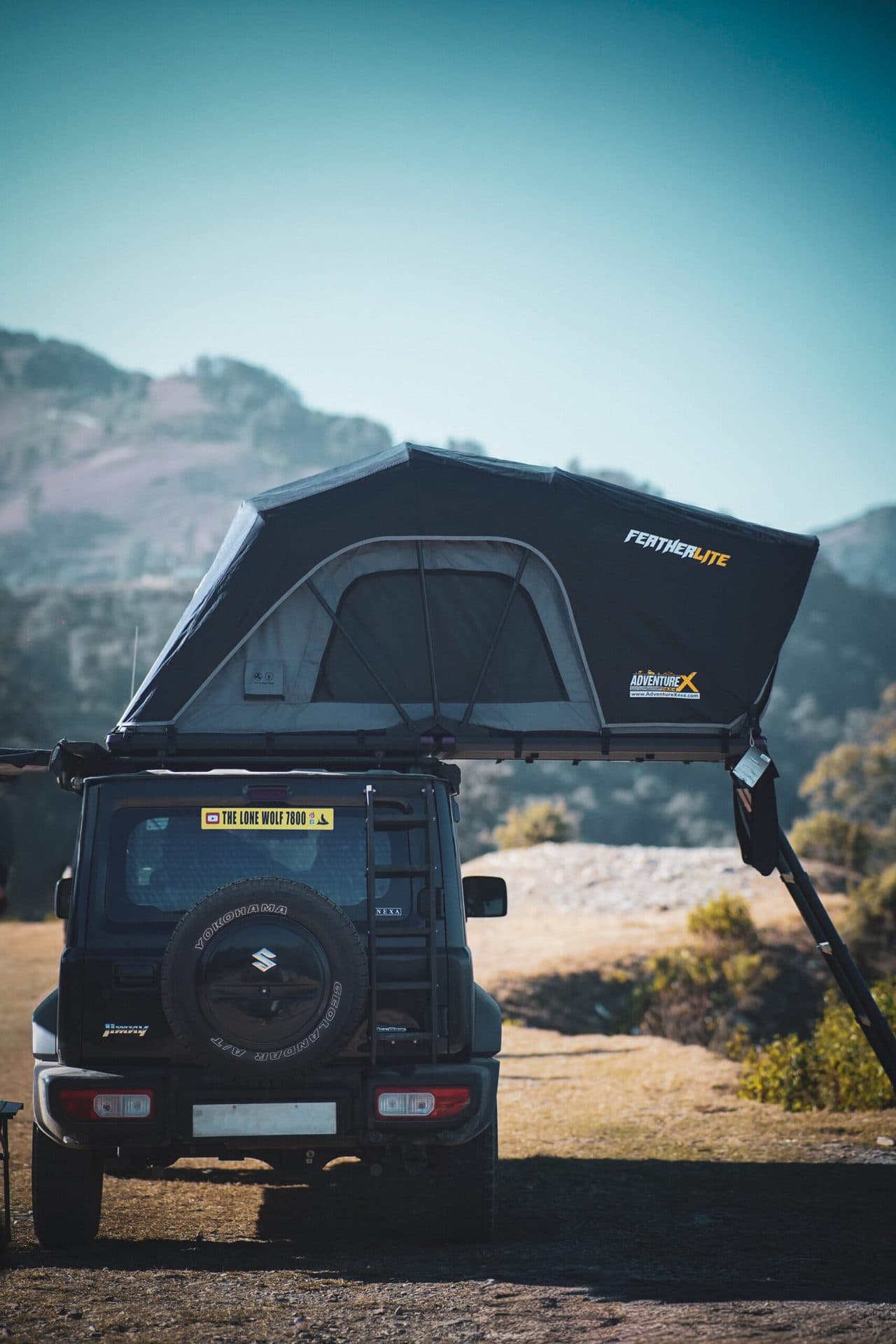
Just 36.5 kg — one of the world’s lightest premium rooftop tents, built for compact 4x4s, crossovers and EVs.
Price
₹1,28,990
Fits: Mahindra Thar · Mahindra Scorpio N +3
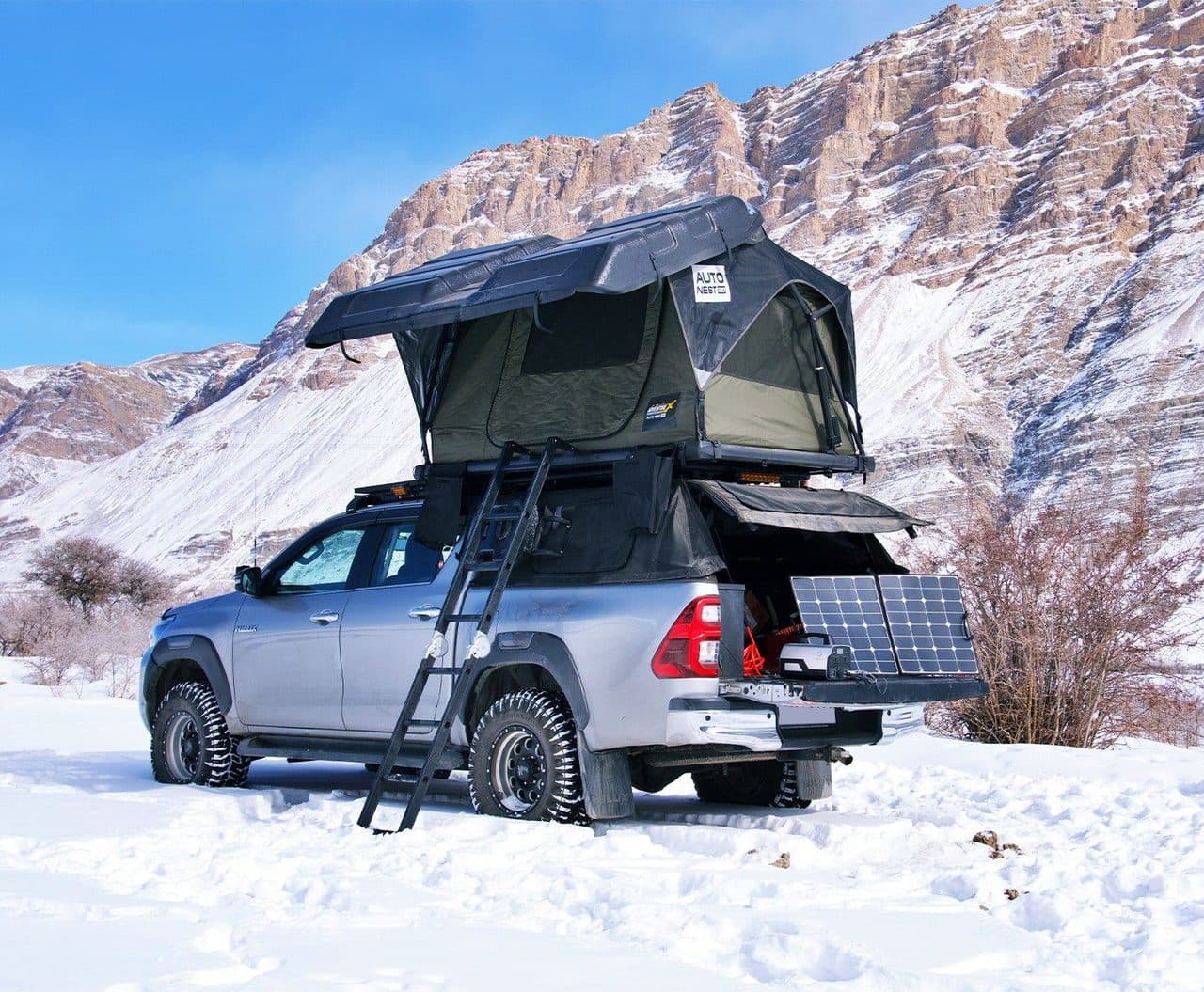
AutoNestrooftop tents
AutoNest120 , the pinnacle of innovation and comfort in overlanding gear. Designed for…
Price
₹2,35,000
Fits: Mahindra Thar · Mahindra Scorpio N +3
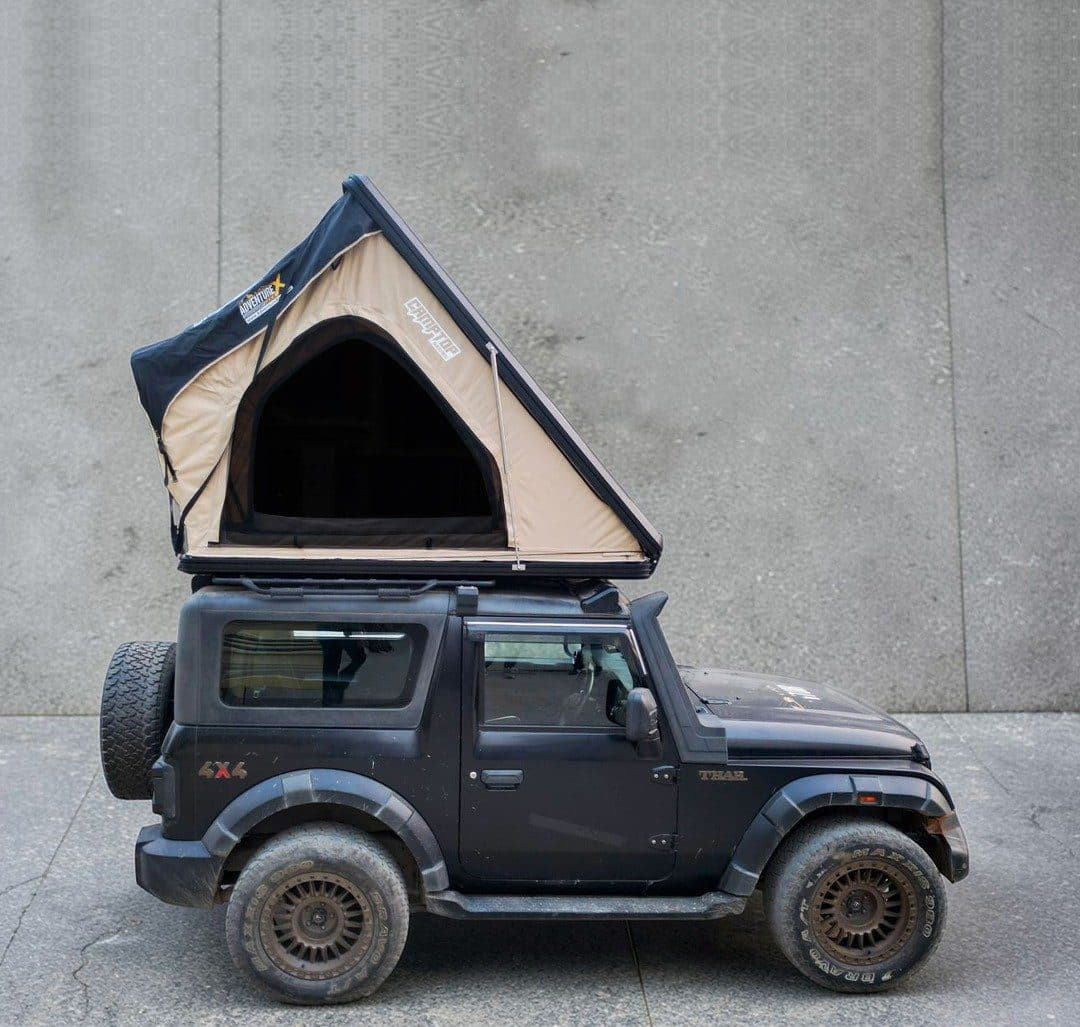
CampToprooftop tents
Meet the CAMPTOP AERO-V V2 RTT with Integrated Thermal Liner — refined hard-shell camping, engineered for elevated adventures.
Price
₹1,64,990
Fits: Mahindra Thar · Mahindra Scorpio N +4
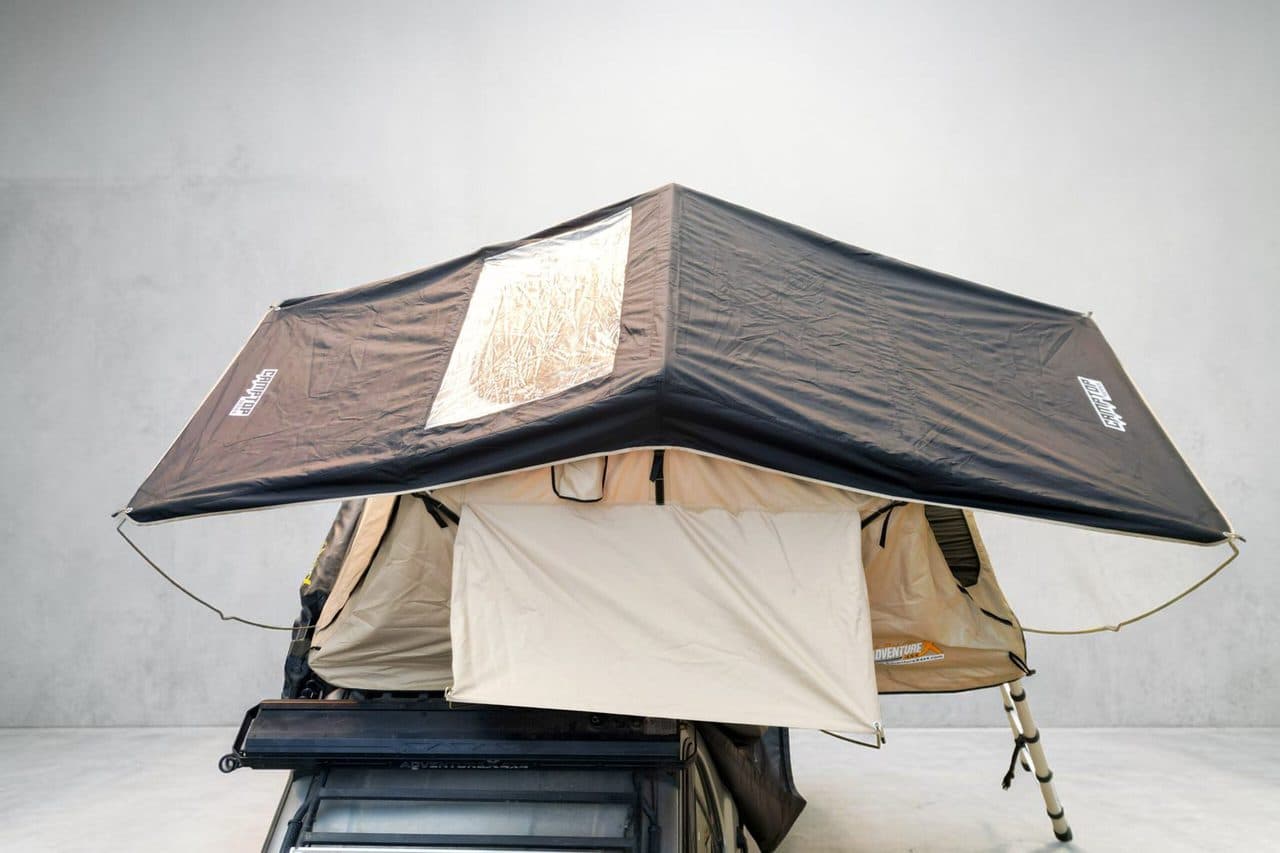
CampToprooftop tents
The CampTop 250 by AdventureX4x4 brings together rugged reliability, effortless setup, and…
Price
₹76,990
Fits: Mahindra Thar · Mahindra Scorpio N +3
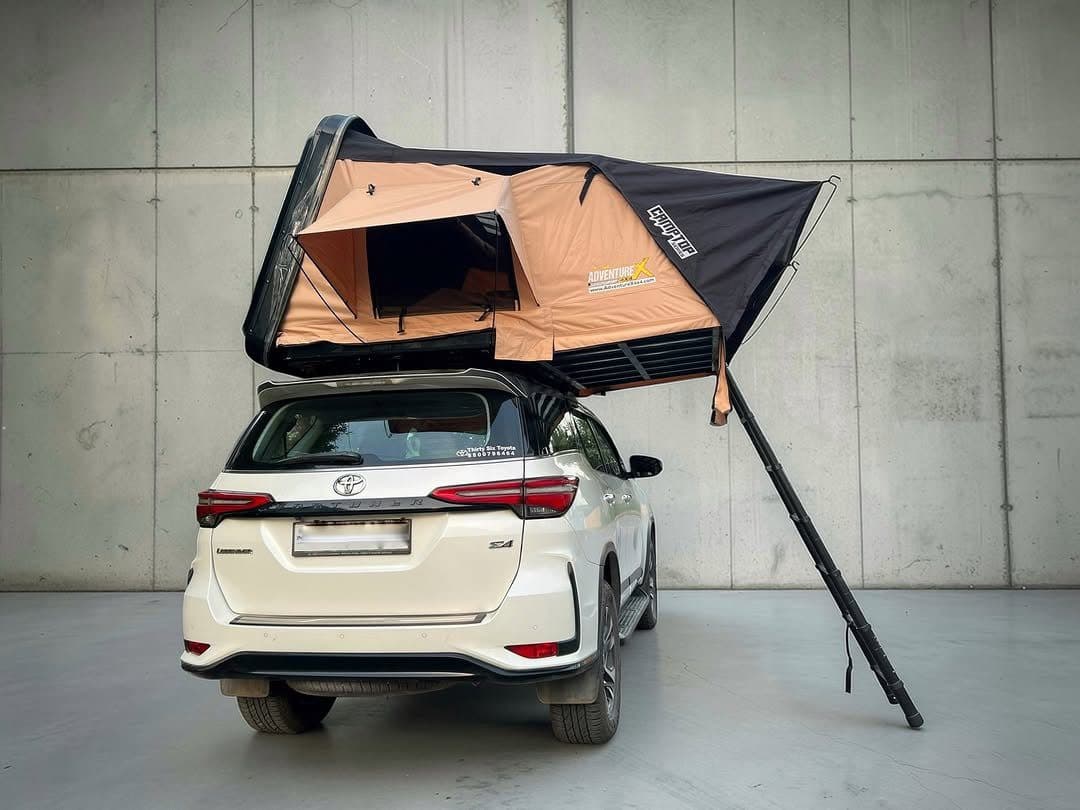
CampToprooftop tents
When you demand more space, more comfort, and uncompromised strength, the CampTop 400Max…
Price
₹1,64,990
Fits: Mahindra Scorpio N · Toyota Fortuner +2
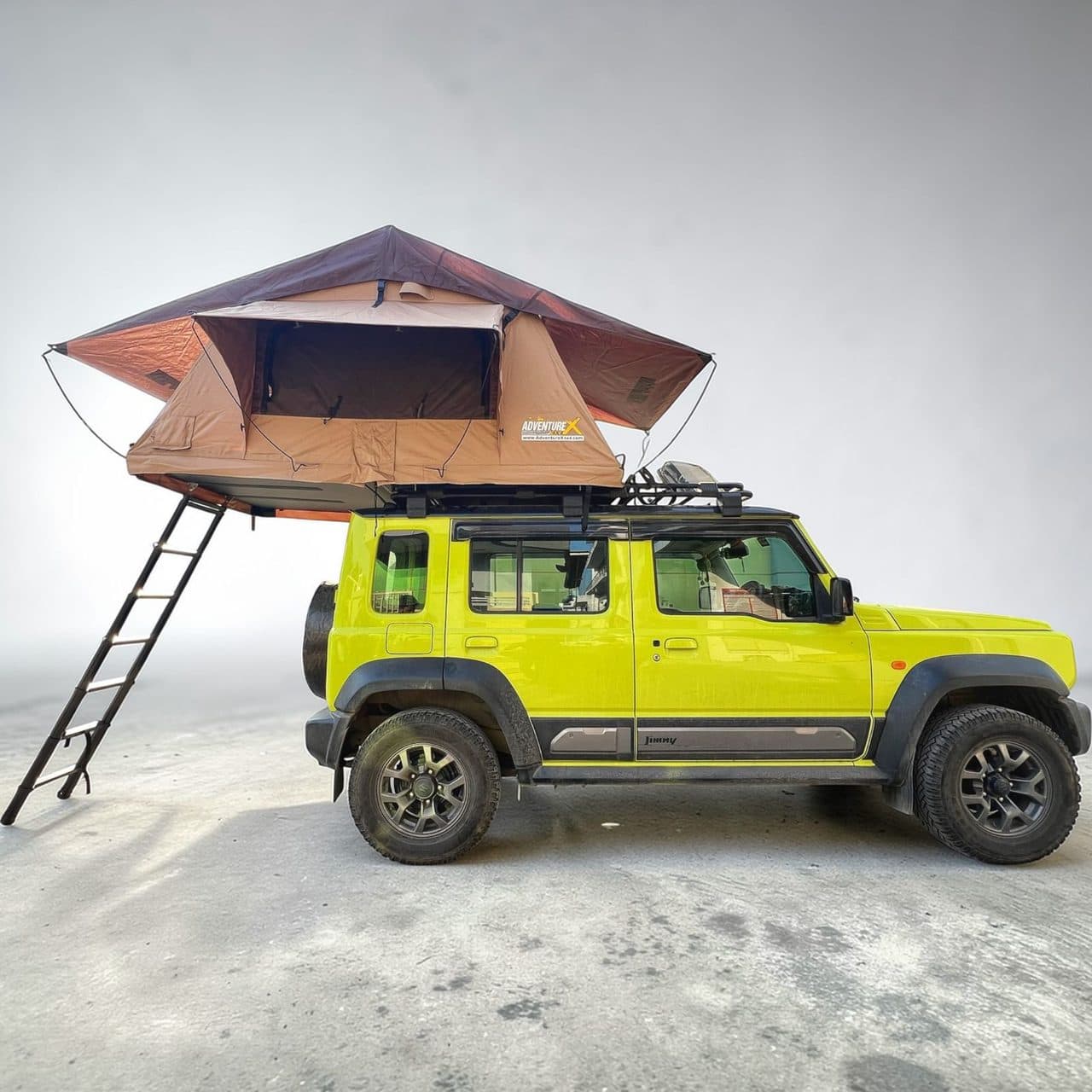
CampToprooftop tents
Engineered for serious overlanders, the CampTop 300Lux combines lightweight efficiency with…
Price
₹94,990
Fits: Mahindra Thar · Mahindra Scorpio N +3
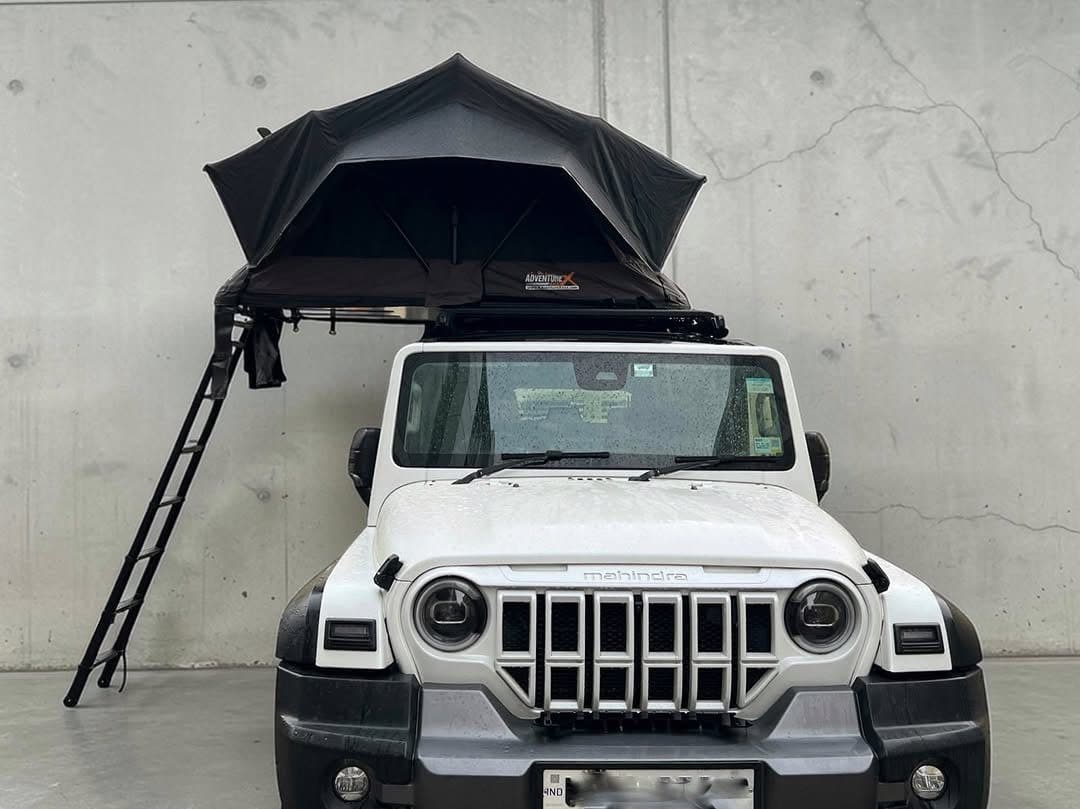
Expeditionrooftop tents
The Leopard41 , your ultimate overlanding companion from AdventureX4x4’s Expedition Series, is…
Price
₹1,12,990
Fits: Mahindra Thar · Mahindra Scorpio N +3
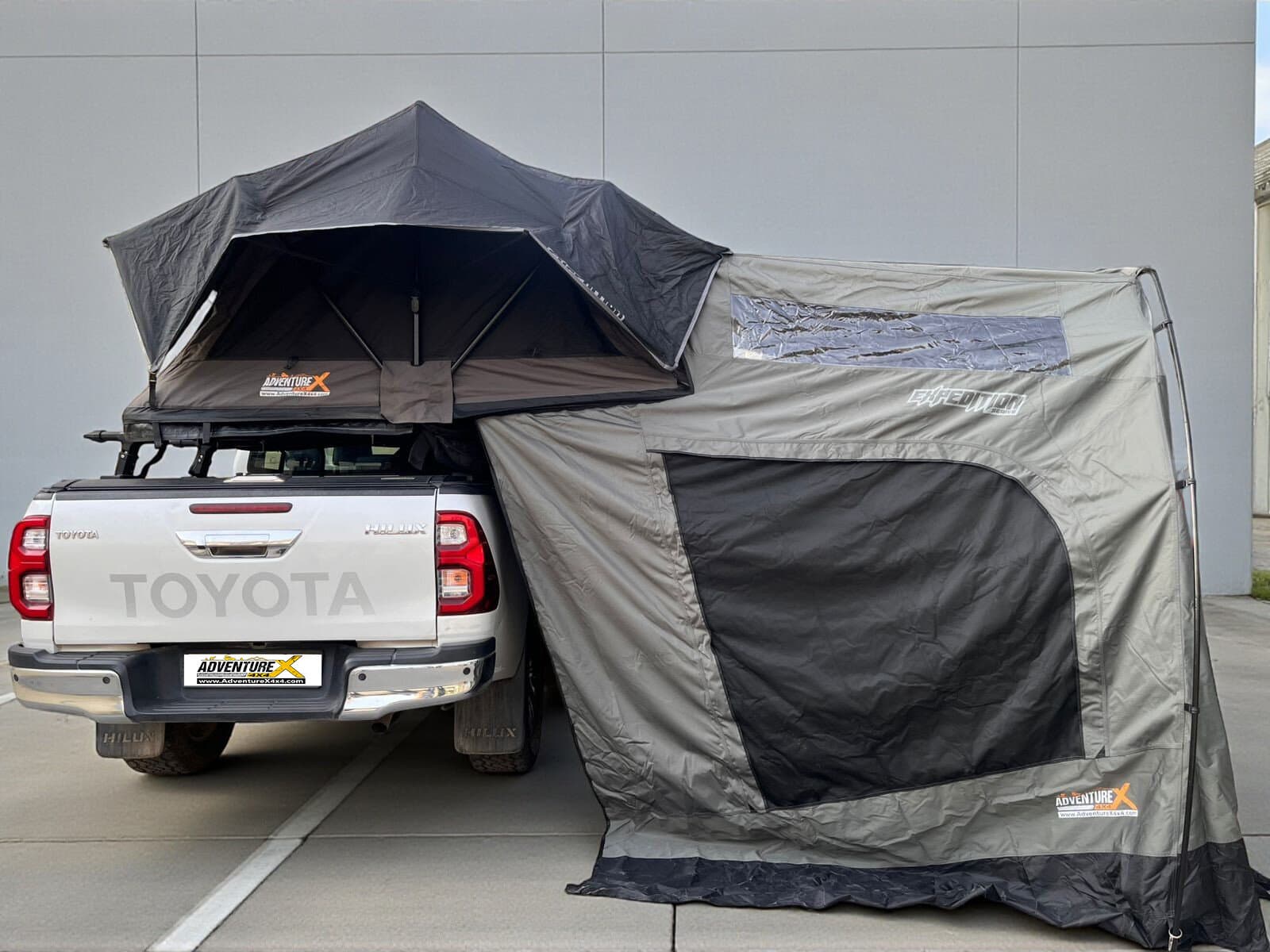
Expeditionrooftop tents
Extra Space for Ultimate Camping Comfort
Price
₹34,990
Fits: Jeep Wrangler · Skoda Kodiaq +16
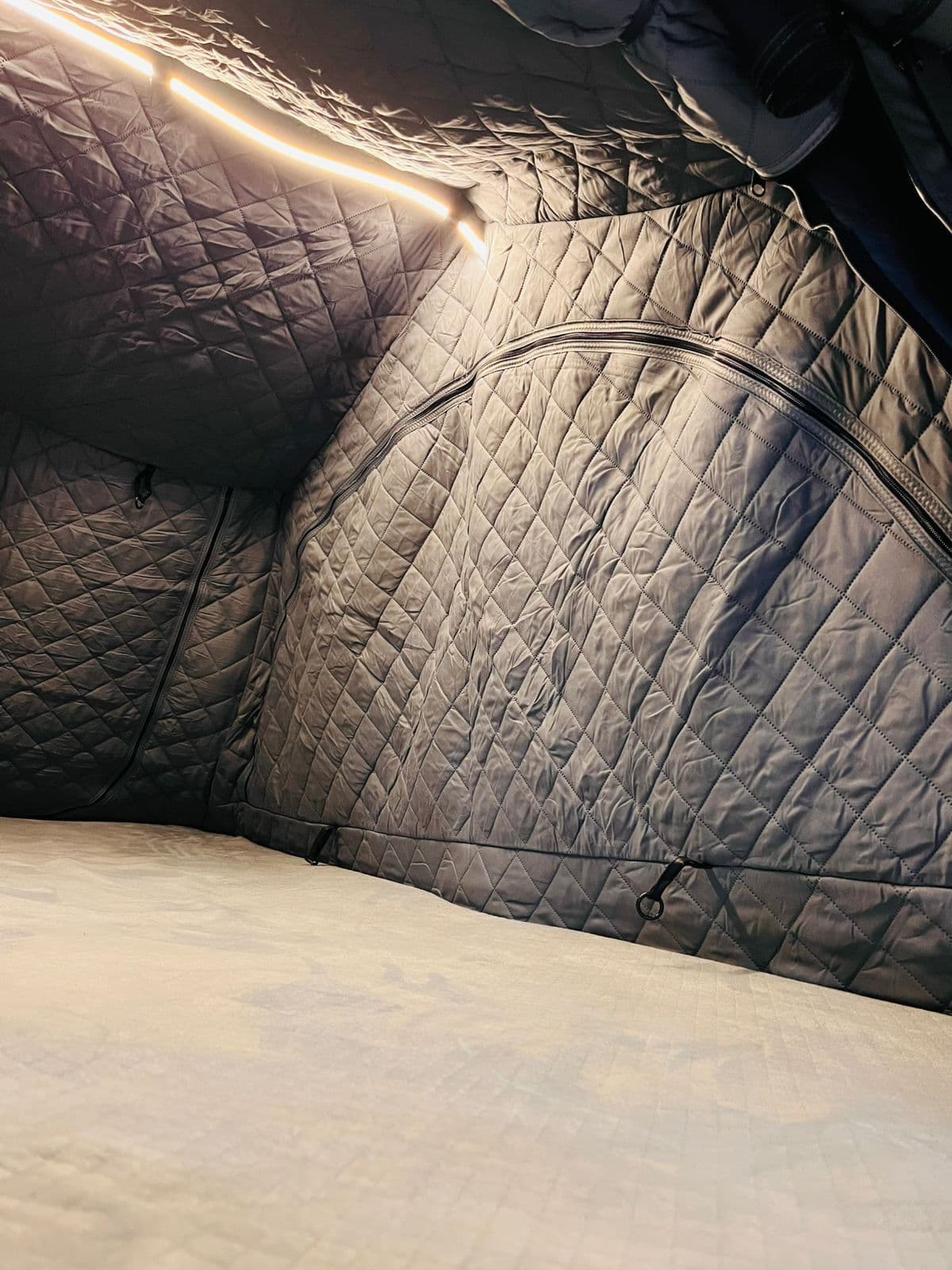
Expeditionrooftop tents
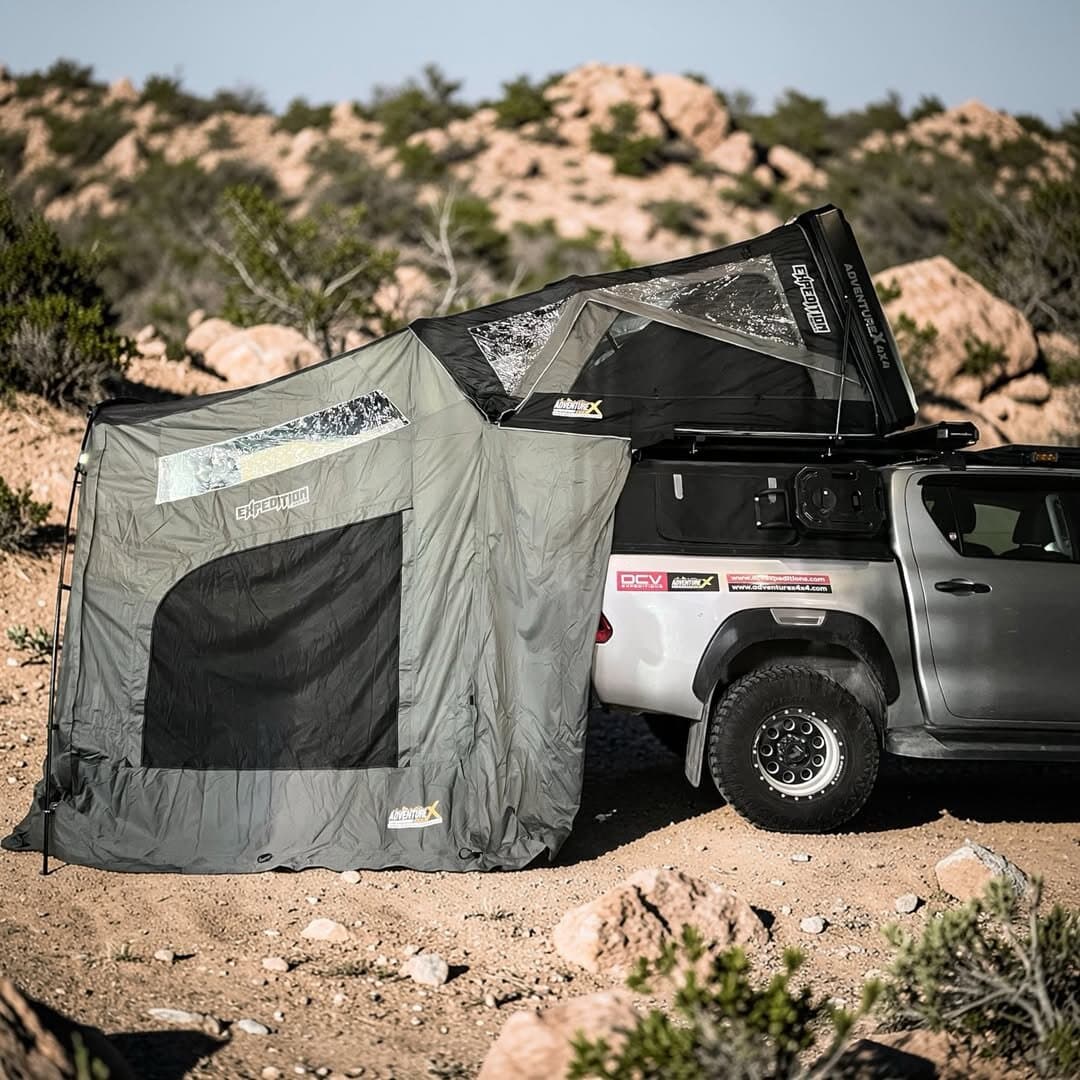
Expeditionrooftop tents
Extra Space for Ultimate Camping Comfort
Price
₹41,990
Fits: Toyota Land Cruiser · Land Rover Defender +11
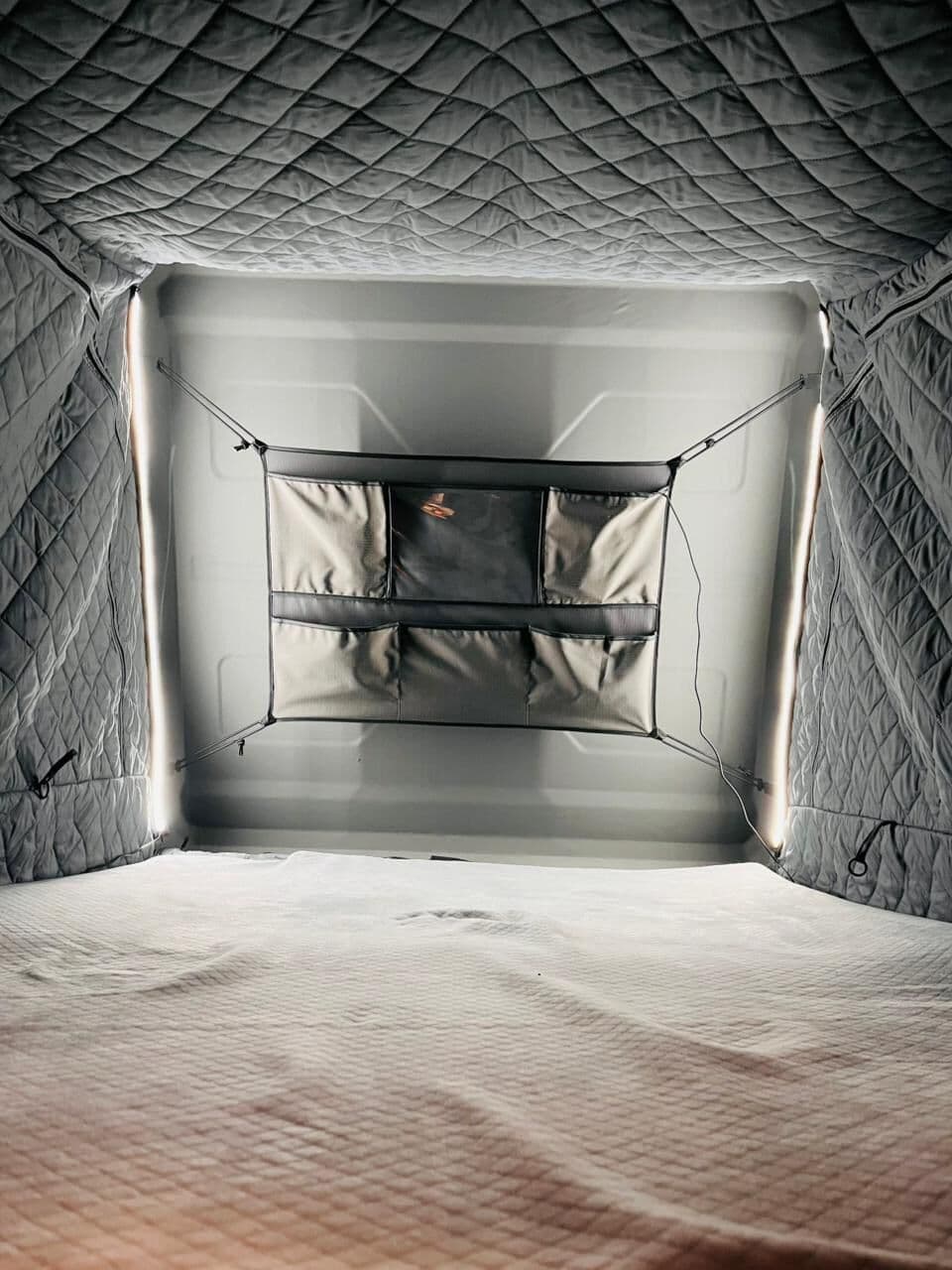
Expeditionrooftop tents
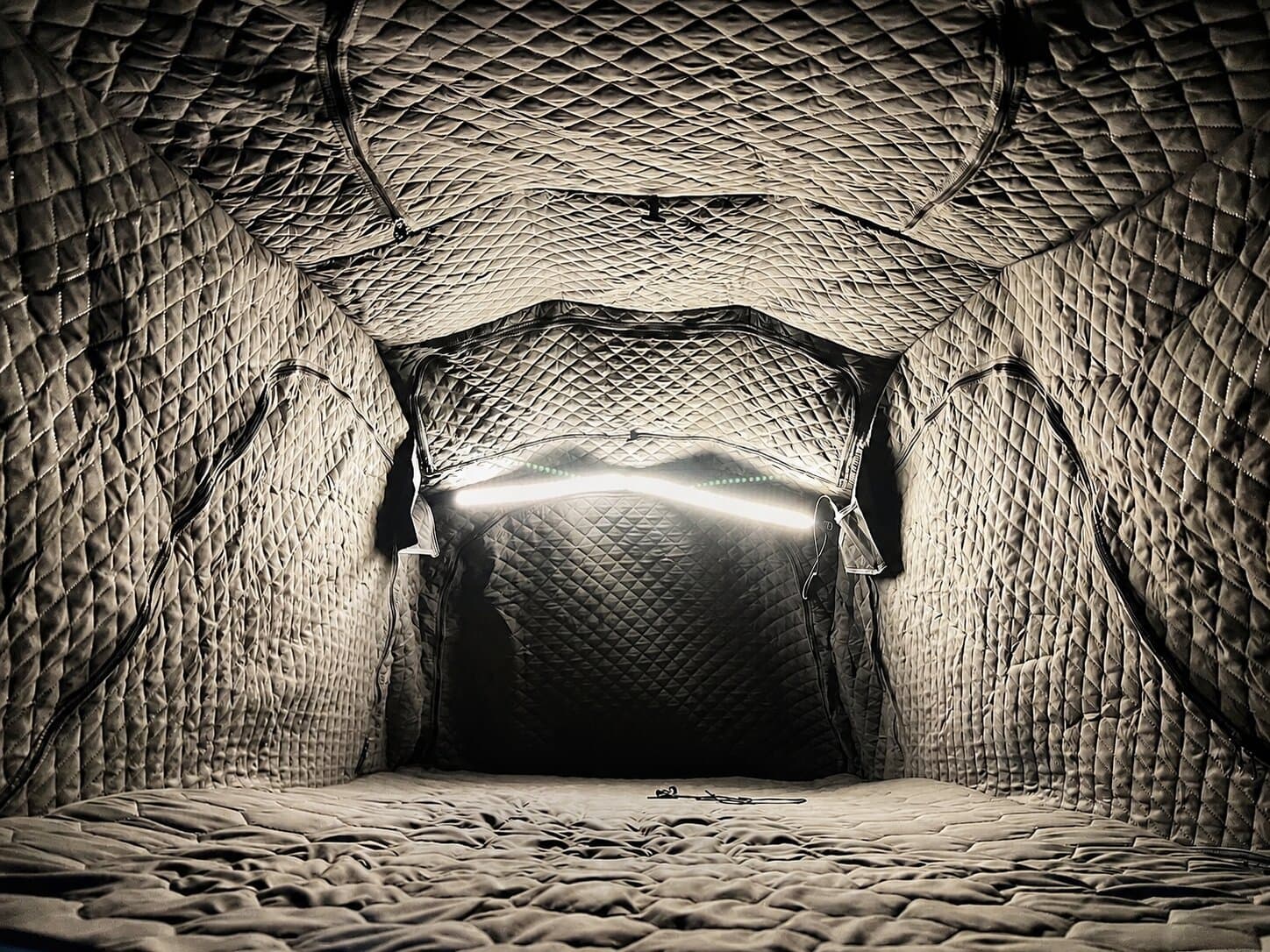
FeatherLiterooftop tents
The Thar is the default Indian overlanding platform, and the tent you choose depends on whether it wears a roof rack or a bed rack and how much you have loaded elsewhere. For a balanced build, the Leopard41 is a strong pick: at 41 kg it is one of the lightest tents in its class, deploys in seconds with RapiDeplo, and rides on an aluminium honeycomb base, so it leaves headroom under the Thar's roof limit for fuel, water and recovery gear. If you want a hardshell that shrugs off highway crosswinds on the long haul to Leh, the all-aluminium Camptop AeroV V2 clamshell sits low and locks into a wedge for wind resistance. Whatever you mount, put it on rated bars first: our CrossTrail aluminium pressure-diecast crossbars are designed as a low-flex foundation for rooftop-tent loads, and confirming the Thar's published dynamic roof rating before you buy is the single most important step.
The Jimny is the hardest mainstream 4x4 to spec a tent for because its roof is small and its dynamic load limit is low, so every kilogram counts. The FeatherLite is the answer: it is one of the world's lightest premium rooftop tents, engineered specifically for compact SUVs, crossovers, EVs and small 4x4s, with a reinforced full-aluminium structure and an aerodynamic shell that resists flexing in strong gusts rather than ballooning like a cheap lightweight tent. The Camptop AeroV V2 is the other Jimny-friendly option, listing the Jimny among its target vehicles with a 100% aluminium body that adds no plastic bulk. The rule on a Jimny is simple: choose the lightest tent that clears your roof rating, mount it on properly rated crossbars, and resist the urge to fit the biggest tent the roof will physically hold.
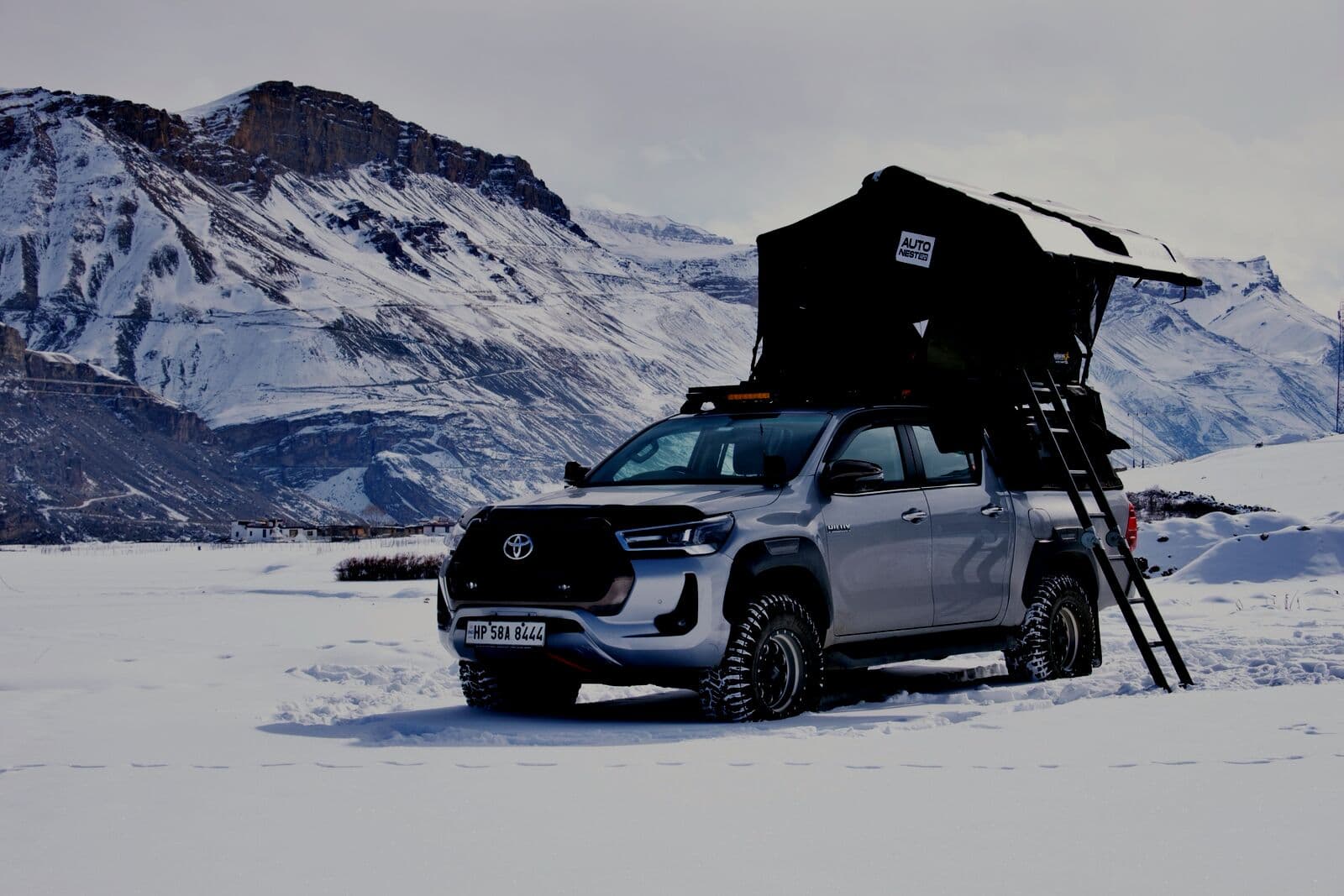
The Fortuner and Hilux have the roof area, payload and highway stability to carry the largest tents in the range, so this is where you can prioritise space and comfort over saving grams. The CampTop 400Max is built for exactly this: a 7 ft x 7 ft sleeping area, one of the largest in its class, on a 400 kg aerospace-grade aluminium frame with a carbon-fibre floor, big enough for a family. On the Hilux specifically, the all-aluminium Camptop AeroV V2 clamshell explicitly lists the Hilux among its fitments and pairs cleanly with a bed-rack or our CrossTrail crossbars. For a flagship hardshell that redefines the platform, the Bison61 brings a one-piece aluminium shell, honeycomb base and RapiDeplo deployment. With these heavier rigs the limiting factor is rarely the tent; it is making sure your crossbars or bed system are rated for the load and that the combined weight stays within the vehicle's dynamic roof figure.
Hardshells and softshells solve different problems. A hardshell, like the automatic AutoNest 120, the Bison61 or the Camptop AeroV V2, lives inside a rigid aluminium clamshell: it deploys fastest, seals best against rain and wind, sits more aerodynamically for long highway days, and is the right call if you move camp daily or drive far between stops. The CampTop 400Max is the family-sized hardshell — a side-opening polycarbonate shell that opens to a 7 ft x 7 ft floor, so you keep the rigid-shell weather sealing while sleeping three to four. A softshell, like the Leopard41, CampTop 300Lux or CampTop 250, folds out over the side of the vehicle to deliver a noticeably larger sleeping footprint for the money, which is why softshells dominate when you want maximum room or the lowest price per sleeper and you tend to base-camp for a few nights at a time. For winter Himalaya use, layer that decision with cold-weather features: the CampTop 300Lux adds dual heater ports for a portable diesel heater and a thermal-control mattress, so a softshell can absolutely run sub-zero when it is specced for it. Decide by how you travel first, then by how many you sleep, then confirm the loaded weight against your roof rating.
Questions, answered
A hardshell trades sleeping area for speed, weather sealing and aerodynamics. The AutoNest 120 opens and closes at the push of a button in under 60 seconds, the Bison61 uses RapiDeplo to deploy in seconds, and the Camptop AeroV V2 is an all-aluminium clamshell with gas-assist struts and a low, wind-cheating profile for highway and high-altitude crosswinds. The CampTop 400Max is the exception that breaks the size rule — a side-opening polycarbonate hardshell that swings its rigid shell out to a 7 ft x 7 ft floor, so you get hardshell weather sealing with a family-sized footprint. A softshell folds out over the side of the vehicle to give you a bigger footprint for the money: the Leopard41, CampTop 300Lux and CampTop 250 all open to more sleeping space than their packed size suggests. Choose a hardshell if you camp fast, move daily and drive long highway stints; choose a softshell if you want maximum room and the lowest price per sleeper.
Capacity tracks the floor size, not the brand. The CampTop 400Max has a 7 ft x 7 ft sleeping area, one of the largest in its class, comfortable for a family or group of up to four. Mid-size tents like the CampTop 250, CampTop 300Lux and Leopard41 are built around couple-plus-child use. As a rule, size the tent to who actually sleeps up top, then confirm the packed footprint fits your roof bars and that the loaded weight stays inside your vehicle's dynamic roof limit.
Two numbers matter and they are different. Dynamic load is what your roof bars can carry while driving and is the limit that governs whether a tent is safe to mount; static load is what the setup holds parked, with people inside, and is always far higher. AdventureX4x4 softshell bases are engineered around a 300 kg load rating (CampTop 250, CampTop 300Lux), and the CampTop 400Max steps up to a 400 kg aerospace-grade aluminium frame with a carbon-fibre floor. The tent's own load rating is only half the equation: you also need rated crossbars. Our CrossTrail aluminium pressure-diecast bars are built as a strong, low-flex foundation for rooftop-tent loads. Always confirm your vehicle's published dynamic roof limit before buying.
The Jimny has a small roof and a modest dynamic load limit, so weight is the deciding factor. The FeatherLite is one of the world's lightest premium rooftop tents and is built specifically for compact SUVs, crossovers, EVs and small 4x4s with a reinforced aluminium structure that still resists flexing in high winds. The all-aluminium Camptop AeroV V2 also lists the Jimny among its target vehicles. On a Jimny, pick the lightest tent that clears your roof rating rather than the largest tent you can physically bolt on.
Yes, if you spec it for the cold. The CampTop 300Lux is built cold-weather-ready with dual heater ports designed for portable heaters so you can run a diesel air heater inside and camp through Himalayan winters, plus an all-season thermal-control mattress. The CampTop 400Max and Leopard41 also use thermal-control mattresses tuned for freezing nights. For sub-zero touring, pair the tent's heater port with our ThermaEvo AH5 camping heater and manage condensation with the tent's built-in ventilation. The fabric and frame handle the wind and snow load; your warmth comes from the mattress, the heater and good airflow.
The AutoNest 120 is a fully automatic tent that opens and closes in under 60 seconds at the touch of a button, with no struts to wrestle or fabric to fight. The Bison61 hardshell deploys in seconds using RapiDeplo, and the Leopard41 softshell also uses RapiDeplo for fast single-person setup. Most other softshells take a little longer because you unfold the extension and clip the ladder, but they reward that time with a larger floor. If daily make-and-break camp speed is your priority, an automatic tent or a RapiDeplo-equipped tent is the fastest way to get from parked to sleeping.
Tent weight decides which vehicle can safely carry it and how hard it is to mount. The Leopard41 is one of the lightest in its class at just 41 kg, the CampTop 300Lux is 53 kg, and even the fully automatic AutoNest 120 stays around 63 kg thanks to a high-grade aluminium build. Lighter tents are easier to lift onto bars, kinder to your fuel economy and friendlier to compact 4x4s with low roof limits; heavier flagship tents like the Bison61 buy you more shell strength and interior space. Match the tent's weight plus its occupants to your vehicle's dynamic roof load, not just its static capacity.
Related buying guides
Field-tested picks, prices and fitment for rooftop tents and the rest of your overland build.
Field-tested in extreme conditions
Researched & proven on Spiti, Ladakh & Lahaul
Our own proprietary range
AutoNest · TractionX · ThermaEvo — not resold gear
Free shipping over ₹25,000
Dispatched across India with a GST invoice
TÜV-certified snow chains
TractionX — TÜV GS & ÖNORM V5117 rated
Build your rig. Jump straight to the gear, guides and per-vehicle build dossiers our overlanders reach for most.
We use essential cookies to run AdventureX4x4 and privacy-light, IP-anonymised analytics to improve it. By continuing you agree to our Cookie Policy and Privacy Policy.
Showing 13 of 13
Expeditionrooftop tents
When adventure calls, the Bison61 answers with engineering that blends strength, luxury, and…
Price
₹2,09,990
Fits: Mahindra Thar · Mahindra Scorpio N +3
FeatherLiterooftop tents
Just 36.5 kg — one of the world’s lightest premium rooftop tents, built for compact 4x4s, crossovers and EVs.
Price
₹1,28,990
Fits: Mahindra Thar · Mahindra Scorpio N +3
AutoNestrooftop tents
AutoNest120 , the pinnacle of innovation and comfort in overlanding gear. Designed for…
Price
₹2,35,000
Fits: Mahindra Thar · Mahindra Scorpio N +3
CampToprooftop tents
Meet the CAMPTOP AERO-V V2 RTT with Integrated Thermal Liner — refined hard-shell camping, engineered for elevated adventures.
Price
₹1,64,990
Fits: Mahindra Thar · Mahindra Scorpio N +4
CampToprooftop tents
The CampTop 250 by AdventureX4x4 brings together rugged reliability, effortless setup, and…
Price
₹76,990
Fits: Mahindra Thar · Mahindra Scorpio N +3
CampToprooftop tents
When you demand more space, more comfort, and uncompromised strength, the CampTop 400Max…
Price
₹1,64,990
Fits: Mahindra Scorpio N · Toyota Fortuner +2
CampToprooftop tents
Engineered for serious overlanders, the CampTop 300Lux combines lightweight efficiency with…
Price
₹94,990
Fits: Mahindra Thar · Mahindra Scorpio N +3
Expeditionrooftop tents
The Leopard41 , your ultimate overlanding companion from AdventureX4x4’s Expedition Series, is…
Price
₹1,12,990
Fits: Mahindra Thar · Mahindra Scorpio N +3
Expeditionrooftop tents
Extra Space for Ultimate Camping Comfort
Price
₹34,990
Fits: Jeep Wrangler · Skoda Kodiaq +16
Expeditionrooftop tents
Expeditionrooftop tents
Extra Space for Ultimate Camping Comfort
Price
₹41,990
Fits: Toyota Land Cruiser · Land Rover Defender +11
Expeditionrooftop tents
FeatherLiterooftop tents