
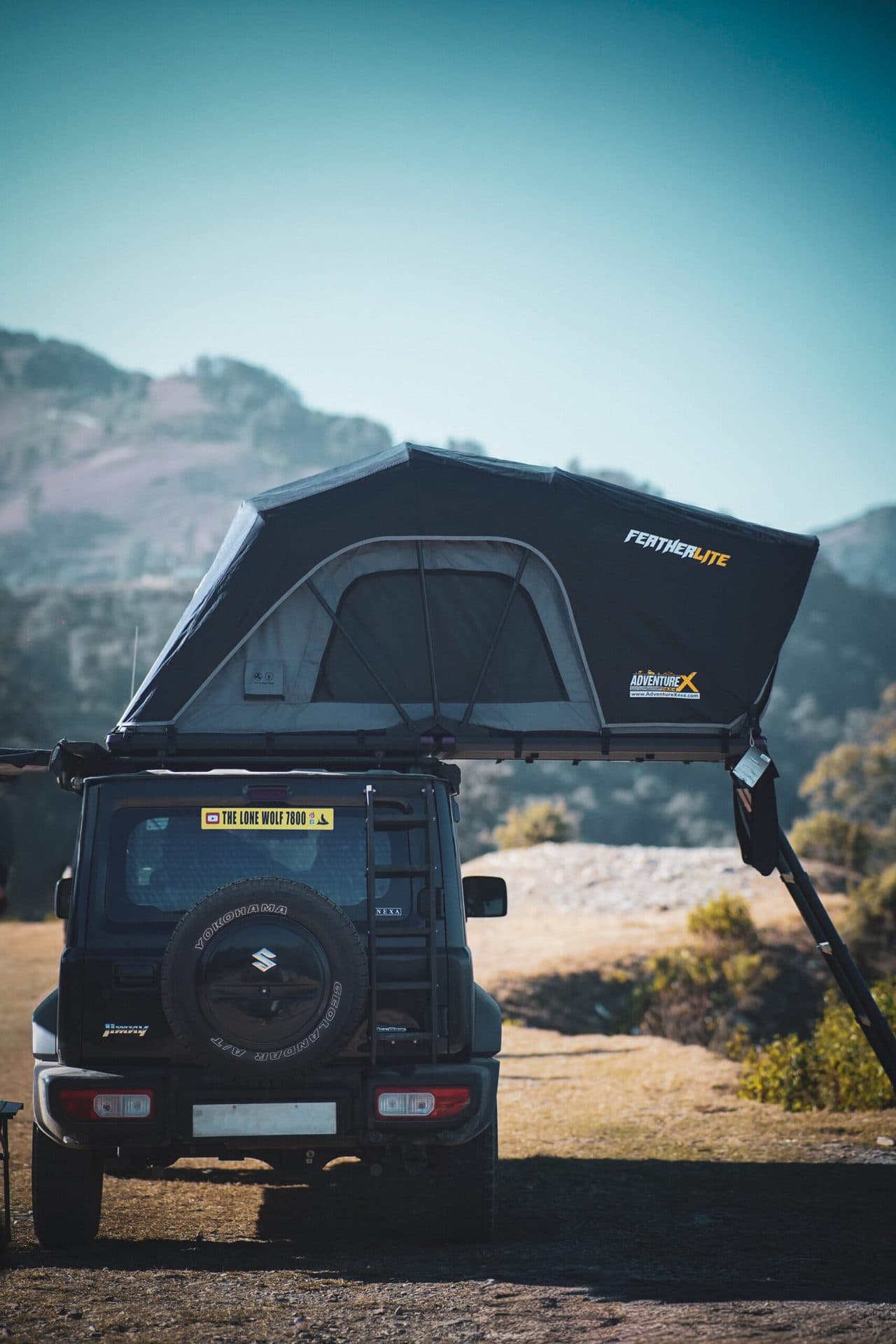
FeatherLiterooftop tents
Flagship
FeatherLite
Just 36.5 kg — one of the world’s lightest premium rooftop tents, built for compact 4x4s, crossovers and EVs.
Price
₹1,28,990
Fits: Mahindra Thar · Mahindra Scorpio N +3
Build dossier - Force Gurkha
Building a Force Gurkha for overlanding plays to its strengths: a genuinely capable, locker-equipped 4x4 that wants a sensible-weight rooftop tent, the correct snow-chain size for its tyres, a fast 270 awning and a trustworthy recovery floor. Here is the Gurkha accessories build we fit and field-test in India for Spiti and Ladakh - with the numbers that matter.
Rooftop tents, snow chains, an awning and recovery kit — each one chosen for the Gurkhaspecifically, not just badged “universal.” Prices are live from the AdventureX4x4 catalogue.
FeatherLiterooftop tents
Just 36.5 kg — one of the world’s lightest premium rooftop tents, built for compact 4x4s, crossovers and EVs.
Price
₹1,28,990
Fits: Mahindra Thar · Mahindra Scorpio N +3
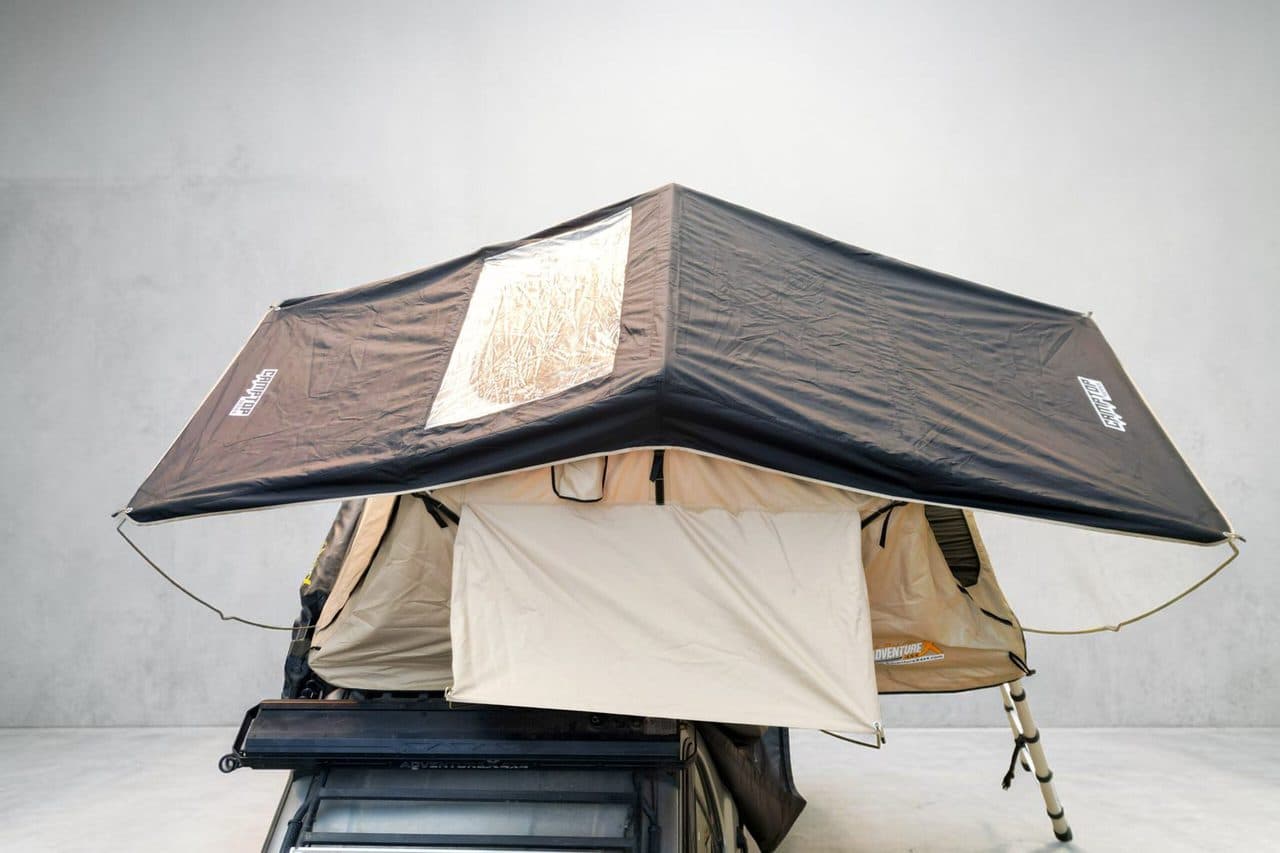
CampToprooftop tents
The CampTop 250 by AdventureX4x4 brings together rugged reliability, effortless setup, and…
Price
₹76,990
Fits: Mahindra Thar · Mahindra Scorpio N +3
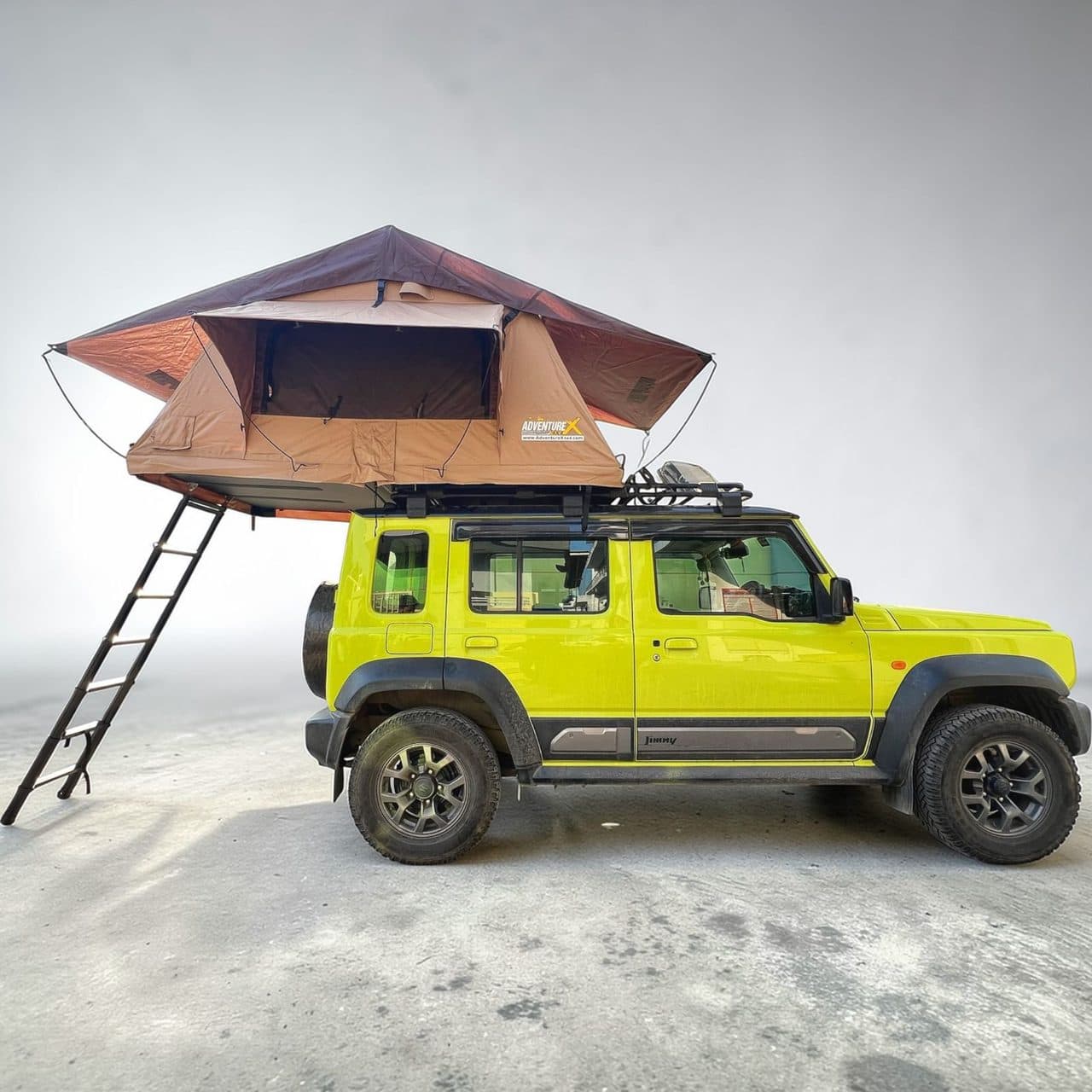
CampToprooftop tents
Engineered for serious overlanders, the CampTop 300Lux combines lightweight efficiency with…
Price
₹94,990
Fits: Mahindra Thar · Mahindra Scorpio N +3
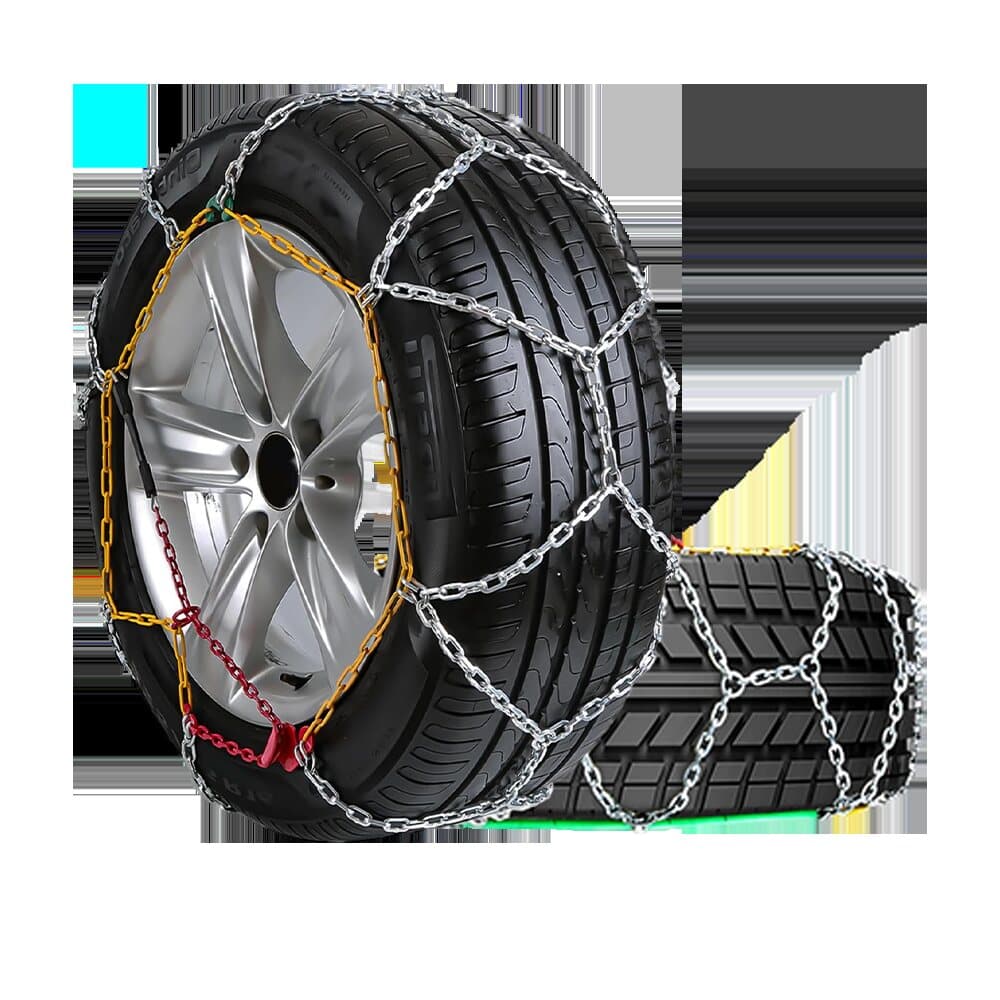
TractionXsnow chains
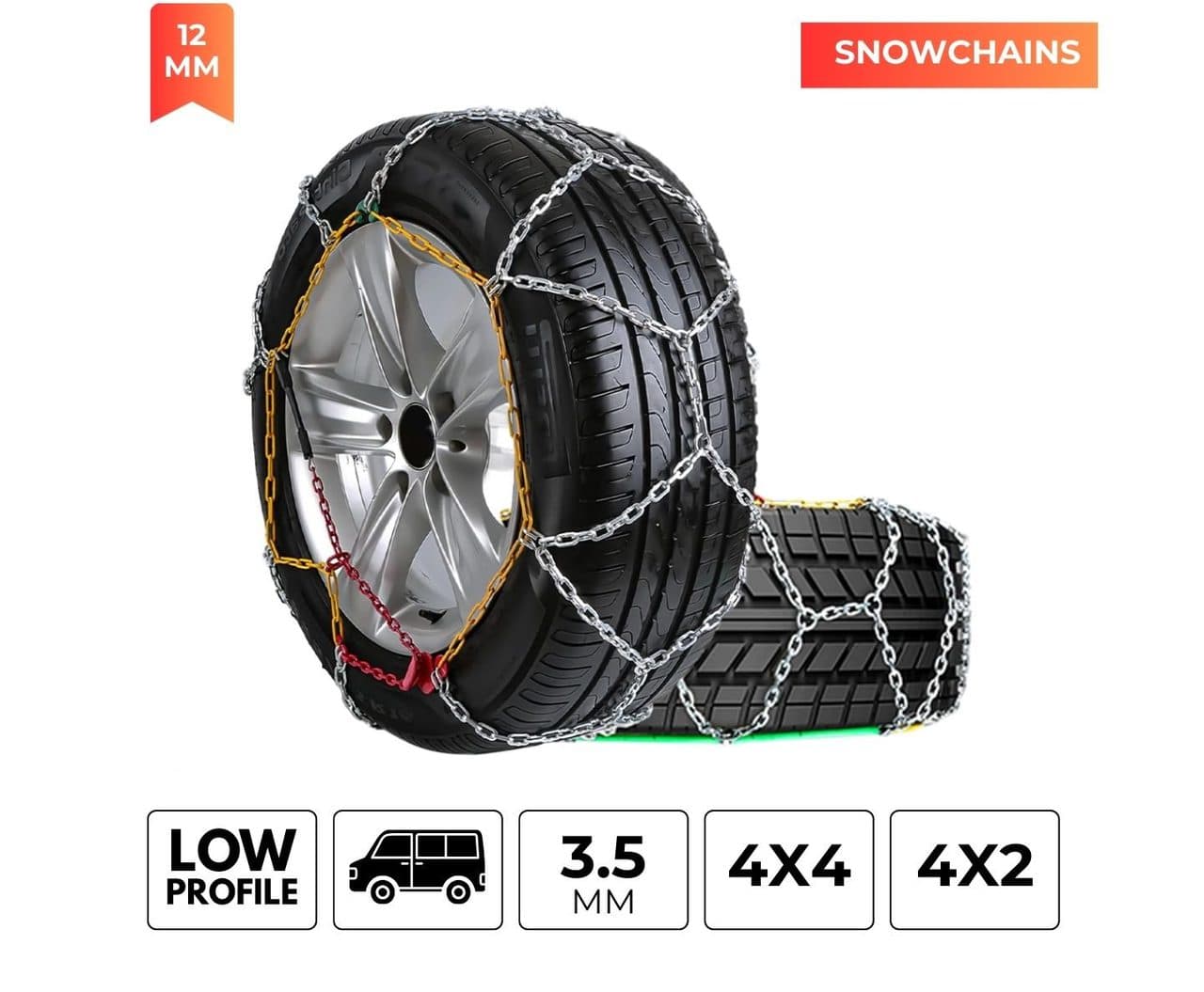
Conquer winter roads with TractionX MX120 snow chains—premium grip, fast installation, and…
Price
₹7,068
Fits: Suzuki Jimny · Mahindra Thar
TractionXsnow chains
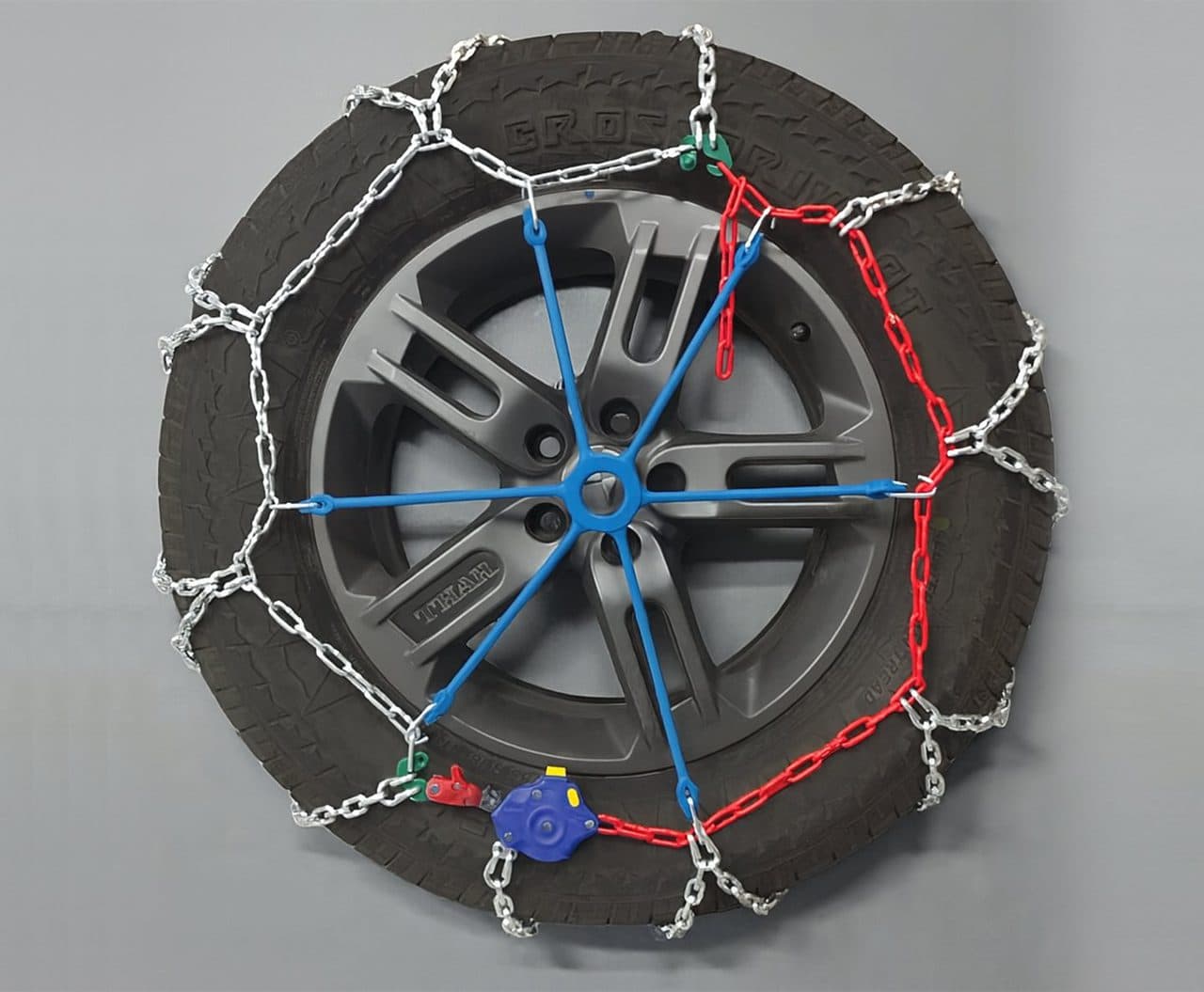
TractionX MX140 Snowchains offer reliable traction, quick installation, and long-lasting…
Price
₹7,188
Fits: Mahindra Scorpio N · Toyota Fortuner
TractionXsnow chains
When you’re driving through heavy snow, icy mountain roads or extreme cold conditions, your…
Price
₹3,200
SaberLightawnings
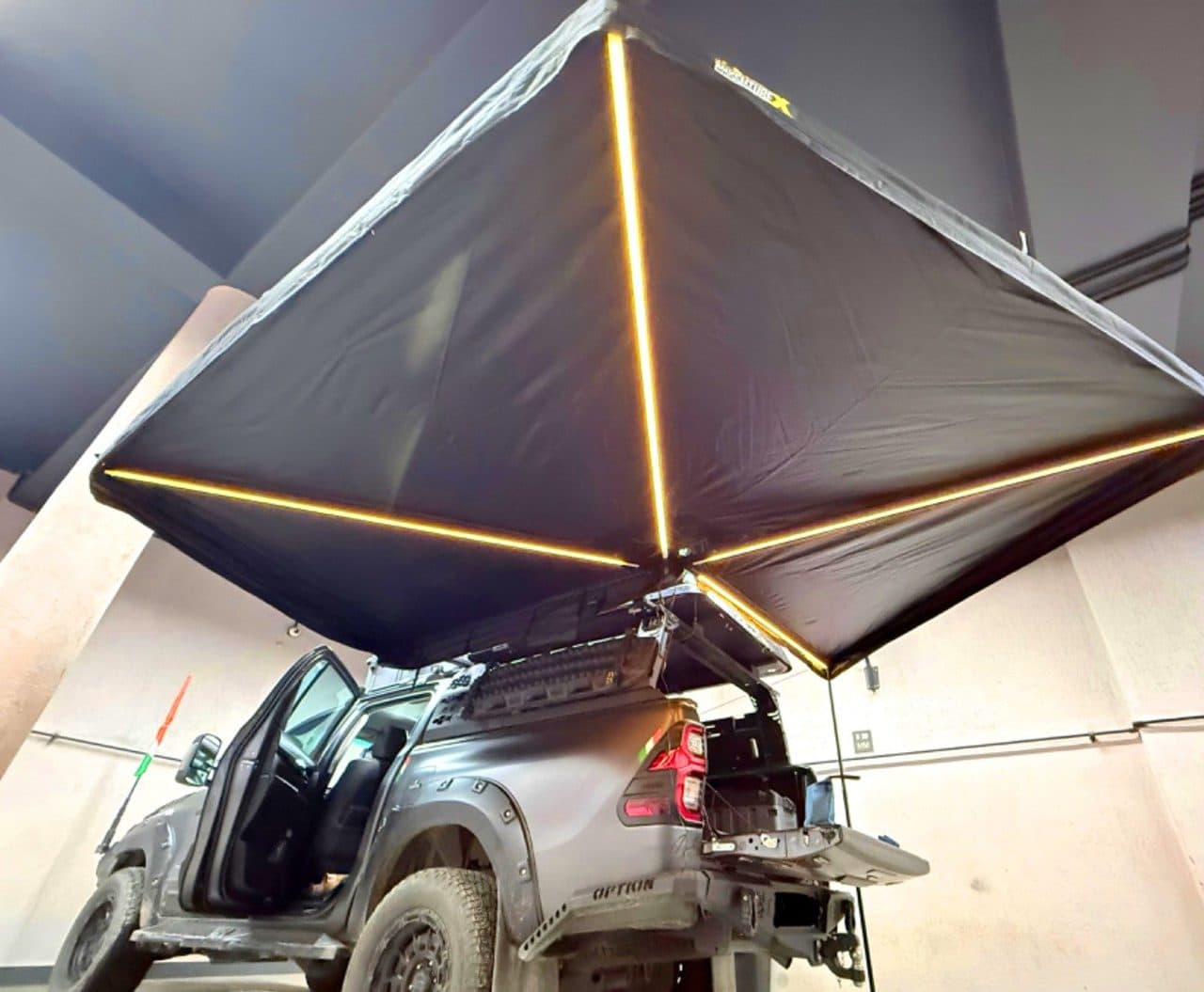
The AdventureX4x4 270° Saberlight Freestanding Awning is built for explorers who want…
Price
₹59,990
Field gearrecovery
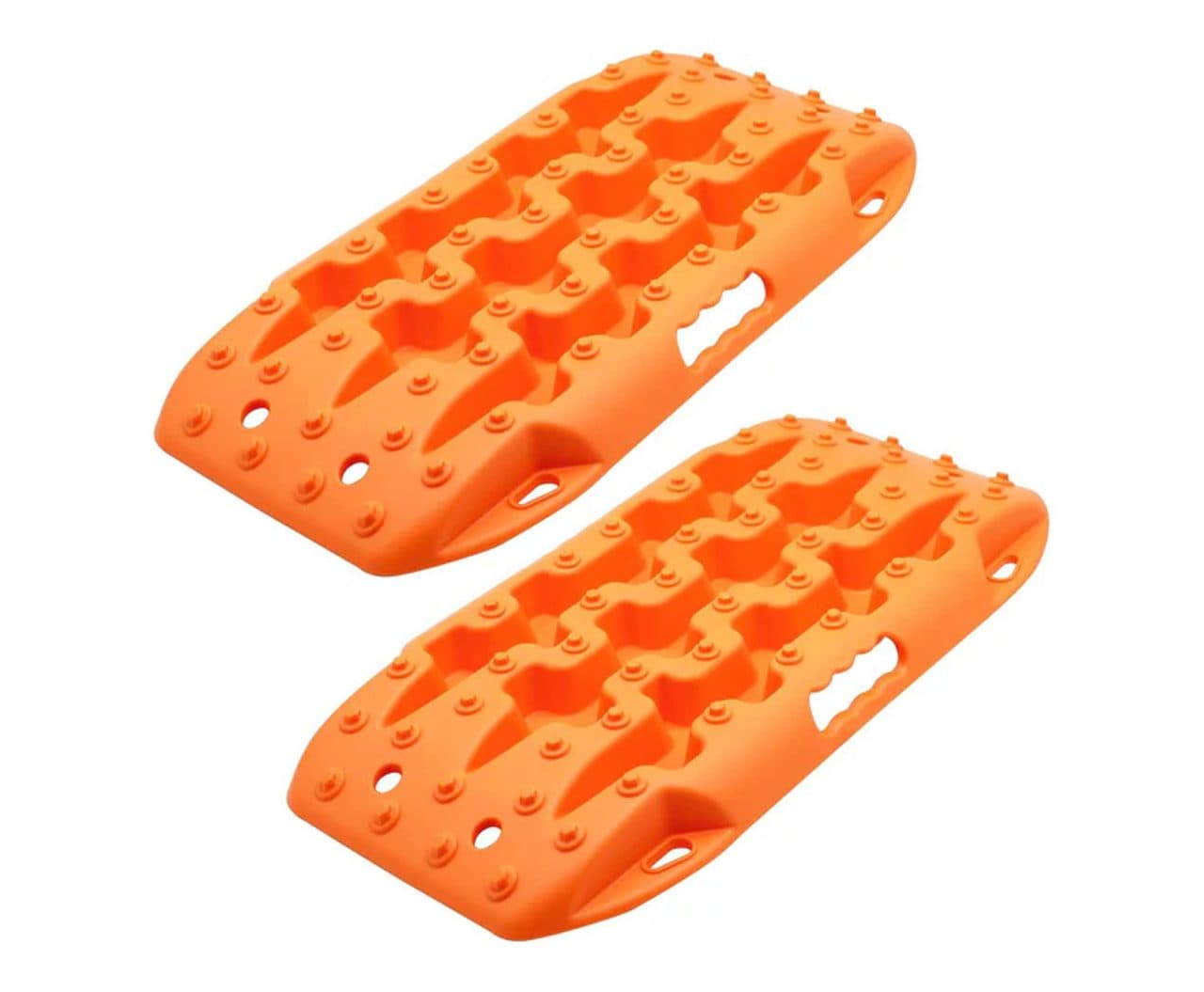
Heavy-duty and lightweight, the ALL-TOP USA Recovery Traction Boards, Mini (Orange) deliver…
Price
₹5,561

Field gearrecovery
ALL-TOP Kinetic recovery rope, 1in x 20ft, rated at 48,000 lbs. High-visibility orange,…
Price
₹12,866
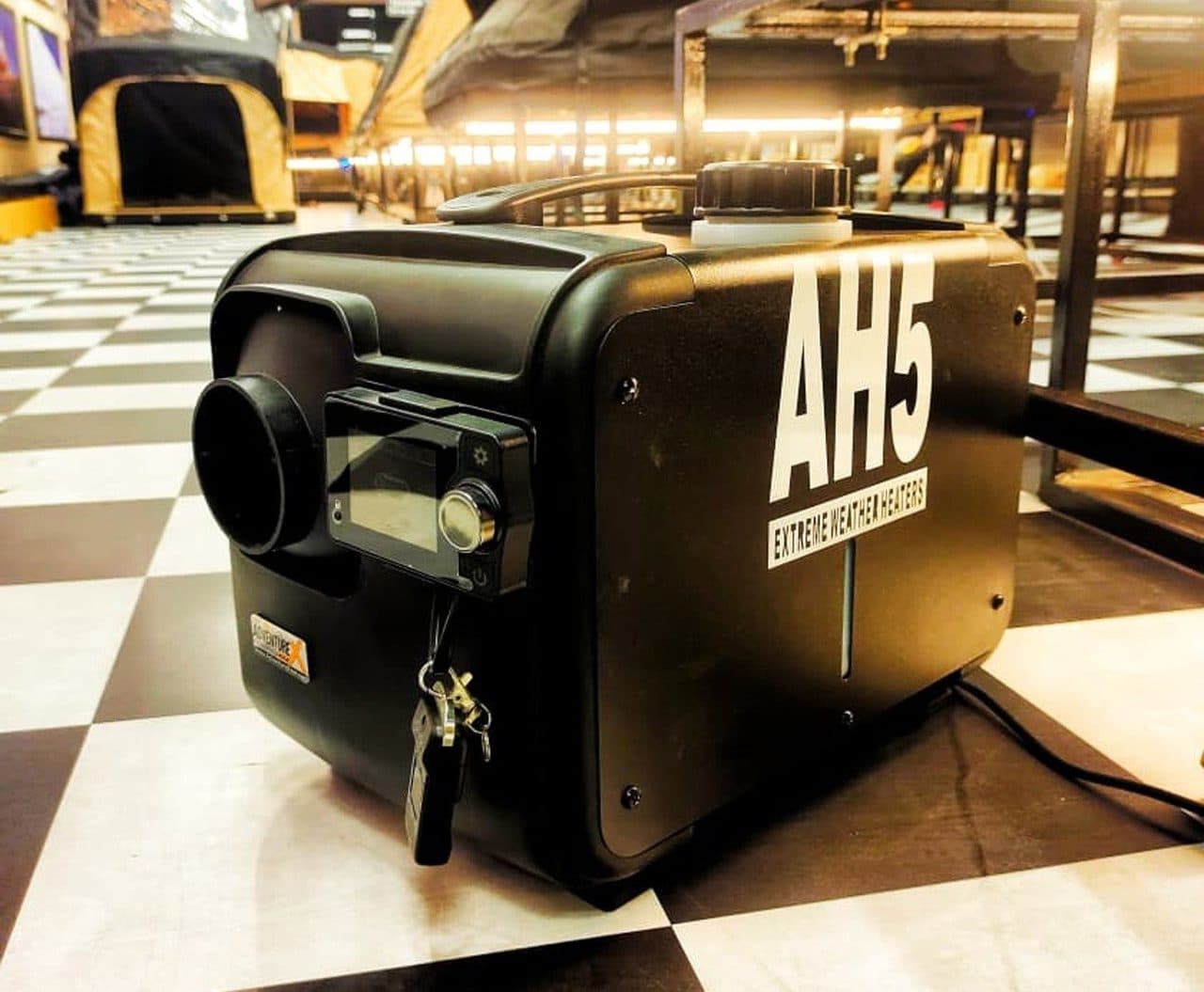
ThermaEvoextreme weather
The Adventure X4x4 ThermaEvo AH5 is a compact, high-efficiency diesel air heater designed for…
Price
₹39,990
The Force Gurkha is built by people who clearly understand what an off-road vehicle needs, and it shows in the hardware. Where many India-market 4x4s make you pay extra or go aftermarket for the bits that actually get you through, the Gurkha arrives with front and rear differential locks, a snorkel for water crossings, strong wheel articulation and a genuine low-range transfer case as part of the package. That combination - lockers at both ends especially - is what lets a relatively modest vehicle climb and crawl through terrain that defeats more powerful rigs without them. On a broken Spiti track or a Northeast river crossing, that is capability you feel, not just a spec.
What disciplines a Gurkha build is its shape. It is a tall, narrow, upright vehicle, and that geometry raises the centre of gravity quickly the moment you put weight on the roof. The Gurkha is not a heavy, wide, planted Fortuner that shrugs off a big hardshell tent; it is closer in character to the Thar and the Jimny, where keeping roof weight low and sensible is the thread that runs through every gear decision. Put a 60 kg tent and a loaded rack up top and you blunt exactly the nimble, sure-footed quality the Gurkha is good at.
So the principle for a Gurkha is the familiar one for a capable-but-tall 4x4: go sensible on weight, keep the heavy items low and inside, and let the vehicle's lockers and articulation do the work they were built for. Build it that way and the Gurkha is a genuinely serious overland platform that will carry you and your kit deep into the rough and back. The rest of this dossier follows that principle, with the real AdventureX4x4 gear we fit on the Gurkha and the numbers behind each choice.
Roof load is the figure that decides your tent, and there are two of them people confuse. The dynamic load is what the roof and crossbars can carry while you are driving - on a tall, narrow vehicle like the Gurkha this is the number you respect most, because weight up high there has a bigger effect on handling than it does on a wide, heavy SUV. The static load is what the closed tent and base hold while parked - a tent's load rating describes people sleeping in it once you have stopped, not a weight you drive around with. Confusing the two is how people overload an upright vehicle's roof.
This is exactly why we steer Gurkha owners toward lighter tents. The FeatherLite, at 36.5 kg for the tent plus a 6 kg ladder, is one of the lightest premium rooftop tents in the world, and it keeps the dynamic roof weight as low as a real rooftop tent allows - which on a tall Gurkha is the difference between a rig that still feels sure-footed and one that wallows in crosswinds on the Leh highway. The CampTop 250 is the value softshell alternative on a 300 kg-rated aluminium base, weather-sealed with a transit cover, a touch heavier than the FeatherLite but still a sensible choice for the platform.
Our rule for the Gurkha: one light tent on the roof, nothing else heavy up there while moving, and let the cabin and any rear storage carry the dense items - water, recovery boards, tools, a heater. A few litres of water at floor level does more for the Gurkha's stability than the same weight on the roof ever could. What we would steer a Gurkha owner away from is the largest end of the range - the CampTop 400Max and the family-sized hardshells are superb on a Hilux or a Defender, but their footprint and weight fight the Gurkha's tall, narrow stance. Match the tent to the platform, not to the photo. The best rooftop tent guide walks through the hardshell-versus-softshell decision in full.
The Force Gurkha has run two quite different tyre sizes across its life, so the right chain depends on which Gurkha you own. The older Force Gurkha on its narrower factory rubber sits in our MX120 band - the same small-4x4 envelope we list for the Maruti Gypsy and Jimny, the Mahindra Bolero, and the old Gurkha itself. The current-generation Gurkha runs a noticeably larger tyre (around a 255-section, 18-inch wheel), which moves it up toward the MX140 band we list for mid-size SUVs on similar rubber. Because that gap matters, the single most important thing is to read the size printed on your sidewall and match the chain to it rather than to the model name. Both the MX120 and MX140 are manual-fit chains: you drape the chain over the tread, hook the inner side behind the tyre, then tension the outer side. Both carry the same TUV GS and ONORM V5117 certification and the same carburised multi-alloy steel - Boron, Titanium, Manganese, Chromium and Carbon, heat-treated for 8 hours at 900C to a surface hardness of HV 720-780 - so they bite on glare ice, not only soft snow, and both are ABS- and traction-control-compatible. Fit them to the driven wheels before you need them, pair the smaller chain with the TractionX Spiders bungee retainer so it stays centred on a long cold drive, and on the Gurkha's tight arches confirm clearance at full lock before you commit to a size.
Fitment data sheet
For most Gurkha owners the answer is the FeatherLite. It is built around the exact problem a tall, light 4x4 poses - keeping roof weight to a minimum without giving up strength or comfort. The reinforced full-aluminium structure resists flexing in strong gusts, the aerodynamic shell cuts drag and wind noise (both of which you notice on an upright vehicle at highway speed), and the high-density thermal mattress and smart ventilation handle cold nights and condensation. It is also modular - every component detaches and swaps - so you carry a tent you can actually repair on a long trip rather than one you have to nurse home.
If your budget is tighter and weight is a little less critical for the trips you do, the CampTop 250 is the value alternative - a weather-sealed softshell on a 300 kg-rated aluminium base with a waterproof transit cover, a genuine durable way onto a Gurkha's roof for less. The trade is real and worth naming: every kilogram the CampTop adds over the FeatherLite is a kilogram higher on the Gurkha's centre of gravity, so if you camp in the high Himalaya or drive a lot of crosswind, the lighter tent earns its premium.
If your trips lean genuinely cold - winter Spiti, high camps above 3,500 m - the CampTop 300Lux is worth the extra weight. It is a softshell with dual heater ports designed to take a diesel heater's ducting, an all-season 60mm thermal mattress and an oversized waterproof skylight, at 53 kg on a 300 kg honeycomb base. For genuine sub-zero touring that weight is a trade worth making, because a tent you can heat changes what a winter night feels like at Kaza. Match the tent to how you travel: the FeatherLite for the lightest, most sure-footed build, the 250 for value, the 300Lux for warmth in deep cold.
Snow chains are the item people skip and regret, and on the Gurkha the right size depends on which generation you own - the older Gurkha takes the MX120 we list for the Gypsy and Jimny, while the current larger-tyred Gurkha steps up toward the MX140 (full reasoning in the fitment box below). Read your sidewall and match the chain to the size, not the model name. Carry them on any Himalayan trip from October to April even when the forecast looks clear - a single overnight snowfall on the Kunzum or Baralacha approach can turn a routine drive into a recovery, and the Gurkha's lockers do nothing to help you stop or steer on glare ice. Fit them to the driven wheels before the gradient, and pair the smaller chain with the TractionX Spiders bungee retainer so it stays centred on a long cold drive.
An awning is the comfort upgrade that transforms a compact Gurkha from a vehicle you sleep on into a basecamp. The 270 SaberLight is freestanding and wraps a 2-metre radius around the side and rear, giving the small vehicle a covered kitchen and living area several times its own footprint in under two minutes - invaluable when you are cooking in Kutch wind or sheltering from a Meghalaya downpour. It mounts to the same crossbar system as the tent.
For recovery, build from the ground up rather than buying a winch first. The Gurkha already has lockers, which get you a long way, and a recovery floor finishes the job: mini traction boards sized for a compact 4x4 and a 1-inch kinetic recovery rope solve the overwhelming majority of real situations - bogged in Rann salt, wheel-deep in a Spiti snowdrift, or losing grip on a wet Northeast climb. The boards need no anchor point and both are rated for the -25C the Gurkha genuinely sees on a winter expedition. Add the ThermaEvo AH5 diesel heater - altitude-compensated to 5,000 m - for the nights, and you have a Gurkha ready for the routes that matter. When you want to run that build with backup, our guided Spiti Frozen expedition takes exactly this kind of rig through the Himalayan winter with a support vehicle and a mechanic in the convoy.
Because the Gurkha is a tall, narrow vehicle with a high centre of gravity, the best pick is a sensible-weight softshell rather than the largest hardshells. For most owners that is the FeatherLite, which at 36.5 kg (plus a 6 kg ladder) is one of the lightest premium rooftop tents made and keeps the Gurkha sure-footed. The CampTop 250 is the value softshell alternative on a 300 kg-rated base, and the CampTop 300Lux is the warm choice for deep-cold trips with dual heater ports - heavier at 53 kg, so reserve it for genuinely cold touring.
It depends on which Gurkha you own, because the model has used two quite different tyre sizes. The older Force Gurkha on its narrower factory rubber takes the TractionX MX120 - the same size we list for the Maruti Gypsy and Jimny and the Mahindra Bolero. The current-generation Gurkha runs a larger tyre (around a 255-section on an 18-inch wheel), which steps up toward the MX140 band. The single most important thing is to read the size printed on your sidewall and match the chain to it, not to the model name. Both chains are manual-fit, TUV GS and ONORM V5117 certified and ABS-compatible.
Watch the dynamic load - what the roof and crossbars carry while you are driving. On a tall, narrow vehicle like the Gurkha, weight up high affects handling more than it does on a wide, heavy SUV, so keep it sensible: one light tent on the roof, nothing else heavy up there while moving. The load rating quoted for a tent base is the static, people-asleep figure once you have stopped, not a driving load. Carry the dense items - water, recovery gear, tools - low and inside the vehicle, where a few litres of water at floor level does more for stability than the same weight on the roof.
Yes, if you are travelling between roughly October and April. The Gurkha's front and rear diff locks help you go, but they do nothing to help you stop or steer once the tread packs with snow or glare ice. A single overnight snowfall on the Kunzum or Baralacha approach can leave you on packed snow, and a set of the correct TractionX chains (MX120 or MX140 depending on your tyre size) in the boot is the difference between driving on and being towed. Fit them to the driven wheels before the gradient, not on an ice slope in the dark, and pair the smaller chain with the Spiders retainer for cold-weather tension.
Five things cover most expeditions: a sensible-weight rooftop tent (FeatherLite for the lightest build, CampTop 250 for value, CampTop 300Lux for cold), the correct TractionX chains for your tyre size (MX120 or MX140) with the Spiders retainer, a 270 SaberLight awning for a fast camp kitchen, a recovery floor of mini traction boards plus a kinetic rope, and a ThermaEvo AH5 diesel heater for sub-zero nights above 3,500 m. The Gurkha's lockers and articulation do the rest.
Yes - the Gurkha is one of the most genuinely capable factory 4x4s sold in India. It comes with front and rear differential locks, a snorkel, strong articulation and a low-range transfer case as part of the package, which is exactly the hardware that gets a vehicle through terrain that defeats more powerful rigs without it. Its limitation is geometry: it is tall and narrow, so a roof tent raises the centre of gravity quickly and the build needs to stay light up high. Kitted sensibly - a light tent, heavy items low and inside - it is a serious platform for Spiti, Ladakh and the Northeast.
Buying guides for the Gurkha
The rooftop tents, prices and gear we recommend specifically for the Force Gurkha.
Build your Gurkha
Every item here is built, stocked and backed by AdventureX4x4 — engineered for Indian cold and proven from Spiti to Ladakh. Pick a starting point, or talk to our outfitters about a full Gurkha build.
Field-tested in extreme conditions
Researched & proven on Spiti, Ladakh & Lahaul
Our own proprietary range
AutoNest · TractionX · ThermaEvo — not resold gear
Free shipping over ₹25,000
Dispatched across India with a GST invoice
TÜV-certified snow chains
TractionX — TÜV GS & ÖNORM V5117 rated
Build your rig. Jump straight to the gear, guides and per-vehicle build dossiers our overlanders reach for most.
We use essential cookies to run AdventureX4x4 and privacy-light, IP-anonymised analytics to improve it. By continuing you agree to our Cookie Policy and Privacy Policy.