
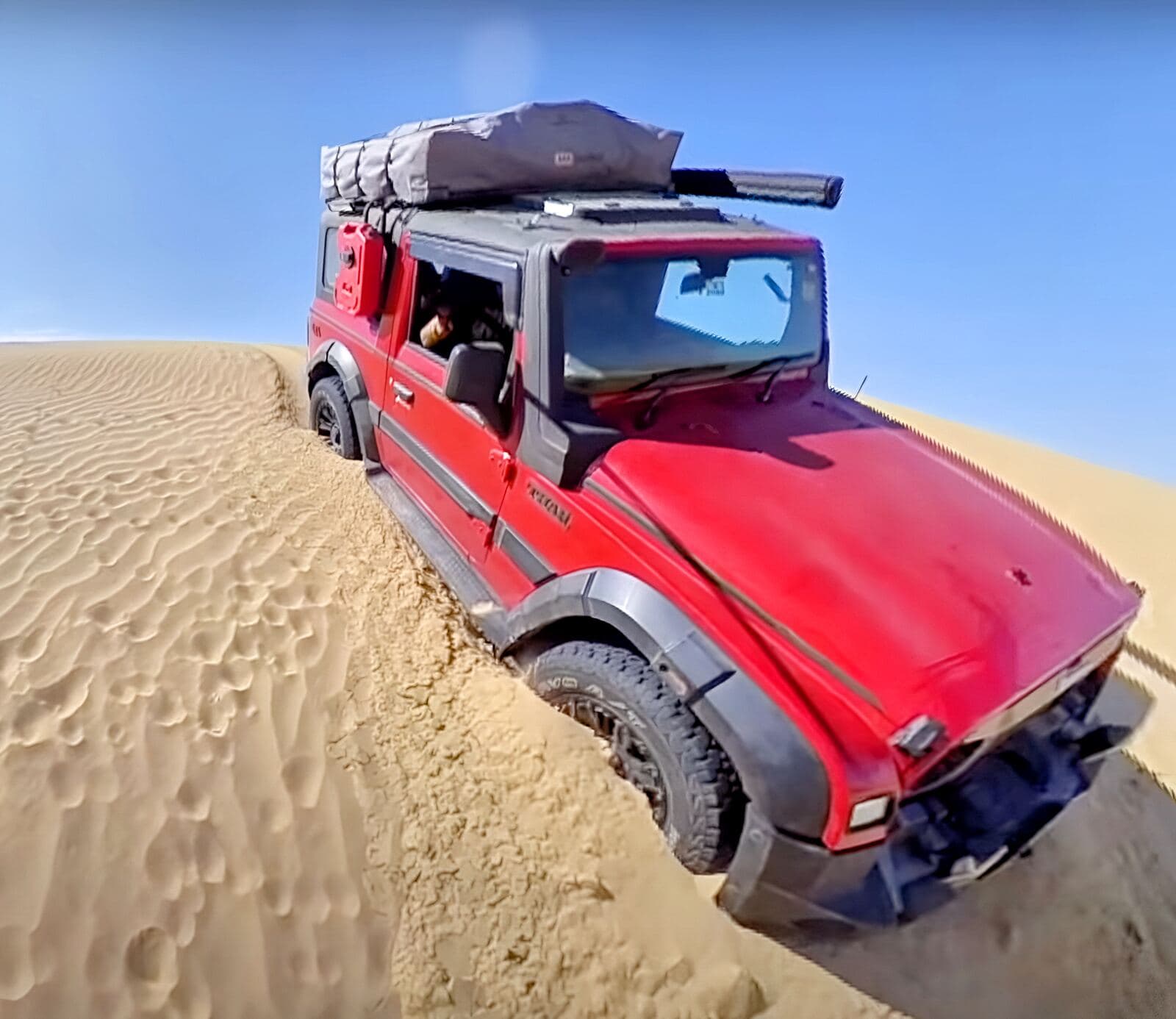
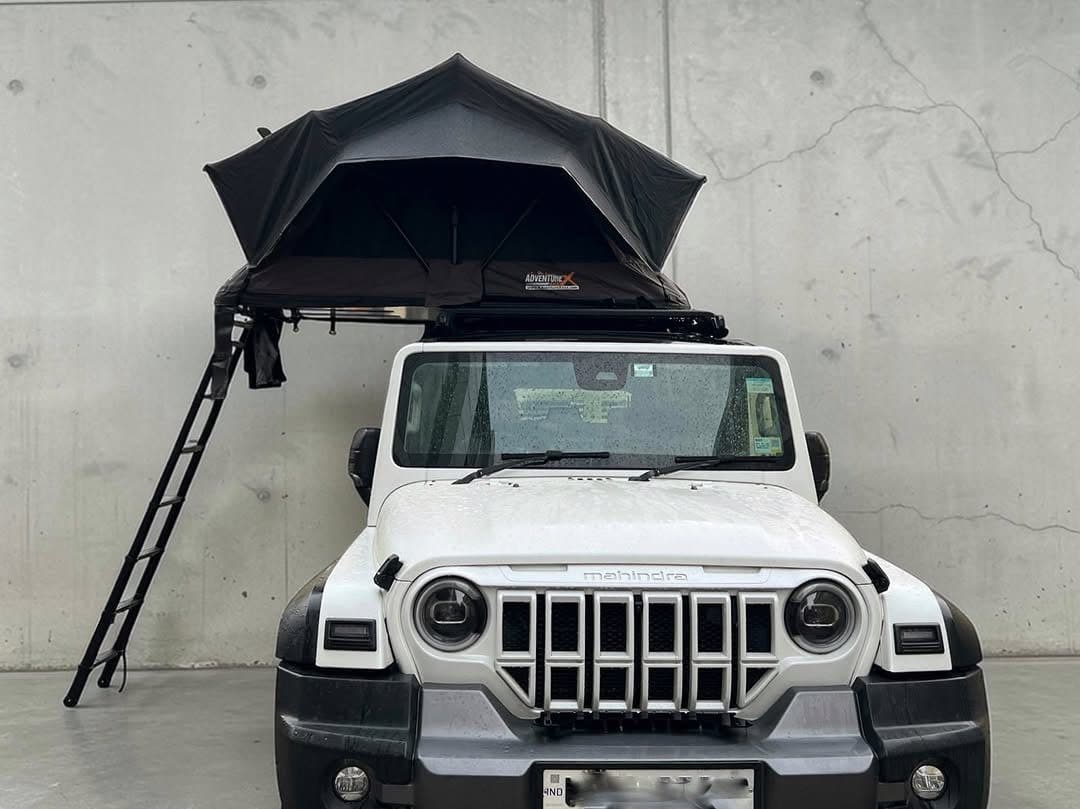
Expeditionrooftop tents
Flagship
Leopard41
The Leopard41 , your ultimate overlanding companion from AdventureX4x4’s Expedition Series, is…
Price
₹1,12,990
Fits: Mahindra Thar · Mahindra Scorpio N +3
Build dossier — Mahindra Thar
Building out a Mahindra Thar for overlanding comes down to four decisions: the right rooftop tent for its roof, the correct snow-chain size, a fast awning, and recovery kit you'll actually trust. Here is the gear we fit and field-test on the Thar for Spiti and Ladakh — with the numbers that matter.
Rooftop tents, snow chains, an awning and recovery kit — each one chosen for the Tharspecifically, not just badged “universal.” Prices are live from the AdventureX4x4 catalogue.
Expeditionrooftop tents
The Leopard41 , your ultimate overlanding companion from AdventureX4x4’s Expedition Series, is…
Price
₹1,12,990
Fits: Mahindra Thar · Mahindra Scorpio N +3
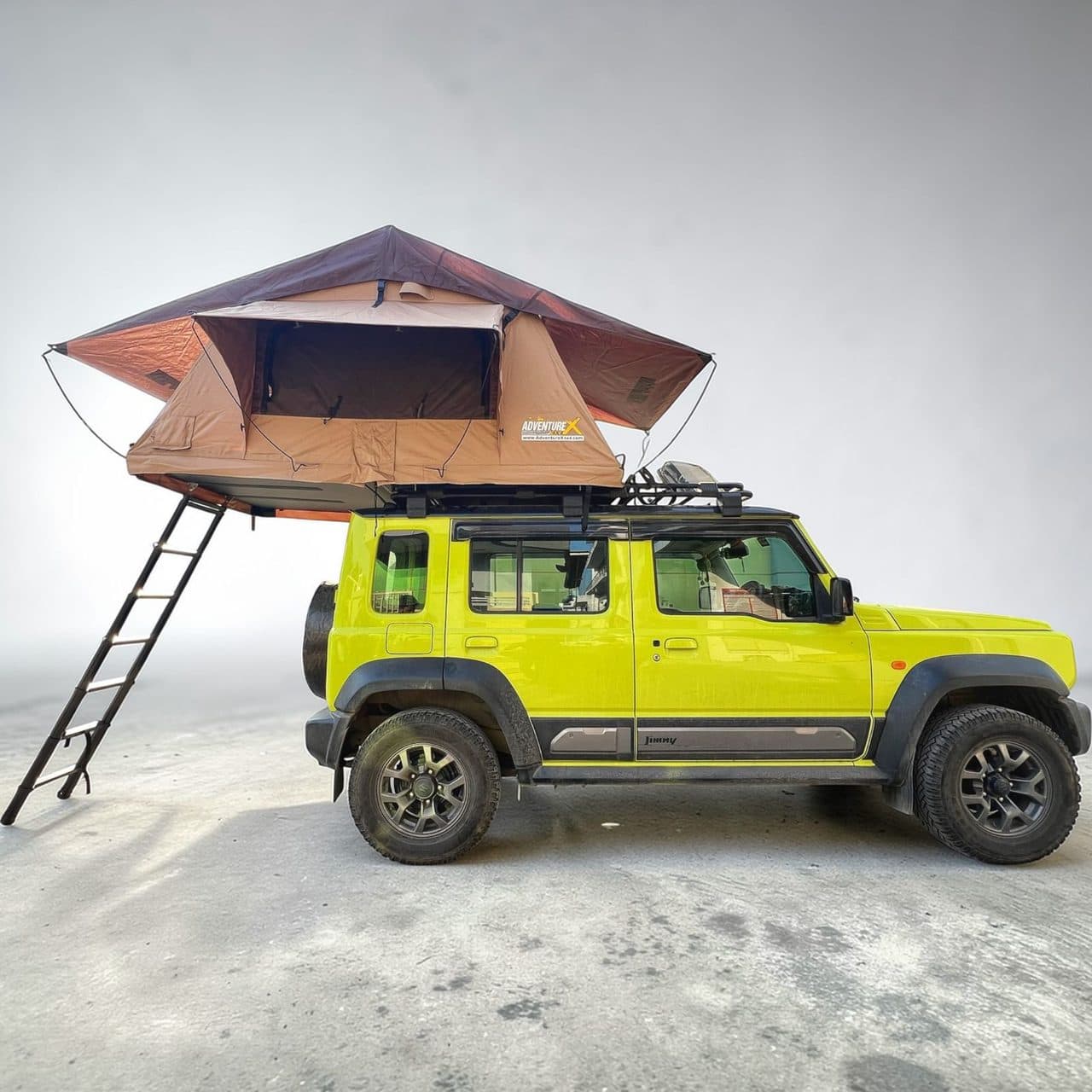
CampToprooftop tents
Engineered for serious overlanders, the CampTop 300Lux combines lightweight efficiency with…
Price
₹94,990
Fits: Mahindra Thar · Mahindra Scorpio N +3
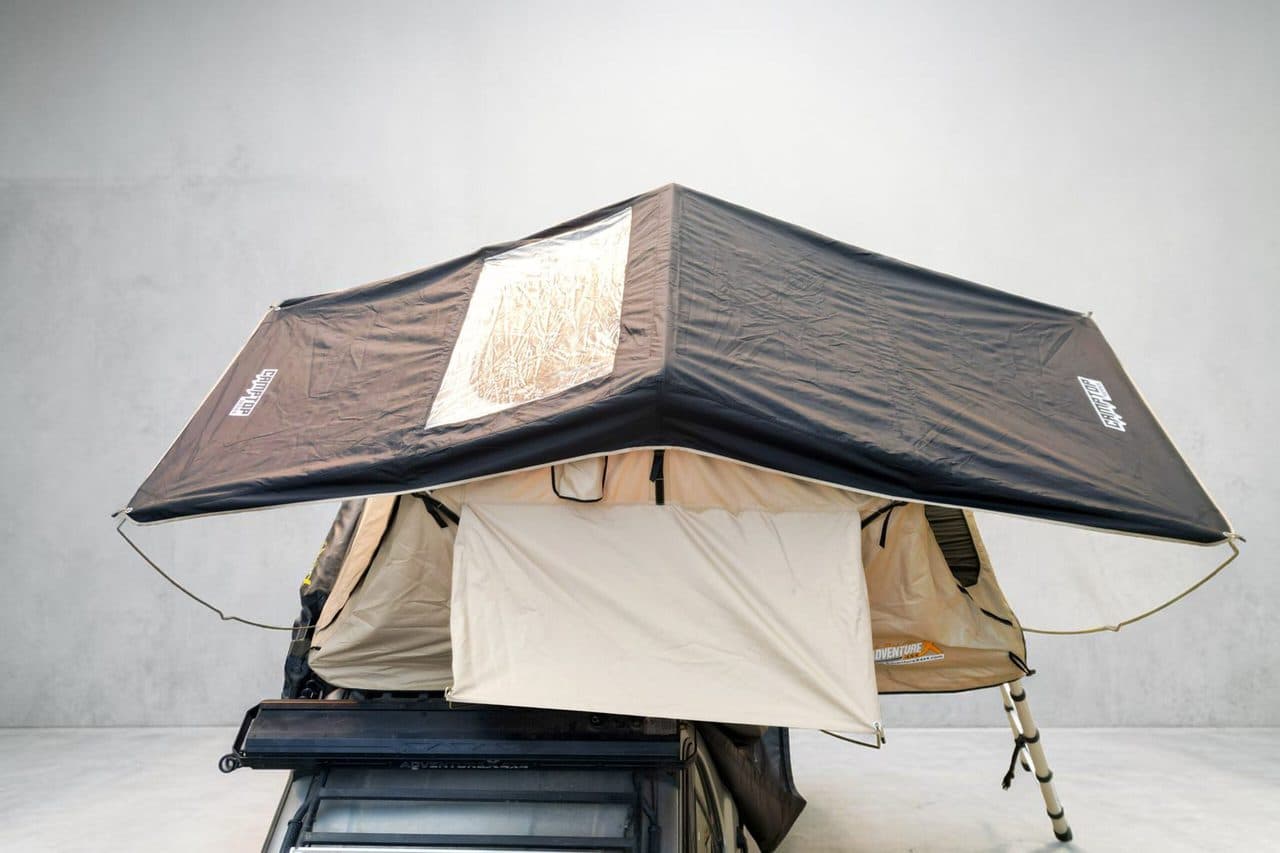
CampToprooftop tents
The CampTop 250 by AdventureX4x4 brings together rugged reliability, effortless setup, and…
Price
₹76,990
Fits: Mahindra Thar · Mahindra Scorpio N +3
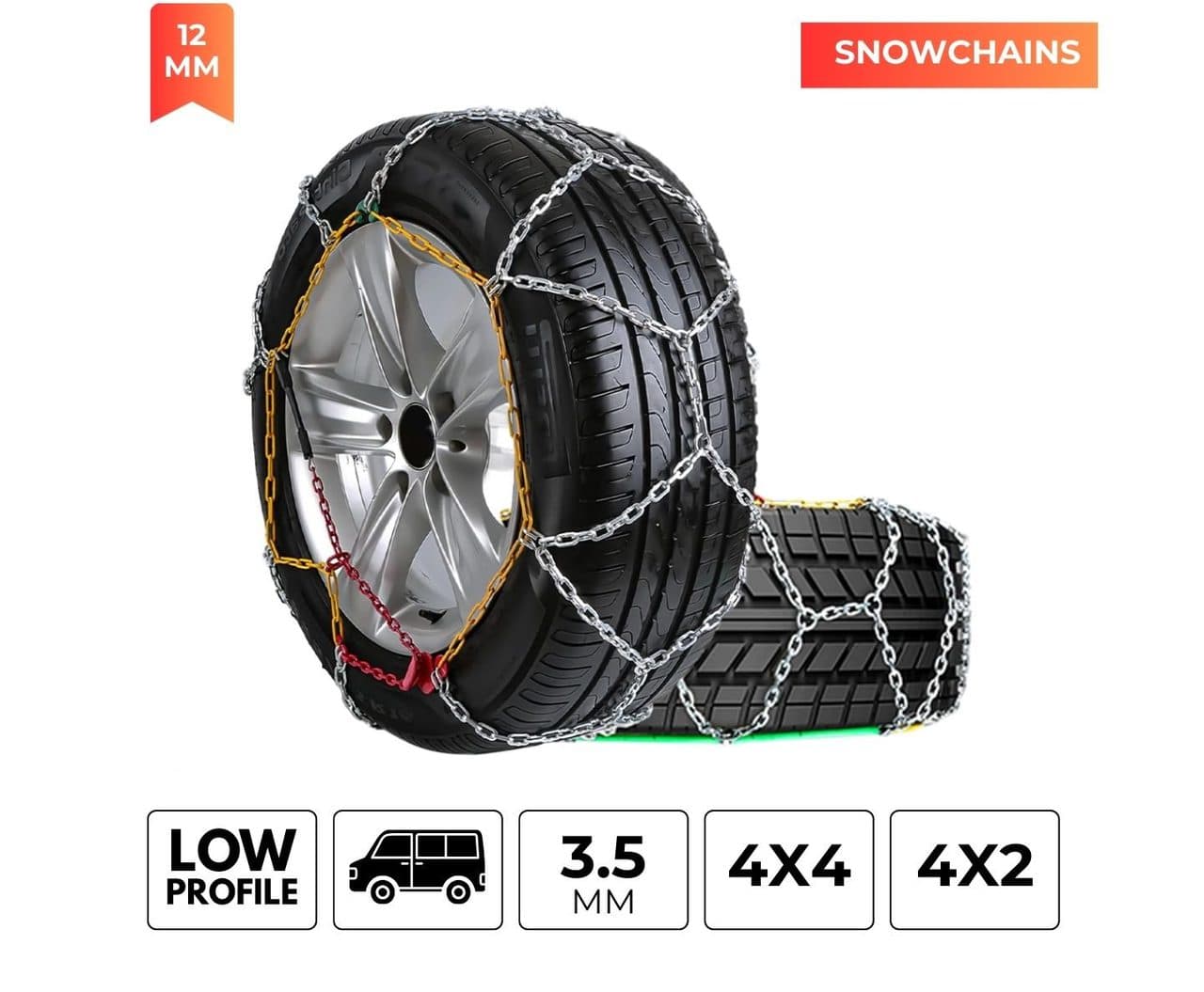
TractionXsnow chains
TractionX MX140 Snowchains offer reliable traction, quick installation, and long-lasting…
Price
₹7,188
Fits: Mahindra Scorpio N · Toyota Fortuner
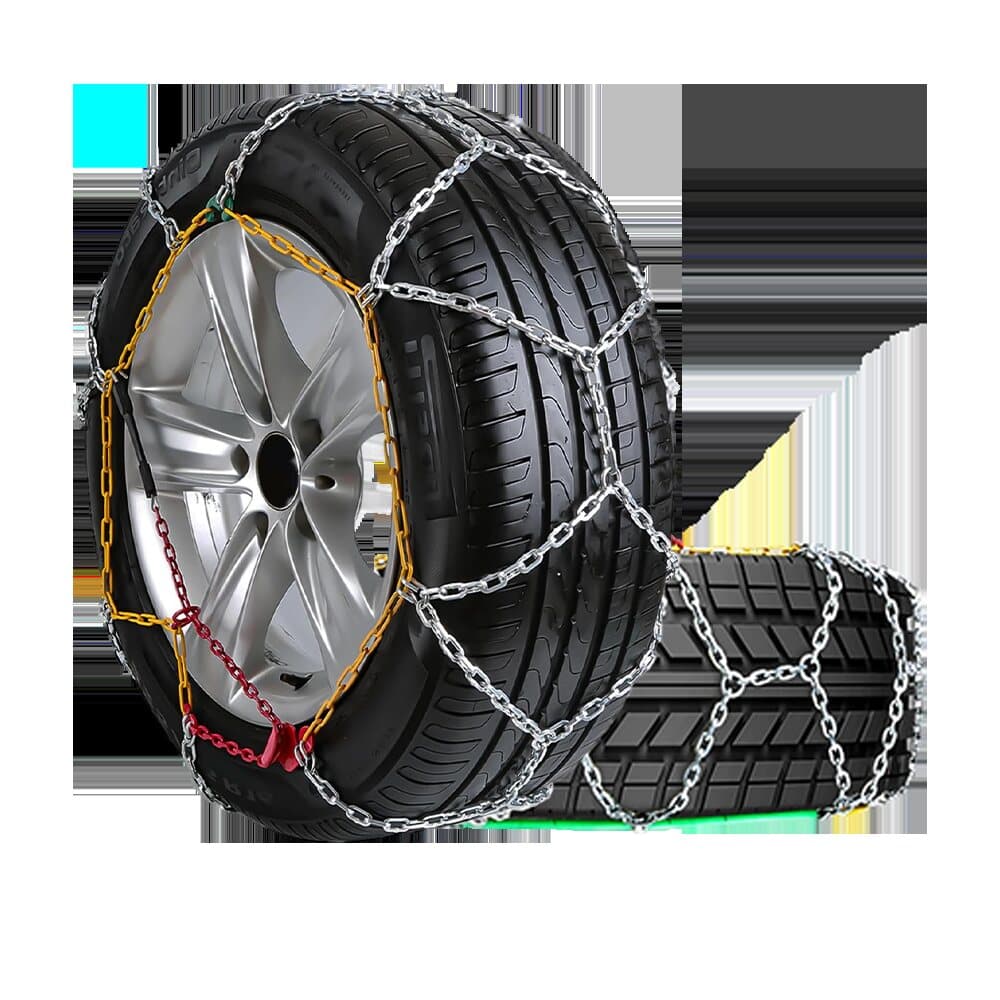
TractionXsnow chains
Conquer winter roads with TractionX MX120 snow chains—premium grip, fast installation, and…
Price
₹7,068
Fits: Suzuki Jimny · Mahindra Thar
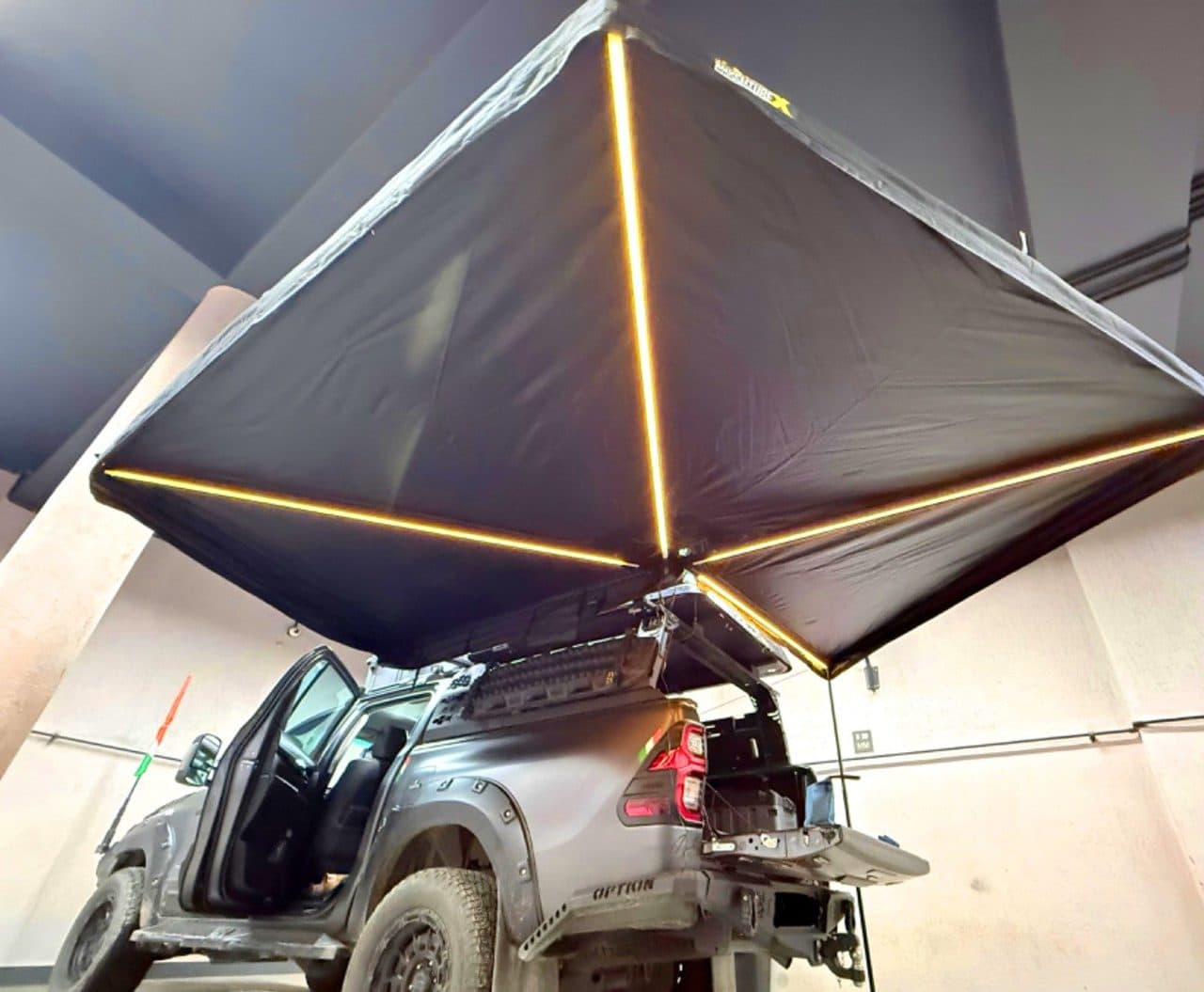
SaberLightawnings
The AdventureX4x4 270° Saberlight Freestanding Awning is built for explorers who want…
Price
₹59,990
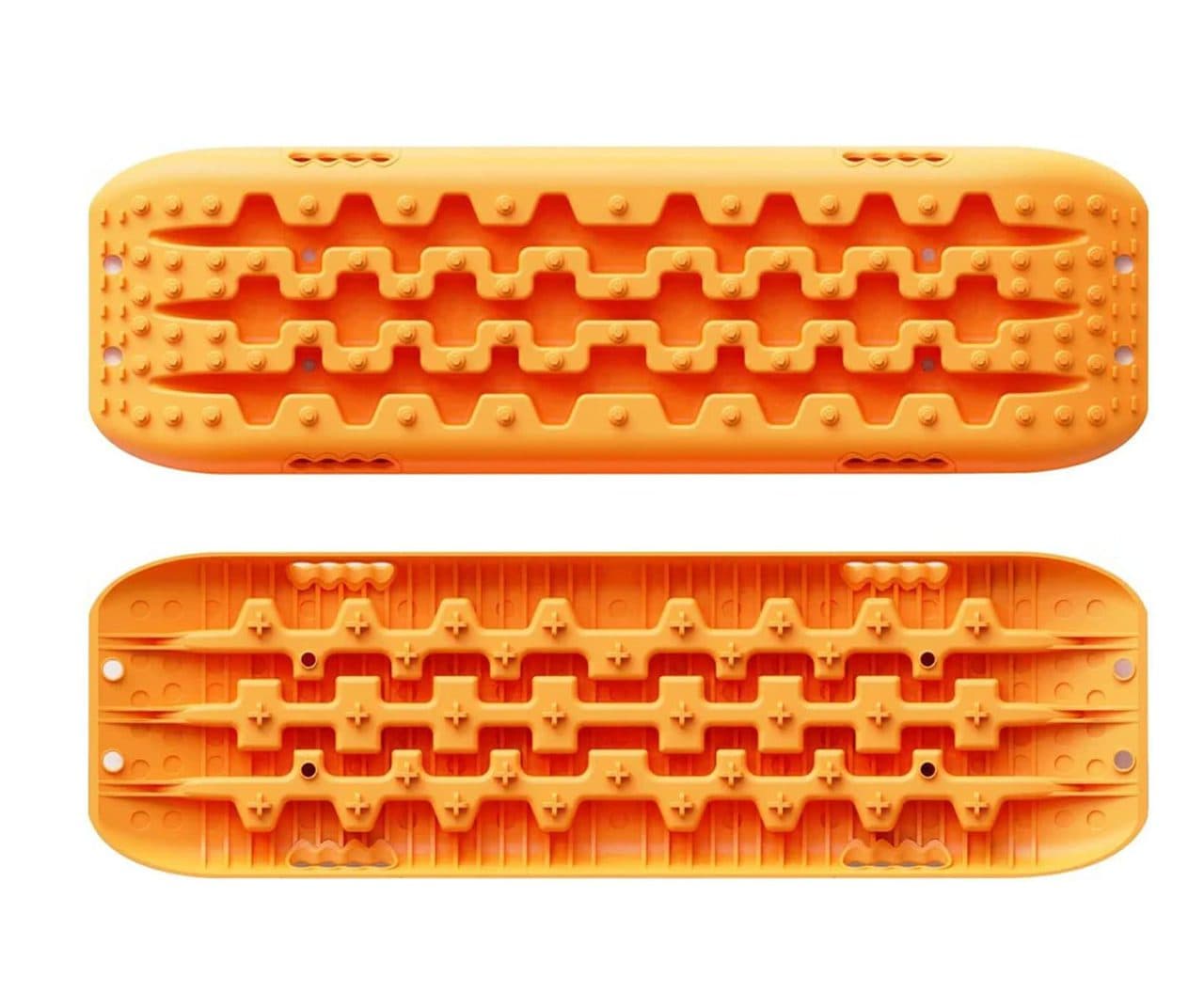
Field gearrecovery
Heavy-duty and lightweight, the ALL-TOP USA Recovery Traction Boards (Orange) deliver superior…
Price
₹12,082

Field gearrecovery
ALL-TOP Kinetic recovery rope, 1in x 20ft, rated at 48,000 lbs. High-visibility orange,…
Price
₹12,866
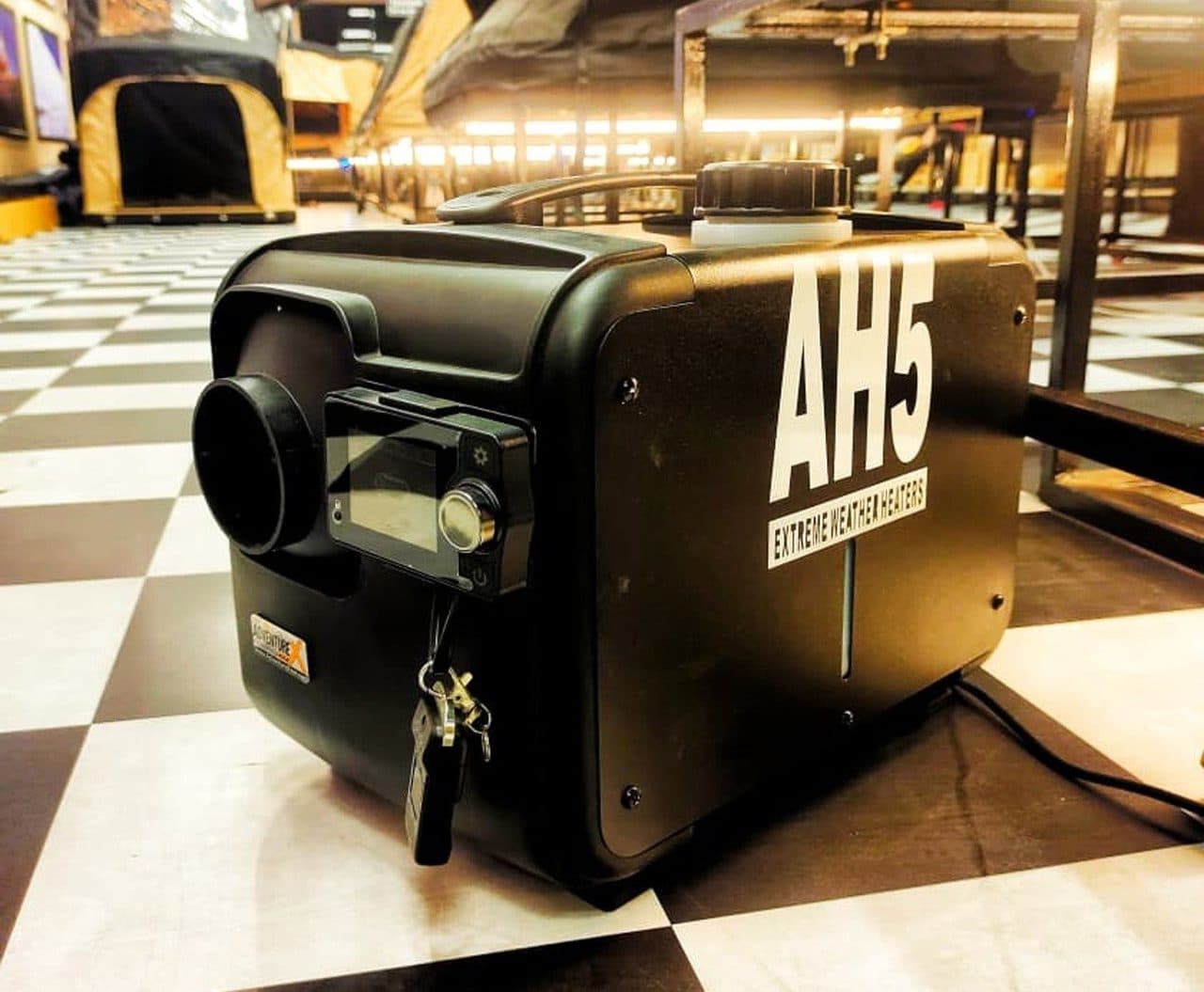
ThermaEvoextreme weather
The Adventure X4x4 ThermaEvo AH5 is a compact, high-efficiency diesel air heater designed for…
Price
₹39,990
More overland builds in India start on a Mahindra Thar than on any other vehicle, and the reasons are practical rather than romantic. It has a genuine low-range transfer case, a separate ladder-frame chassis, and live or independent axles depending on the year — the mechanical basics that let it be recovered, repaired and overloaded without drama in places where a monocoque crossover would be stranded. Parts and Mahindra service reach the smallest towns on the Spiti and Leh circuits, which matters more at 4,000 m than any spec sheet.
What the Thar is not is large. It is a short-wheelbase, relatively narrow, tall vehicle, and that shapes every gear decision on this page. A short wheelbase plus a roof tent raises the centre of gravity quickly, so weight on the roof is the number you watch hardest. A narrow track means you feel side-slope more than a Fortuner driver does. And limited interior volume is exactly why a rooftop tent and an external awning make so much sense on a Thar — you move sleeping and living space out of the cabin instead of fighting over it.
Treat the Thar as a capable but weight-sensitive base. Build it light, keep the heavy items low and inside, put only the tent on the roof, and it will carry you comfortably from Faridabad to Kaza and back. That single principle — light roof, low weight — is the thread running through every recommendation below.
The most misunderstood figure on any overland Thar is roof load, because there are two of them. The dynamic load is what the roof can carry while you are driving — the manufacturer figure for the Thar's factory roof sits at roughly 75 kg, and that is the ceiling for your crossbars plus the closed tent plus anything strapped to it. The static load is what the roof and tent can hold while parked, and it is far higher: a rooftop tent's 300 kg base rating refers to people sleeping in it once you have stopped, not to a load you can drive around with.
In practice this is freeing, not limiting. Our lightest tent, the Leopard41, weighs 41 kg. Add a set of aluminium crossbars and you are comfortably under the dynamic ceiling with margin for a roof rack, a shovel or a set of traction boards. The CampTop 300Lux at 53 kg and the CampTop 250 also sit inside the envelope. Where people get into trouble is bolting a heavy fixed roof rack, a 450L roof box and a tent on simultaneously — that stacks dynamic weight high and narrow on exactly the vehicle that likes it least.
Our rule for the Thar: one tent on the roof, nothing else heavy up there while moving, and let the bed, the rear seats and a drawer system carry the dense items — water, recovery, tools, fuel. A 26-litre HydroX water tank at floor level does more for stability than the same weight on the roof ever could. If you want to understand the load maths in full before you buy, the rooftop-tent-for-Thar guide walks through crossbar selection and the dynamic-versus-static distinction with worked examples.
The current Mahindra Thar (2020-onwards) runs 255/65 R18 or 255/60 R18 tyres. That footprint maps to the TractionX MX140 in our fitment ladder — the same size we list for the Scorpio-N Z2–Z4 and the older Fortuner, which share that tyre envelope. The MX140 is a manual-fit chain: you lay it over the tread, hook the inside, tension the outside. It carries the same TUV GS and ONORM V5117 certification and the same carburised multi-alloy steel (HV 720–780) as the rest of the TractionX line, so it bites on glare ice, not just soft snow. If you run a modified Thar on oversized 33-inch rubber, step up to the MX180 — but check arch clearance first, because a chained 33 on a lifted Thar is tight at full lock. A pre-2020 Thar BS4 on its narrower factory tyre takes the MX120.
Fitment data sheet
For most Thar owners the answer is the Leopard41. It is a softshell on an ultra-light aluminium honeycomb base, so it packs down clean for highway transit; it is 41 kg, which keeps that high centre of gravity in check; and its DarkShield fabric and thermal-control mattress are built for cold nights rather than a campsite in fair weather. On a short-wheelbase Thar, the weight saving over a heavier tent is something you feel in crosswinds on the Leh highway and on off-camber tracks above Kunzum La.
If your trips lean cold — winter Spiti, a February run to Chandratal once it reopens, high camps above 3,500 m — look hard at the CampTop 300Lux instead. It is a softshell with dual heater ports designed to take a portable diesel heater's ducting, an all-season thermal mattress, and an oversized waterproof skylight. The trade is weight: 53 kg versus 41, and a slightly longer pack-down than a clamshell. For genuine sub-zero touring that is a trade worth making, because a tent you can heat changes what a winter night feels like at Kaza.
Budget-focused or building your first Thar, the CampTop 250 gets you onto the roof on a 300 kg-rated aluminium base with full waterproofing and a transit cover, without the flagship price. What we would steer a Thar owner away from is the very largest tents in the range — the CampTop 400Max and the family-sized units are superb on a Hilux or Fortuner, but their footprint and weight fight the Thar's narrow, short roof. Match the tent to the platform, not to the photo.
Snow chains are the one item people skip and regret. On the current Thar the correct size is the TractionX MX140 (see the fitment box below); a BS4 Thar takes the MX120. Carry them on any Himalayan trip from October to April even if the forecast looks clear — a single overnight snowfall on the Kunzum or Baralacha approach can turn a routine drive into a recovery, and a £90 set of chains in the boot is the difference between continuing and being towed. Fit them to the driven axle before you need them, not on a 20% ice gradient in the dark.
An awning is the comfort upgrade that transforms a Thar from a vehicle you sleep on into a basecamp. The 270° SaberLight is freestanding and wraps around the side and rear, giving you a covered kitchen and living area in under two minutes — invaluable when you are cooking in Kutch wind or sheltering from a Meghalaya downpour. It mounts to the same crossbar system as the tent.
For recovery, build from the ground up rather than buying a winch first. A pair of traction boards and a kinetic recovery rope solve the overwhelming majority of real situations a stock Thar finds — bogged in Rann salt, axle-deep in a Spiti snowdrift, or losing traction on a wet Northeast climb. Both pack small, need no anchor point in the case of the boards, and are rated for the -25°C the Thar genuinely sees on a winter expedition. Add a heater for the nights and you have a Thar that is ready for the routes that matter. When you are ready to go, our guided Spiti Frozen expedition runs exactly this kind of build through the Himalayan winter with a support vehicle and a mechanic in the convoy.
For most Thar owners the Leopard41 is the best pick. At 41 kg it is one of the lightest rooftop tents made, which keeps the Thar's high centre of gravity in check on its short wheelbase, and its DarkShield fabric and thermal-control mattress are built for cold nights. If you camp in genuine sub-zero conditions, the CampTop 300Lux softshell adds dual heater ports and an all-season mattress for 12 kg more. Avoid the very largest tents in the range (CampTop 400Max) on a Thar — their footprint suits a Hilux or Fortuner, not the Thar's narrow, short roof.
The current 2020-onwards Thar runs 255/65 R18 or 255/60 R18 tyres, which take the TractionX MX140 in our fitment ladder — the same size we list for the Scorpio-N Z2–Z4 and the older Fortuner that share that tyre envelope. A pre-2020 Thar BS4 on its narrower factory tyre takes the MX120. If you run a modified Thar on oversized 33-inch rubber, step up to the MX180 and check arch clearance at full lock first. All TractionX chains are TUV GS and ONORM V5117 certified and ABS-compatible.
The Thar's factory roof has a dynamic (driving) load limit of roughly 75 kg — that ceiling covers your crossbars plus the closed tent plus anything strapped on top while moving. The static (parked) load is much higher: a tent's 300 kg base rating refers to people sleeping in it once you have stopped. Because the Leopard41 is only 41 kg, you stay comfortably inside the dynamic limit even with aluminium crossbars. The mistake to avoid is stacking a heavy fixed rack, a roof box and a tent simultaneously — that puts too much dynamic weight high on the vehicle that tolerates it least.
An awning is the single biggest comfort upgrade — the 270° SaberLight is freestanding, wraps around the side and rear, and gives a stock Thar a covered kitchen and living area in under two minutes. A roof rack is optional: the tent and awning mount to a set of aluminium crossbars, which is all most Thar builds need. A full fixed rack adds dynamic weight up high, so on a weight-sensitive Thar we recommend crossbars plus the tent, and keeping heavier items (water, recovery, tools) low and inside the vehicle instead.
Build from the ground up rather than buying a winch first. A pair of traction boards and a 1-inch kinetic recovery rope solve the overwhelming majority of real situations a stock Thar finds — bogged in Rann salt, axle-deep in a Spiti snowdrift, or losing grip on a wet Northeast climb. The boards need no anchor point and both are rated to -25°C, the temperatures the Thar genuinely sees on a winter expedition. Add snow chains for the Himalayan months and a diesel heater for the nights, and a stock Thar is ready for the routes that matter.
Yes — more overland builds in India start on a Thar than any other vehicle. It has a genuine low-range transfer case, a ladder-frame chassis, and Mahindra parts and service that reach the smallest towns on the Spiti and Leh circuits. Its limitations are size and weight sensitivity: it is short-wheelbase, narrow and tall, so a roof tent raises the centre of gravity quickly. Built light — one tent on the roof, heavy items low and inside — it carries you comfortably from Faridabad to Kaza and back.
Buying guides for the Thar
The rooftop tents, prices and gear we recommend specifically for the Mahindra Thar.
Build your Thar
Every item here is built, stocked and backed by AdventureX4x4 — engineered for Indian cold and proven from Spiti to Ladakh. Pick a starting point, or talk to our outfitters about a full Thar build.
Field-tested in extreme conditions
Researched & proven on Spiti, Ladakh & Lahaul
Our own proprietary range
AutoNest · TractionX · ThermaEvo — not resold gear
Free shipping over ₹25,000
Dispatched across India with a GST invoice
TÜV-certified snow chains
TractionX — TÜV GS & ÖNORM V5117 rated
Build your rig. Jump straight to the gear, guides and per-vehicle build dossiers our overlanders reach for most.
We use essential cookies to run AdventureX4x4 and privacy-light, IP-anonymised analytics to improve it. By continuing you agree to our Cookie Policy and Privacy Policy.