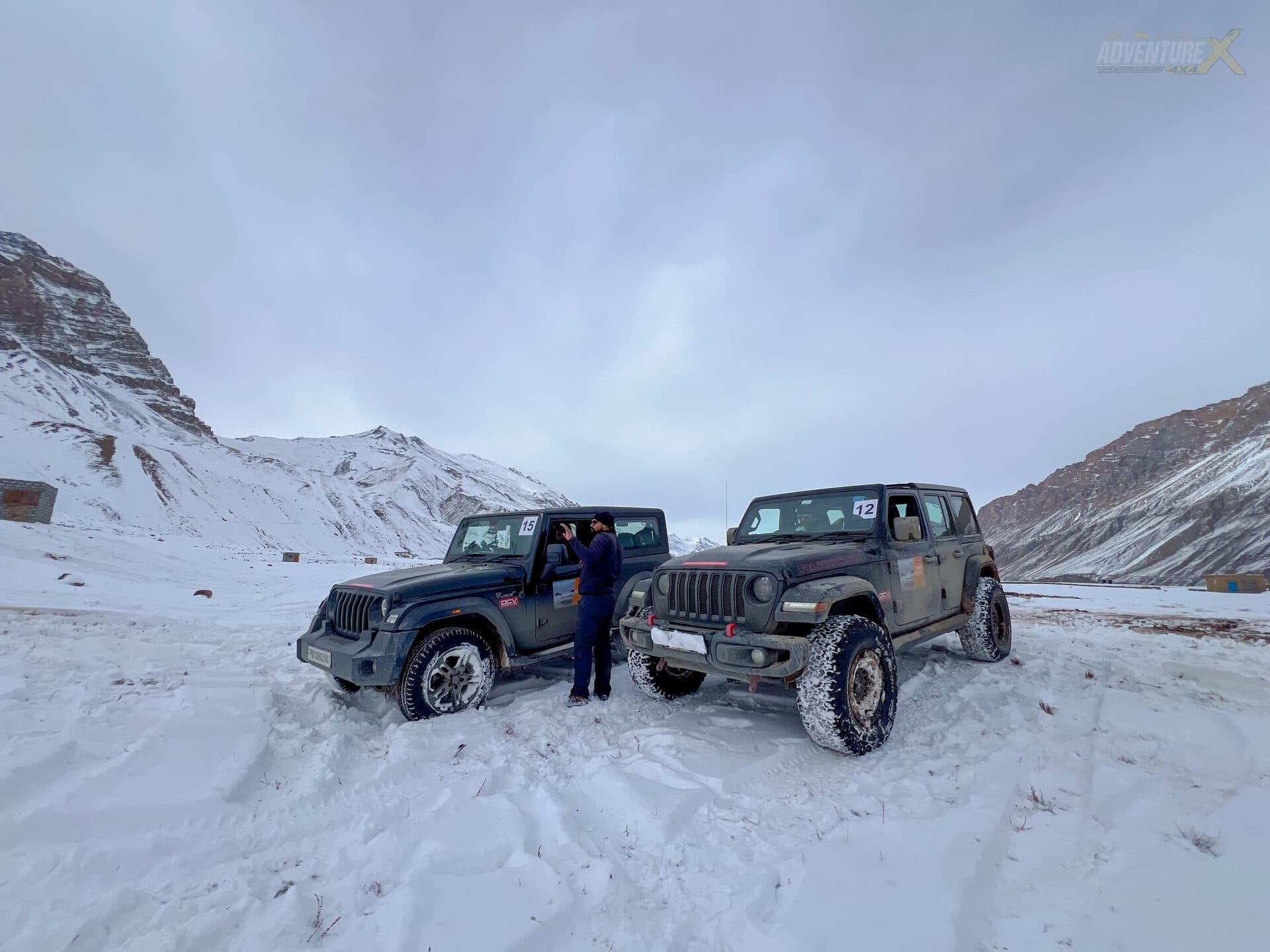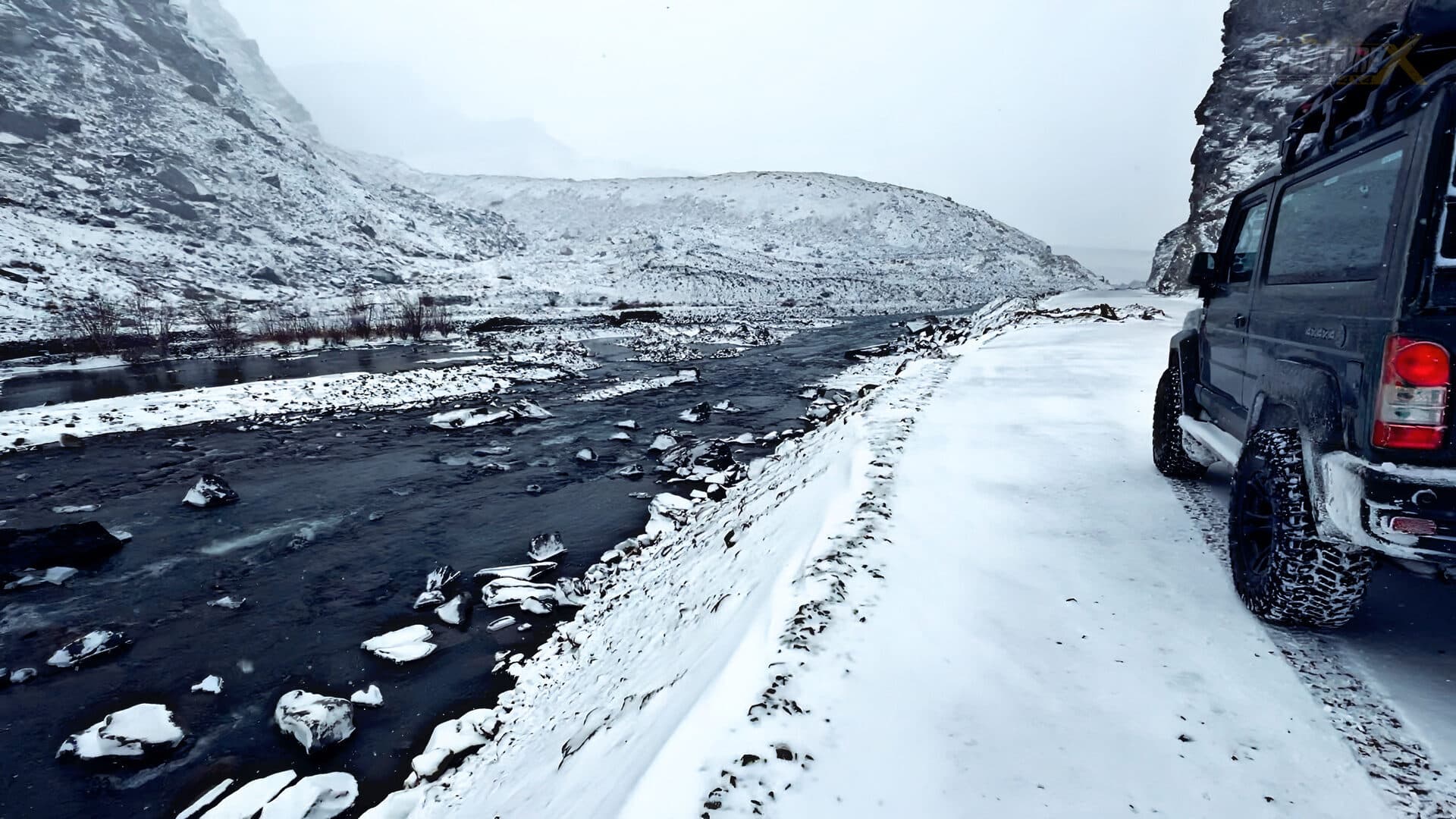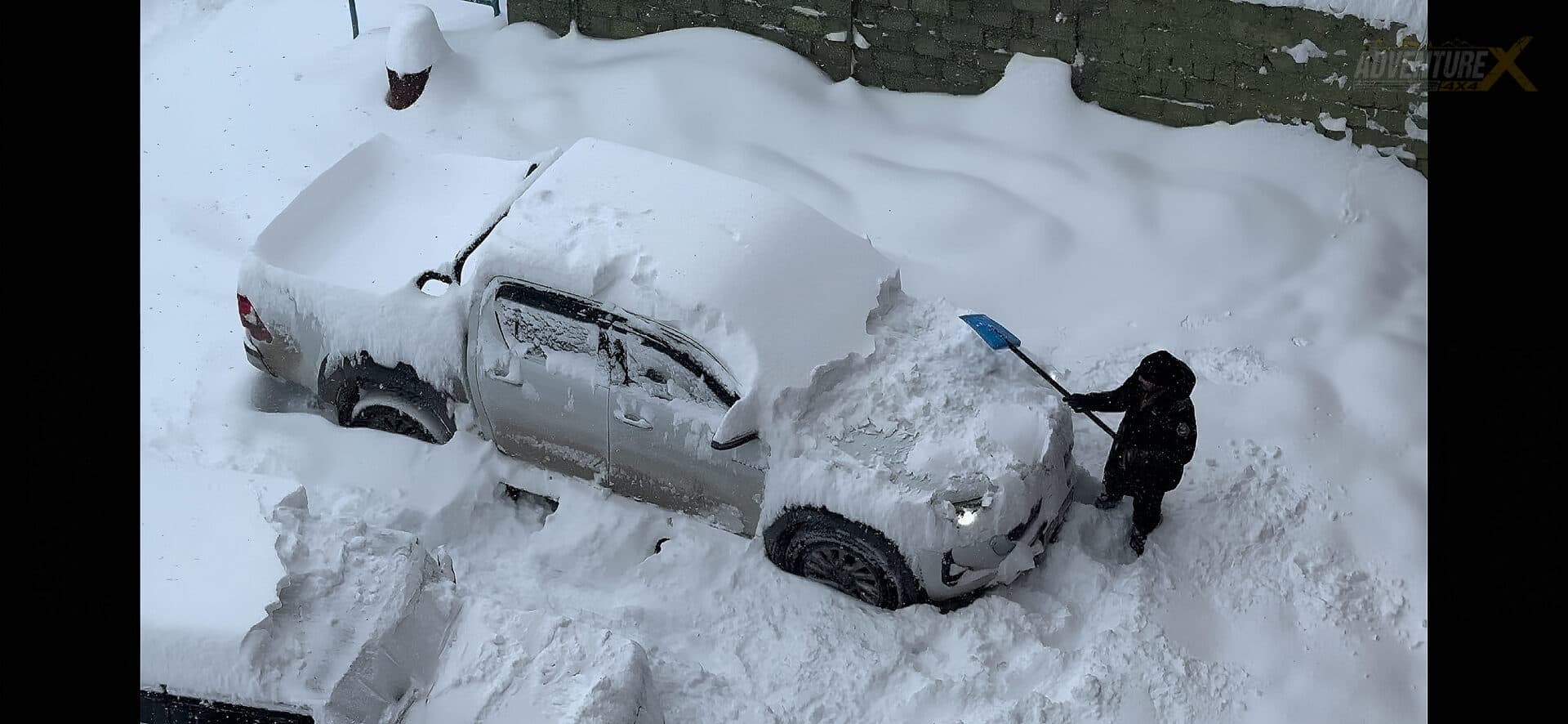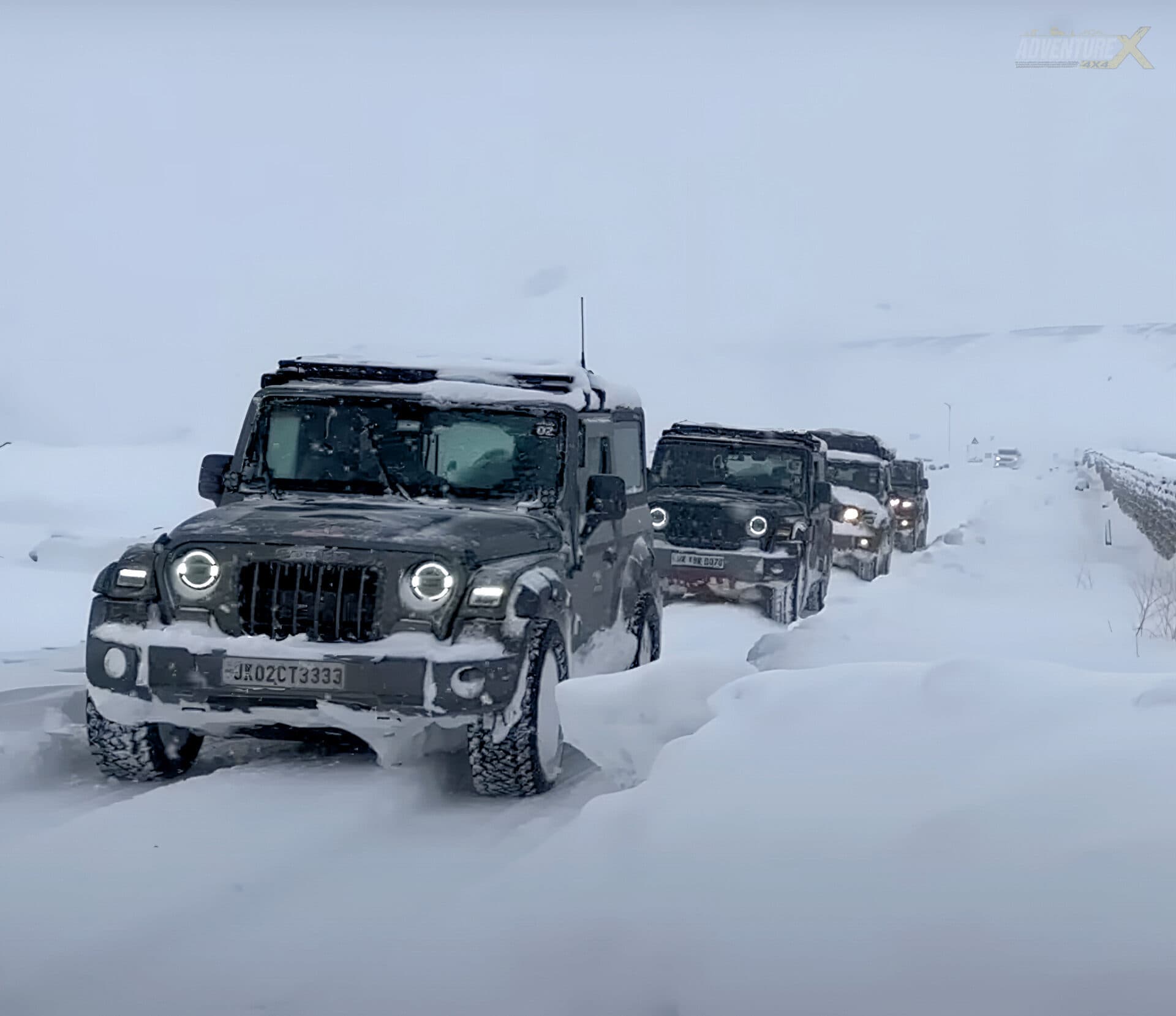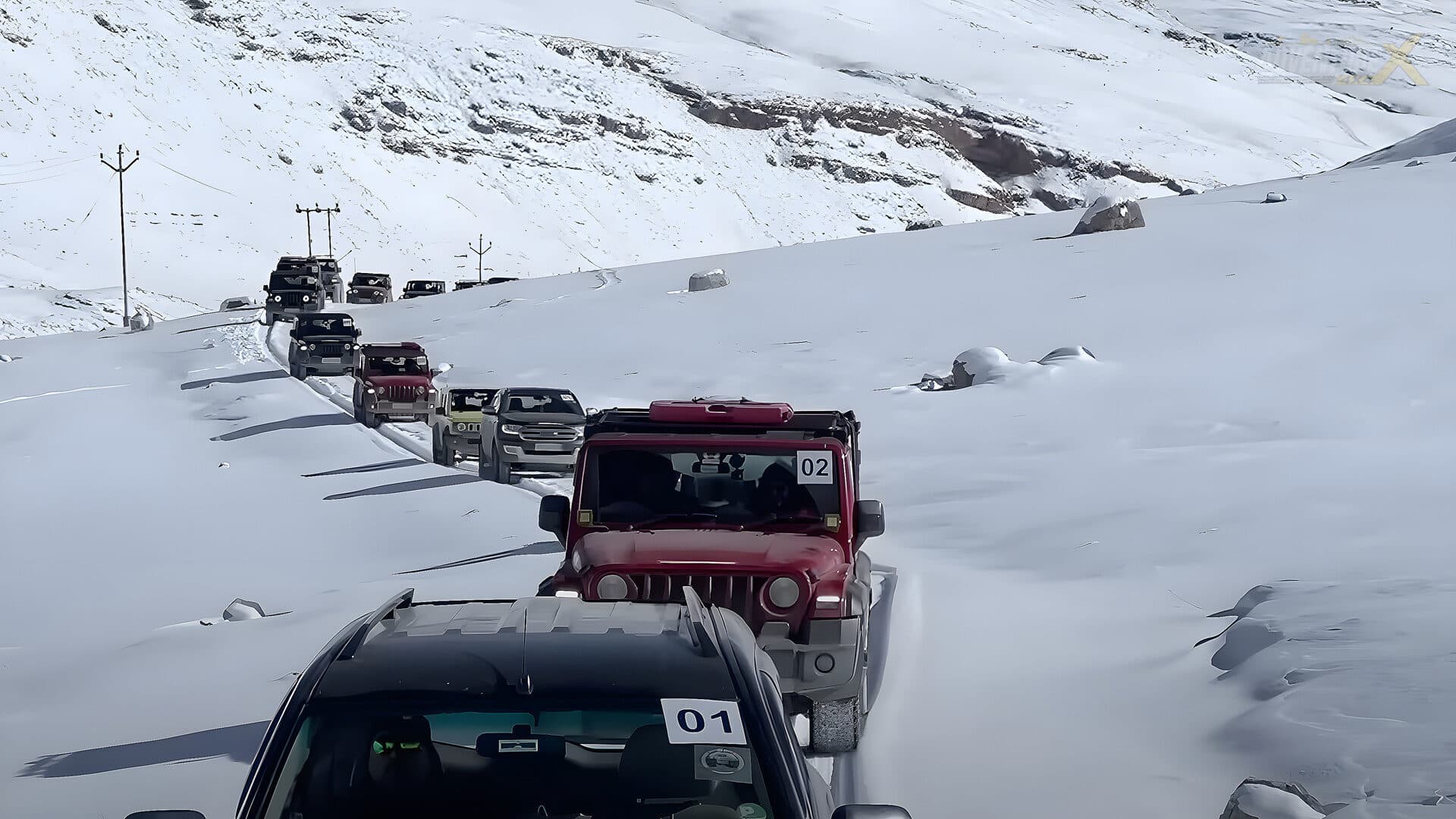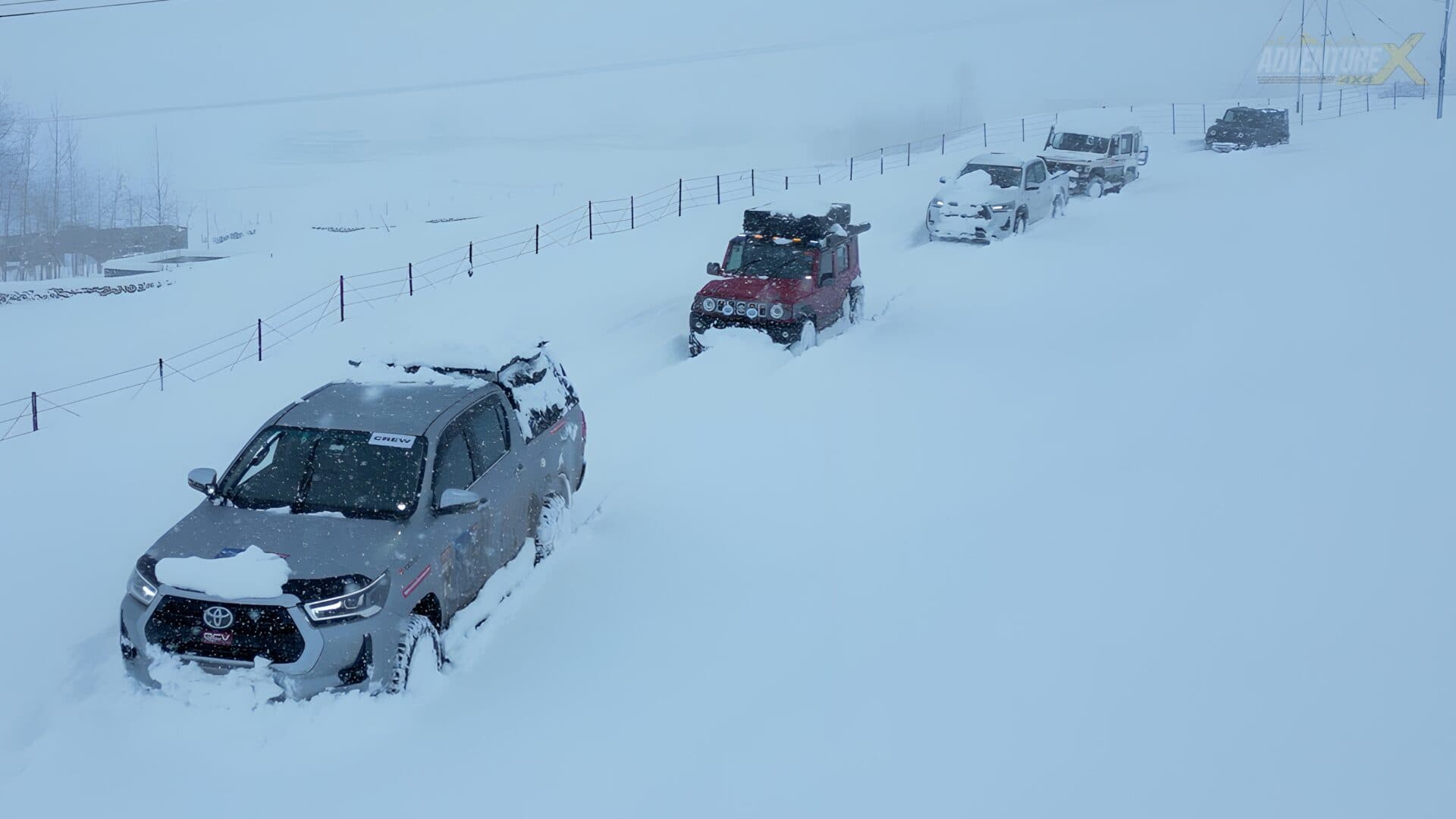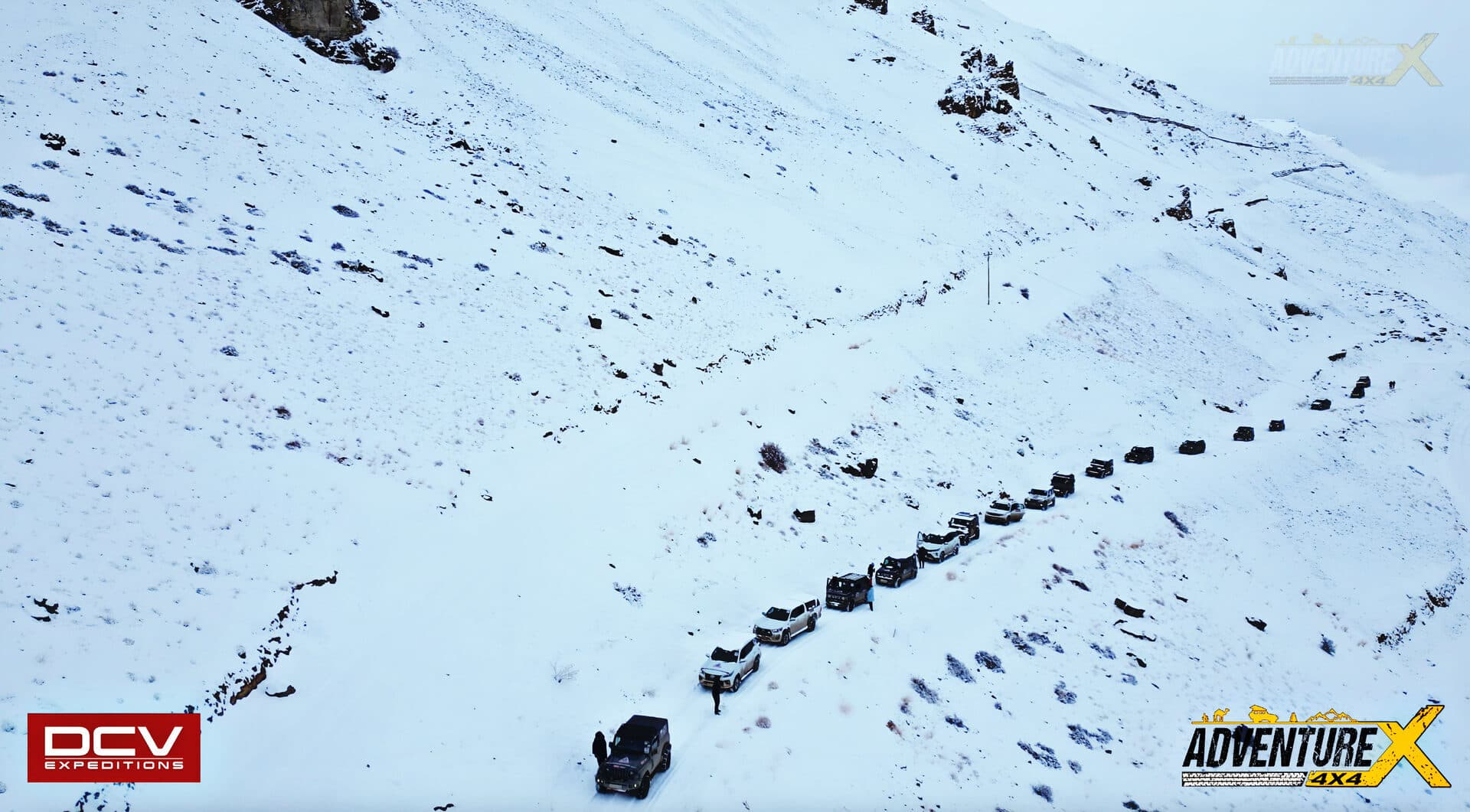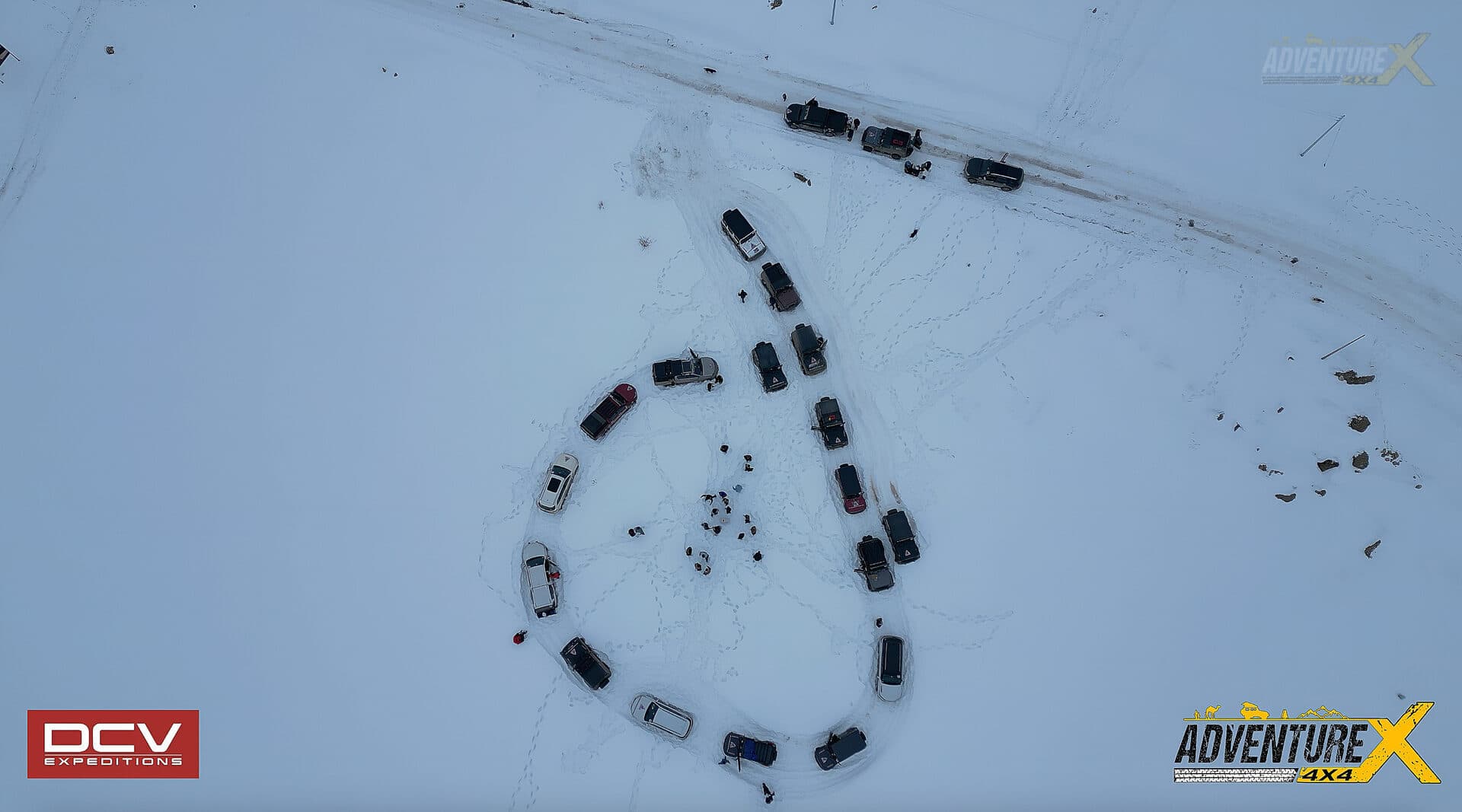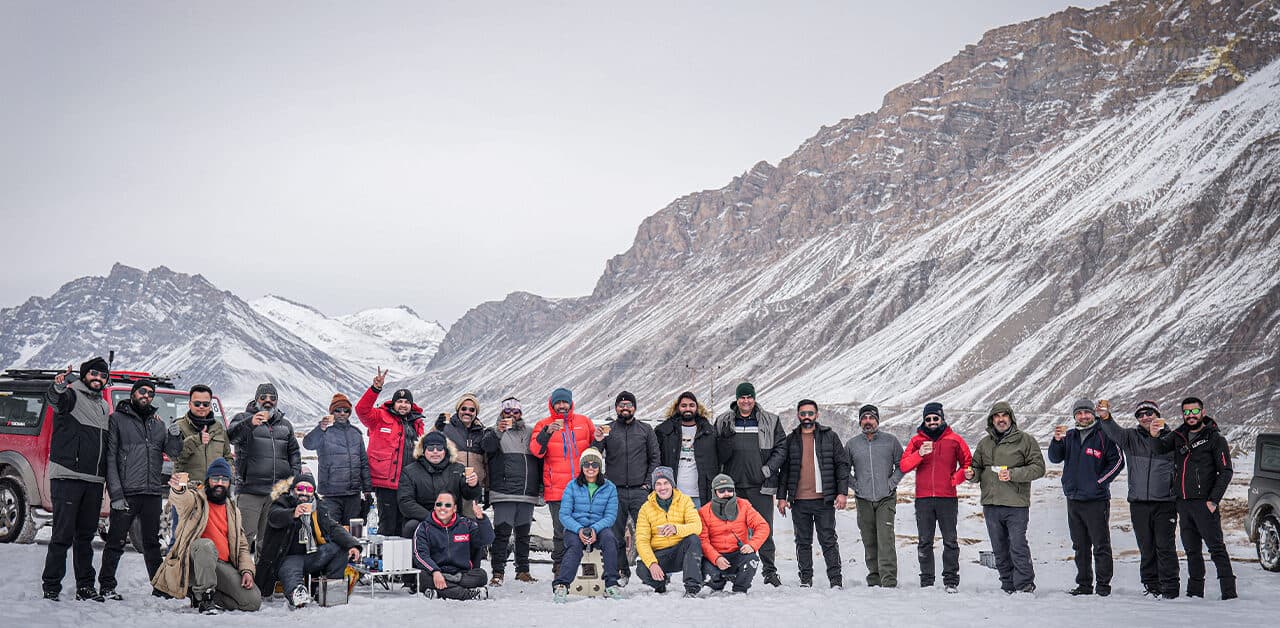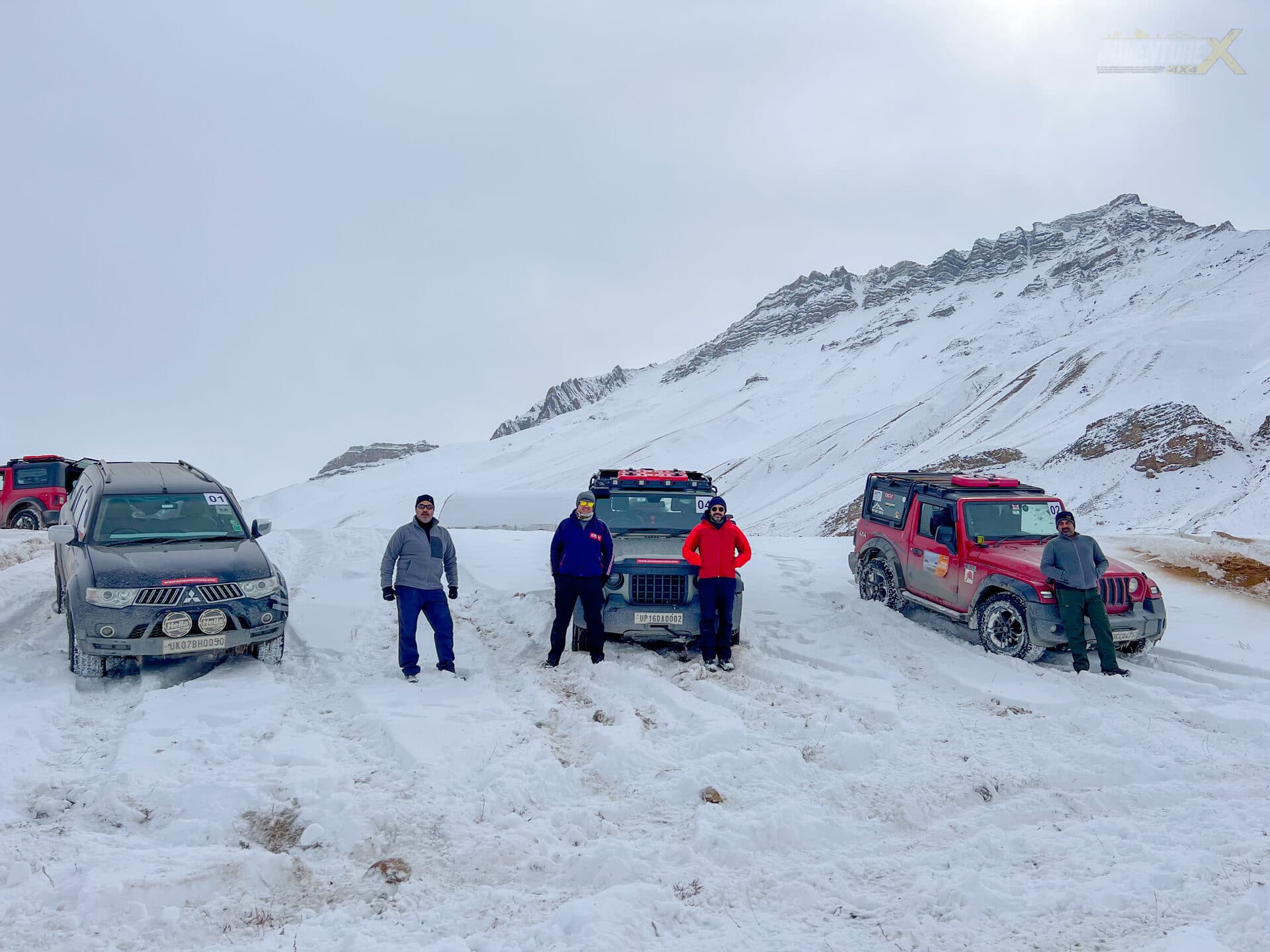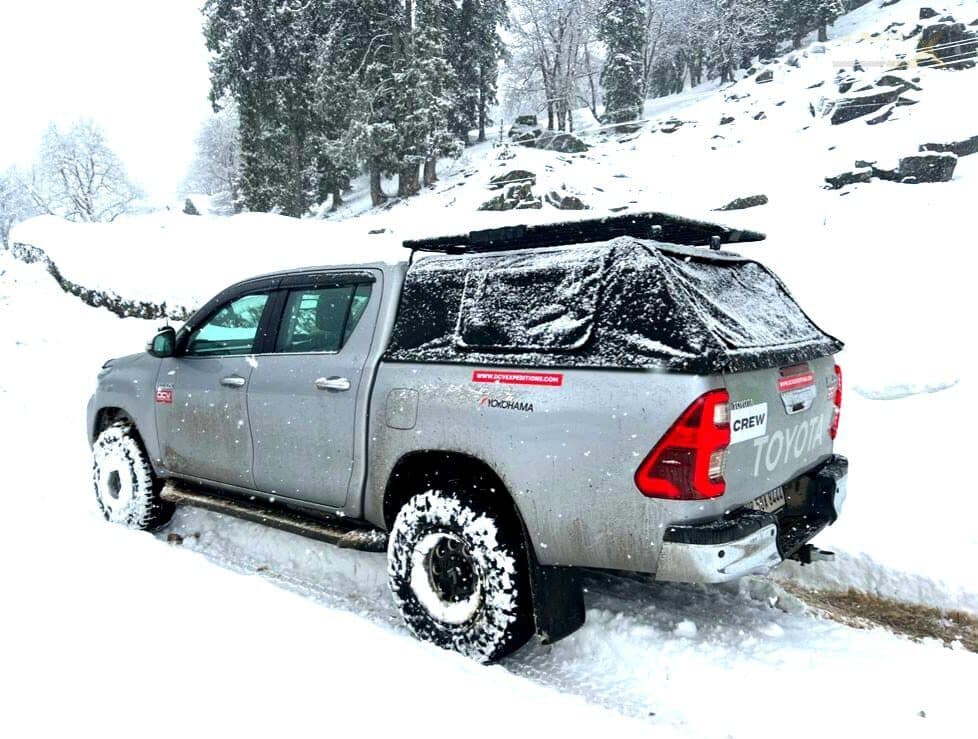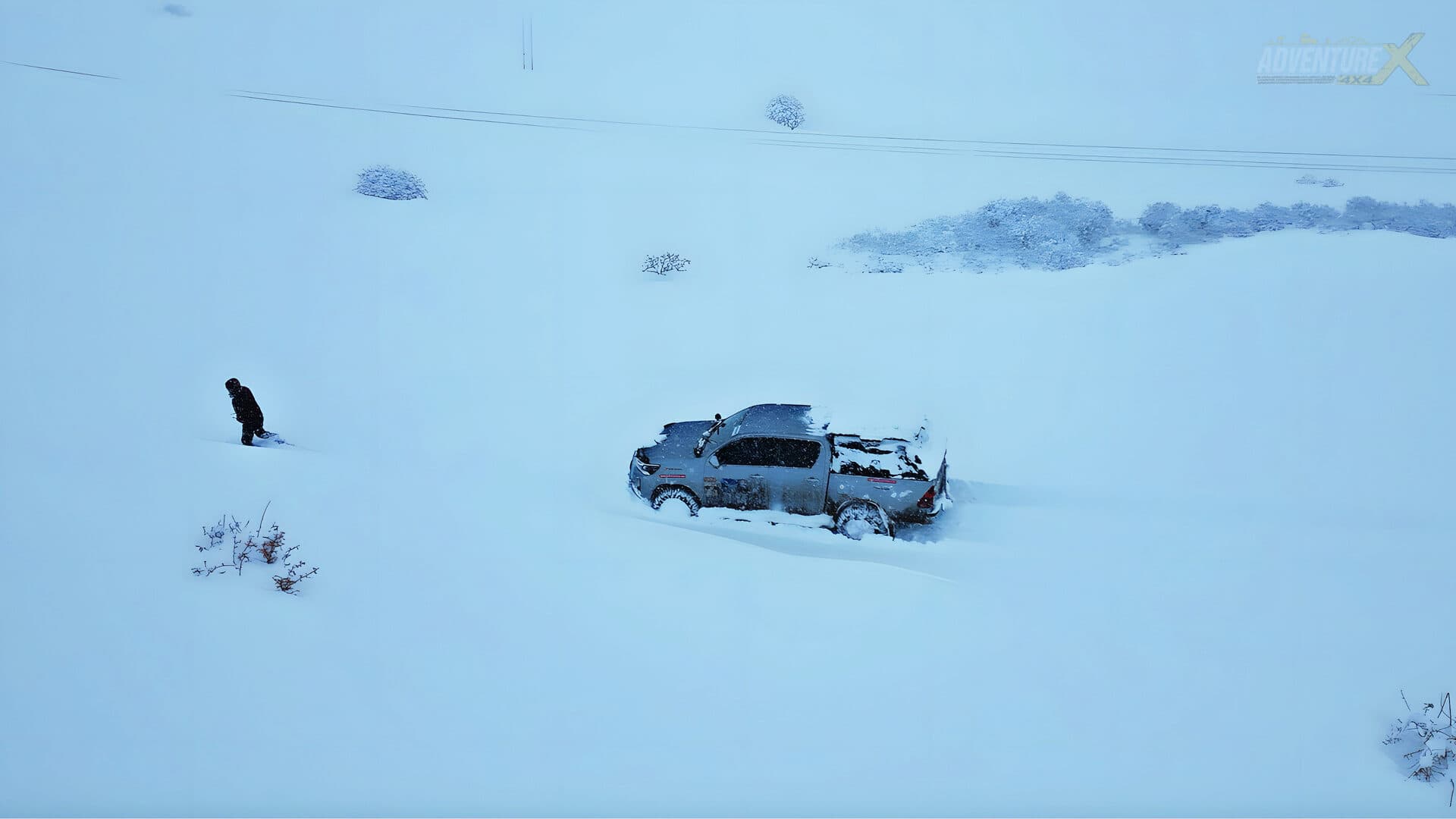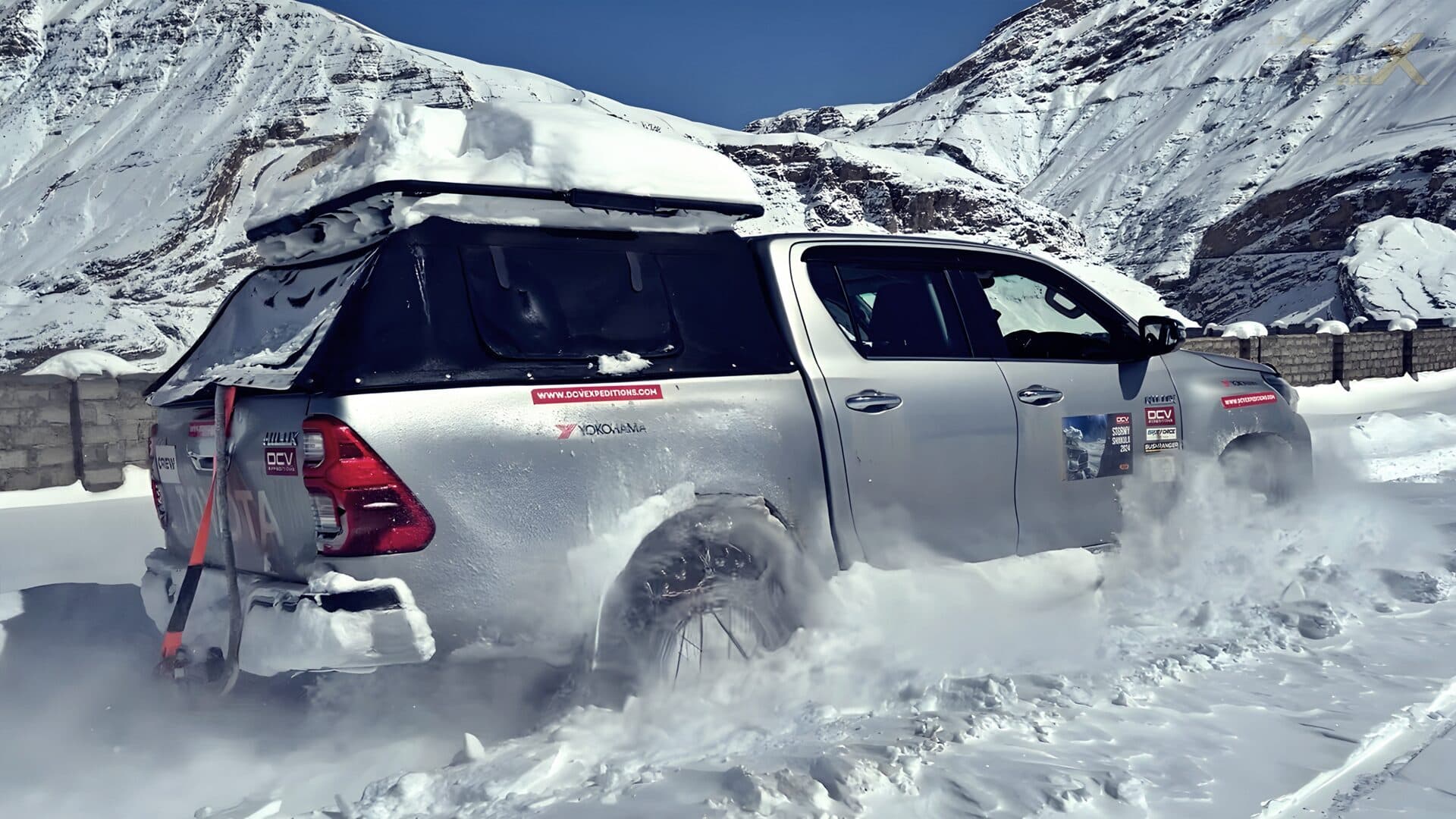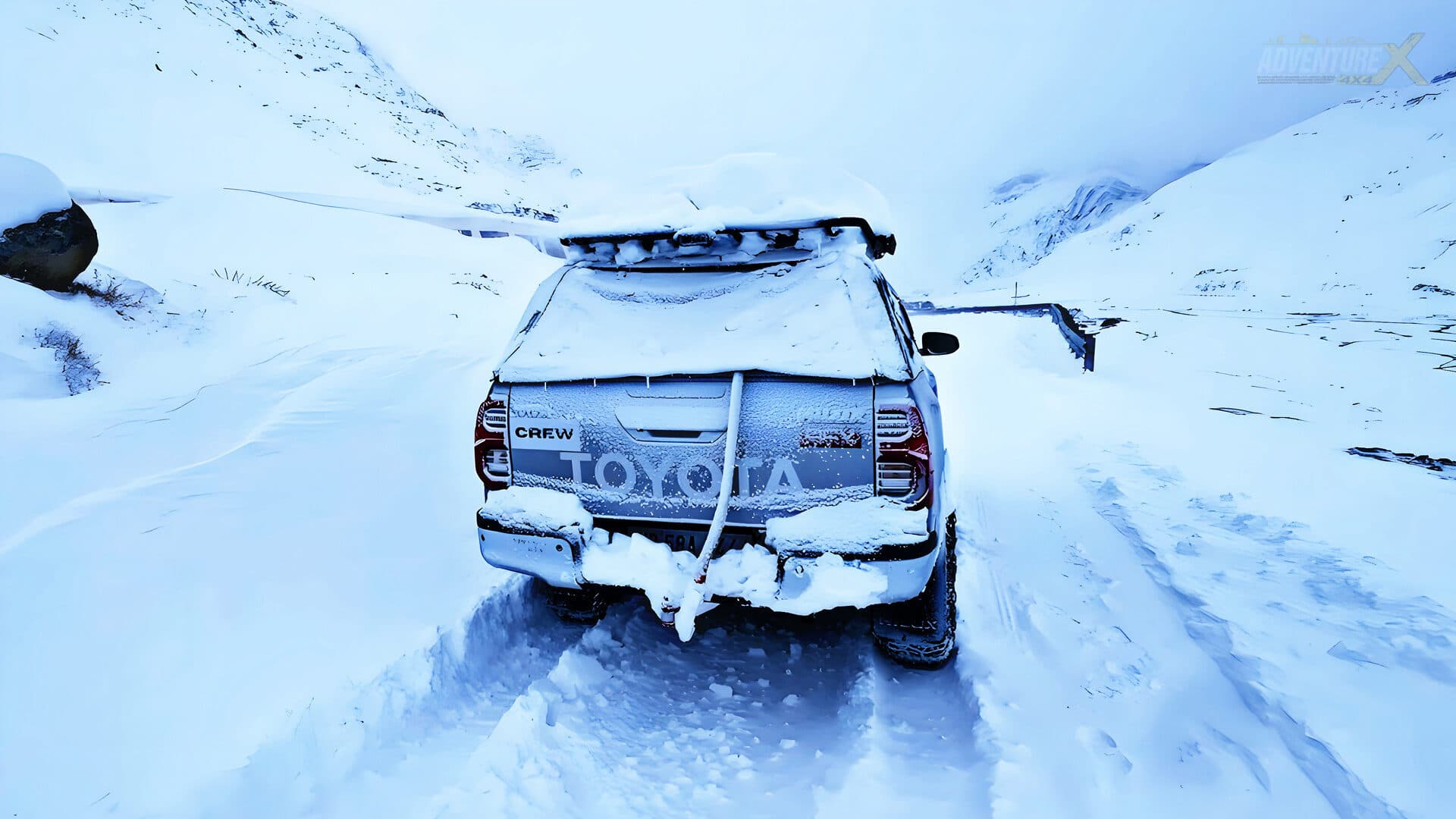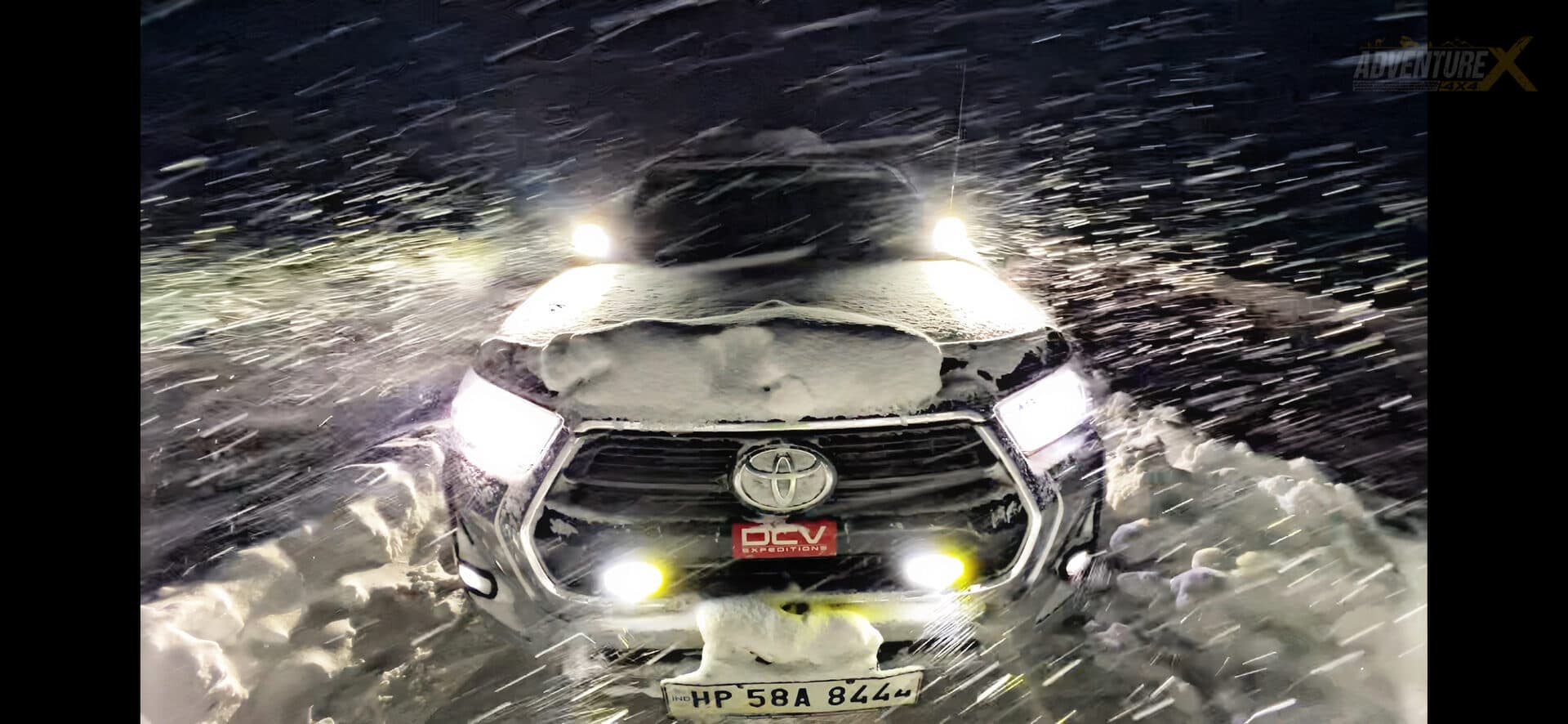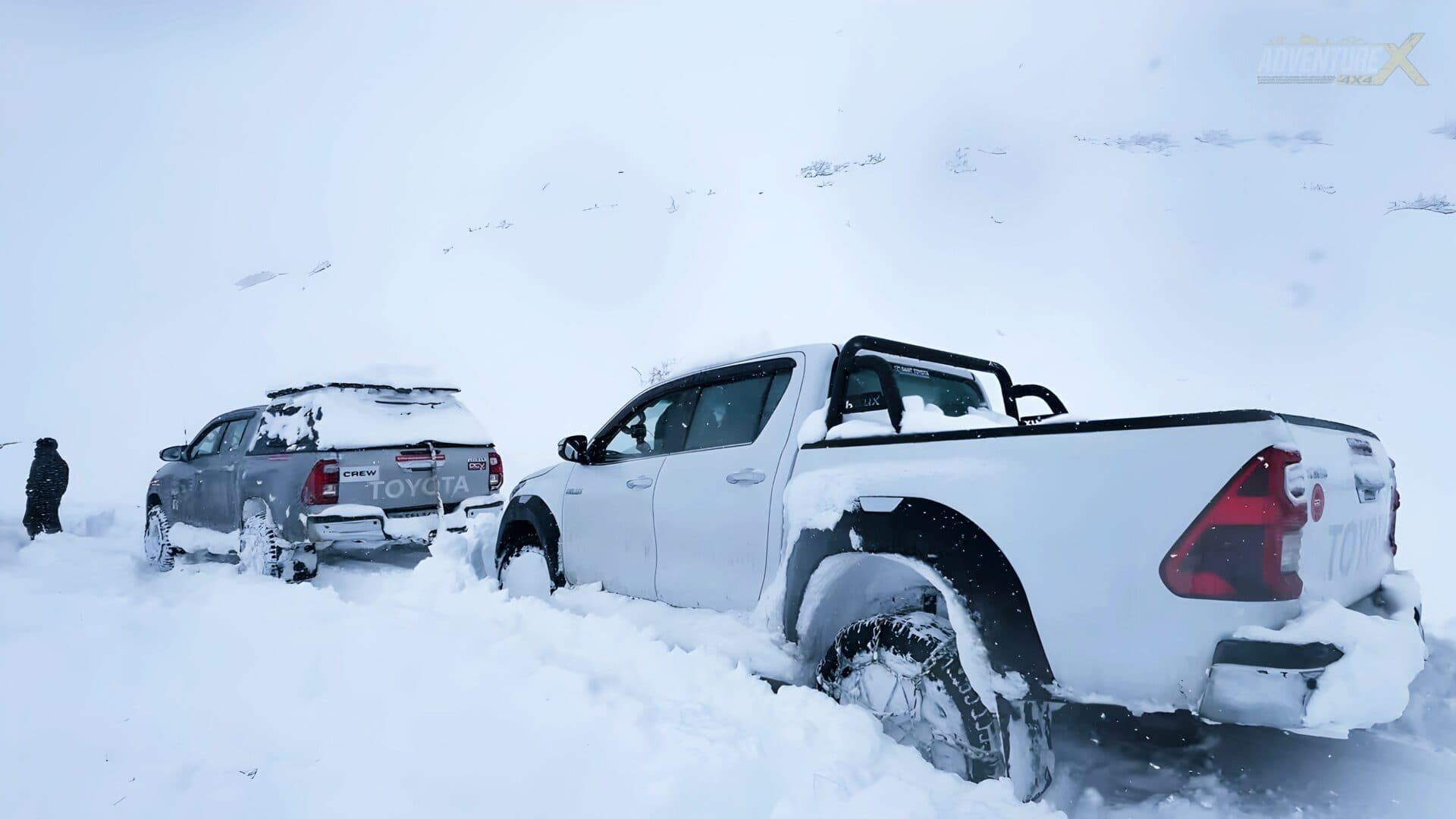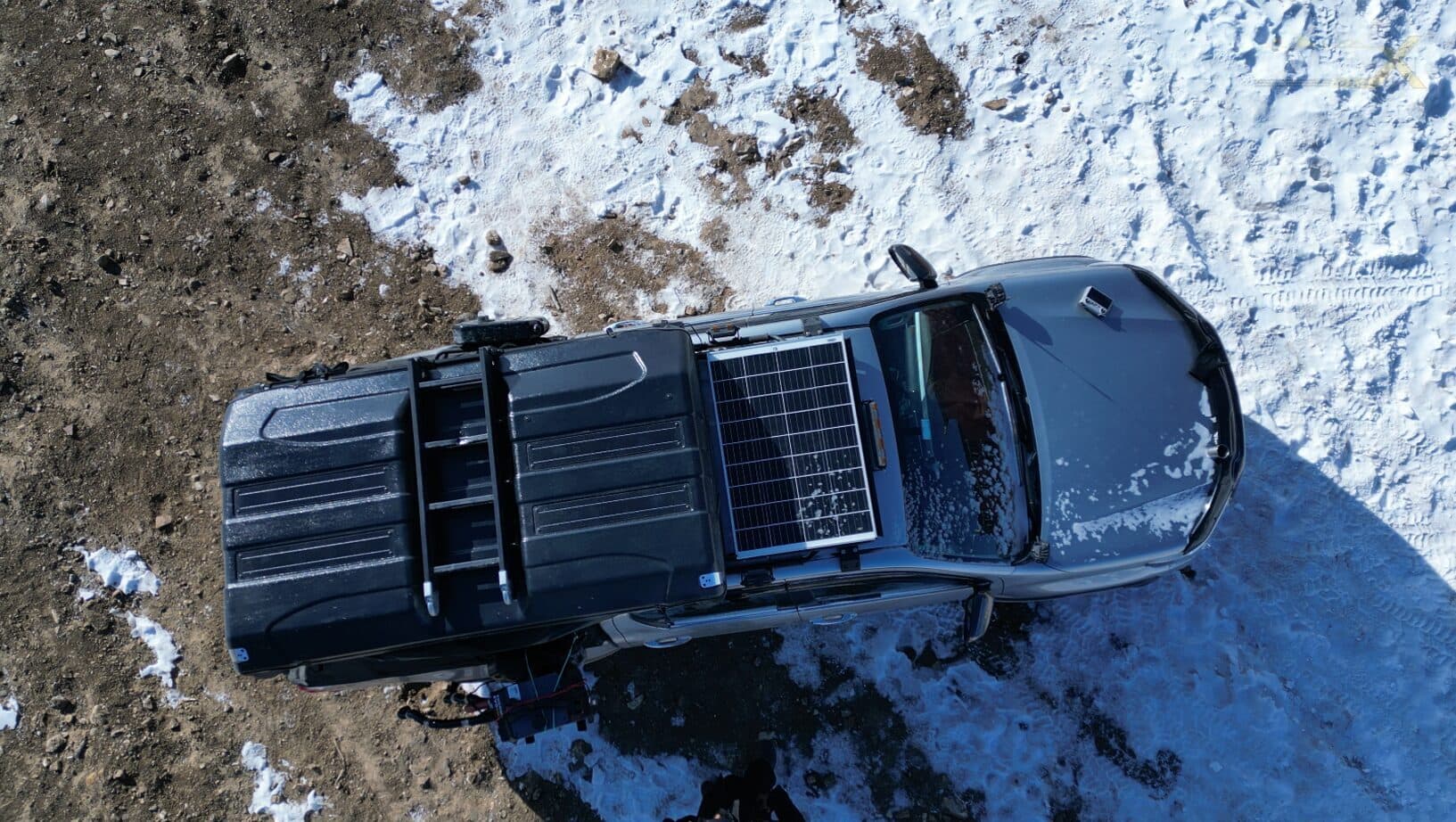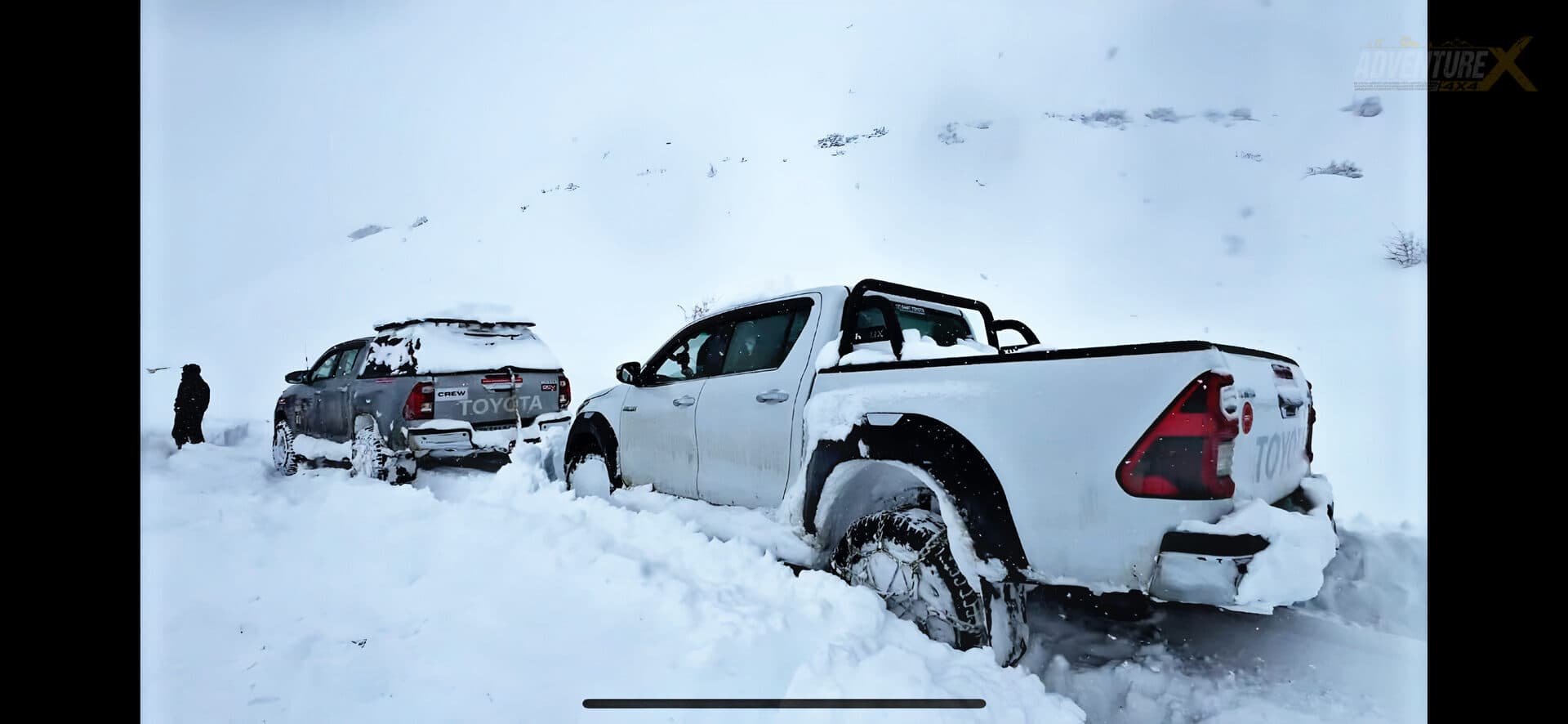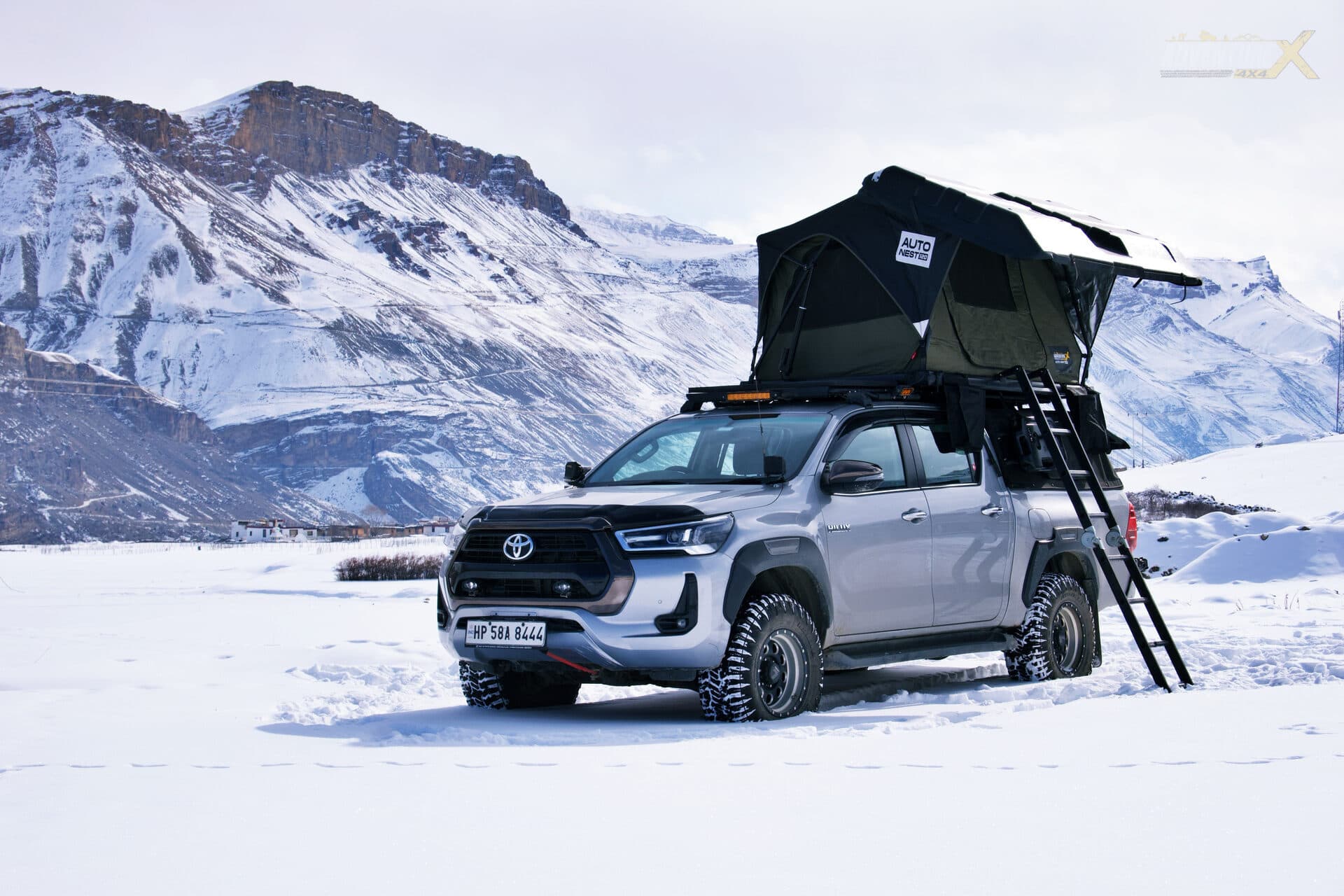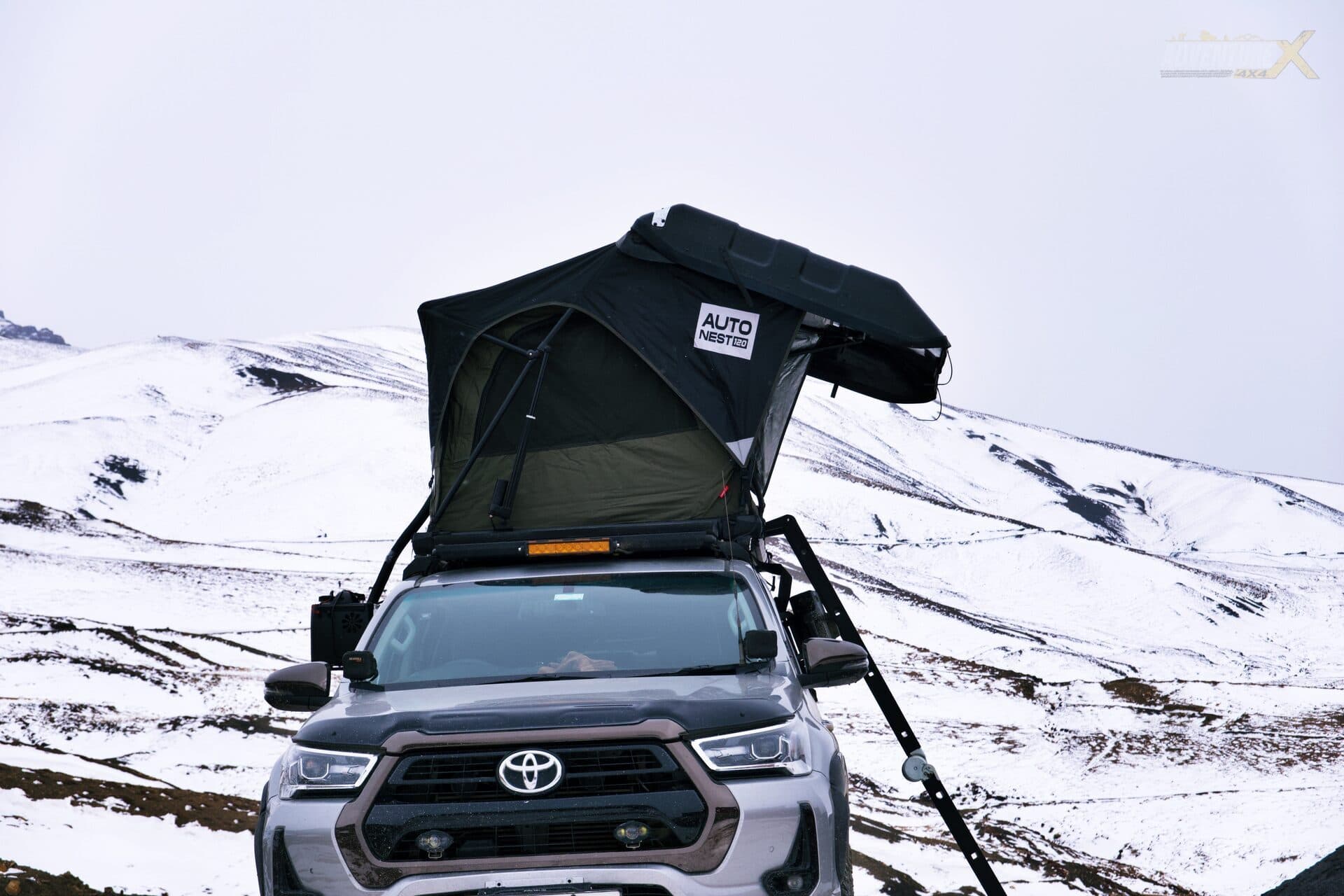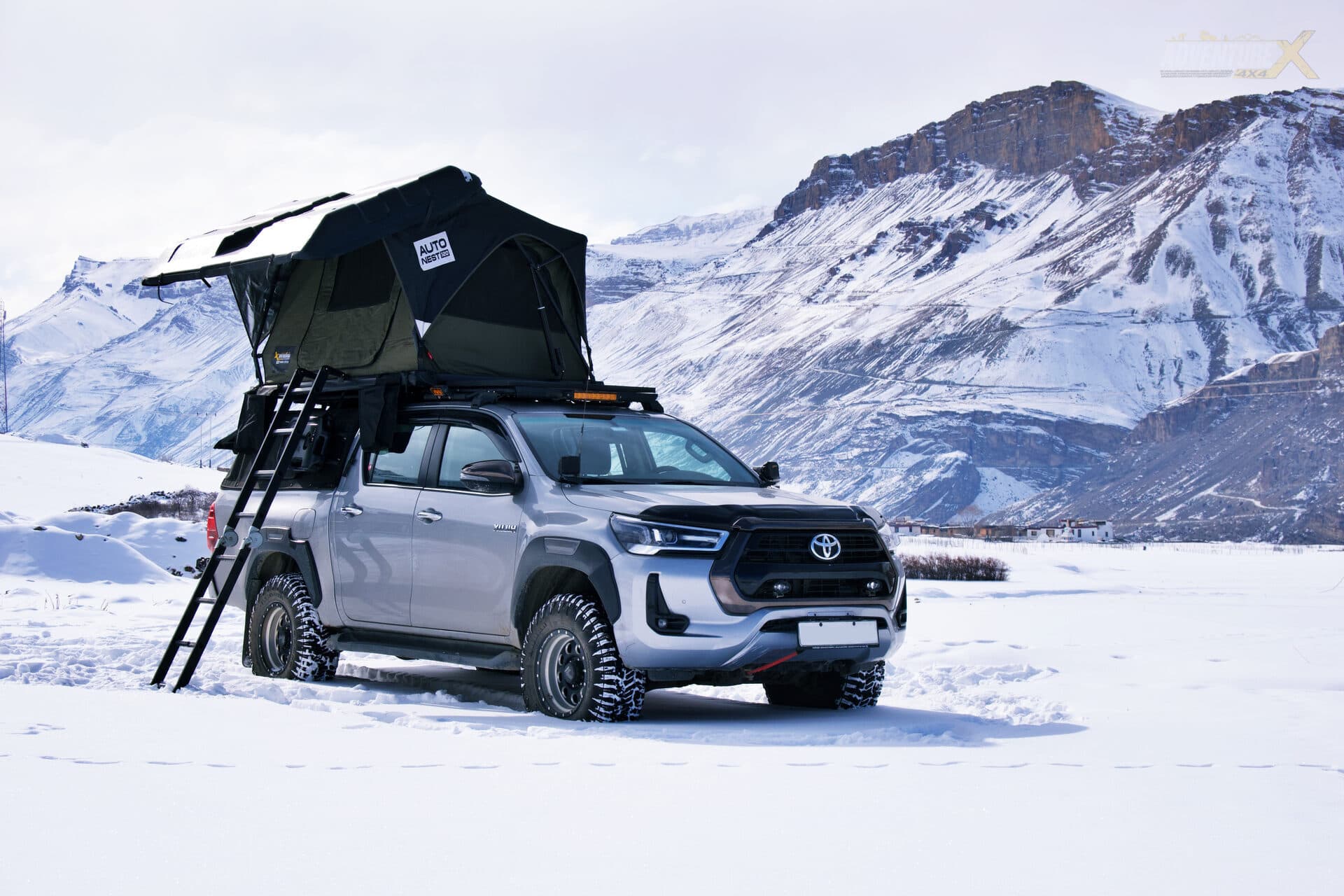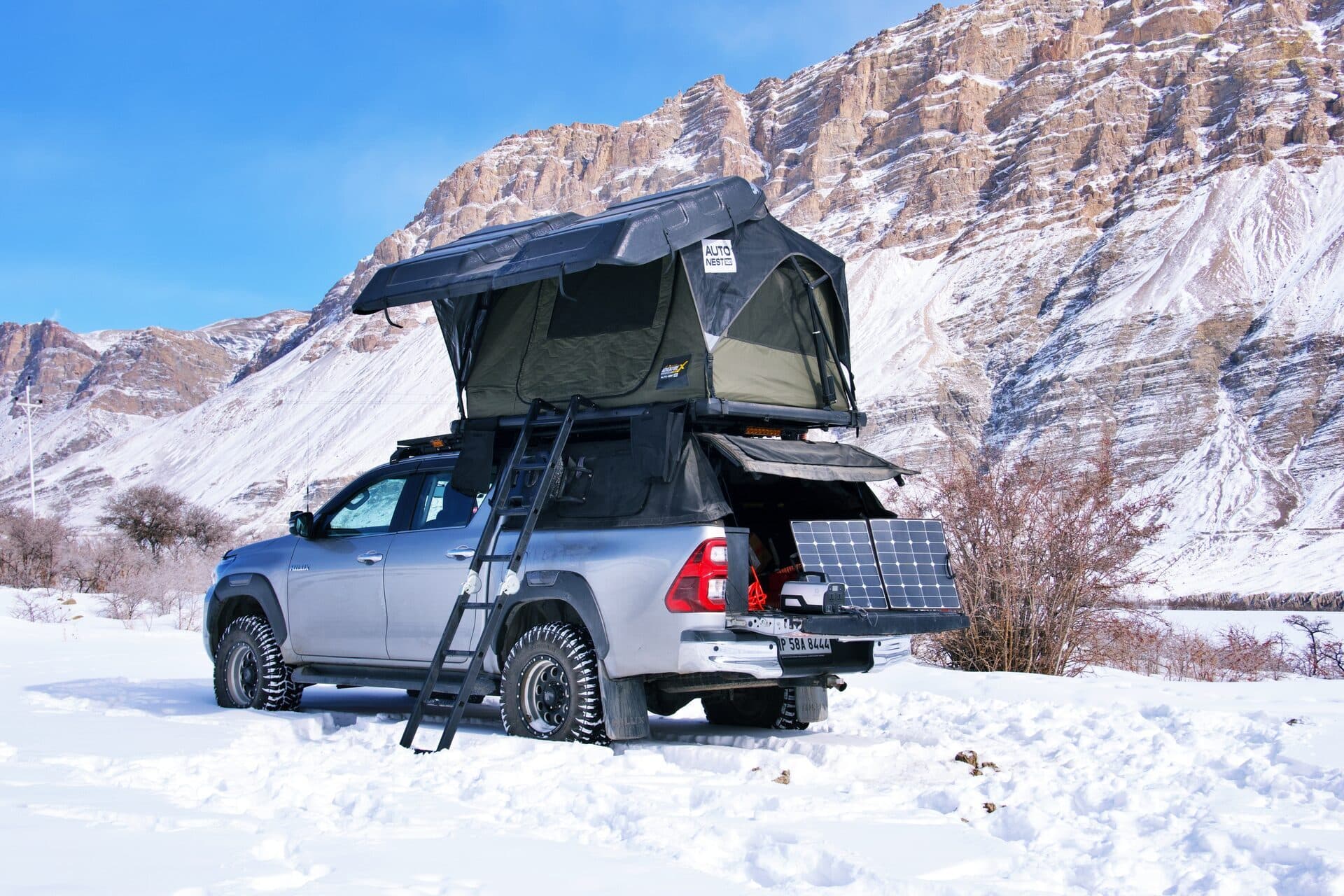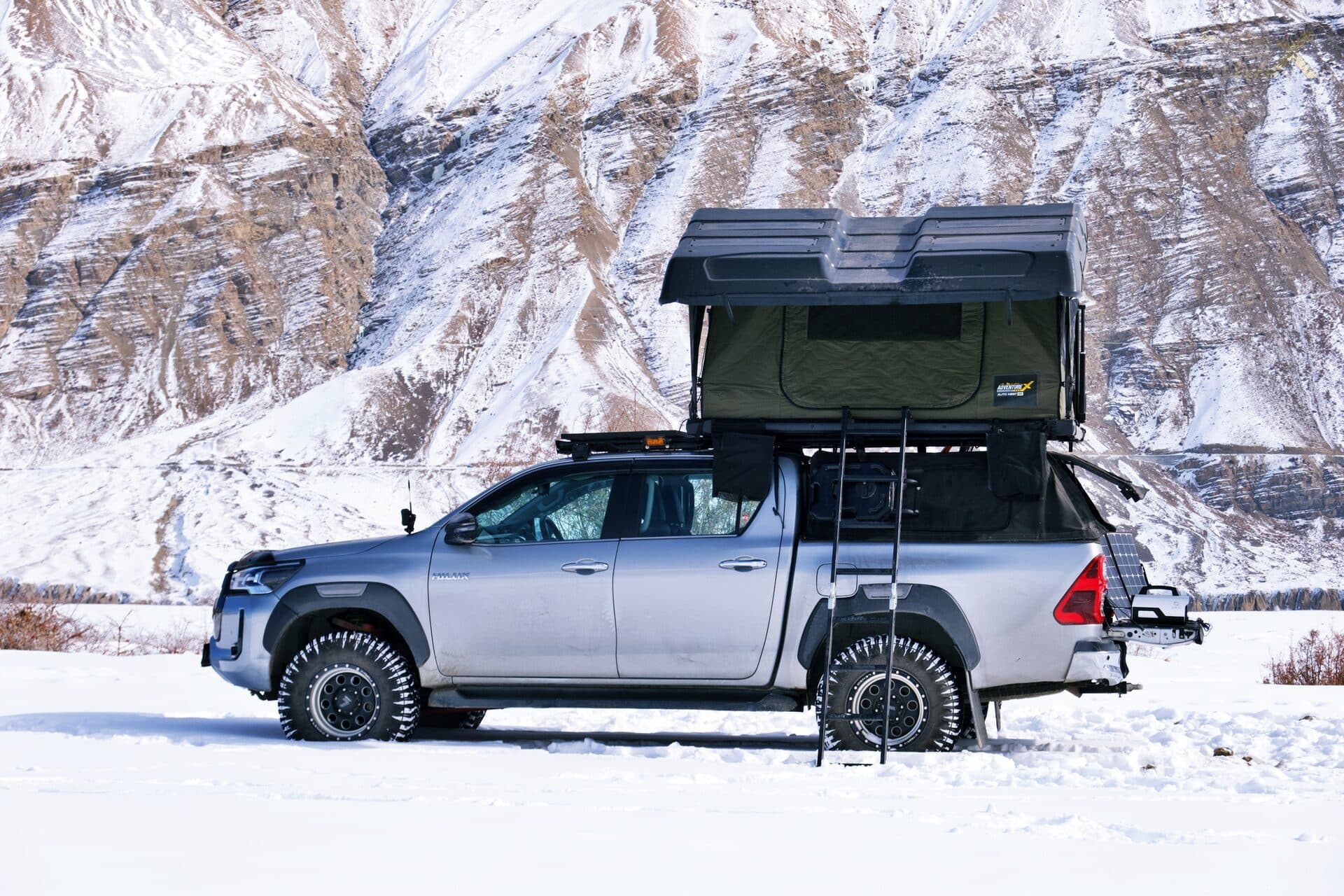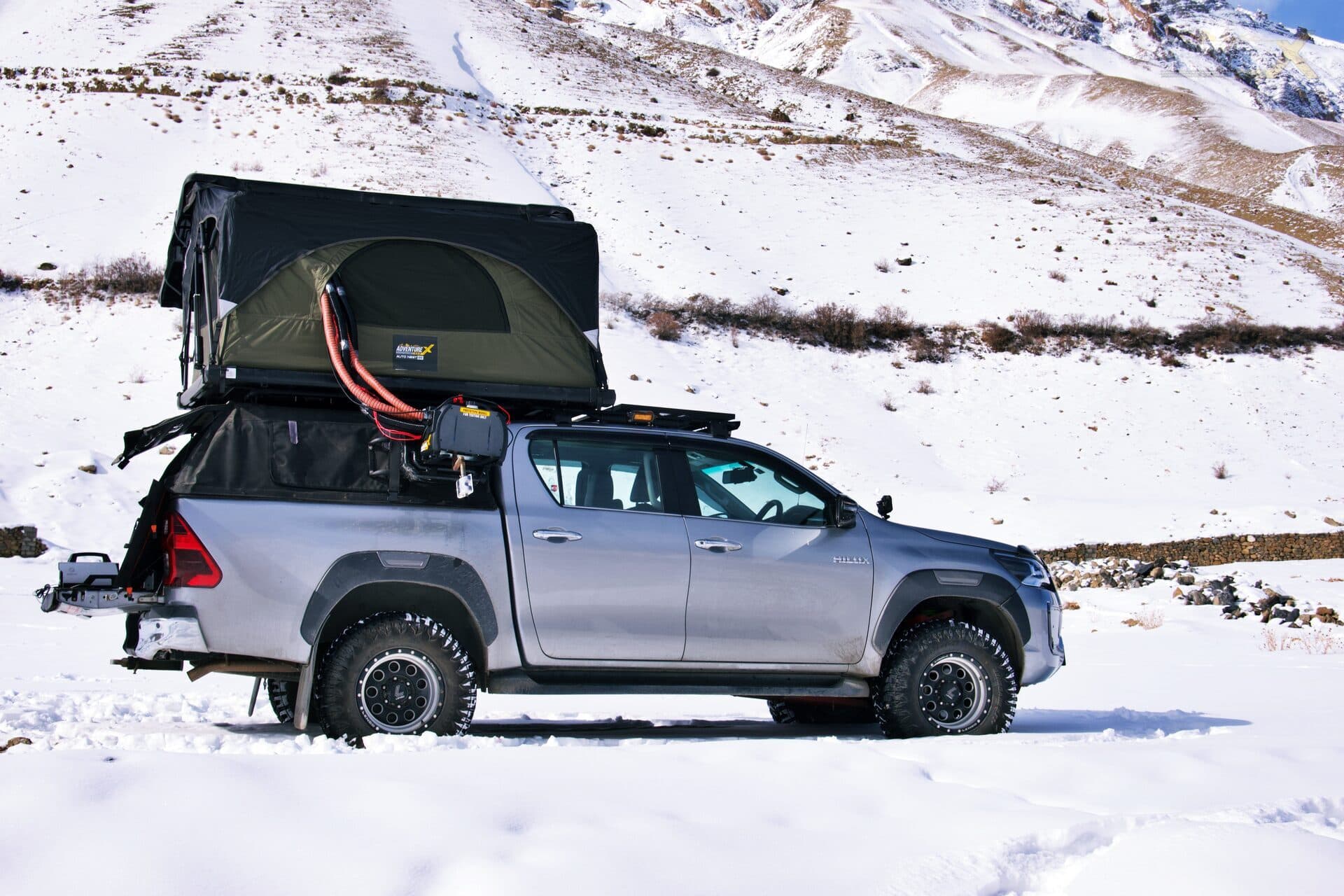
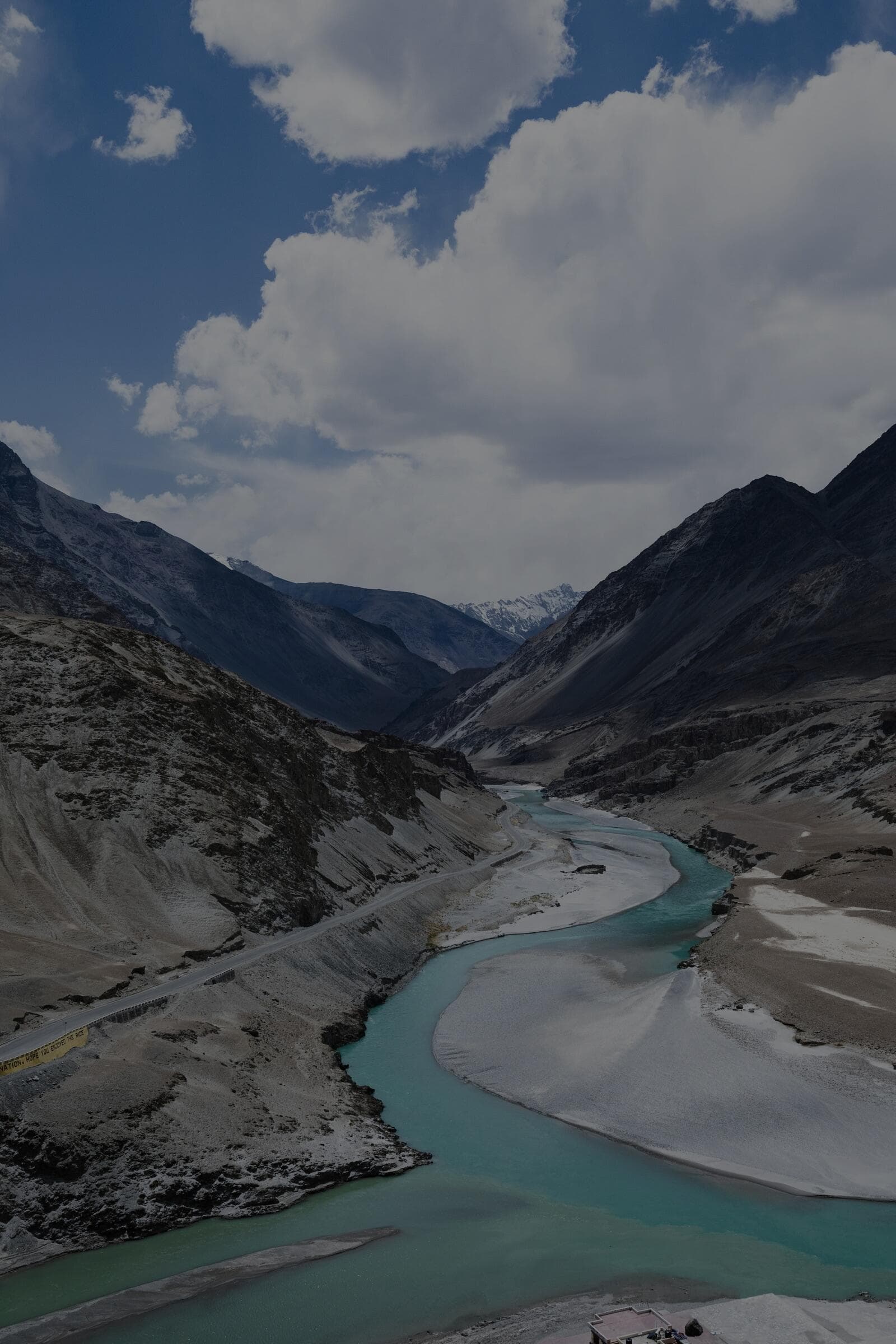
What a frozen Spiti expedition actually is
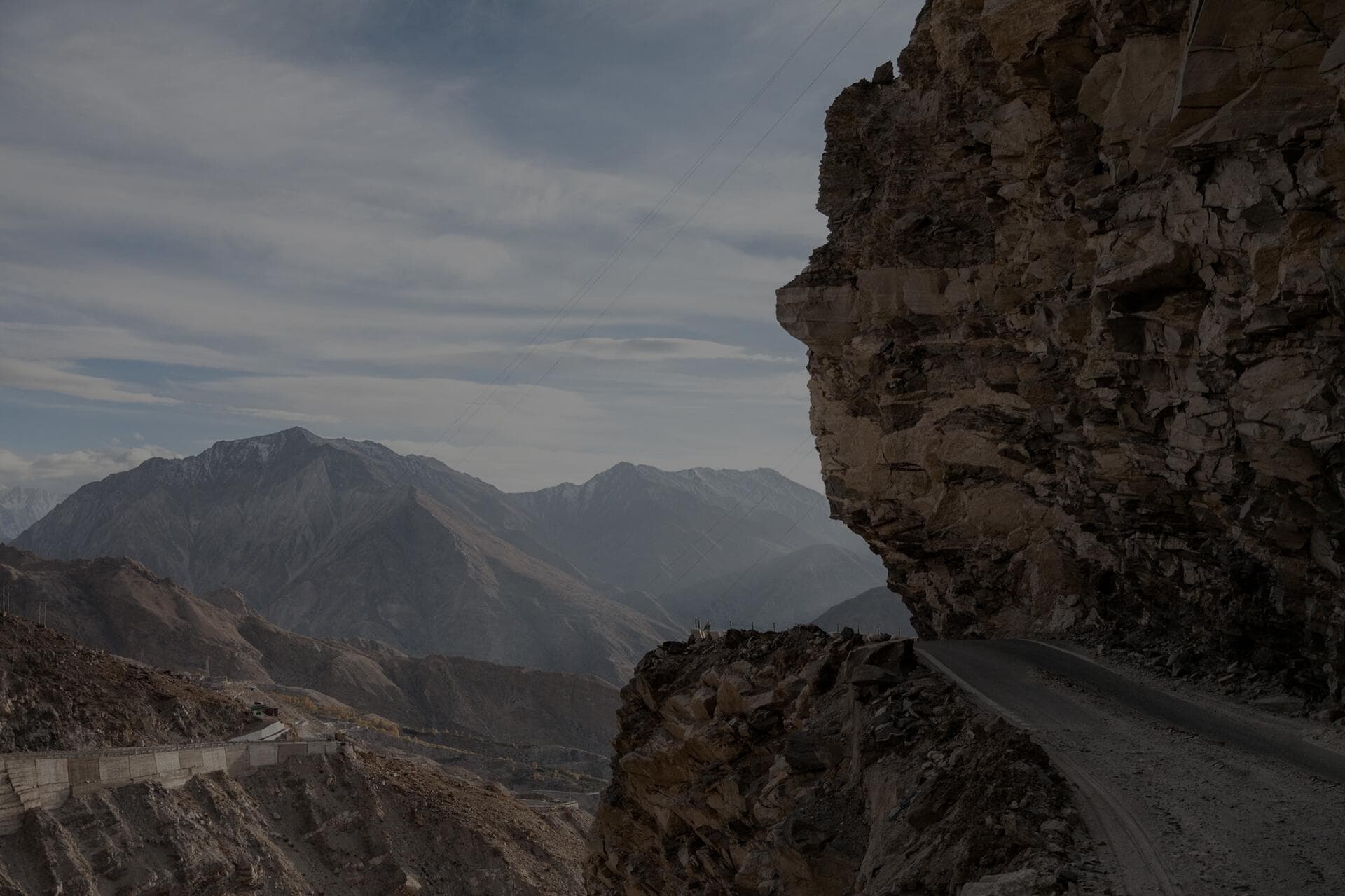
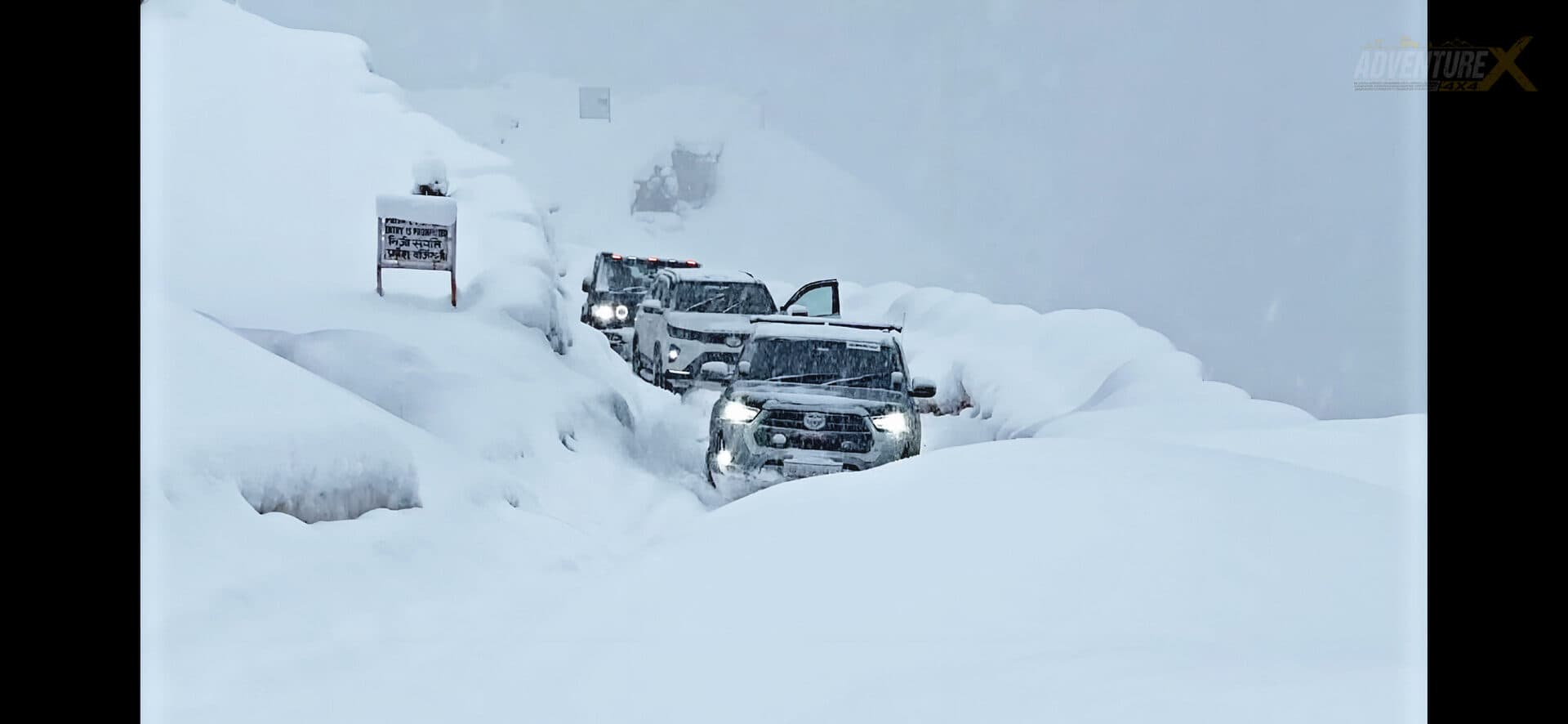
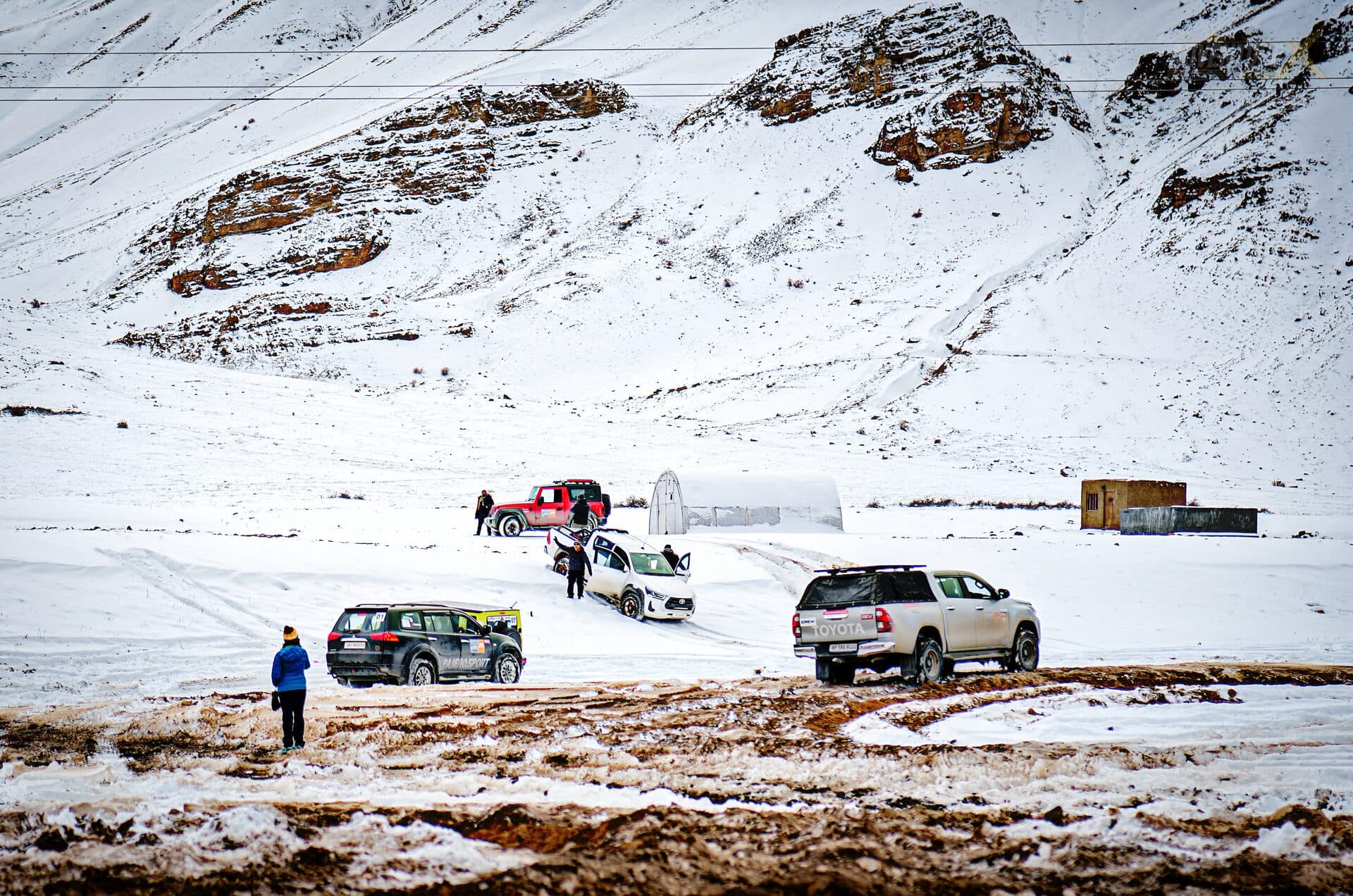
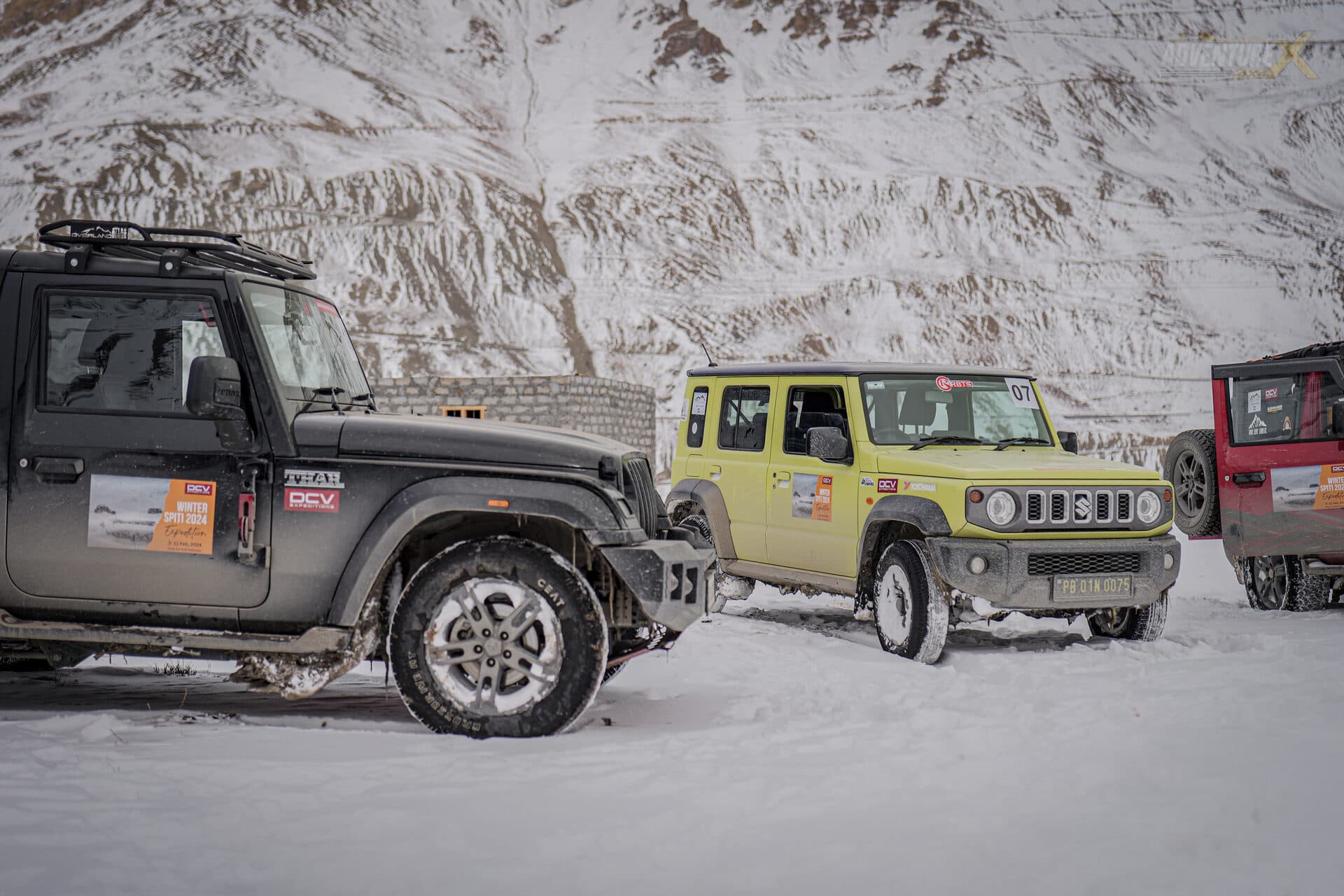
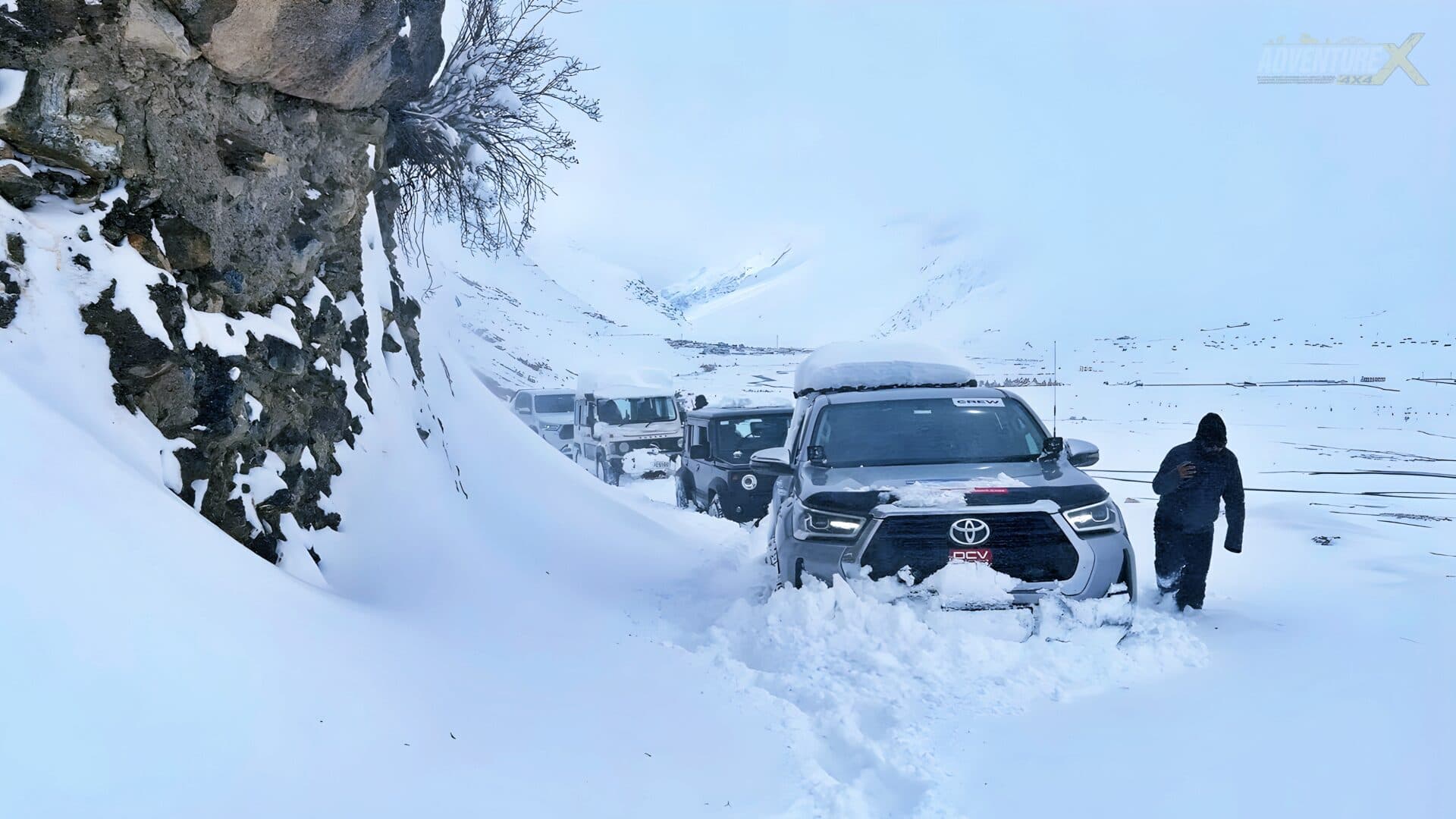
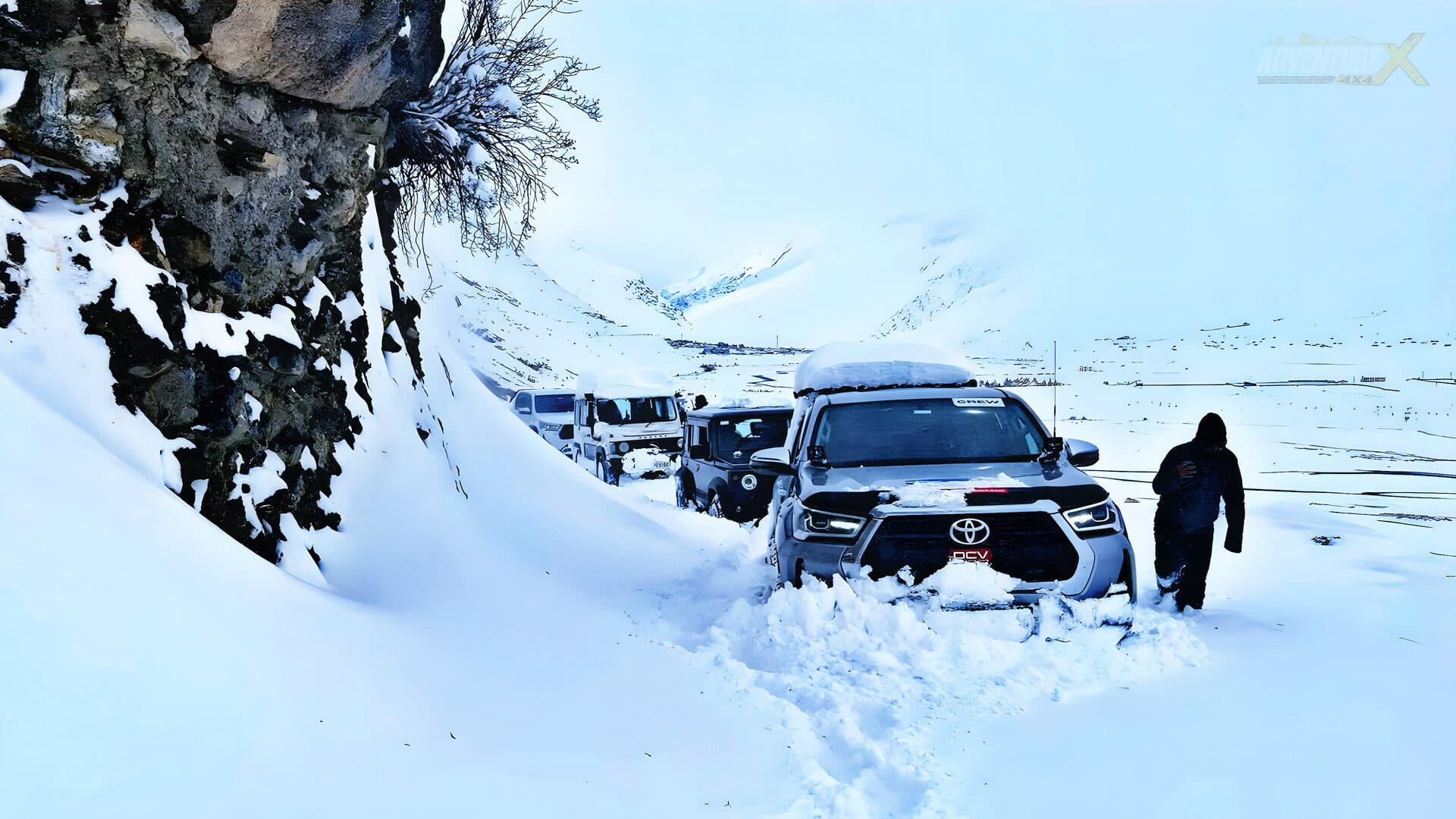
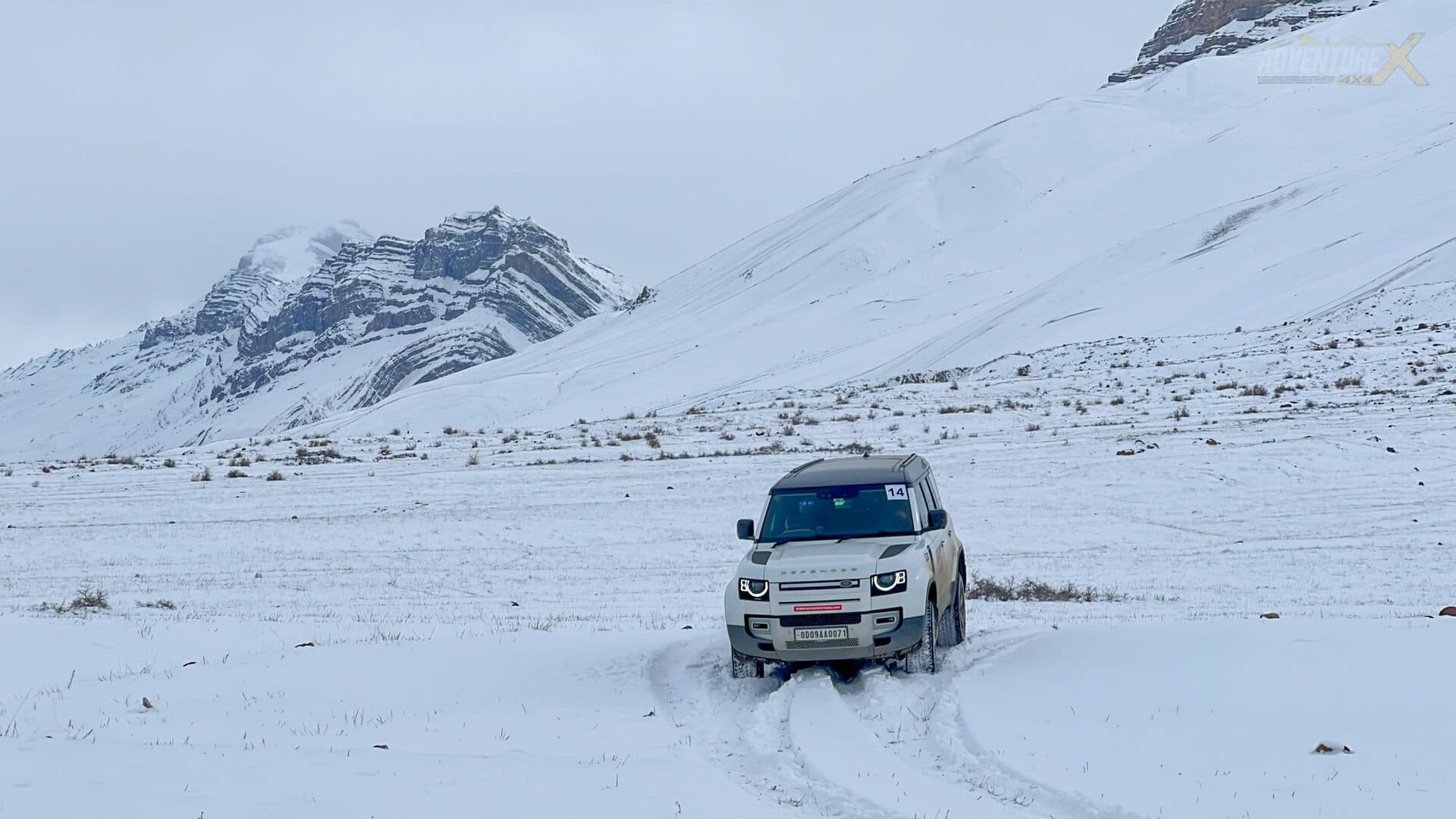
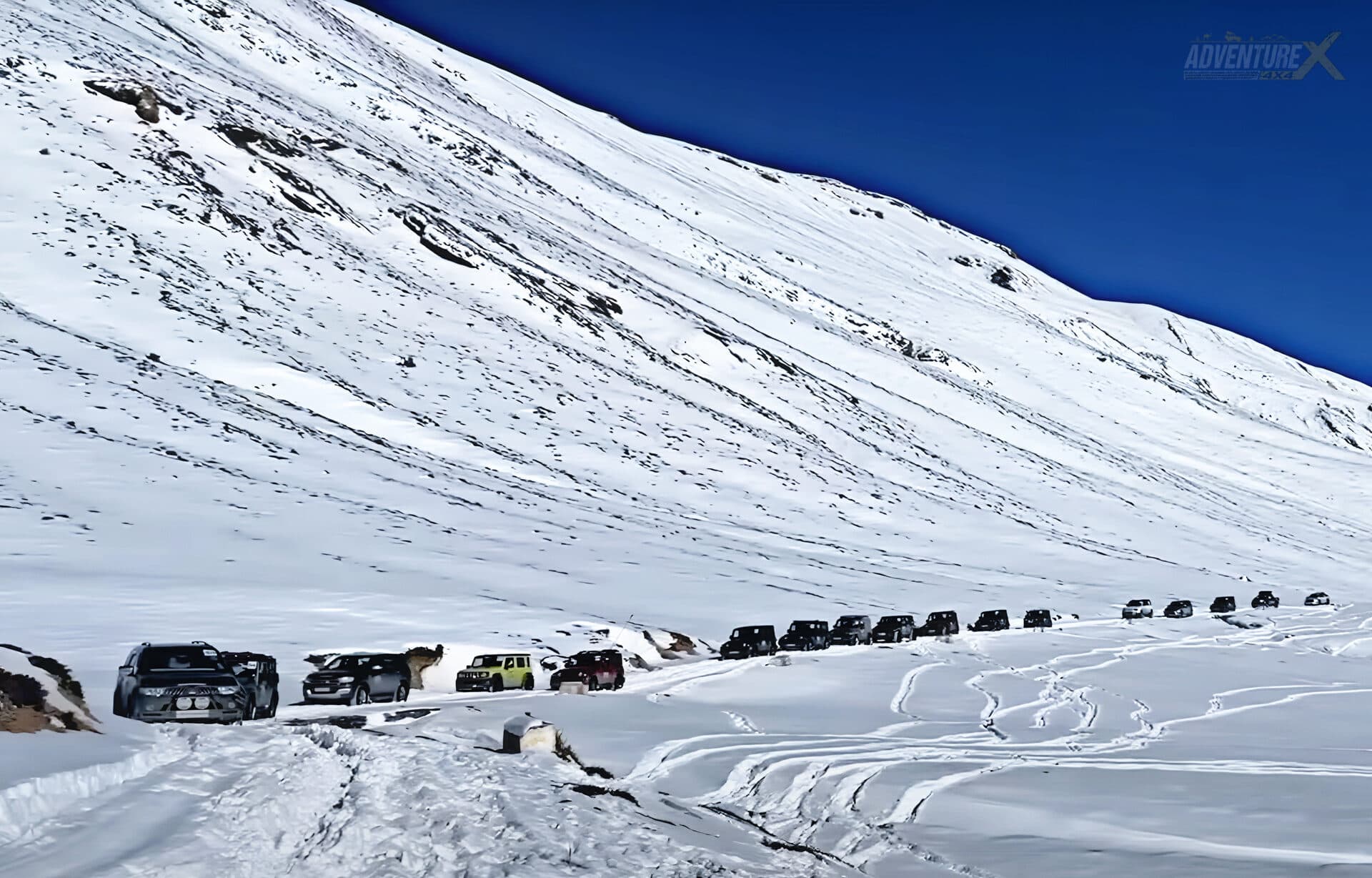
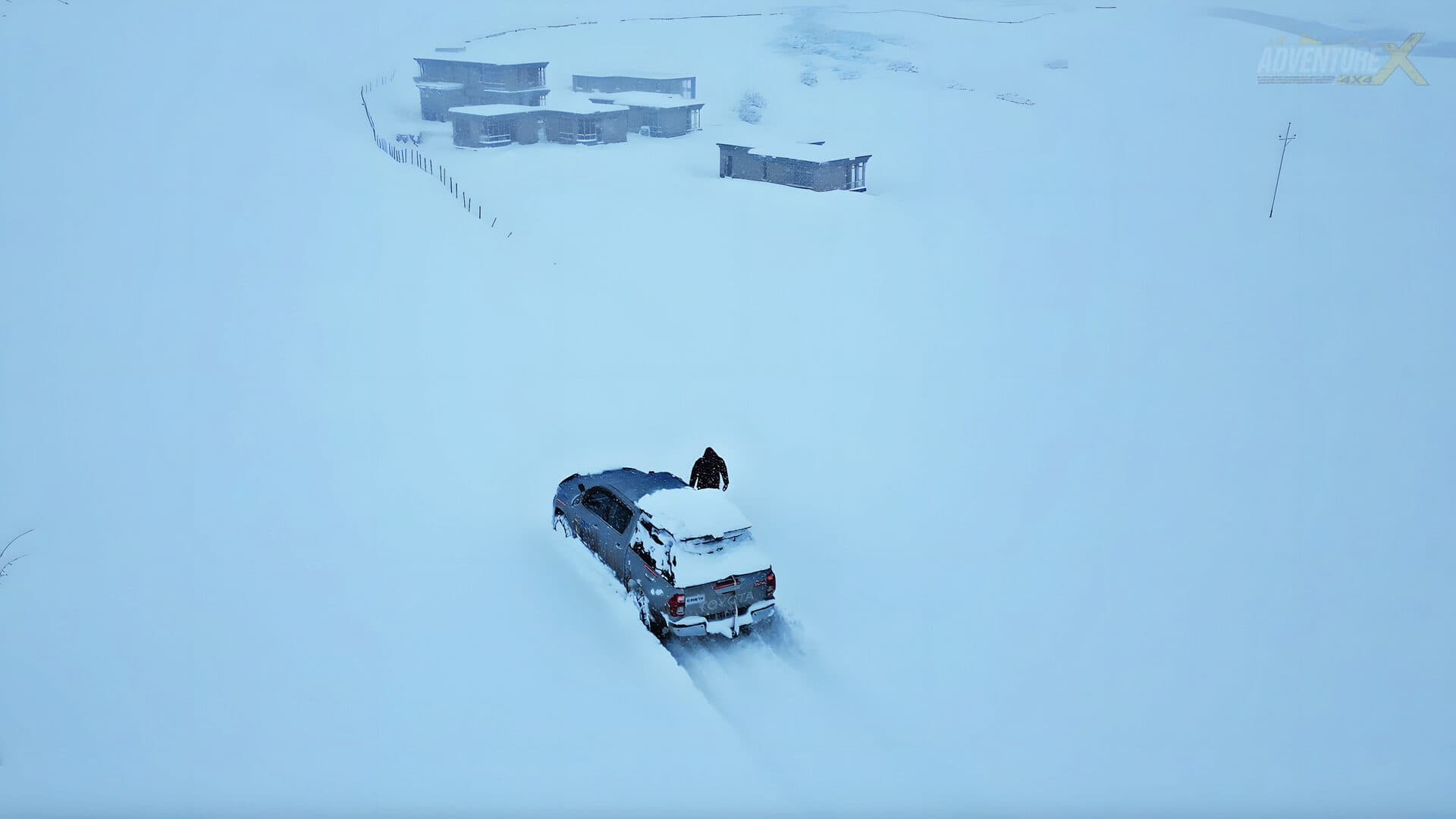
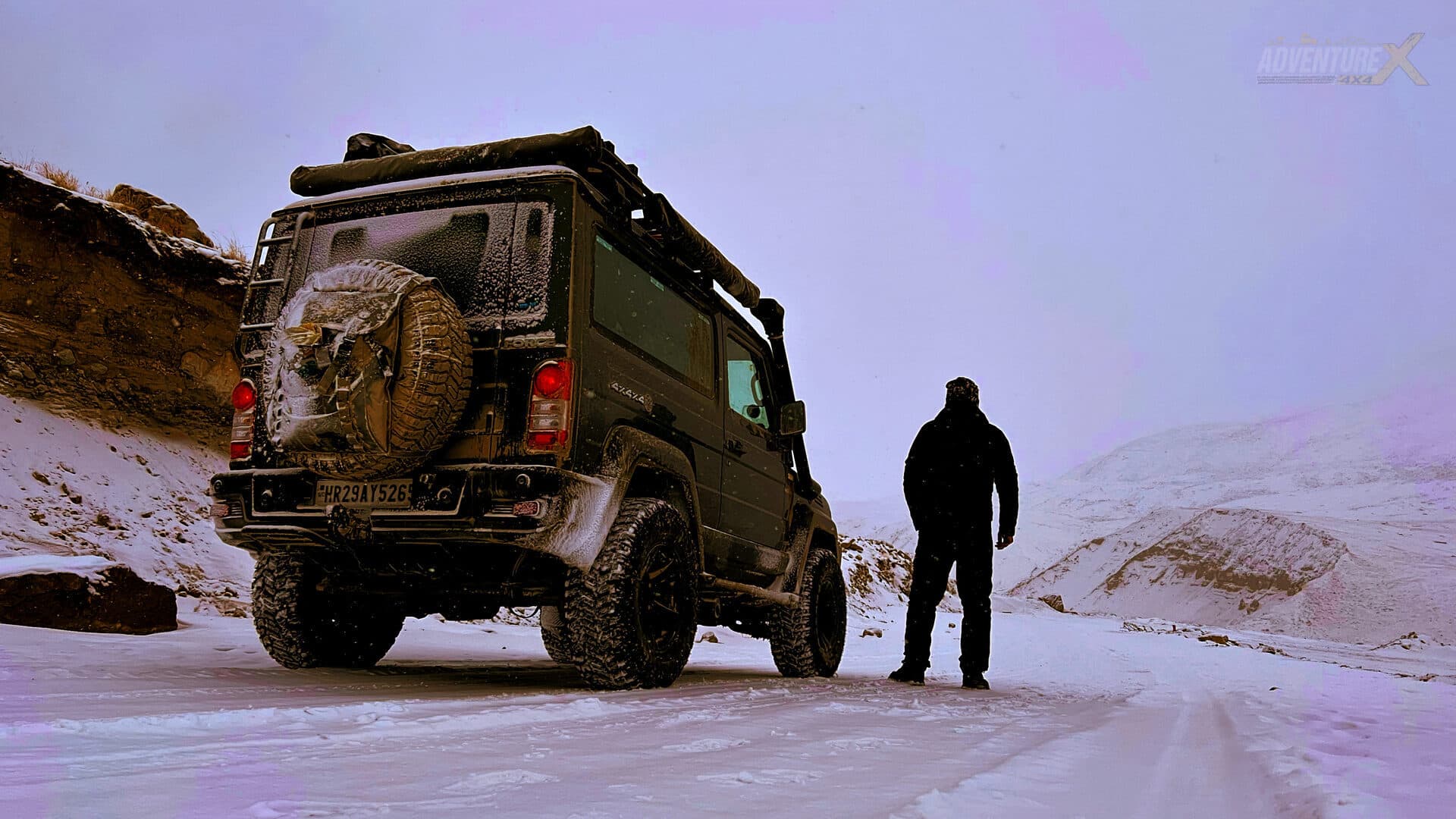
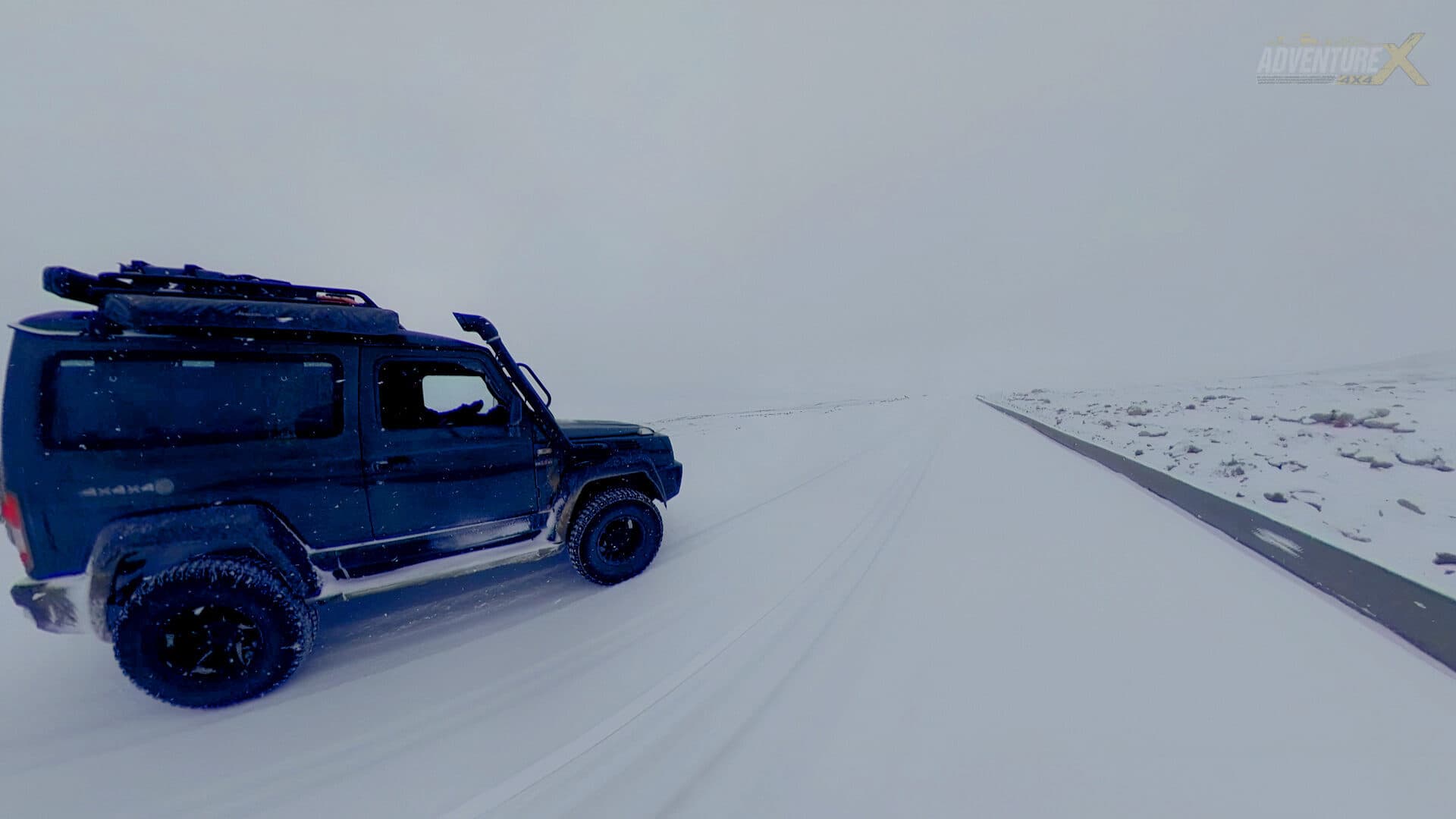
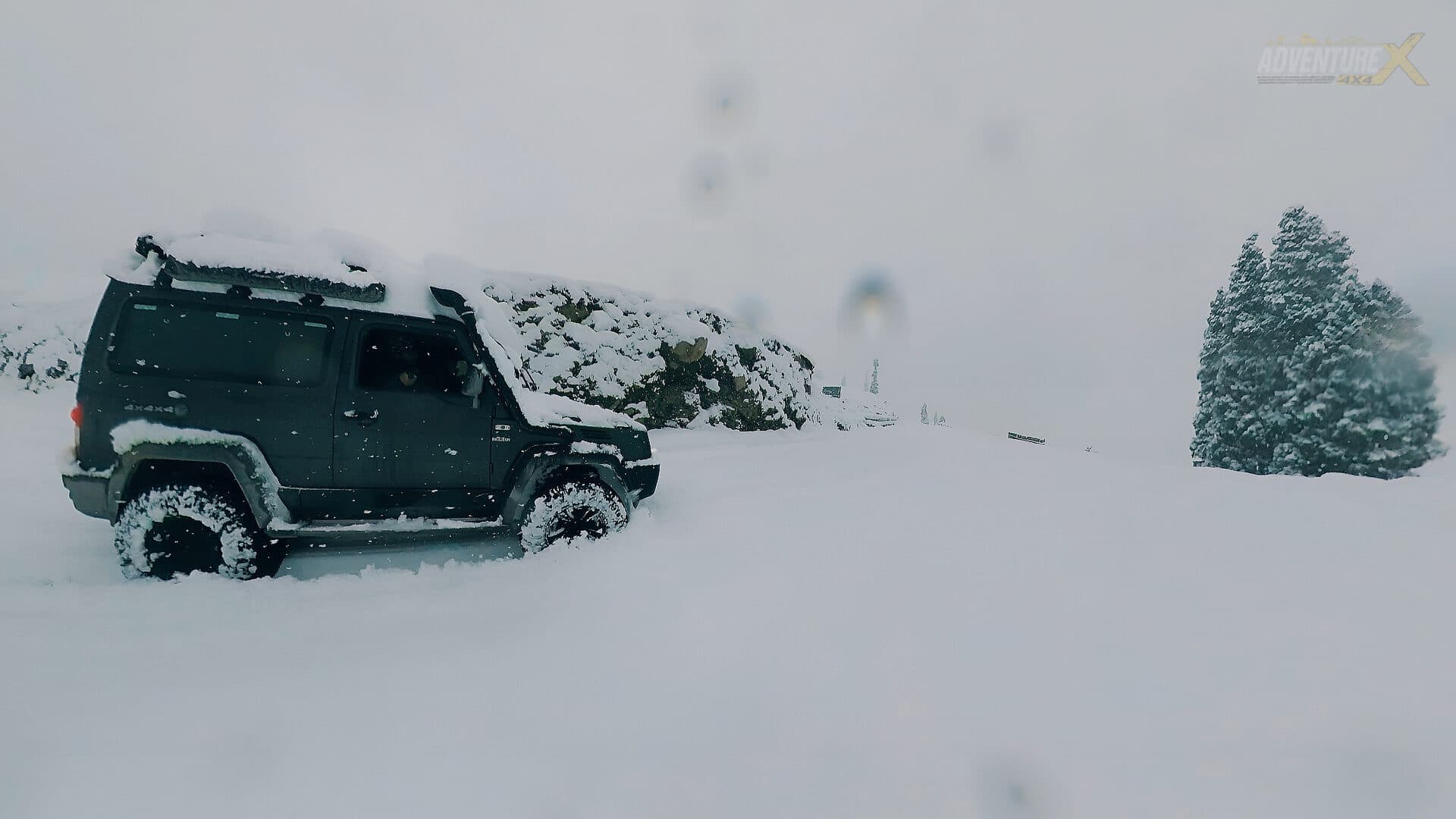
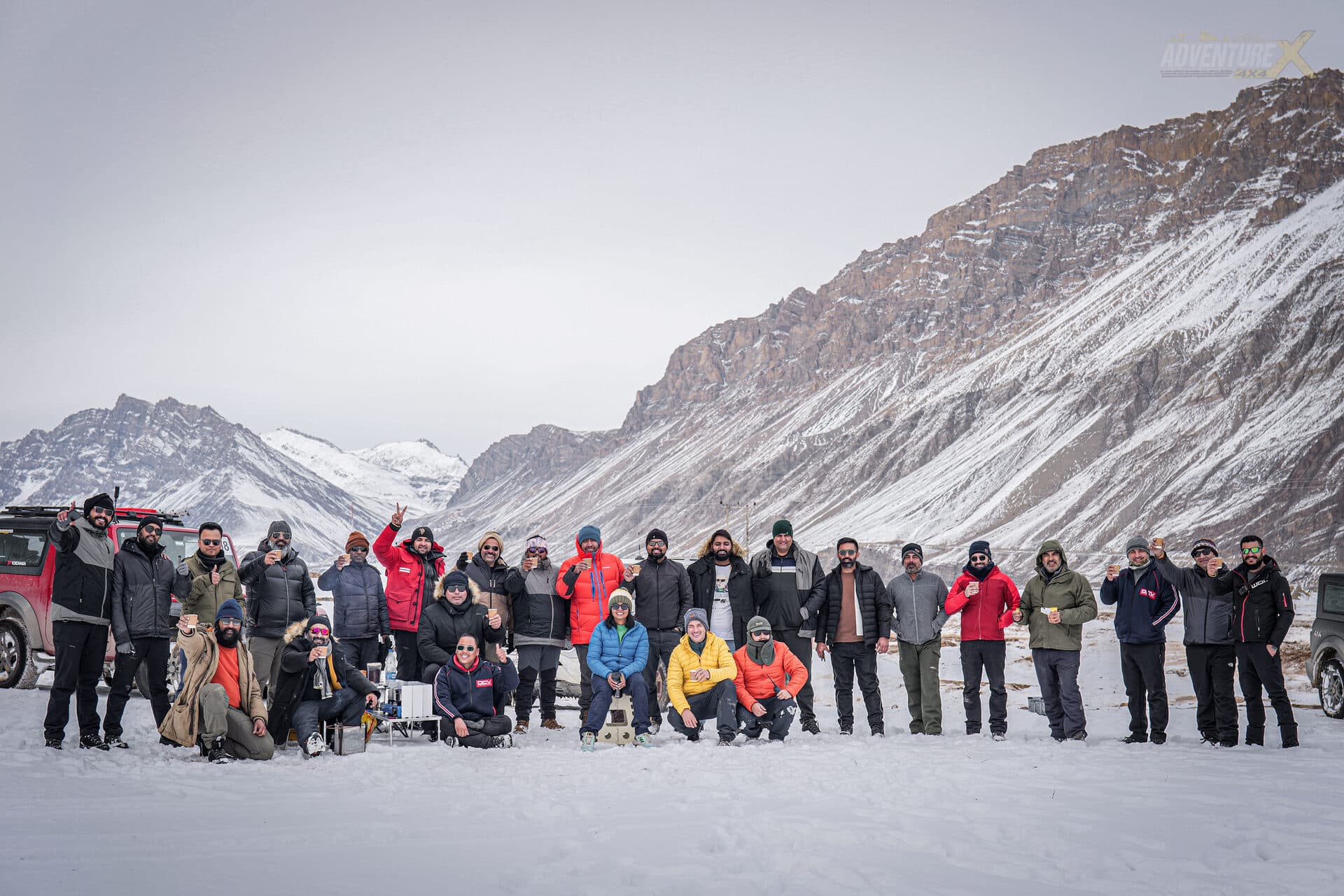
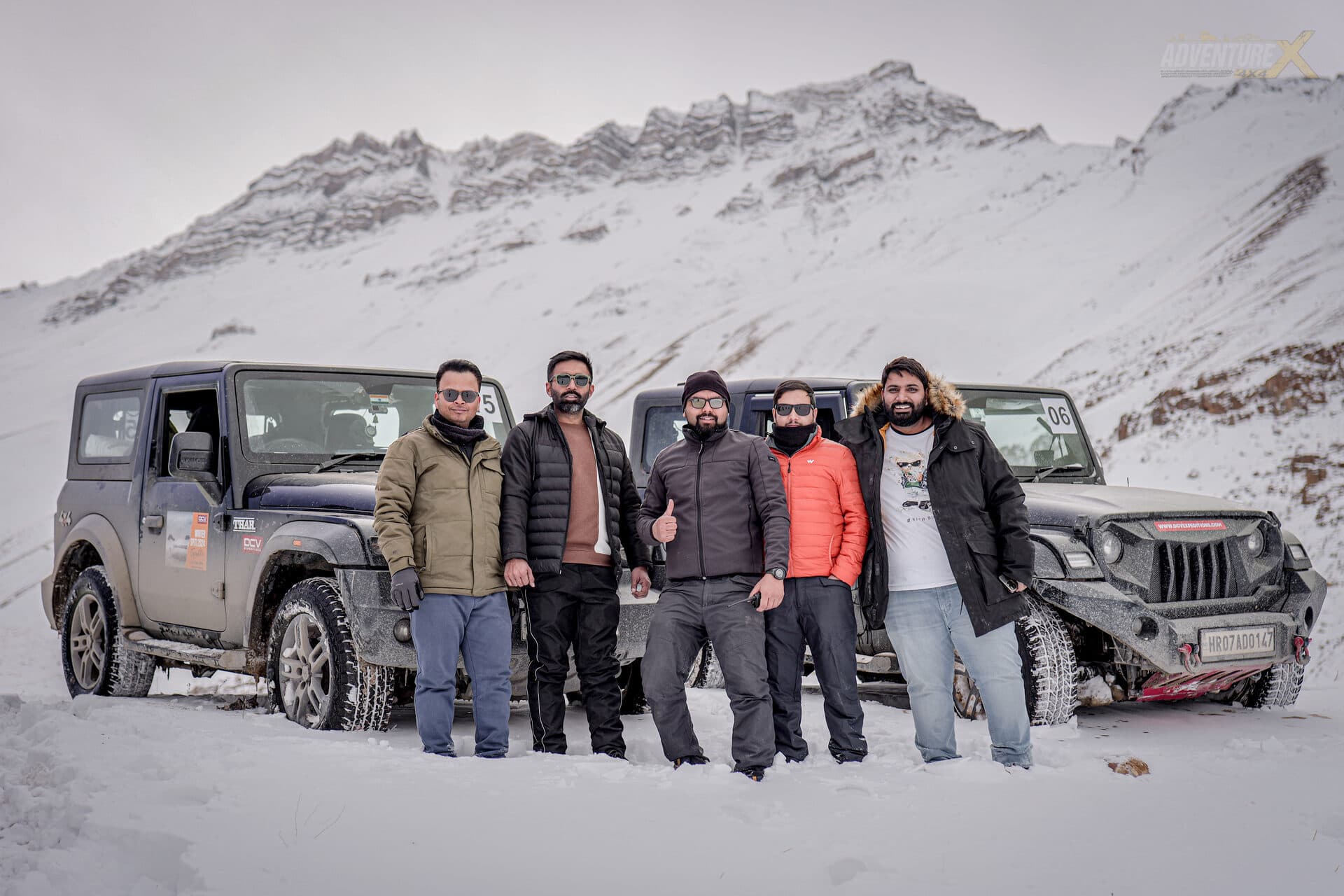
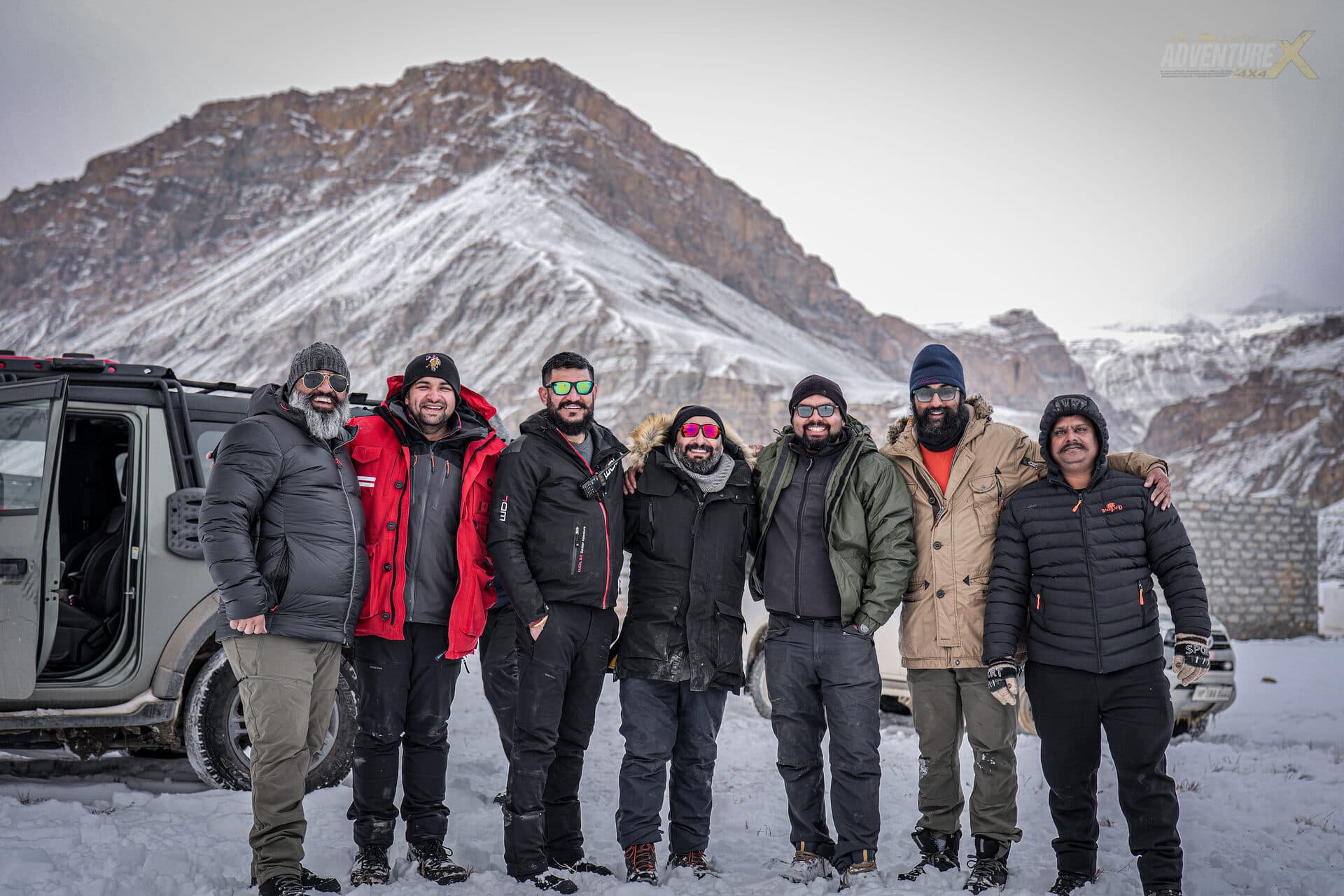
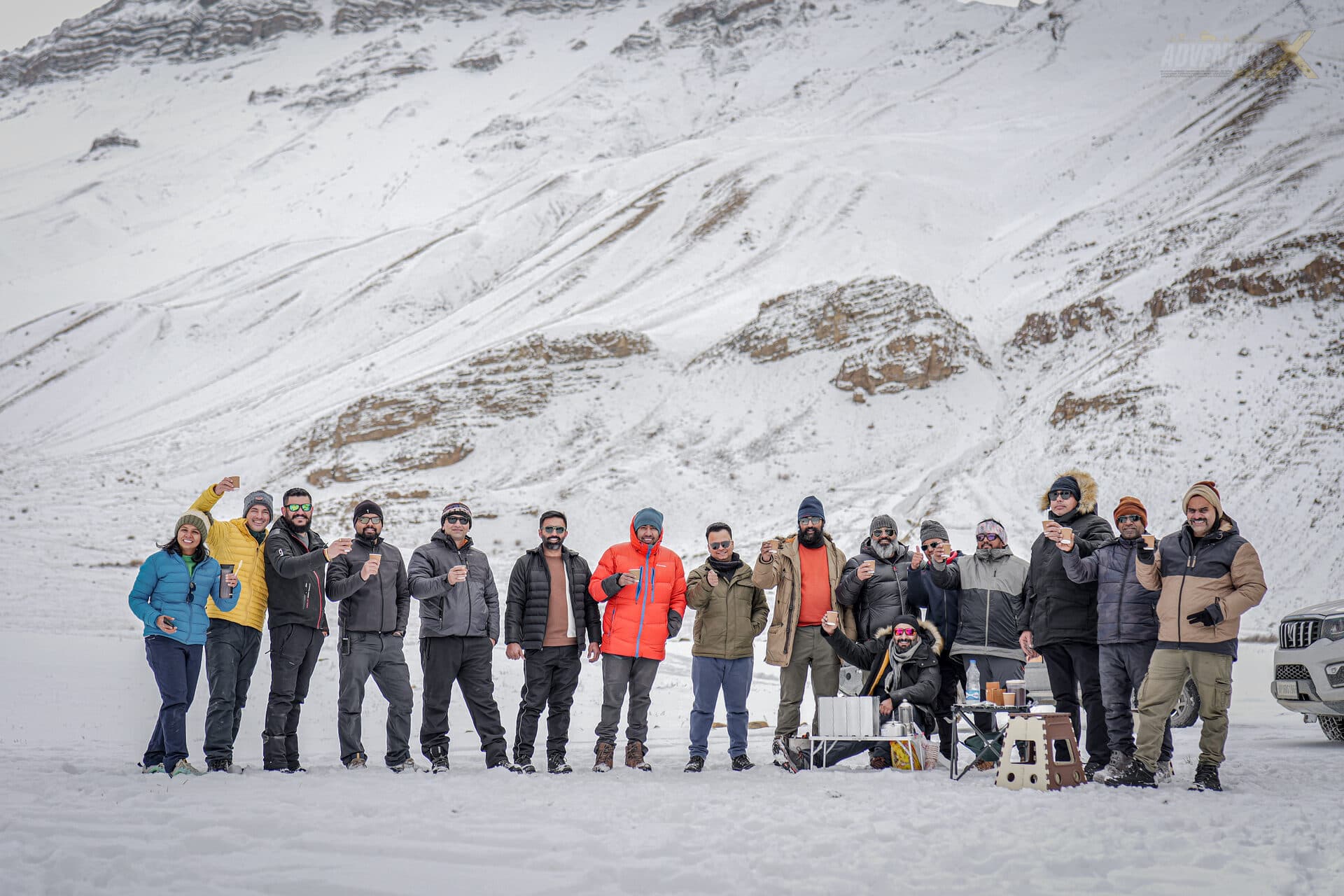
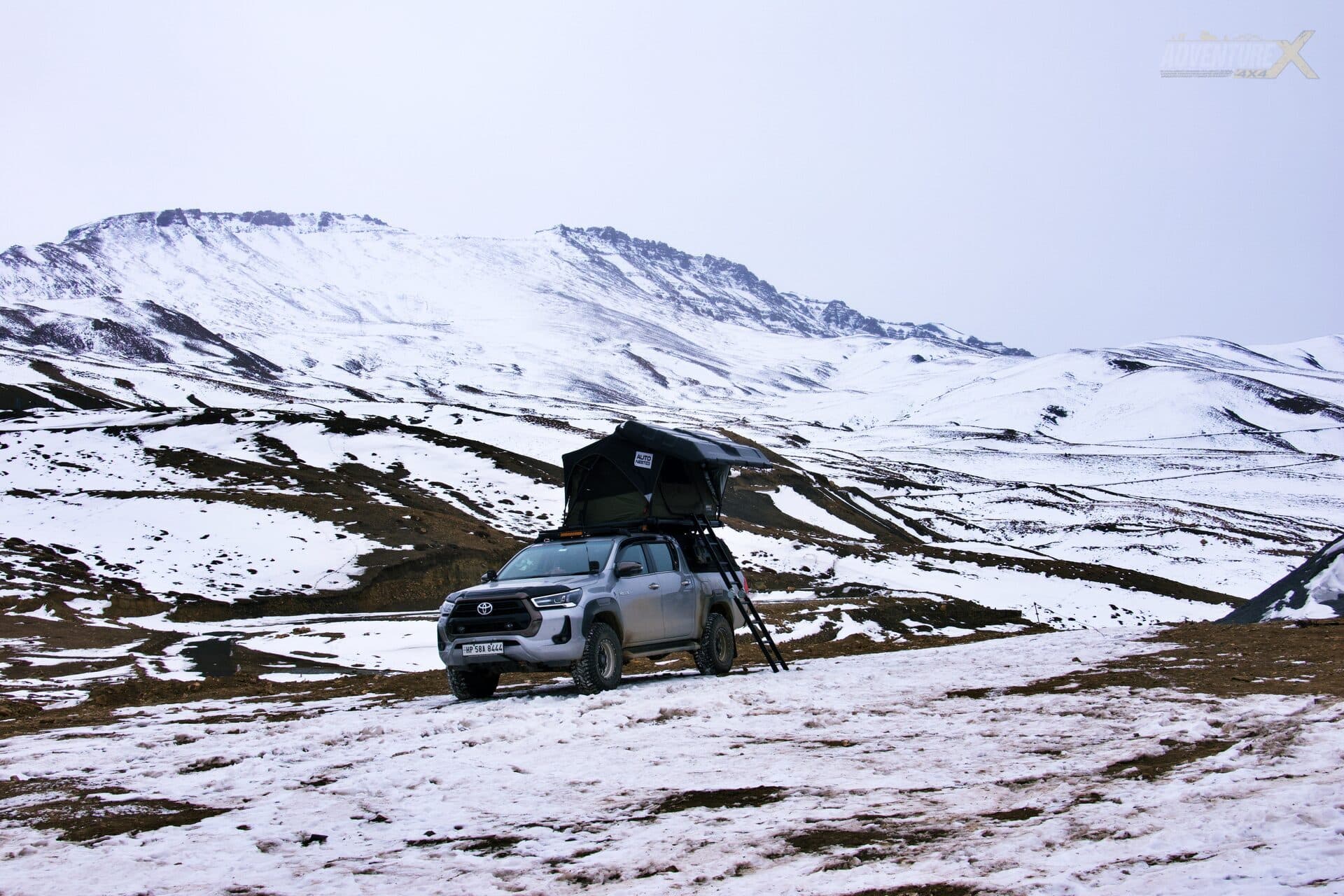
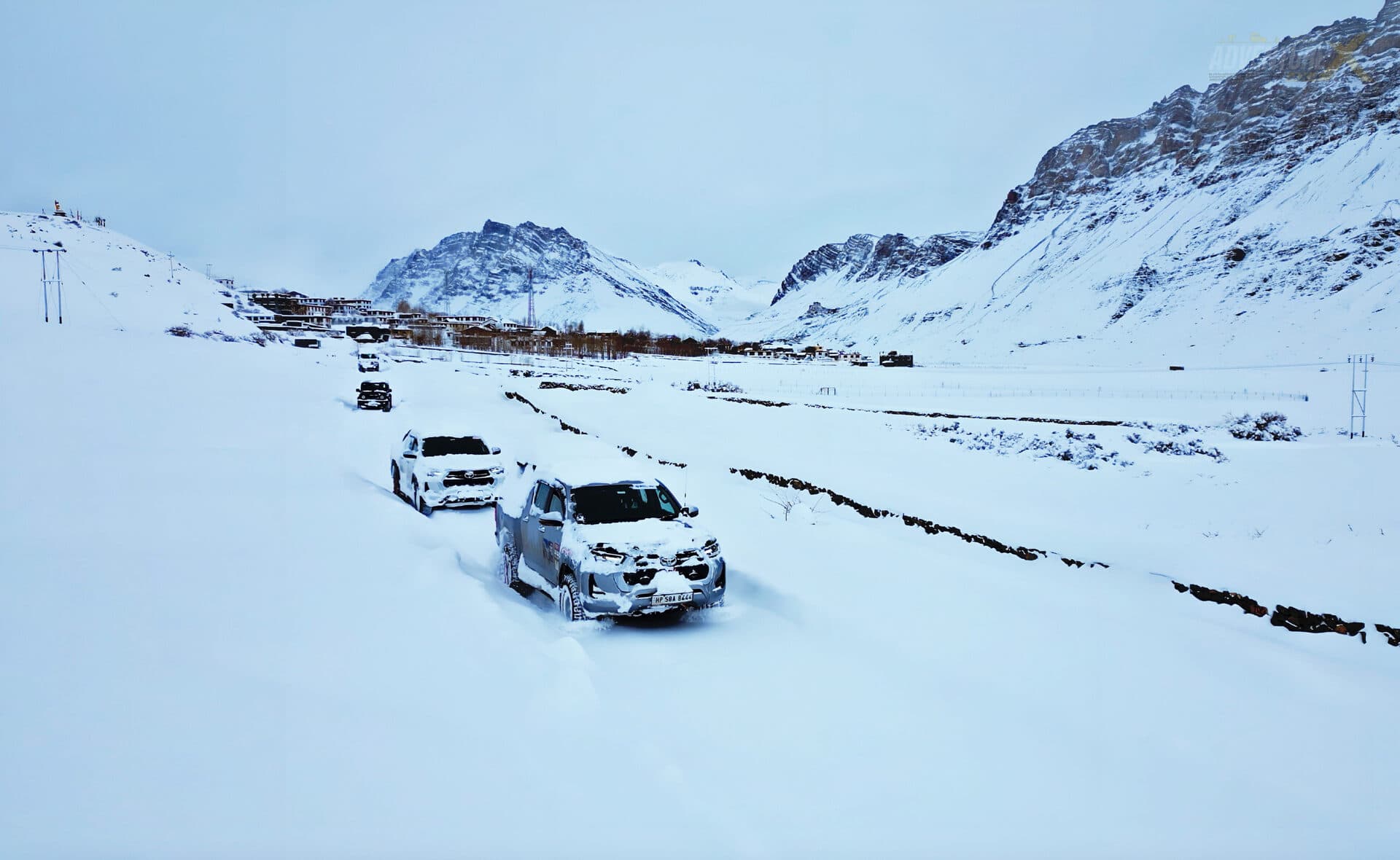
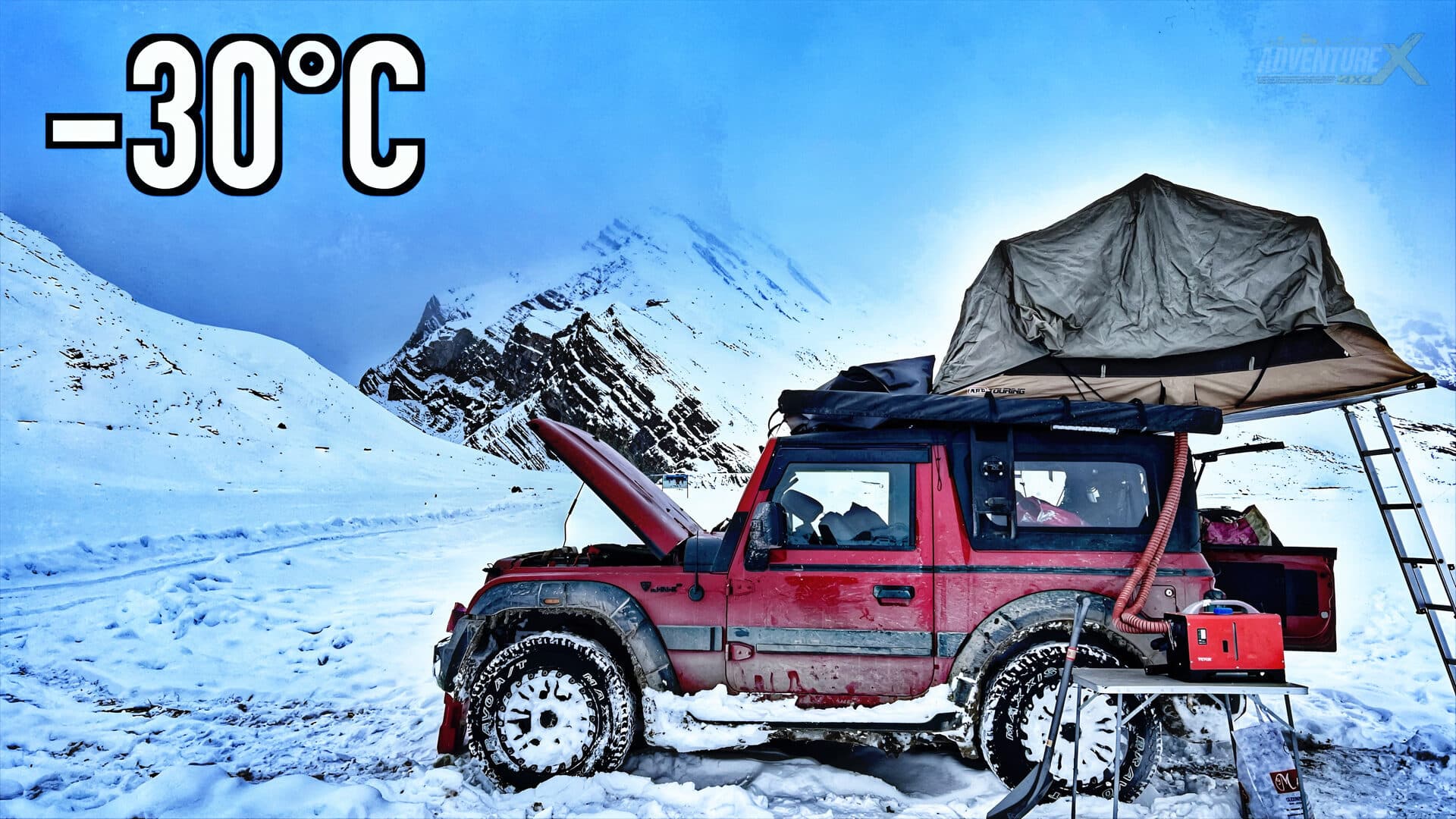
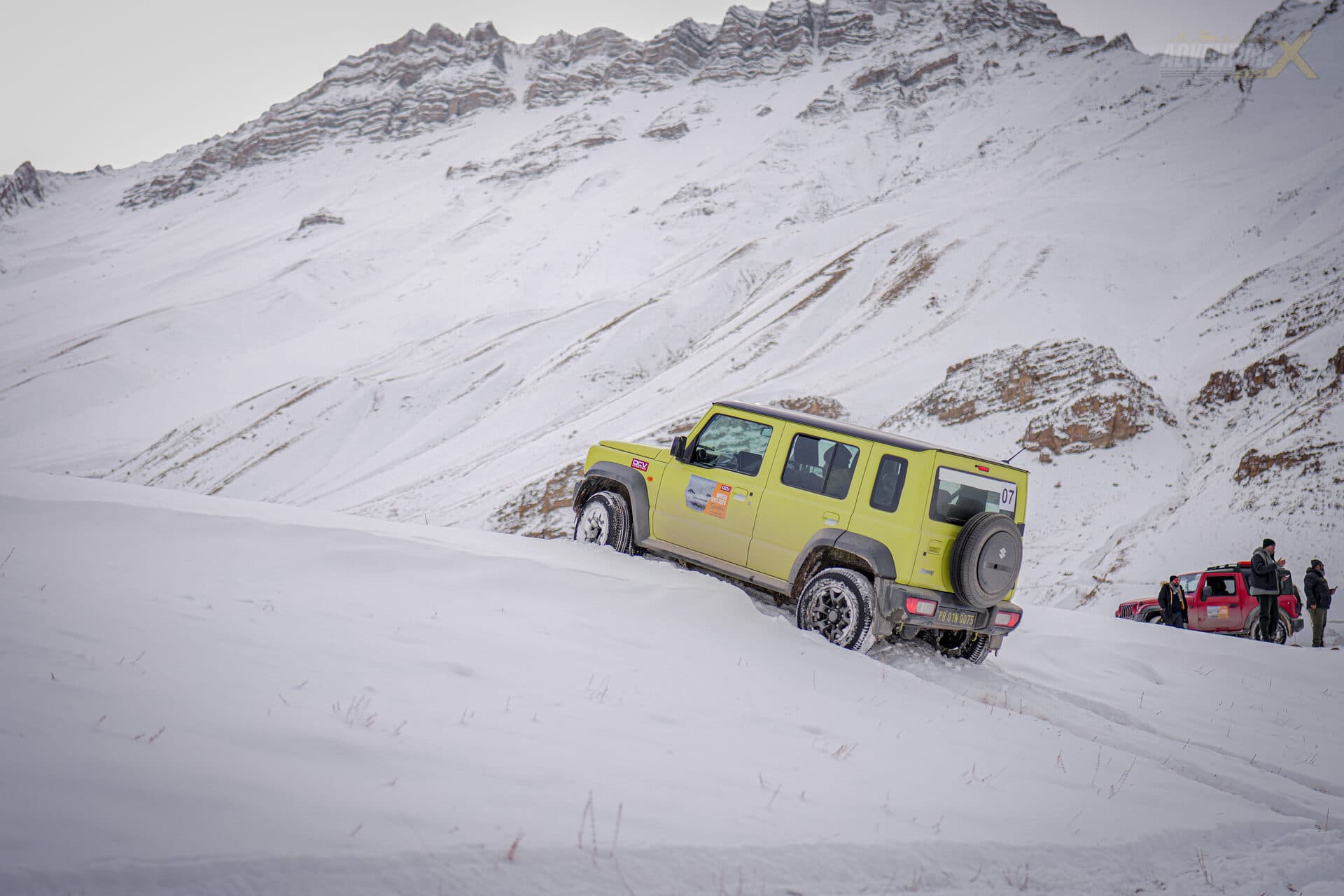
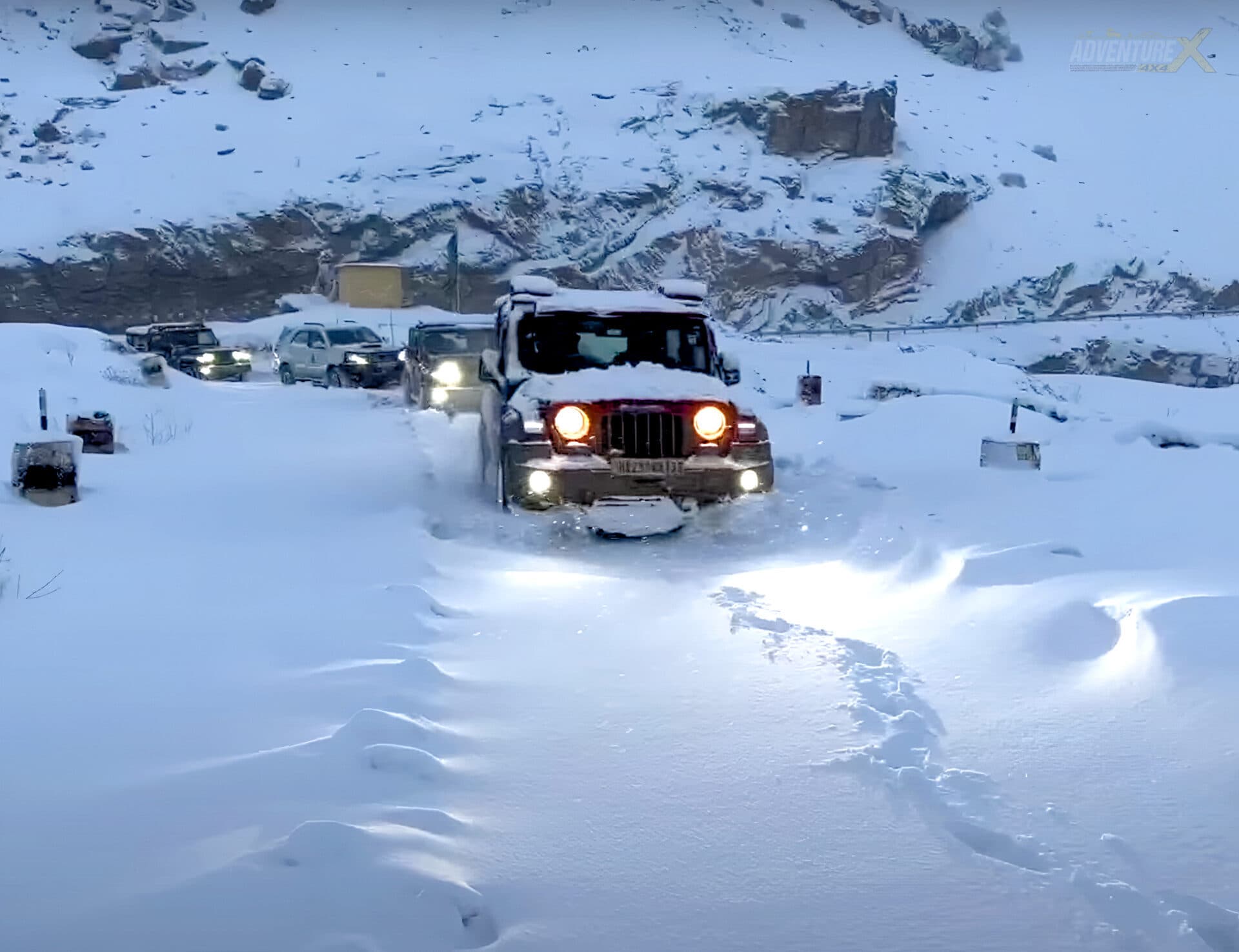
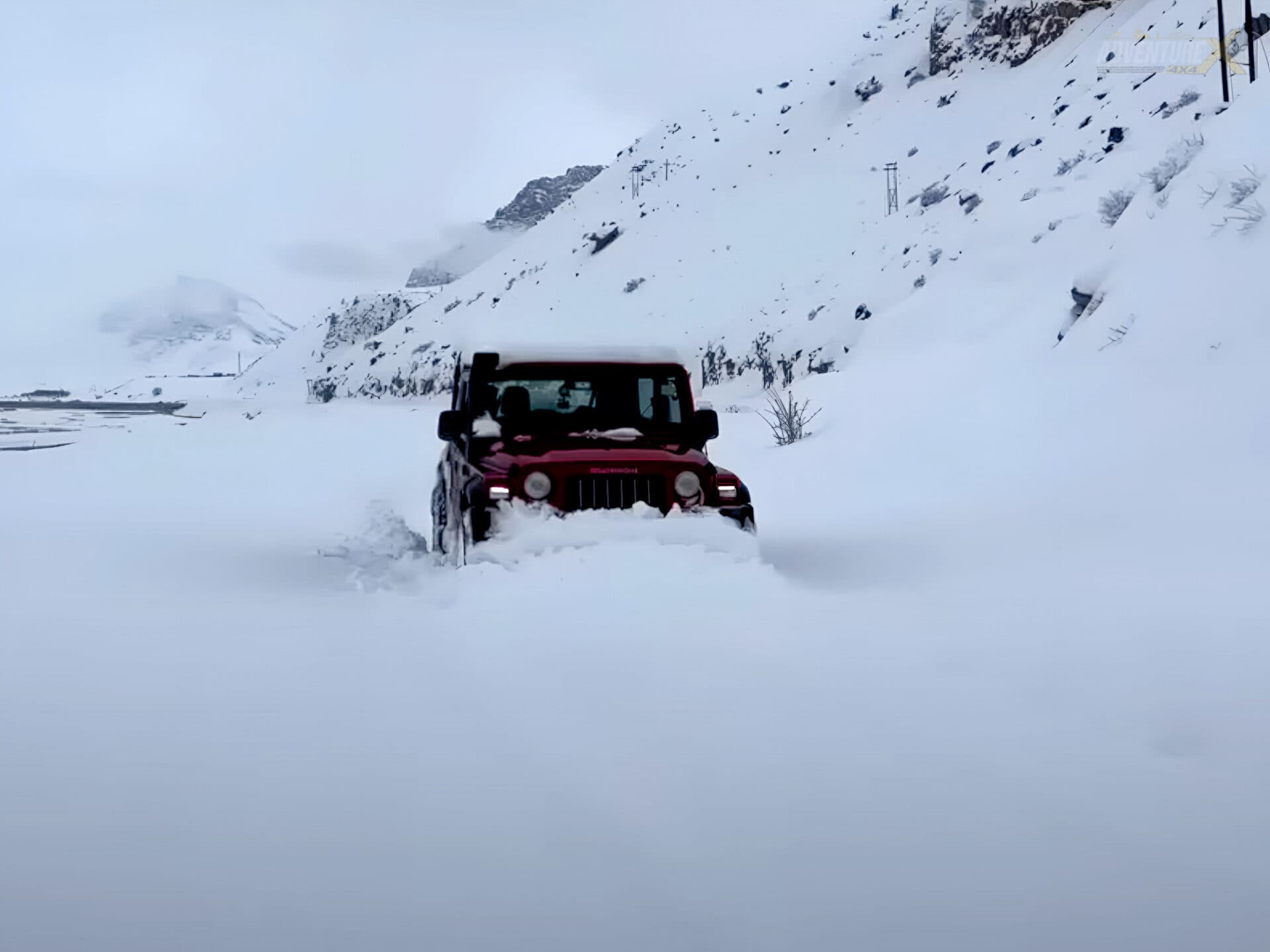
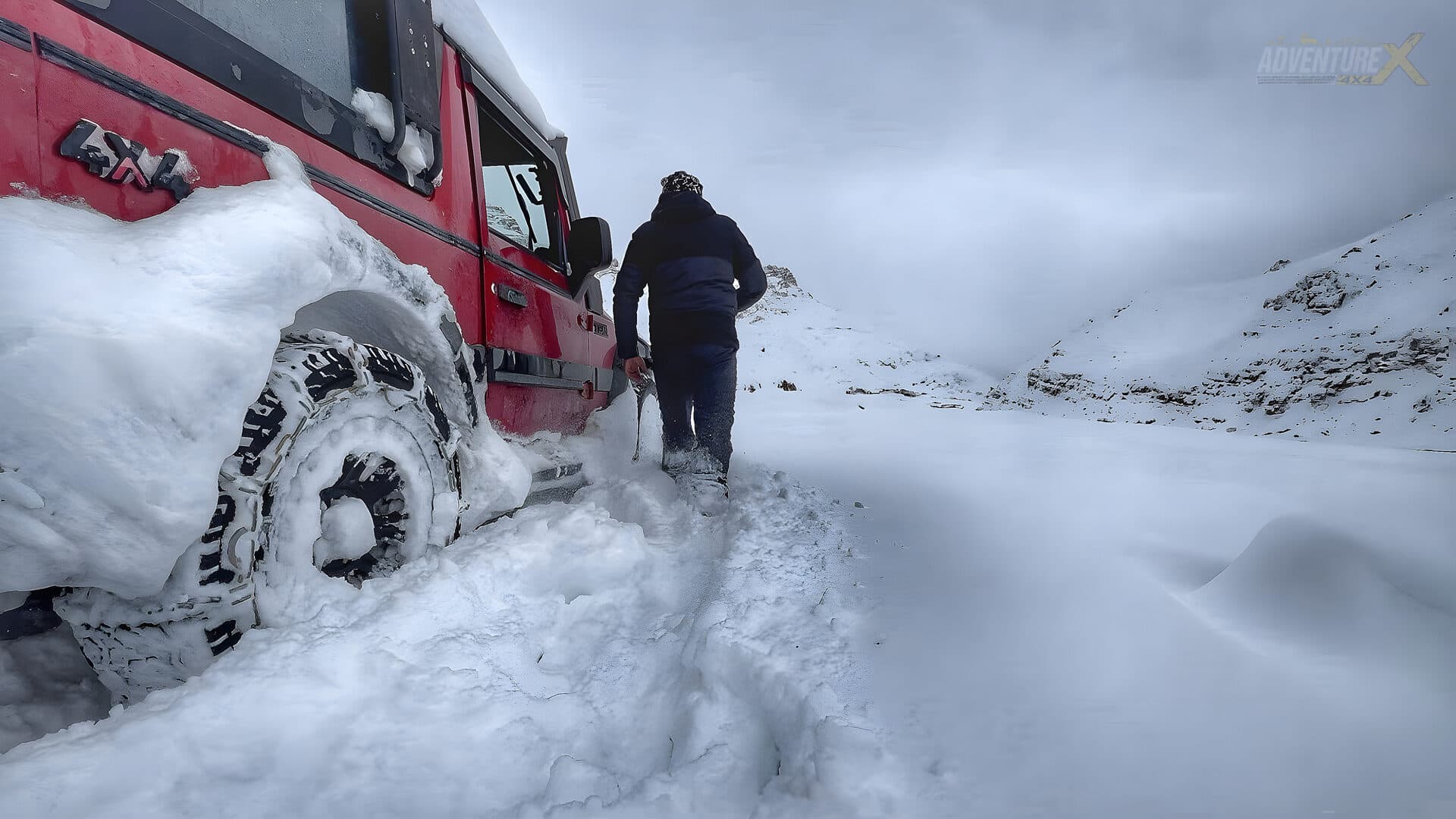
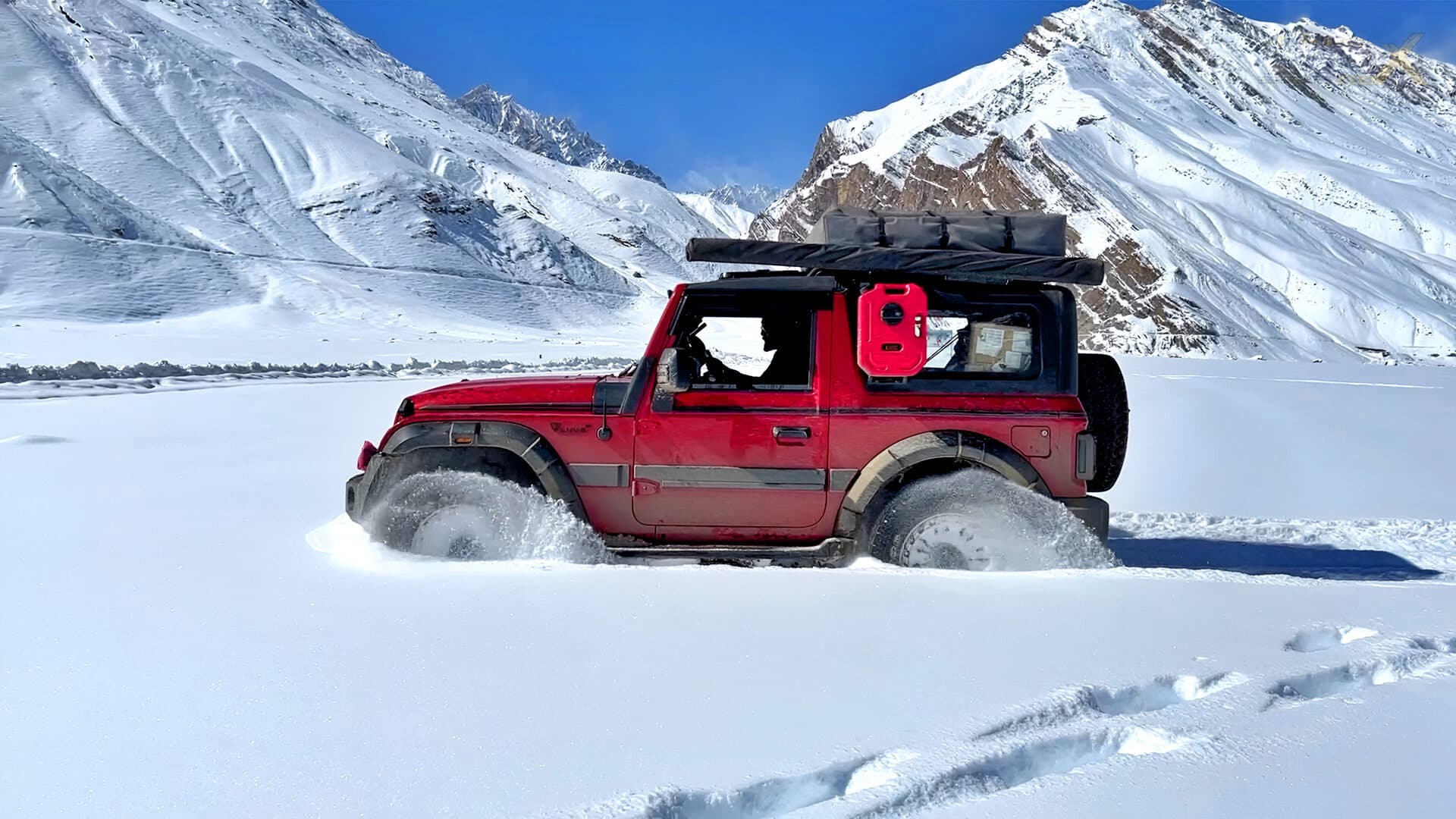
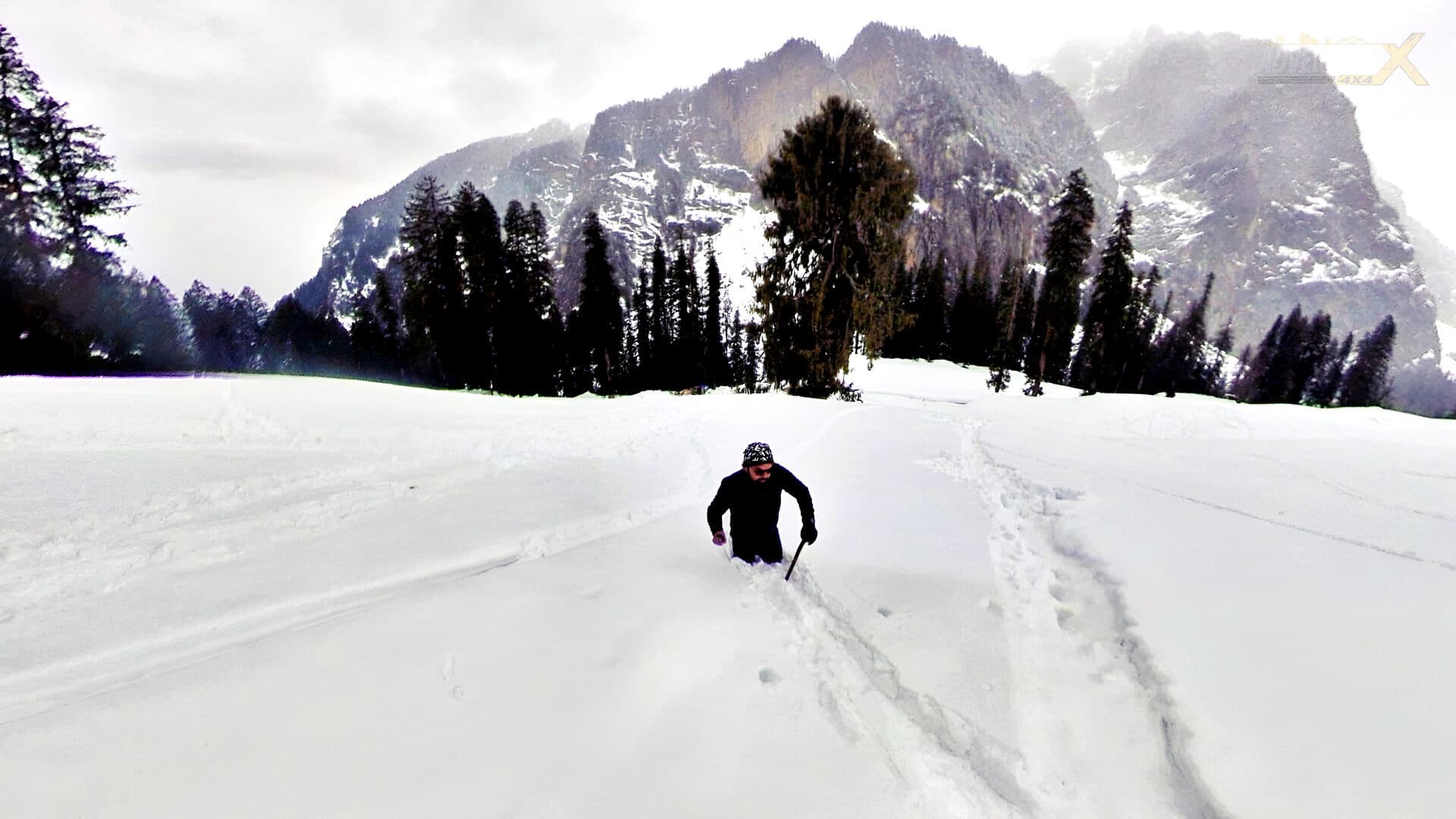
A winter Spiti tour is not the summer valley with snow on it. It is a different place. From late December the Spiti river freezes solid enough to walk on in stretches, the high villages drop to single-digit populations, and the only road in is the Hindustan–Tibet highway through Kinnaur. Kaza — the administrative heart of the valley and the place every expedition uses as a base — sits at roughly 3,650 m. On a clear February night the temperature there falls to −20 °C and on the colder nights past −30 °C, before you factor in the katabatic wind that pours down off the ridgelines after dark.
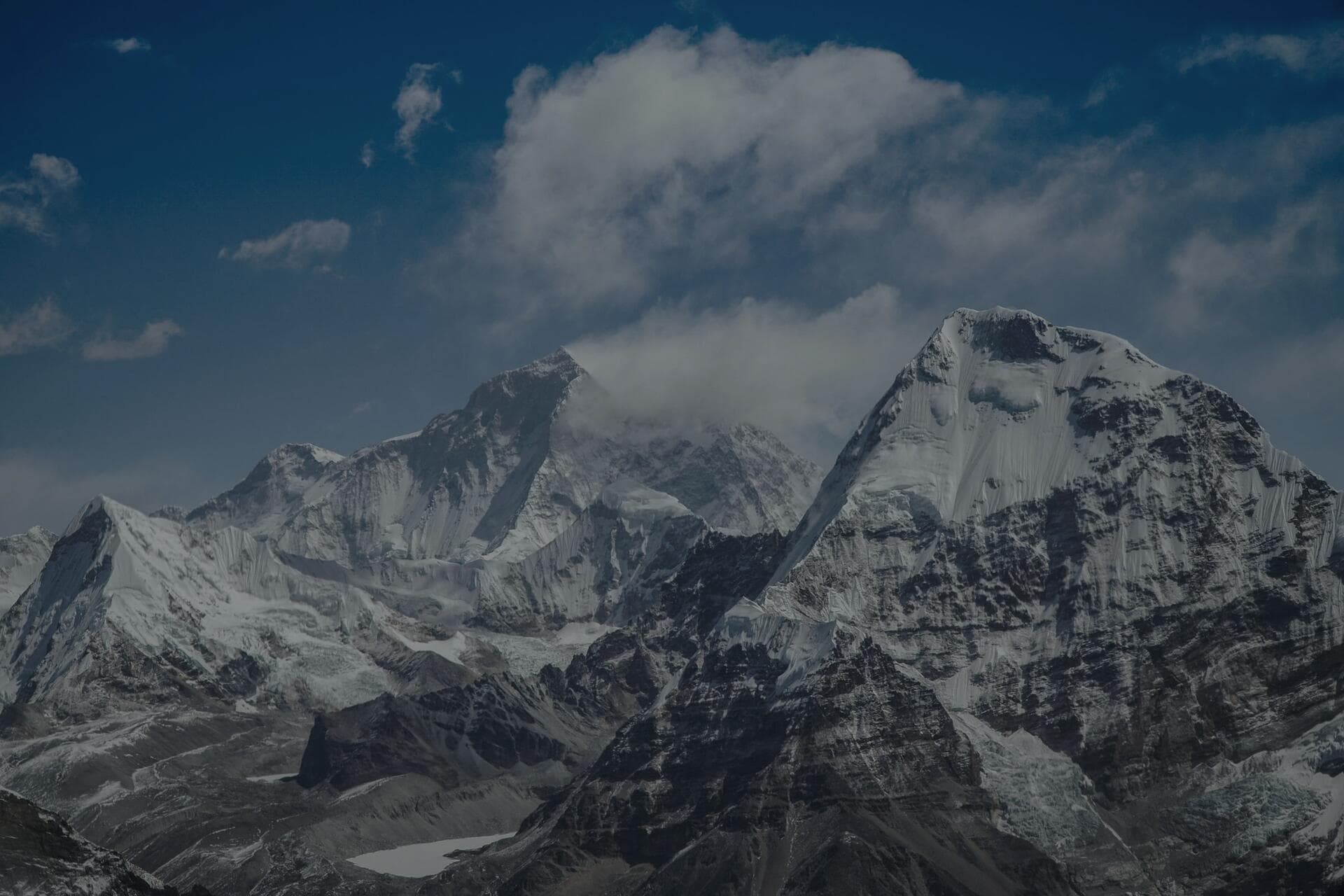
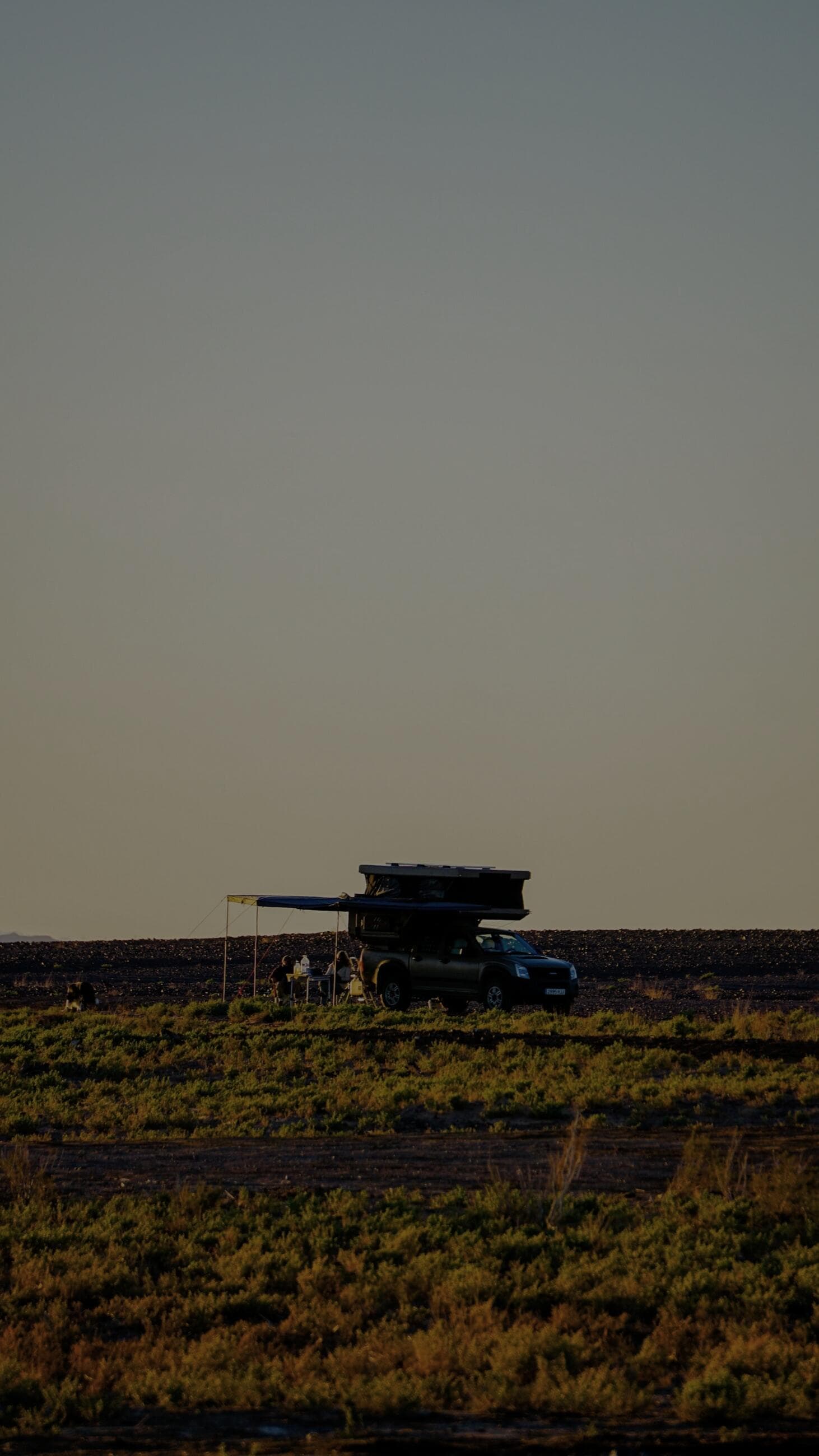
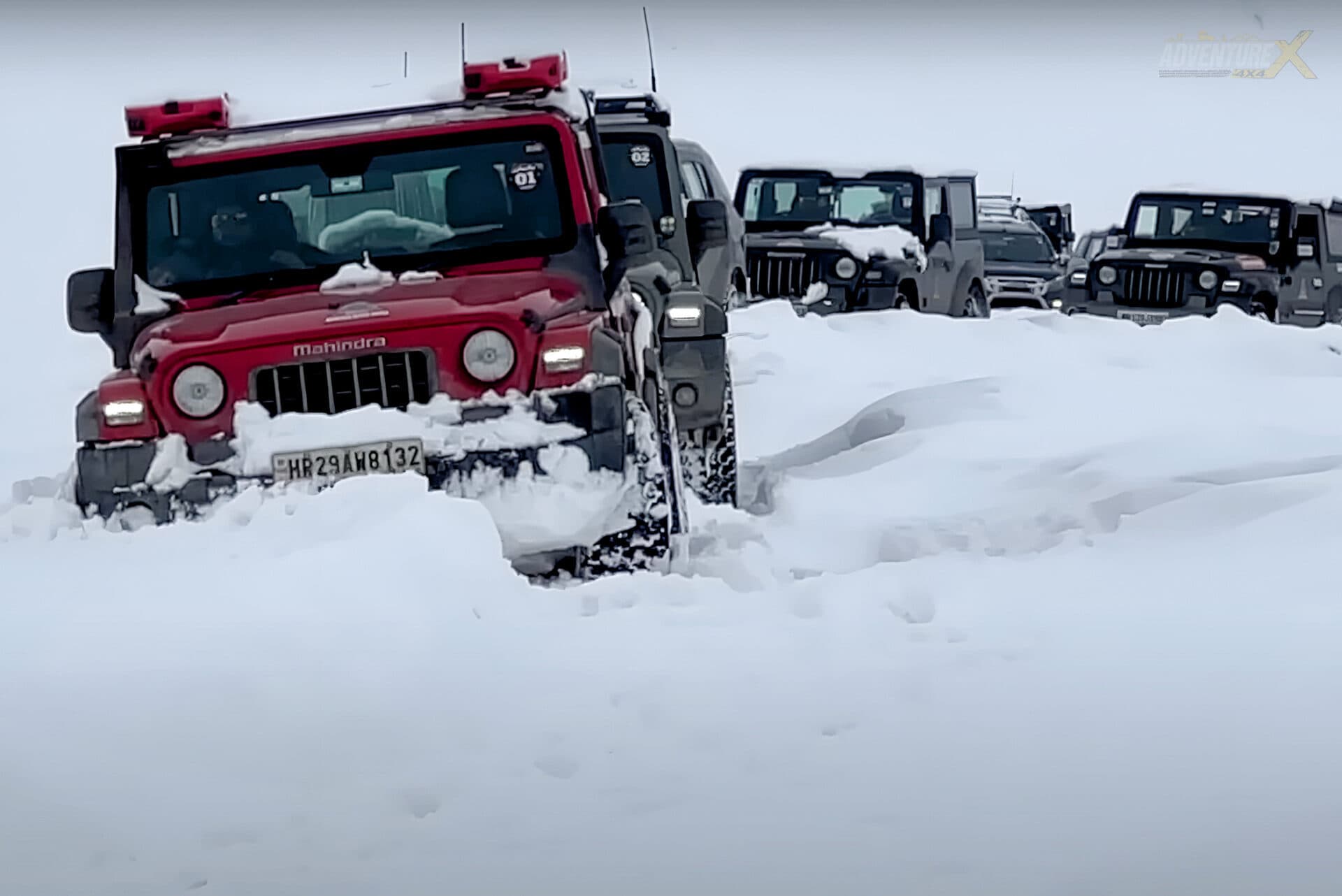
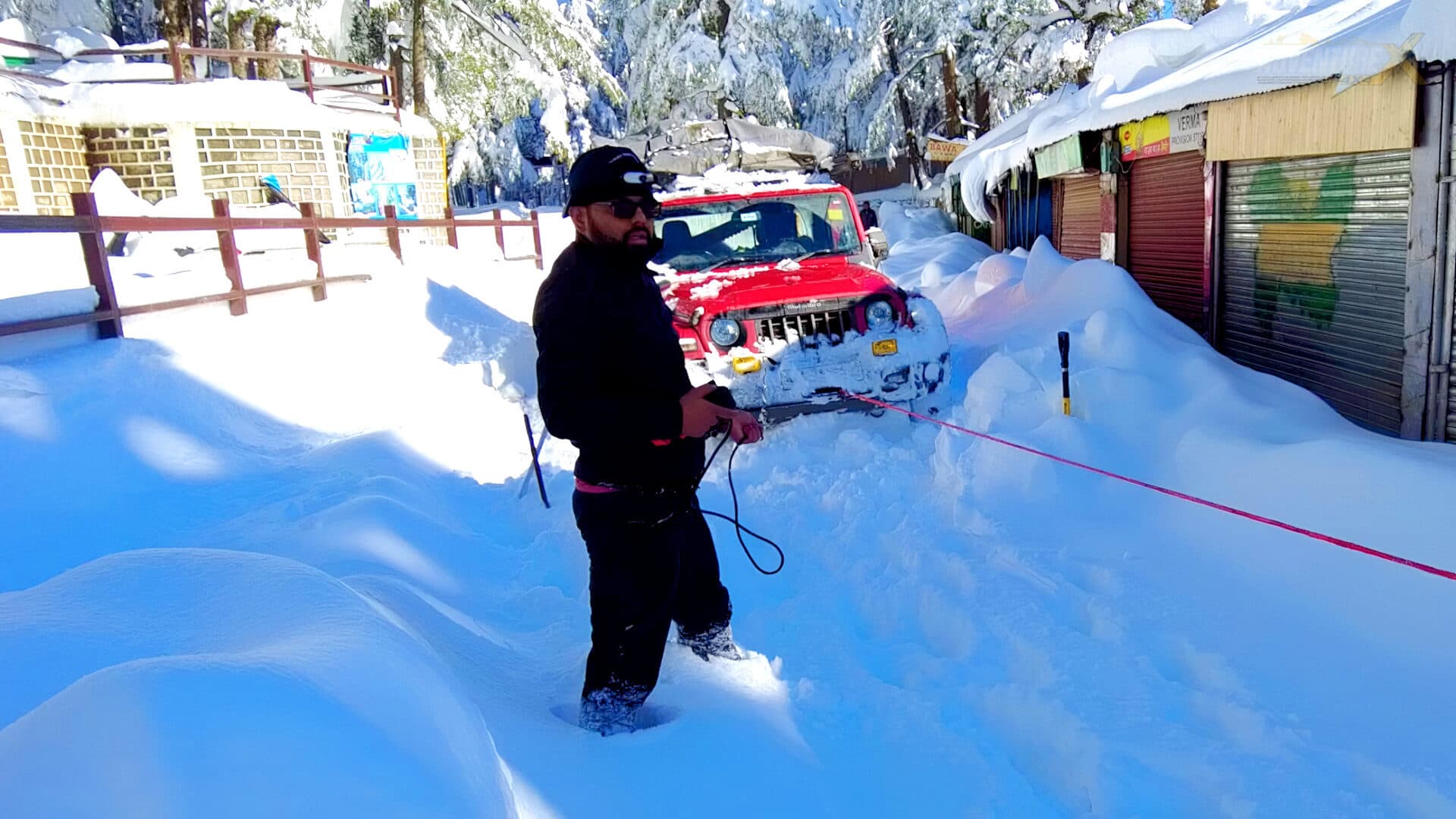
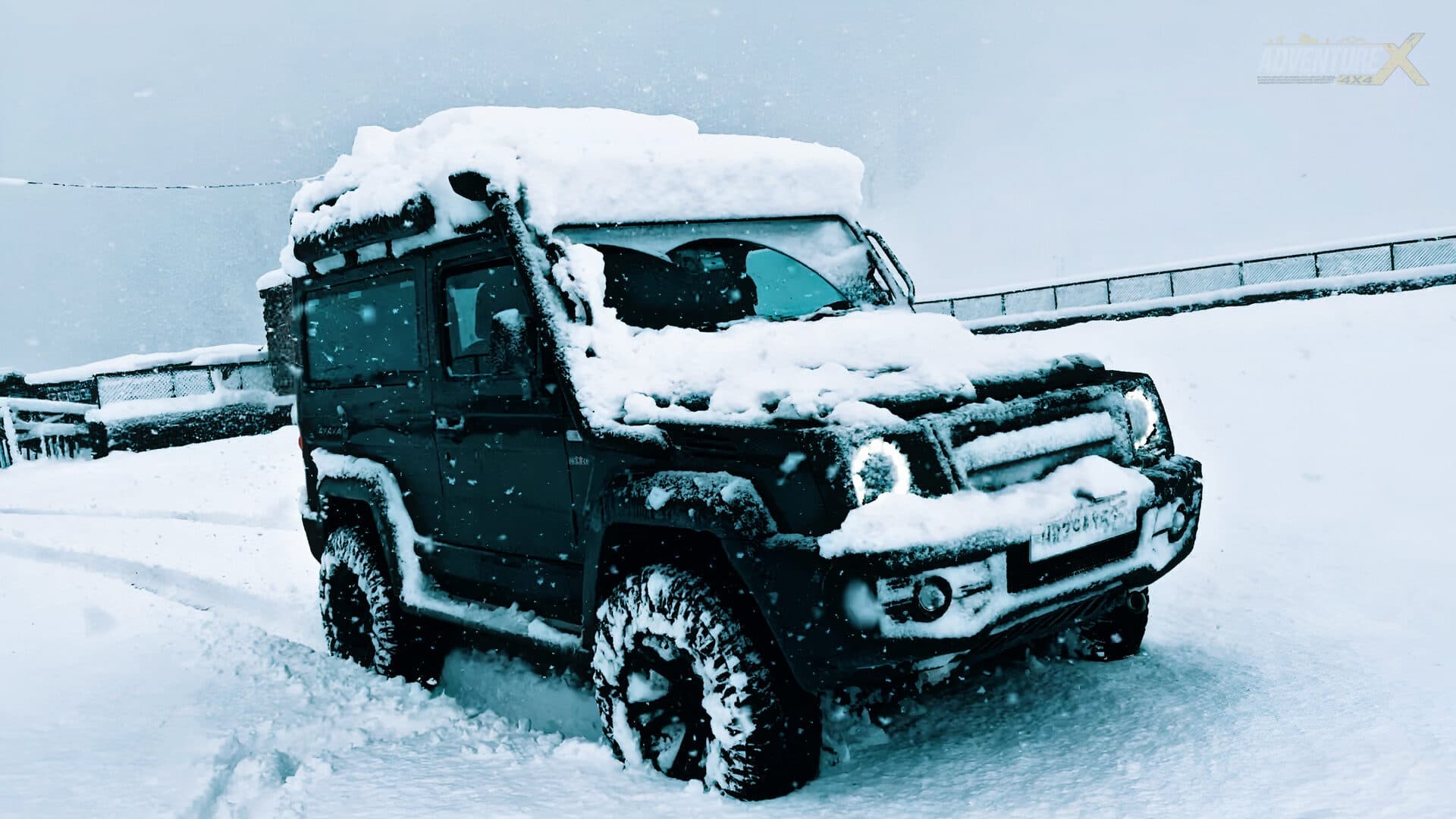
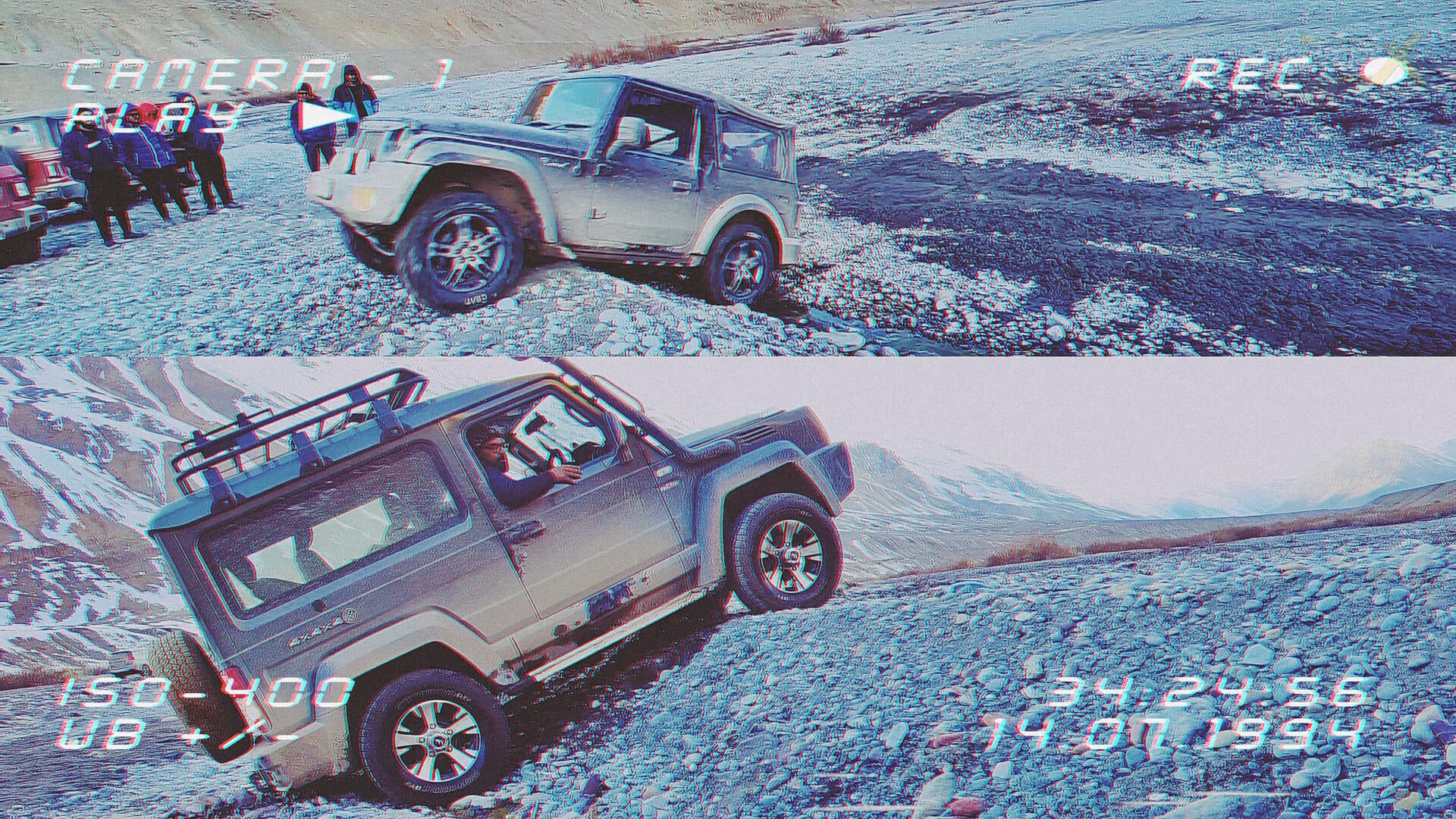
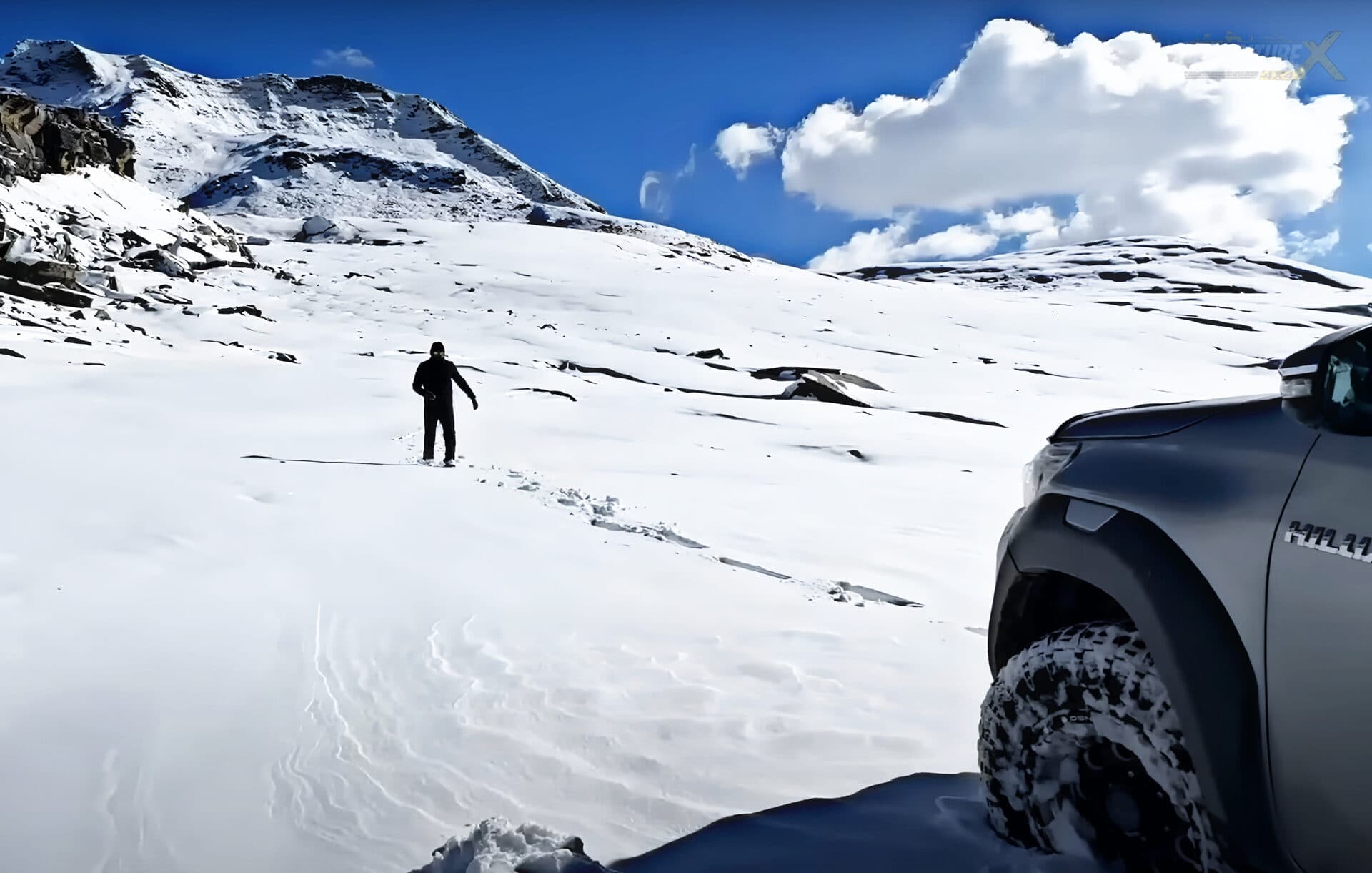
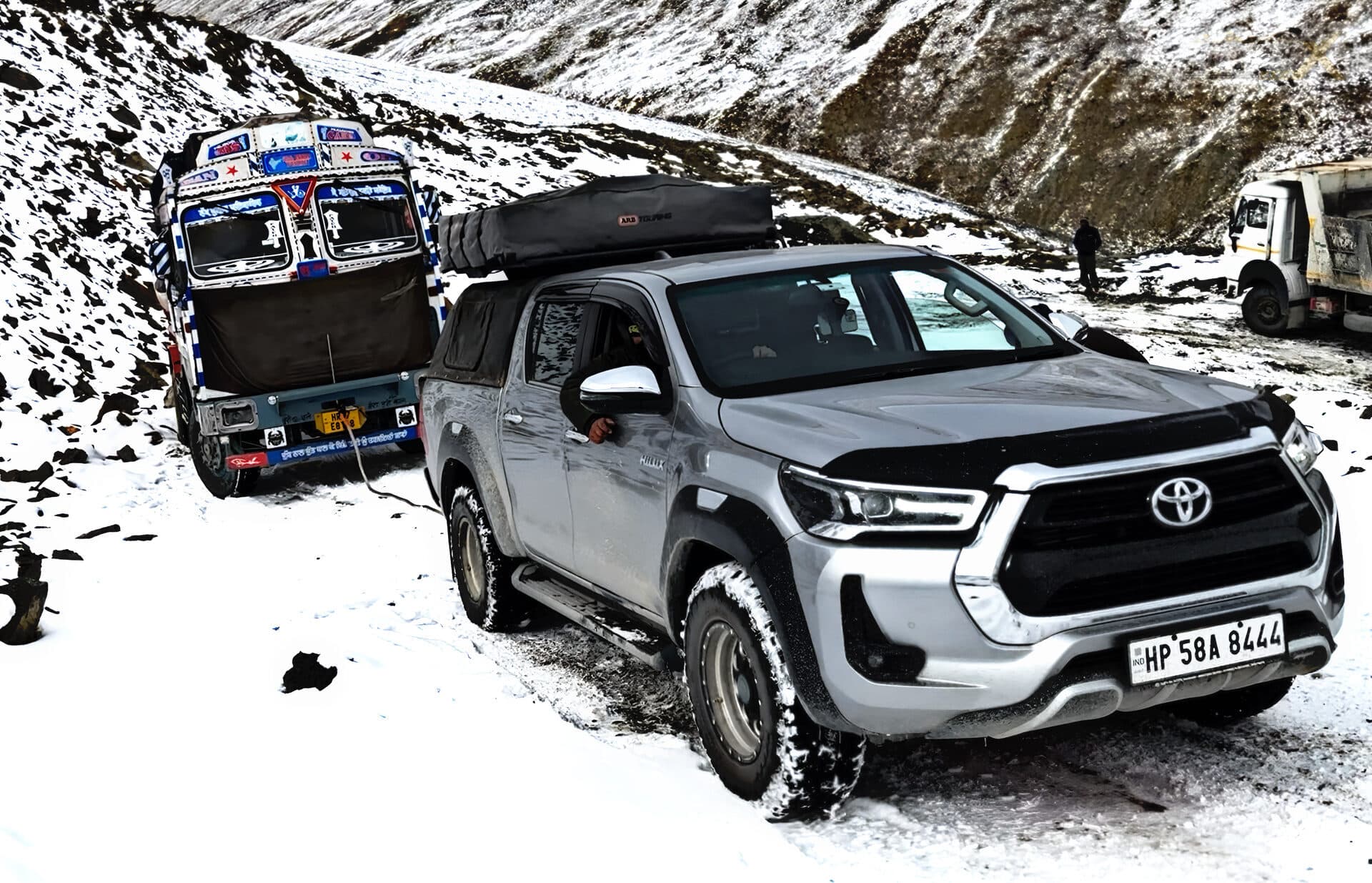
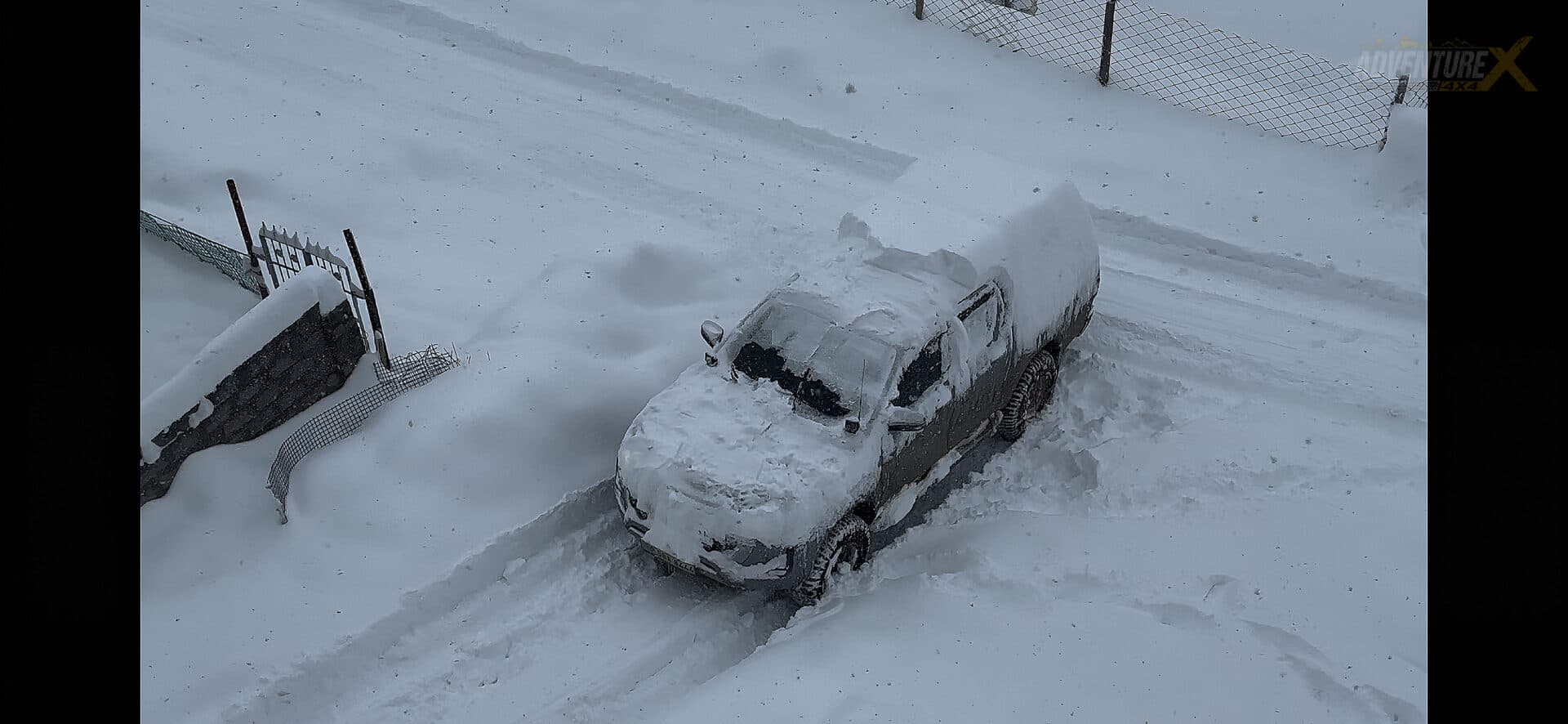
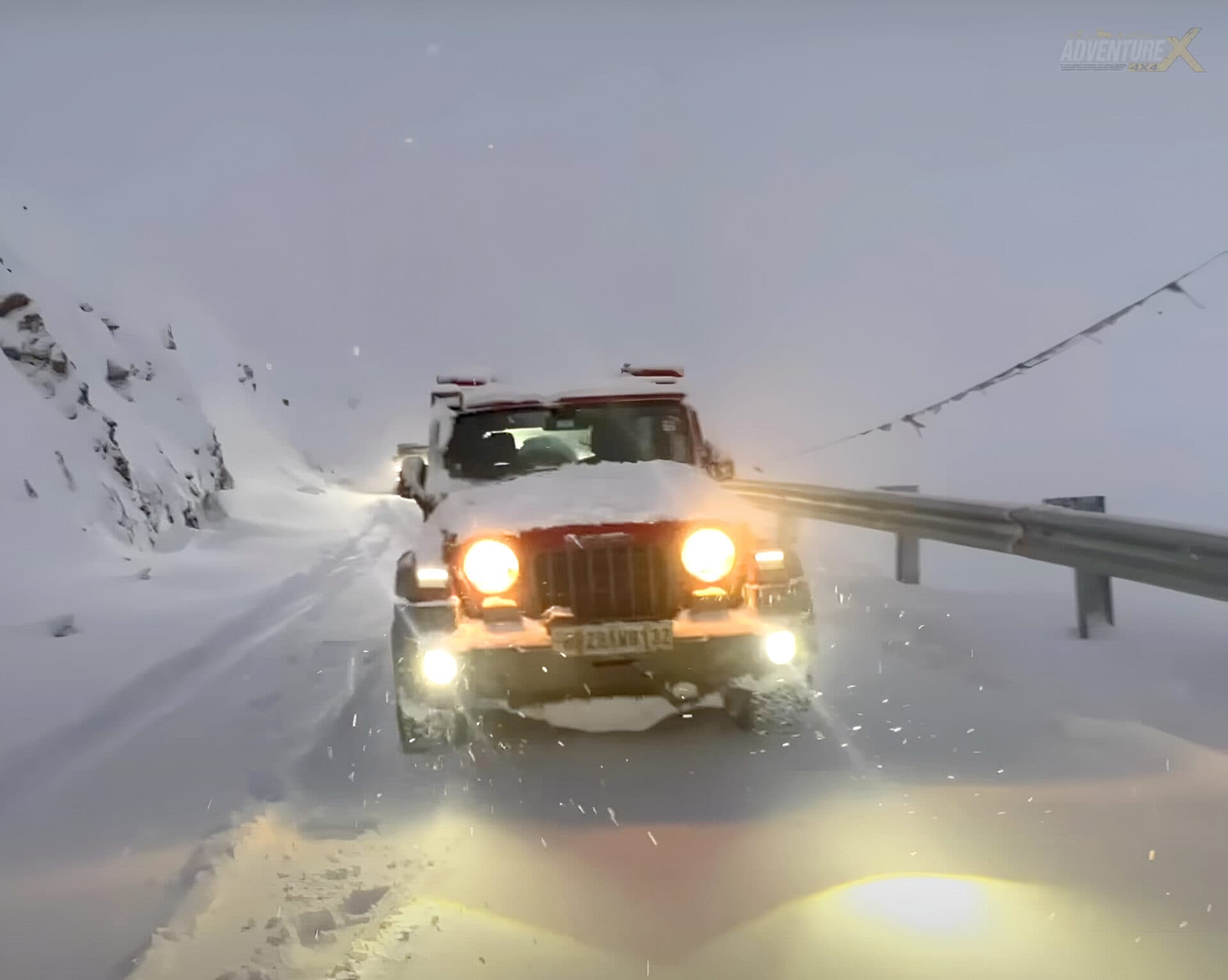
That cold is the entire point and the entire problem. It is what makes frozen Spiti one of the most striking landscapes you can drive to anywhere on earth — a high-altitude cold desert where the light goes pink on the Chau Chau Kang Nilda massif and the silence at a campsite is total. It is also what punishes anyone who treats this like a longer version of a Manali weekend. Diesel gels, batteries sulk, tyres turn to plastic on black ice, and a tent that was fine in October becomes a freezer at 2 a.m. Everything we say below comes from running this route in deep winter, repeatedly, and watching what separates the trips that finish from the ones that turn back at Nako.