
Stories
What a first AdventureX4x4 expedition actually feels like
Not the brochure version. What the first day, the hard night, and the final morning of a guided expedition really feel like.
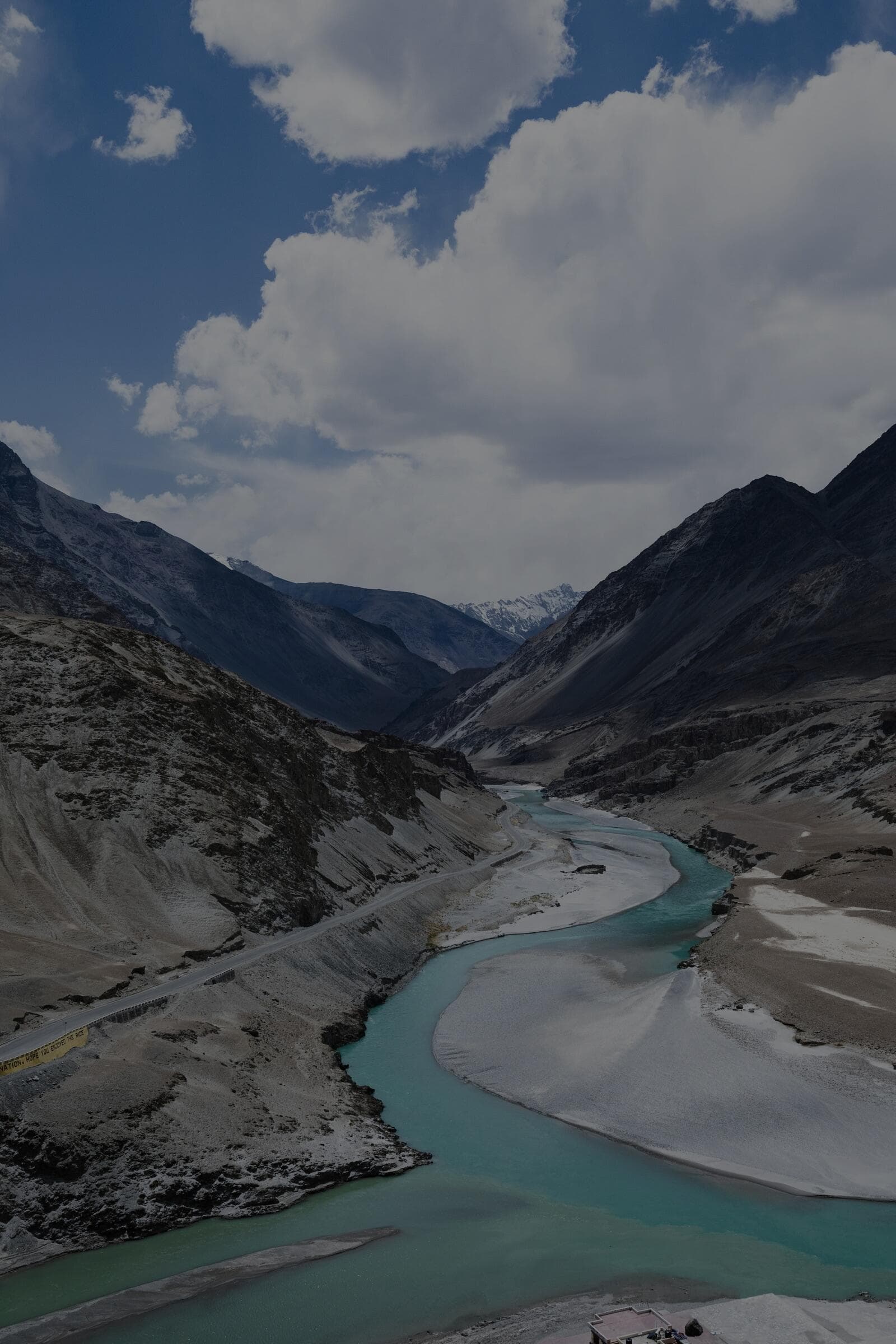
People ask what a guided expedition is really like before they book one. Not the photo reel, not the highlight video set to music - the actual feeling of it, hour by hour, including the parts that are uncomfortable and the parts that are quietly boring. Here is the honest version, drawn from running these trips year after year across the Ladakh Loop, the Rann, and the Spiti Frozen route. The landscapes differ, but the shape of the human experience is remarkably consistent, and if you know that shape in advance you arrive ready for it instead of surprised by it.
Before you go: the part that decides the trip
The expedition really starts a fortnight before you leave, and the people who have the best week are the ones who took that seriously. There is a pre-trip gear review and, where it applies, a vehicle inspection - not bureaucracy, but the single highest-leverage thing we do. The most common ways a first expedition goes sideways are boring and preventable: a battery that will not crank at -20C because nobody load-tested it, a sleep system rated for the plains taken to 4,000 m, recovery gear buried under two weeks of luggage, documents left at home. Sort those before you roll and the trip is free to be about the landscape and the people. Skip it and you spend your first morning at altitude troubleshooting instead of looking at the mountains. The unglamorous preparation is what buys the good days.
Day one: quieter than you expect
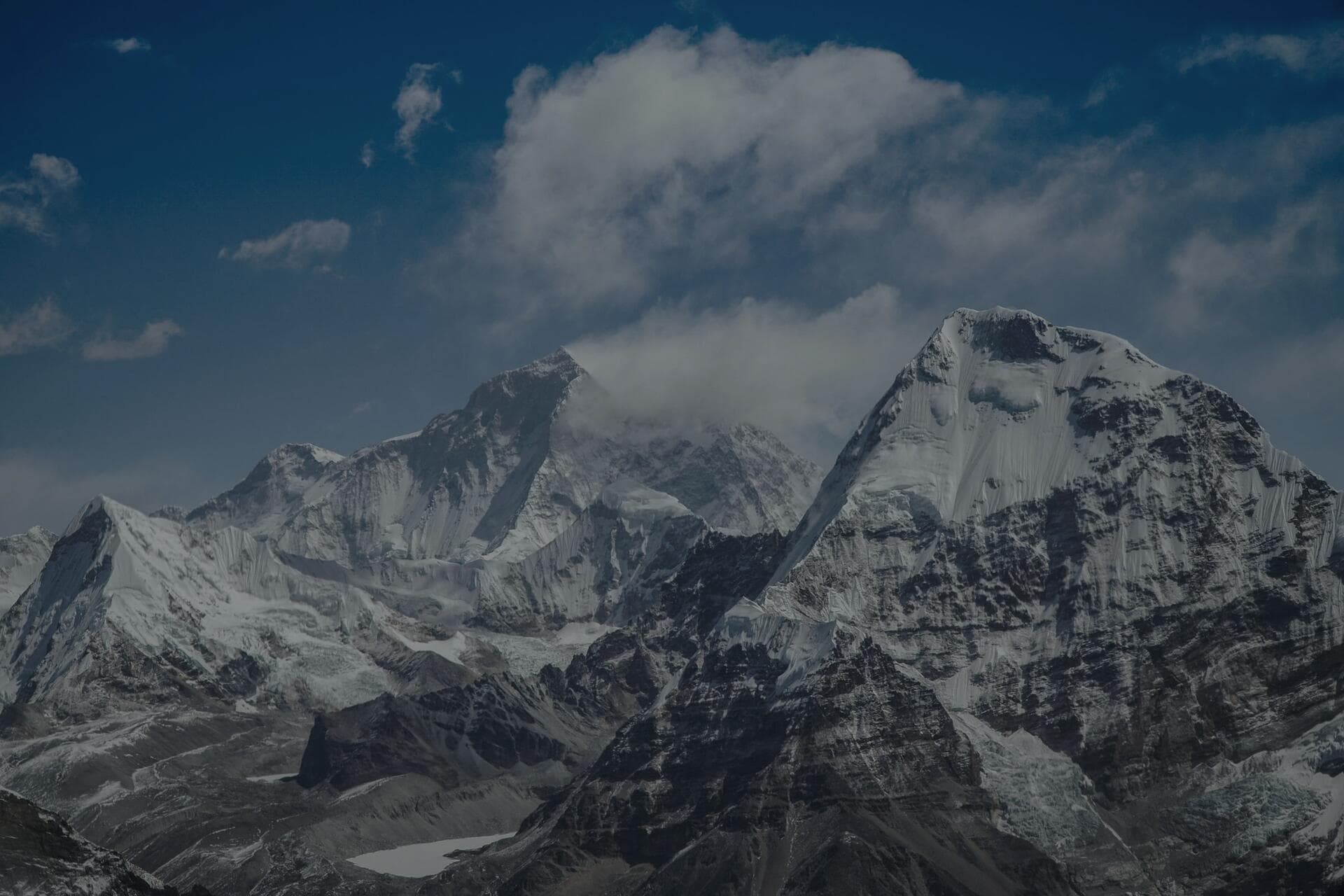
The first day is mostly briefing, vehicle checks, and an easy drive. It feels almost anticlimactic, and that is entirely deliberate. On the Ladakh Loop, day one is barely a stretch of altitude gain and a lot of standing around learning radio protocol, convoy spacing, hand signals, and where everyone's recovery points are - because altitude is the one thing on that trip that does not negotiate, and the schedule is built to let your body catch up before it is asked to do anything hard. People who came expecting drama on the first afternoon are sometimes restless. By evening that changes. The first night in a rooftop tent, in a convoy of strangers who will not be strangers by the end, parked somewhere with no phone signal and an absurd number of stars, is when it starts to land. You realise you are properly out here now, and the quiet of the day suddenly makes sense.
The rhythm sets in
By the second and third day a rhythm takes over, and it is one of the genuine pleasures of expedition travel that nobody anticipates beforehand. You wake with the light, the camp comes down in a routine that gets faster every morning, the convoy rolls, you stop for chai and to scout a crossing or air down for a rough section, you make camp in the afternoon with enough daylight to set up unhurried. Phones are mostly dark for days at a stretch, and people are visibly different for it - present in a way they are not at home. The driving skills compound quietly. A nervous reverse on day one becomes second nature; reading a line through rocks or a river bar stops being frightening and starts being interesting. You are not being taught so much as accumulating judgement, trip-hour by trip-hour, with guides close enough to step in but far enough back to let you learn.
The middle: the hard night
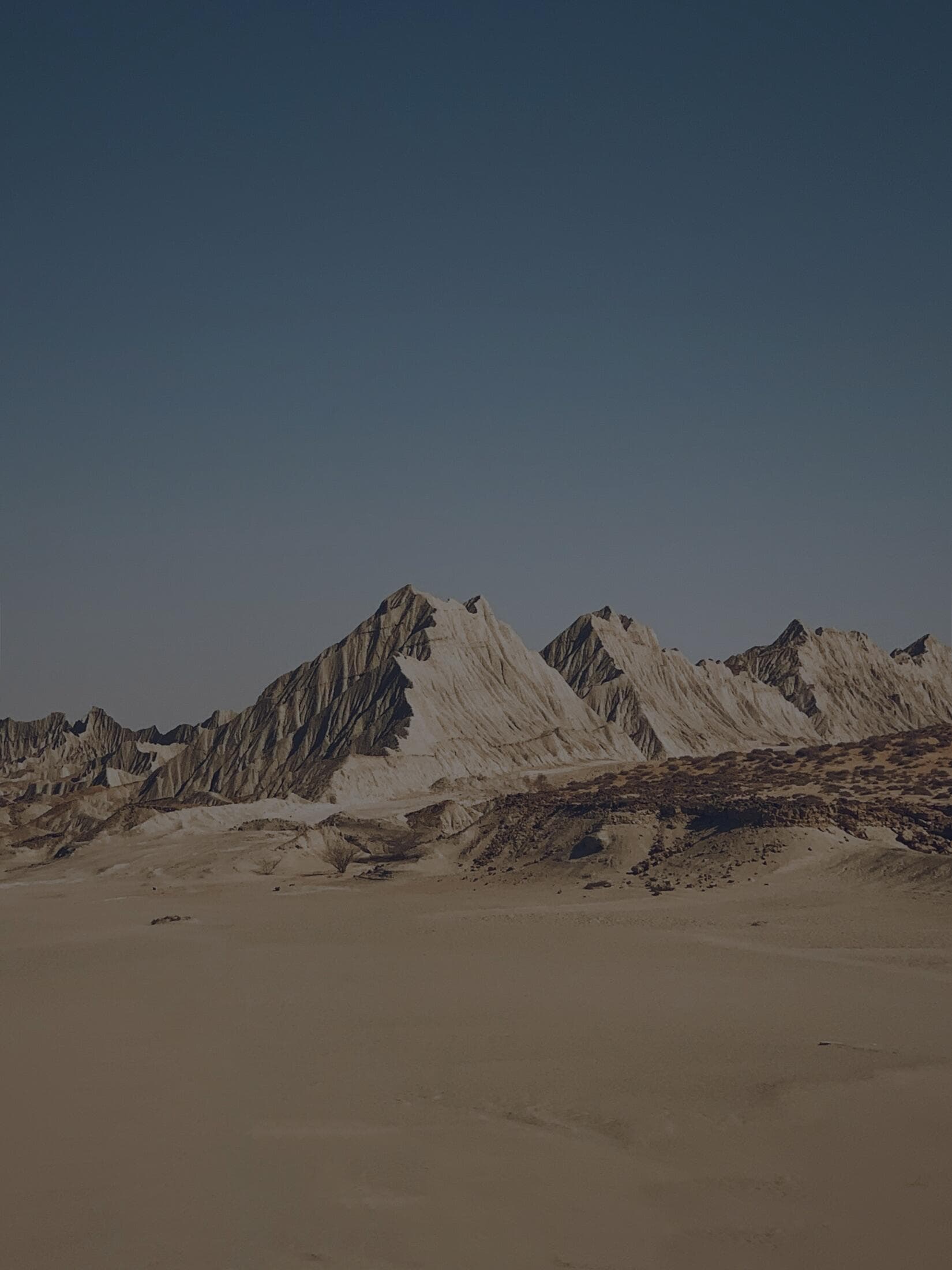
Every good expedition has one hard night, and it is worth saying plainly so you are not blindsided by it. Cold, or long, or weather that tests the gear and the group - a night above 4,000 m where the temperature falls past -20C and the wind finds every gap in your setup, or a day that runs long because a pass took longer to clear than planned and you make camp tired in the dark. It is, almost without exception, the night people remember most fondly afterward, precisely because getting through it together is the whole point of doing this in a group rather than alone. Our entire job as guides on that night is to make sure hard never tips into dangerous. There is a margin built into everything - the route, the gear, the timing, the medical kit, the convoy itself - and the hard night is where that margin quietly does its work while you are mostly just trying to get warm. You come out the far side having proven something to yourself you did not know needed proving.
Altitude, honestly
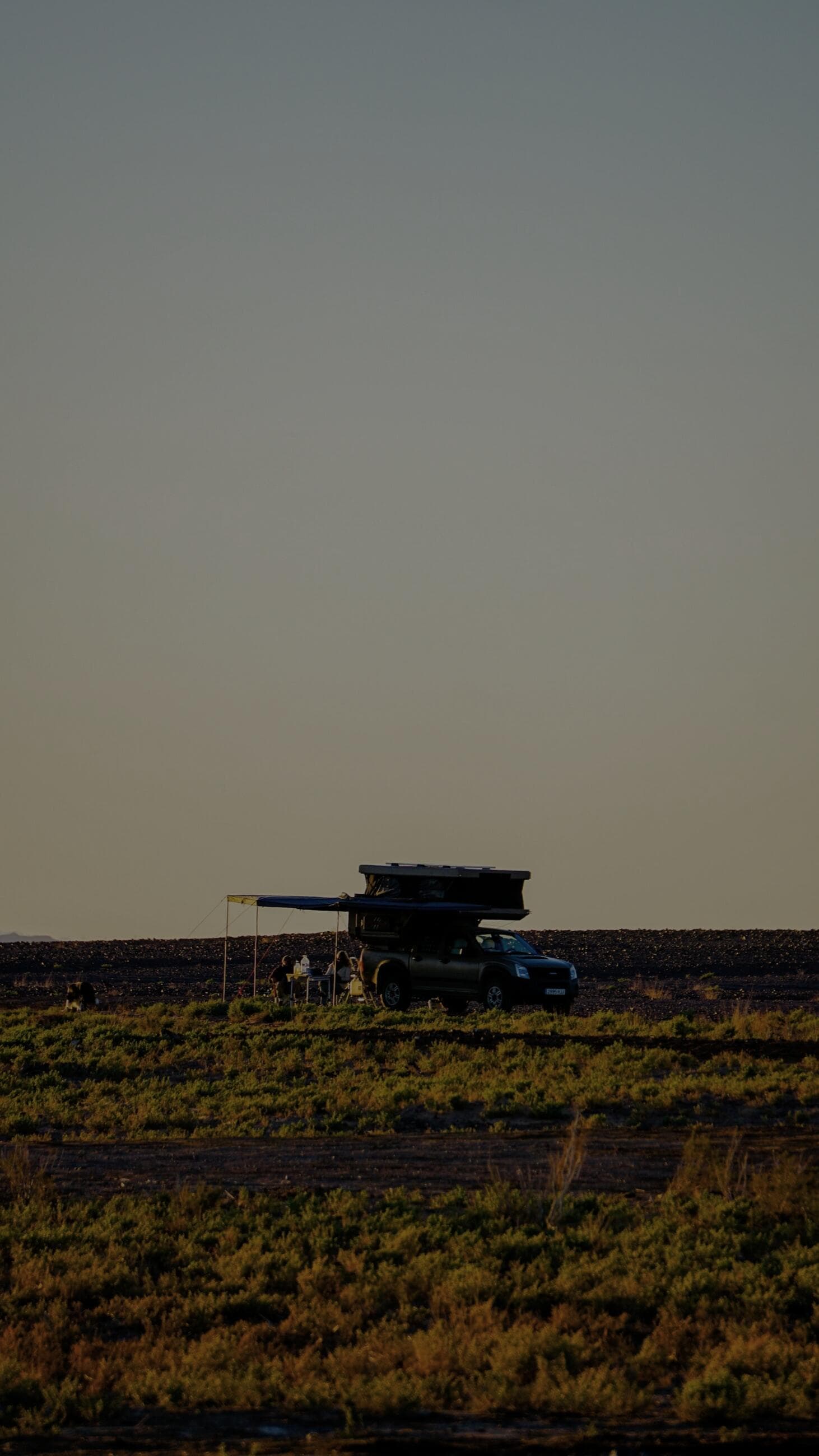
Since most first AdventureX4x4 expeditions involve altitude, here is the straight version. Acute Mountain Sickness does not care about your fitness, your age, or how many gym sessions you logged before the trip - it is about how fast you ascend relative to how fast your body adapts, and that is genuinely individual. On a high route like Ladakh or Spiti you will feel it: a headache the first night, breathlessness on the smallest climb, broken sleep, no appetite. That is normal and it passes if you let it. The itinerary is built around rest nights for exactly this reason, and the rule we never bend is to not gain altitude faster than the group can absorb. What you do about it: hydrate hard, eat even when you do not want to, skip alcohol the first few days, and tell a guide the moment something feels worse than ordinary discomfort. Managed properly, altitude is just part of the texture of the trip. Ignored or pushed against, it is the one thing that can genuinely end someone's expedition early.
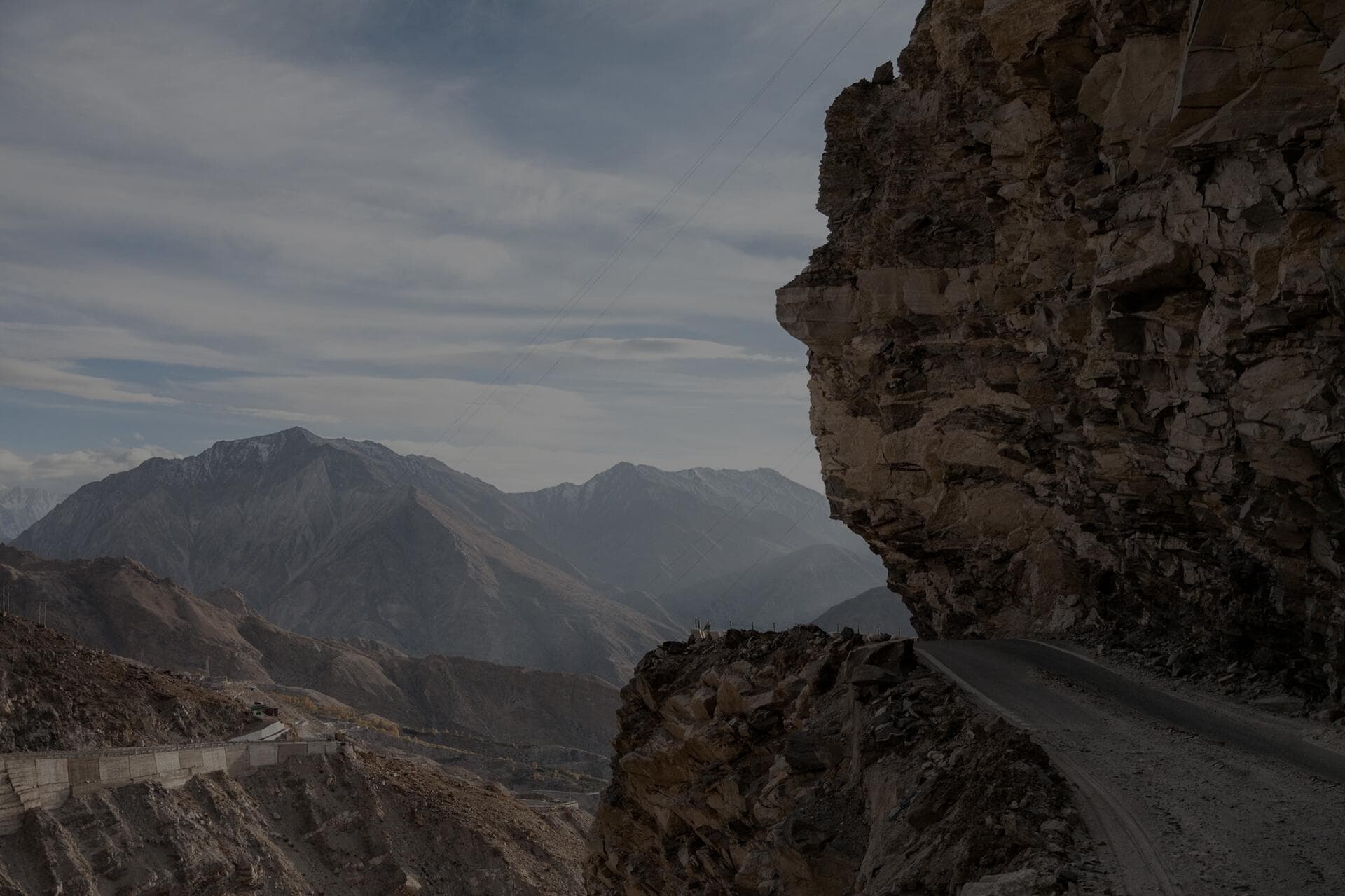
The final morning
By the last morning the convoy moves like one machine. People who could not reverse with confidence on day one are reading terrain, spotting each other across crossings without being asked, breaking camp in half the time it took at the start. That change - in a week, sometimes less - is the thing nobody books for and everybody leaves with. There is usually a strange flatness on the last day too, a reluctance to come back down into signal and traffic and ordinary life, and a set of phone numbers swapped among people who were strangers a week earlier and will be at each other's trips for years. You came for the landscape. You leave having been quietly rebuilt by the discomfort and the company, which is the part the brochure can never quite sell because it only makes sense once you have lived it.
You come for the landscape. You leave changed by the hard night and the people who got through it with you.
What people wish they had known before day one
A few honest things come up again and again at the end of a trip, from people who would do it slightly differently next time. The first is that warmth is everything and they under-packed for it - not because they were reckless, but because a Faridabad or Mumbai winter does not prepare you for a -20C night at 4,000 m, and the layer you skipped to save bag space is the one you lie awake wishing you had brought. The second is that they tried to do too much on the early days and paid for it at altitude; the rest nights that felt like wasted time on the itinerary turned out to be the reason they felt good by the middle of the trip. The third, almost universally, is how little they missed their phones, and how much better the company was for everyone being present instead of half-elsewhere. And the last is that the hard night they dreaded beforehand became the thing they talk about most - that the discomfort, managed and shared, was not the price of the trip but a large part of the point of it. None of this is in the brochure because none of it quite lands until you have lived a week of it.
Frequently Asked Questions
Do I need off-road experience to join a first expedition?
No. The beginner-graded trips - the Rann and Kutch run, or a summer Spiti - are built for capable drivers who are new to expedition conditions, not for experienced off-roaders only. You need to be a competent road driver, willing to learn, and honest about your limits. The convoy, the briefings, and the guides do the rest. The trips that genuinely require experience - winter Spiti above all - are graded and described as such, so you can self-select honestly.
What if my vehicle isn't fully built for it?
That is what the pre-trip review is for. A stock-plus 4x4 with sound tyres, a working recovery point at each end, and a sleep system rated to the conditions is enough for the beginner and intermediate routes. We will tell you honestly before you commit if there is a genuine gap - a battery that will not survive the cold, a tyre that is past it - rather than letting you discover it at altitude. The aim is the right kit for the trip, not the most kit.
How cold does it actually get, and will I sleep?
On a summer high-altitude trip, nights are cold but manageable - single digits to a little below freezing. On winter Spiti, nights routinely fall past -20C and a rooftop tent's inside surface will frost. You will sleep well if your system is right: a tent rated to the temperature, a proper thermal mattress, an anti-condensation mat, and a warm bag. The most common cold-night complaint is condensation freezing inside an under-specified tent, which is a gear problem, not a fate. Spend on the sleep system and the cold becomes part of the adventure rather than a misery.
Put it into practice
Write your own chapter - shop the gear or come drive with us.