
Destinations
Camping at Pangong Tso: Rules, Altitude, and Where to Pitch a Rooftop Tent
Everything about camping at Pangong - the new lakeshore rules, the 4,225 m altitude, and exactly where to pitch.
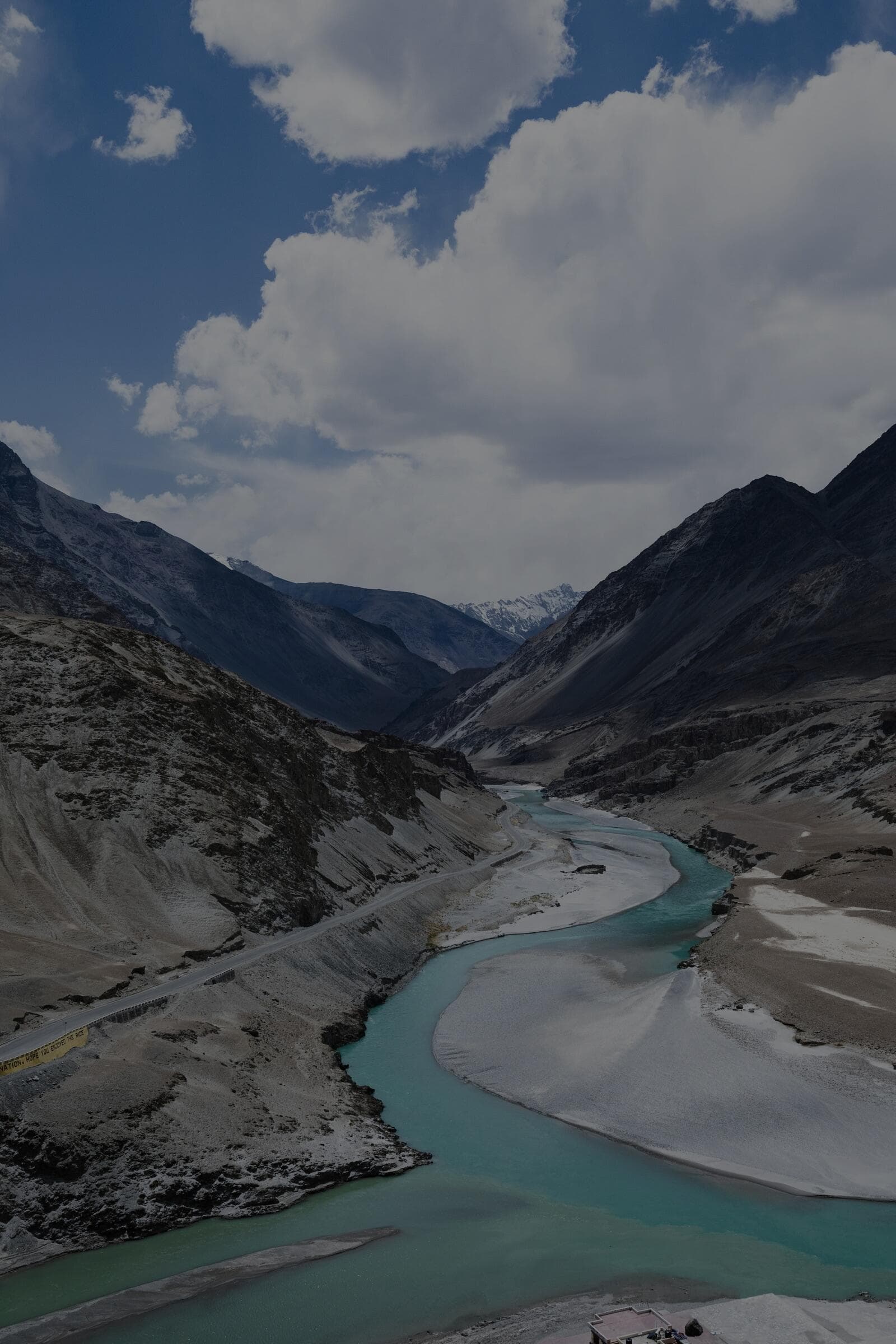
Camping at Pangong Tso is legal but tightly regulated: you may no longer pitch directly on the lakeshore, and camps are now pushed back to designated zones around Spangmik, Man and Merak villages, away from the water's edge to protect this fragile high-altitude wetland. The lake sits at about 4,225 m, which makes it one of the highest camping spots on a Ladakh trip and a place you should only sleep after several nights of acclimatisation in Leh and Nubra. We have camped here across many seasons, and the two things that catch people out are the altitude - colder and harder on the body than the numbers suggest - and the fast-tightening rules on exactly where vehicles and tents are allowed. Camp in a sanctioned spot, carry an Inner Line Permit, and Pangong is one of the great overland nights in India.
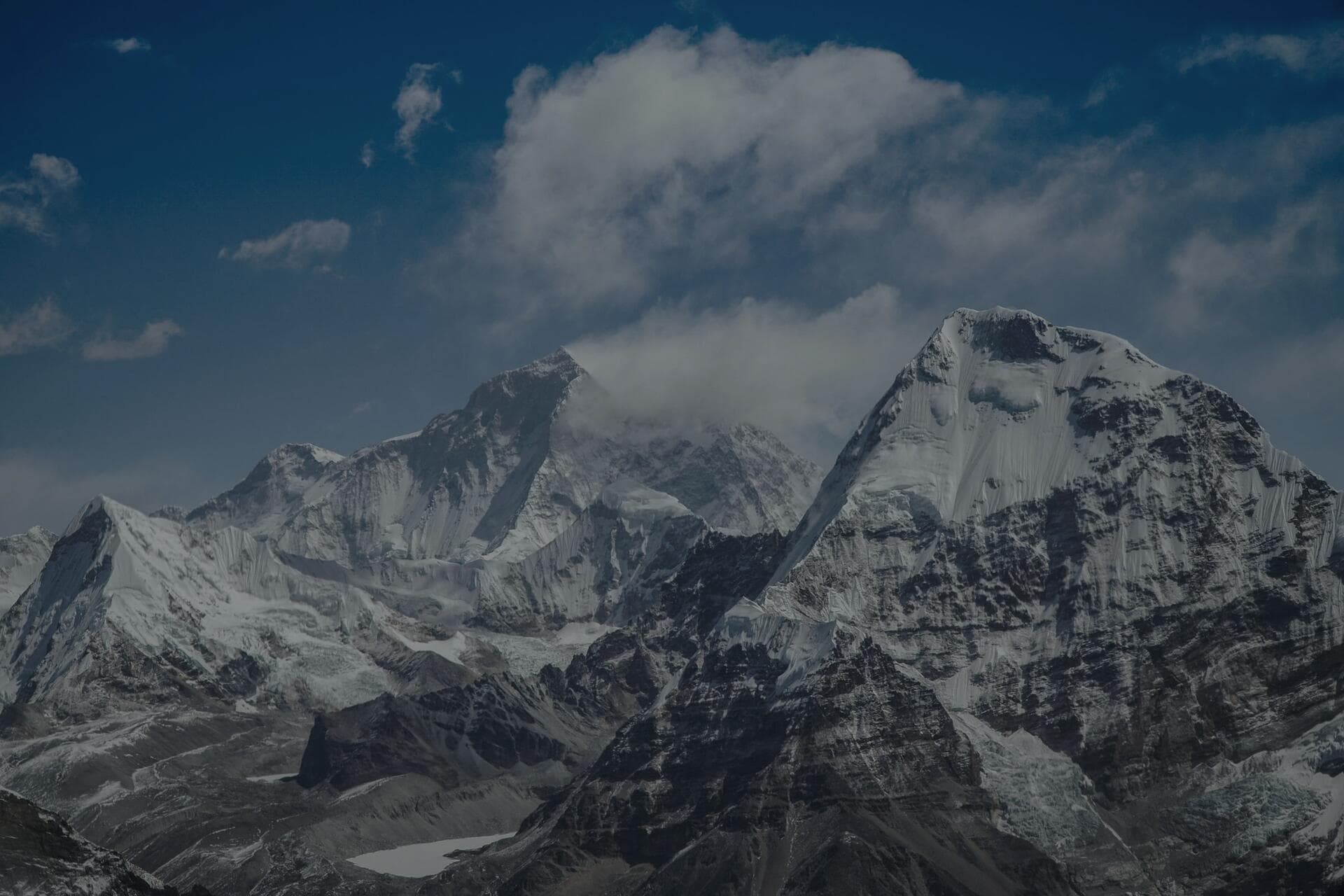
It helps to understand what Pangong actually is before you plan a night there. It is a long, narrow endorheic lake - roughly 134 km end to end, of which only about a third sits on the Indian side near Spangmik - and endorheic means it has no outflow. Nothing drains it. Every gram of waste, every drop of greywater, every wet wipe that gets left behind stays in that basin, and at 4,225 m in a cold desert it barely breaks down. That single fact is the reason the administration has clamped down so hard, and it is the reason we are unapologetic about the leave-no-trace rules below. The blue you drove three days to see is the most photographed water in the country, and it stays that colour only because the saline, mineral-rich water is kept clean. Treat it like the closed system it is.
What are the current rules for camping at Pangong?
The administration has progressively restricted lakeside camping to curb pollution and protect the ecosystem. The practical position now: stay at the registered camps and homestays in Spangmik, Man or Merak, do not drive vehicles down onto the immediate shoreline, and do not pitch on the waterline. Independent rooftop-tent campers are increasingly expected to use designated areas behind the villages rather than the open shore that featured in older trip reports and films. Rules here change season to season, so the honest advice is to confirm the latest position in Leh when you collect your permit, and never assume an old blog's campsite is still allowed. Pack out every scrap of waste; this is a closed lake with no outflow and litter does not break down at this altitude and cold.
- No pitching on the lakeshore waterline - camps are set back near Spangmik, Man and Merak.
- Use registered campsites and homestays; independent shoreline camping is being phased out.
- Carry an Inner Line Permit (Indians) or Protected Area Permit (foreigners), checked en route.
- Pack out all waste, including greywater and toilet waste - the lake has no outflow.
- Confirm the current rules in Leh when you get your permit, as they tighten most seasons.
A practical note on enforcement: the checkpost at Tangtse, plus periodic patrols by the local administration and wildlife wardens around Spangmik, mean the rules are not theoretical. Drivers have been turned back or fined for taking a vehicle down onto the shingle near the water, and a registered camp owner who lets you pitch in the wrong spot is risking his own licence, so he will not do it. The smoothest way to camp here is simply to book or check in with one of the registered Spangmik or Man camps, ask them exactly where you may park and deploy your own rooftop tent, and follow that. Many camps are happy to let self-sufficient overlanders use their plot and washrooms for a small fee even if you sleep in your own rig - that arrangement keeps you legal, keeps your waste in a proper soak pit, and keeps a few hundred rupees with the village that has to live with the lake all year.
How high is Pangong and how does the altitude feel?
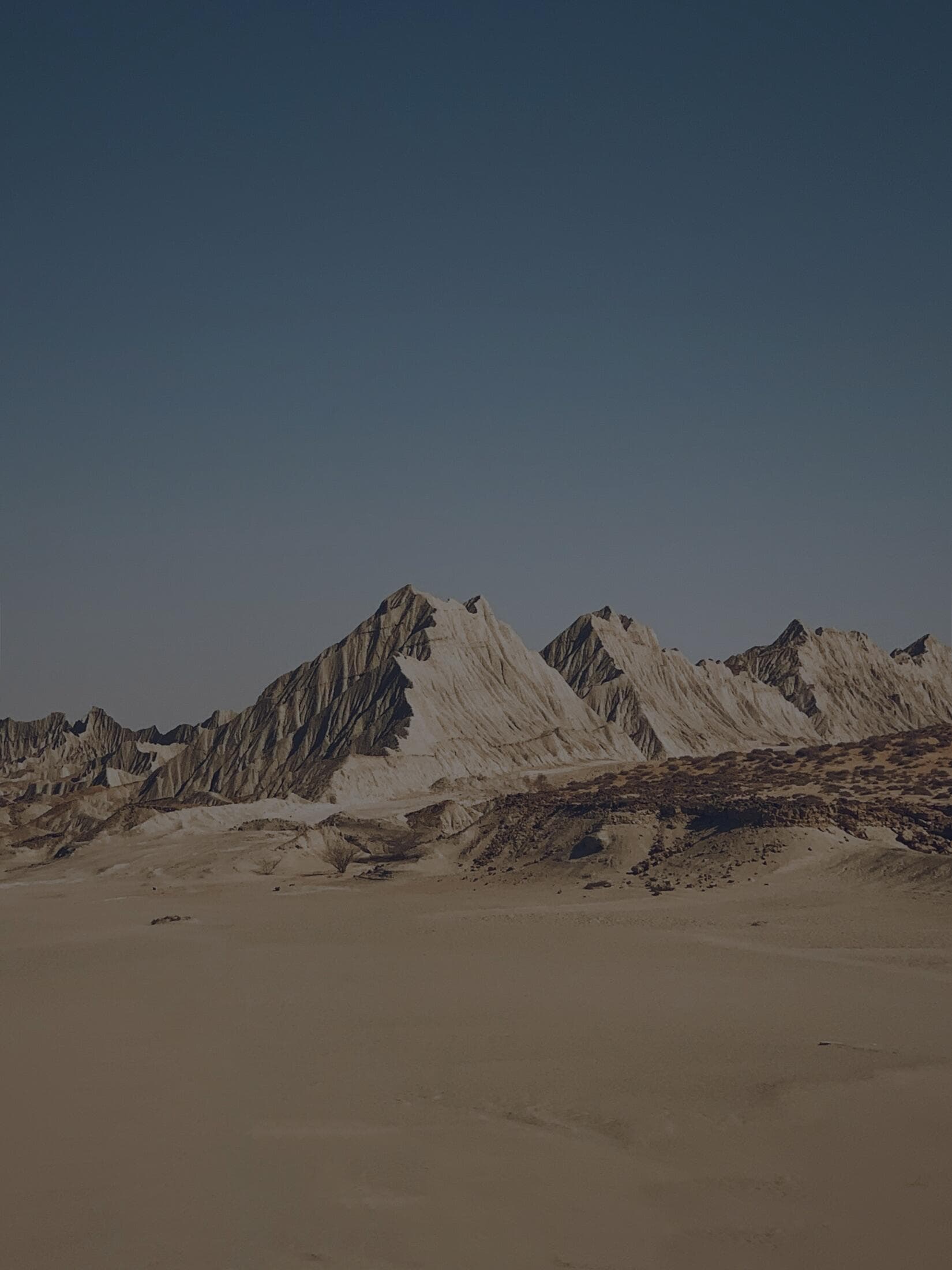
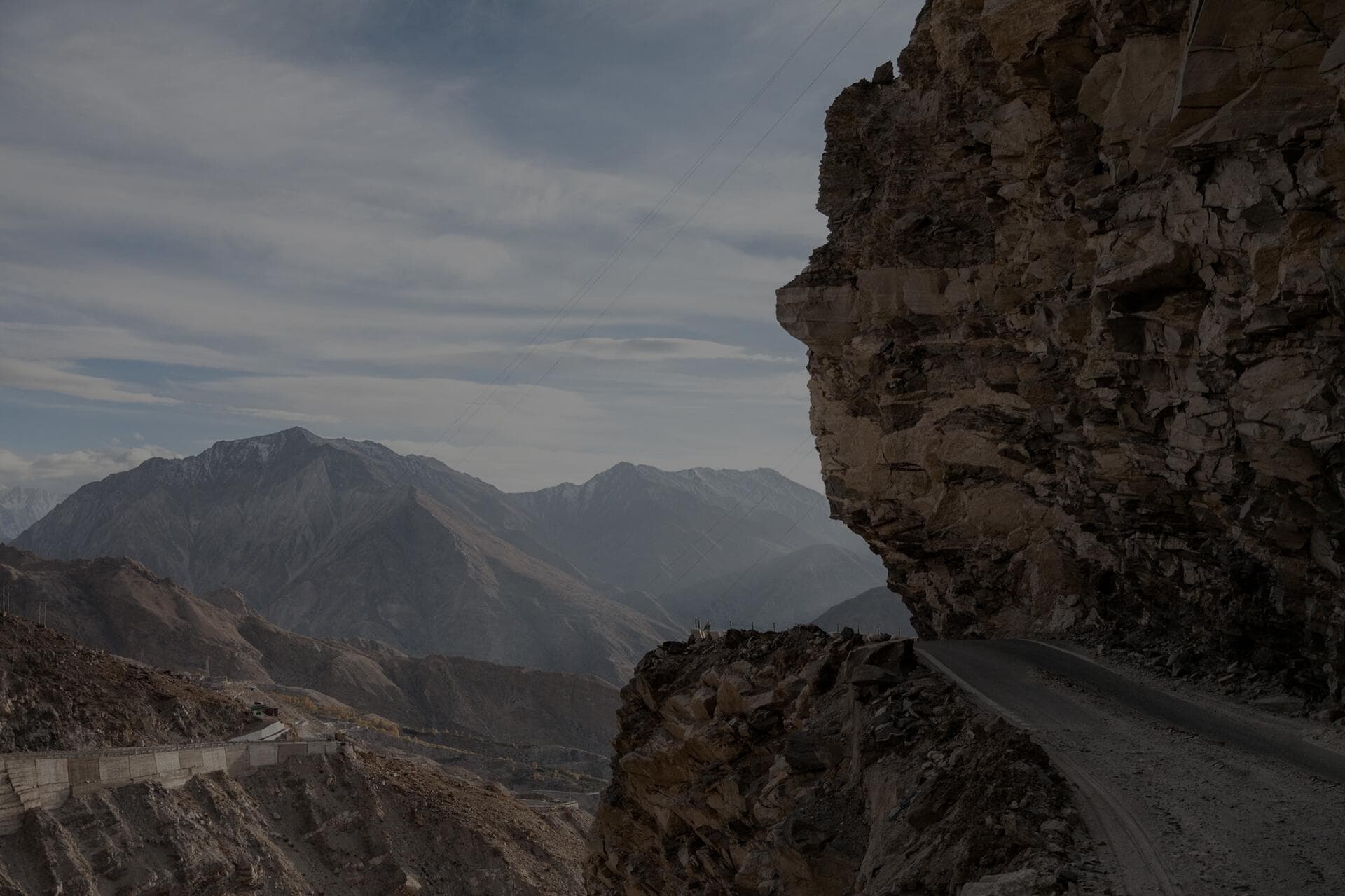
Pangong Tso sits at about 4,225 m, higher than Leh and high enough that an unacclimatised body will struggle to sleep. The drive in from Leh crosses Chang La at 5,360 m, so you go very high before dropping to the lake - which is why we never send anyone to Pangong on their first or second day in Ladakh. By the time you camp here you should have spent at least three to four nights getting your altitude, ideally Leh then Nubra then Pangong. Nights at the lake routinely fall below -5C even in summer and far colder in shoulder season, with a wind that comes straight off the water after dark. Headache, breathlessness and poor sleep are common; serious symptoms mean you descend toward Leh, not push on.
Be specific about the warning signs, because at 4,225 m the line between a rough night and a real emergency is thinner than people expect. Ordinary acute mountain sickness shows up as a dull headache, loss of appetite, nausea and broken sleep - unpleasant but manageable if it does not worsen. What you are watching for is the slide into something dangerous: a headache that paracetamol will not touch, vomiting, confusion or unsteady walking (the heel-to-toe test - if someone cannot walk a straight line, that is a red flag for high-altitude cerebral oedema), or breathlessness at rest with a wet, crackly cough and frothy or pink phlegm (the signature of high-altitude pulmonary oedema). Either of those means one thing only: get in the vehicle and lose altitude immediately, back toward Leh, day or night. Do not wait for morning. The single most effective treatment for serious altitude illness is descent, and the road back over Chang La drops you fast. Carry the standard prophylaxis if your doctor has prescribed it, sleep with your head slightly raised, avoid alcohol the night you arrive, and do not gain sleeping altitude faster than your body can follow.
Where exactly should you pitch a rooftop tent?
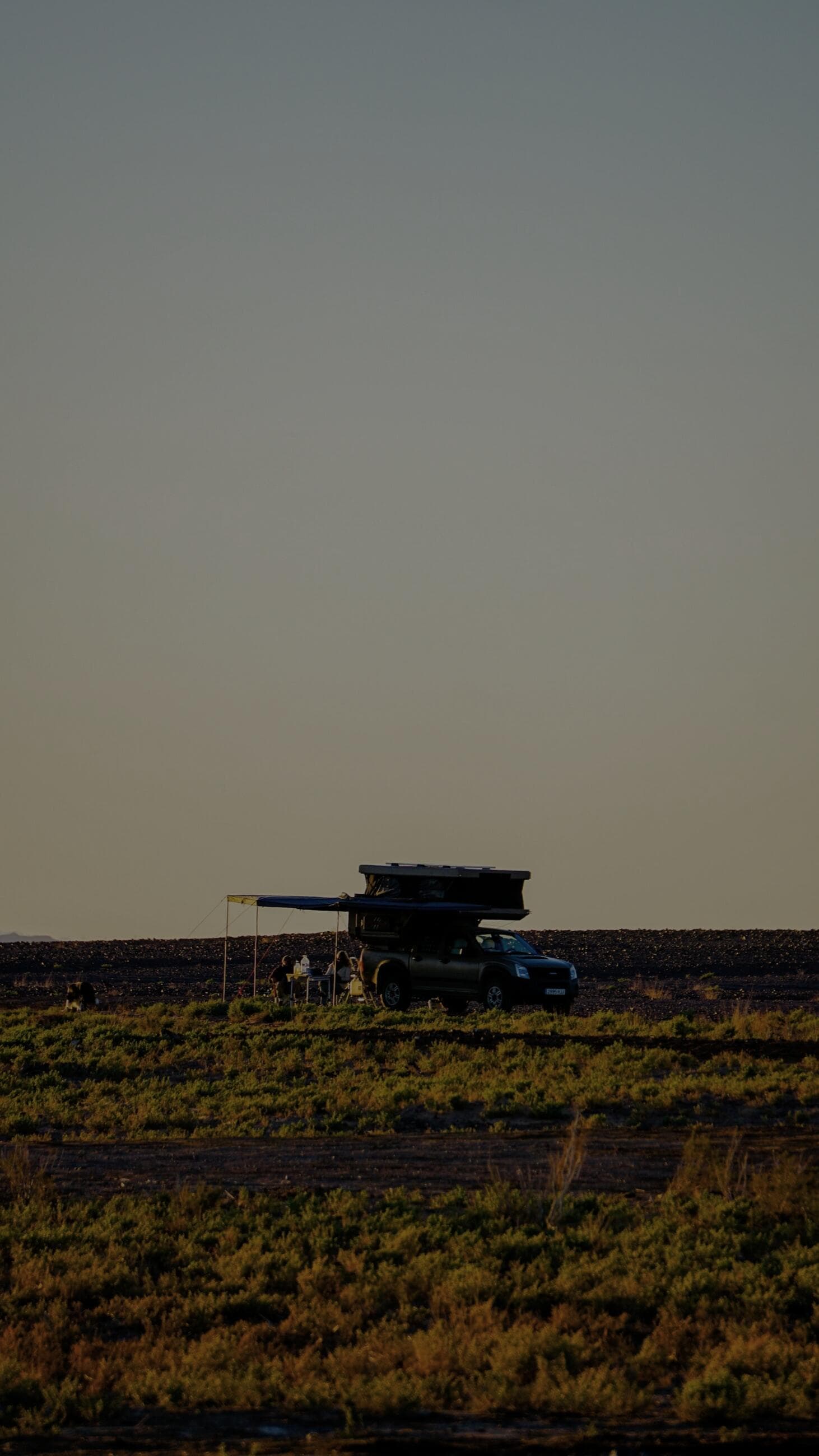
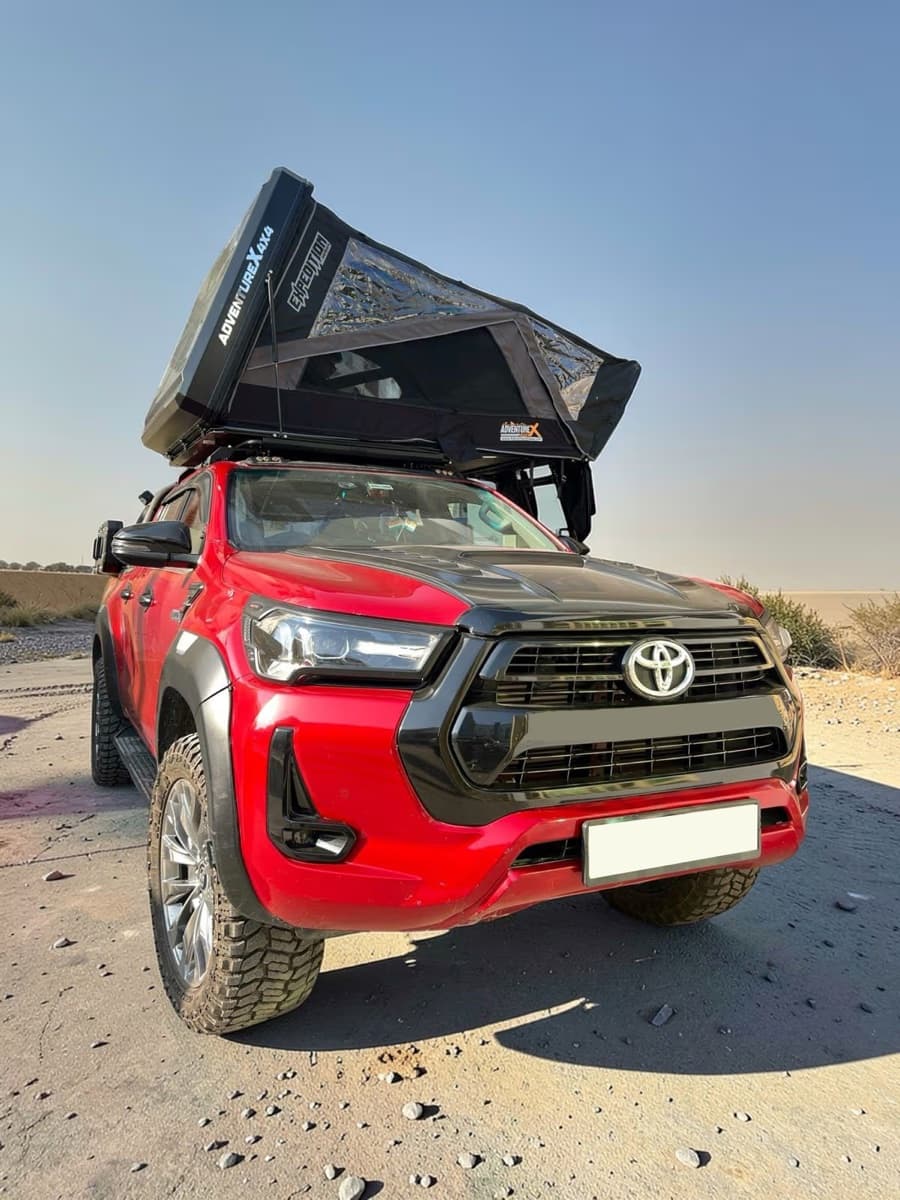
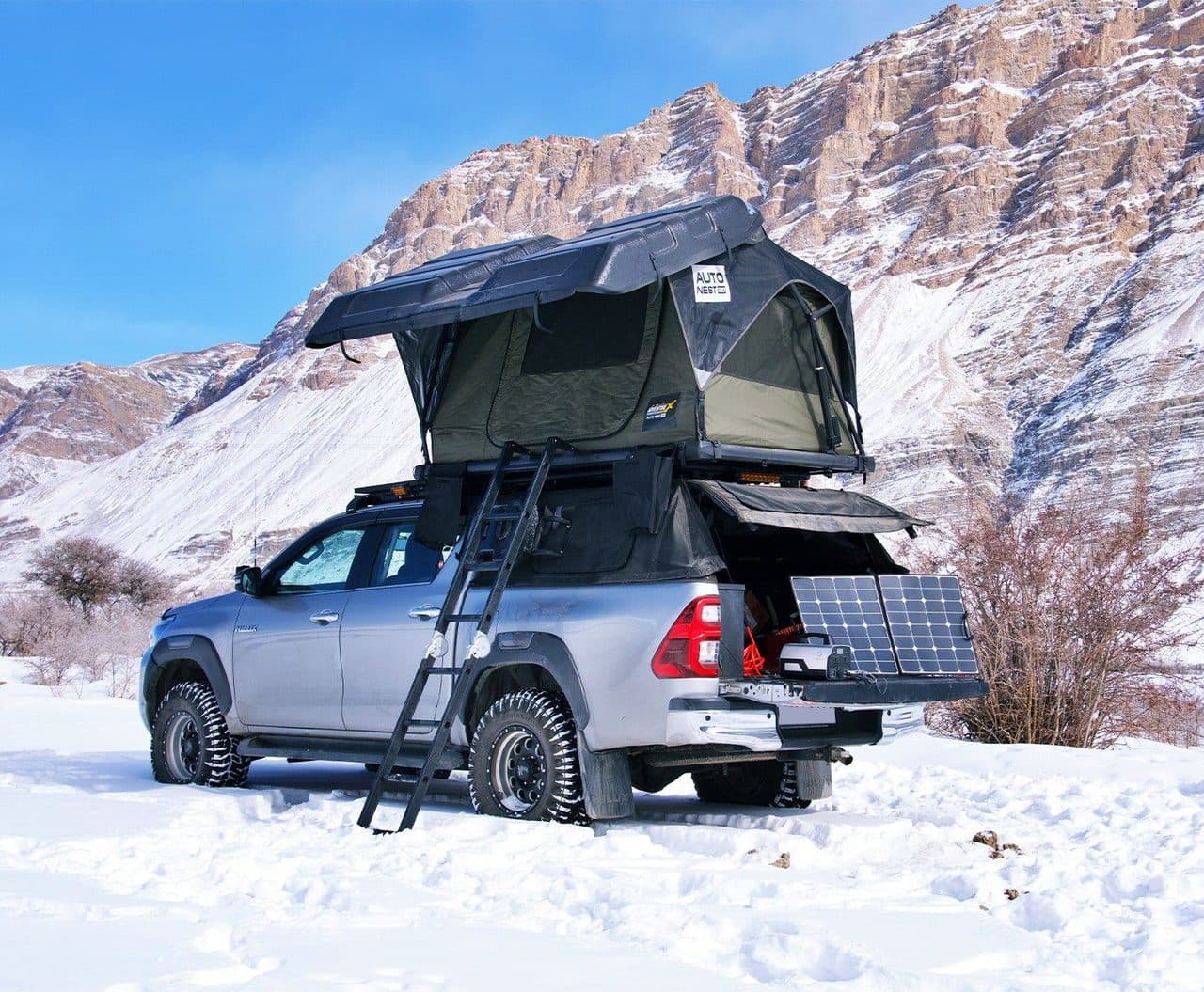
Pitch at a designated camp area behind Spangmik or Man, on firm ground, with the vehicle oriented nose into the prevailing wind that builds off the lake every afternoon. The ground near Pangong is a mix of gravel and sand and is exposed - there is almost no natural windbreak, so the vehicle itself and a low-deployed hardshell are your shelter. A hardshell rooftop tent like the Bison61 or AutoNest 120 is genuinely the right tool here because it pitches in under a minute (valuable when the light and temperature are dropping fast at 4,225 m) and resists the wind far better than a ground tent staked into loose gravel. Run a four-season bag rated to at least -15C; the rooftop tent keeps you off the cold ground, which alone makes a big difference to how you sleep.
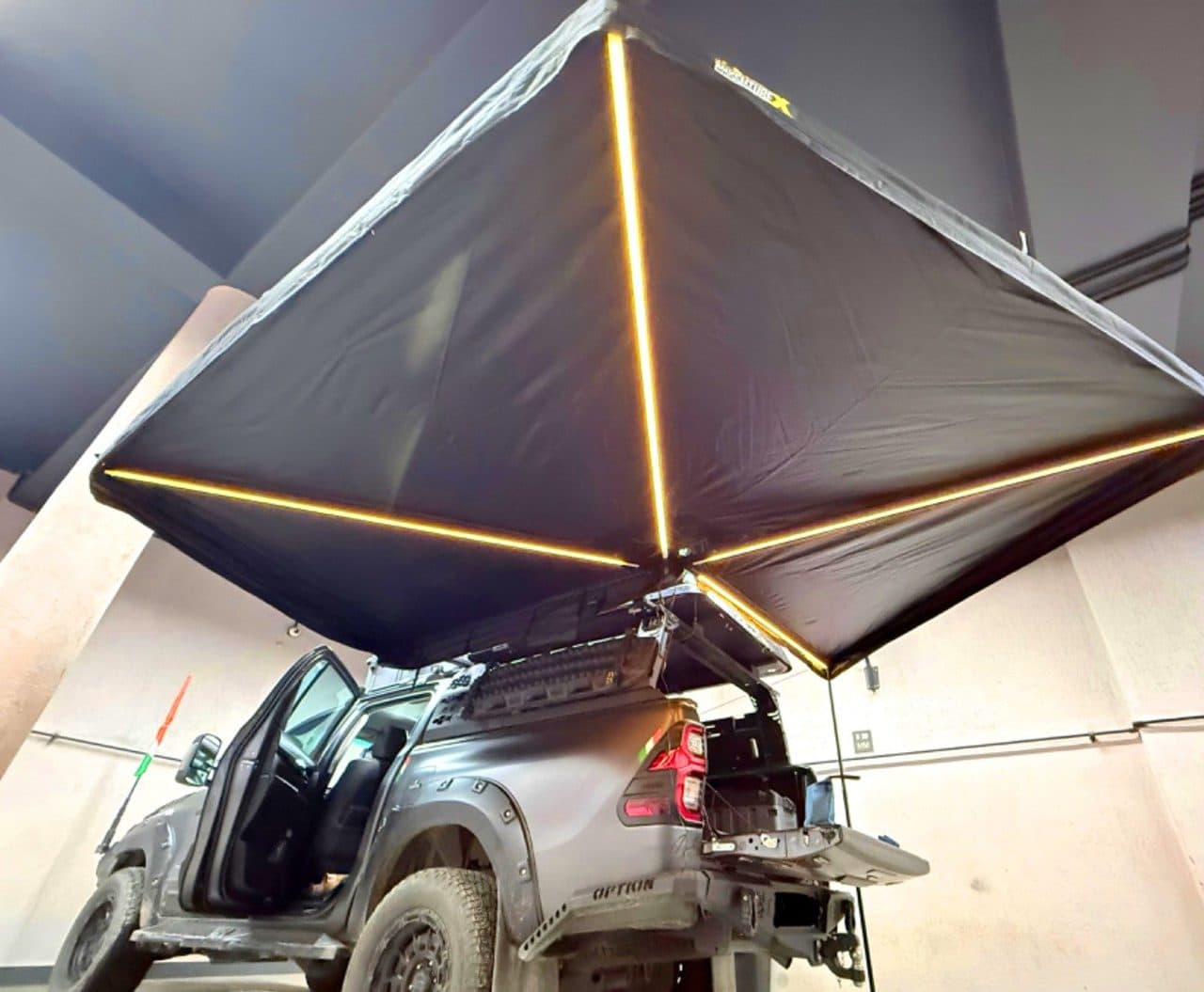
The wind is the detail that catches first-timers. Pangong runs through a valley that acts like a funnel, and almost every day a katabatic wind builds off the water through the afternoon and peaks around dusk, exactly when you want to be setting up camp and cooking. Plan your day around it: aim to be parked and deployed by mid-afternoon, not racing the dark. Once you have chosen your firm gravel spot, point the nose of the vehicle into that prevailing wind so the rig breaks the gusts for the awning and your cooking area, and so a deployed hardshell sheds wind rather than catching it like a sail. If you run a SaberLight 270 awning, this is the night to be conservative with it - deploy only the panels you need, guy them down hard, and be ready to stow it if the wind turns vicious, because an awning that tears at 4,225 m is not getting repaired up there. Keep your heavy gear in the vehicle, not in the tent loft, so the rig stays planted. And give yourself a moment of patience with the deploy: at this altitude you will be breathing hard after thirty seconds of physical effort, so a tent that opens in under a minute is not a luxury, it is what stops you arriving at your sleeping bag already exhausted and cold.
What do you need to survive the night comfortably?
Cold management is everything. Beyond the bag, carry an insulated sleeping mat, a windproof outer layer for the inevitable midnight trip outside, and a way to make hot fluids - a warm drink at 11 pm transforms the night. Keep your water bottles in the tent or they freeze solid; keep your vehicle battery healthy because cold saps cranking power and you do not want a no-start at 4,225 m. We carry a small ThermaEvo heater for the pre-sleep hour, used with proper ventilation, never sealed up. And eat well - the body burns far more energy keeping warm at altitude, and going to bed cold and hungry is how a beautiful campsite becomes a miserable night.
- Sleep system: a four-season bag rated to at least -15C, an insulated mat under it, and a silk or fleece liner to add several degrees cheaply.
- Water: keep bottles inside the tent or your bag overnight, or they freeze; a wide-mouth flask of hot water at bedtime doubles as a foot-warmer.
- Battery and power: start the night with a full battery, insulate it, and avoid draining the starter battery running lights or charging phones - use a separate power bank or auxiliary battery.
- Heat, used safely: a ThermaEvo heater for the pre-sleep hour only, with a window cracked for ventilation, never run sealed and never left running as you fall asleep.
- Fuel for the body: a proper hot dinner and a warm breakfast, plus high-calorie snacks - the body burns far more energy keeping warm at altitude.
One worked example of how a Pangong night actually goes, so you can plan yours. You roll in from Leh in the early afternoon, find your spot at a registered camp behind Spangmik, and deploy the rooftop tent before the wind builds - call it 3 pm. You cook and eat a real, hot meal by 6 pm while there is still light and warmth, fill a flask, and get your water bottles into the tent. By the time the sun drops behind the ridge the temperature falls off a cliff, the wind comes up off the water, and you want to be inside layering up rather than fumbling with a stove in the dark. You run the heater for the hour before sleep with a window cracked, then switch it off, climb into a -15C bag with a liner over a dry base layer, and tuck the hot flask in by your feet. The wind hammers the shell most of the night - that is normal and a hardshell shrugs it off - and you wake to a frozen world, a stiff canvas, and that impossible blue. That is the night people travel across the country for. Make hot tea, let the sun do its work on the tent, and do not rush the descent.
Pangong rewards the prepared and humbles the careless. Sleep low for a few nights first, camp where they tell you, and carry out everything you carry in. That blue is not yours to spoil.
How do you get there and refuel?
The standard route is Leh to Pangong via Chang La, about 220 km and 5 to 6 hours, with the permit checkpost at Tangtse. There is no reliable fuel at the lake, so fill completely in Leh and ideally carry a jerry can, because the round trip plus exploring the shore between Spangmik, Man and Merak adds up. Karu, on the way out of Leh, has the last dependable pump - fill there if you missed it in town. Mobile signal is minimal and electricity at the camps is limited to a few solar hours, so go in expecting to be off-grid and tell someone in Leh your plan and expected return.
- Route: Leh to Pangong via Chang La (5,360 m), about 220 km, permit checkpost at Tangtse.
- Fuel: fill in Leh or at Karu - no reliable pump at the lake. Carry a jerry can.
- Cold kit: -15C bag, insulated mat, windproof layer, hot drinks, heater used with ventilation.
- Off-grid: minimal signal and limited solar power at camps - go self-sufficient.
A word on the drive itself, because the journey to Pangong is part of why you do not arrive fresh. Chang La at 5,360 m is higher than the lake you are going to sleep at, so you crest a brutal altitude before dropping to camp, and the section near the top is often broken, with patches of ice and meltwater even in summer. The army caps how long vehicles may stop at the top - take your photo and keep moving, because loitering at 5,360 m after climbing from Leh is exactly how a good day turns into altitude sickness. Most working mobile signal dies somewhere past Karu and does not properly return until you are back, so download your offline maps in Leh, agree a check-in time with someone in town, and consider a satellite messenger for genuine peace of mind. If anyone in your group is struggling on Chang La, that is your early warning to reconsider the night at the lake and think about turning back toward Leh.
Frequently Asked Questions
Can you still camp on the shore at Pangong Tso?
No, direct shoreline camping has been restricted to protect the lake. Camping is now confined to designated areas and registered campsites near Spangmik, Man and Merak, set back from the water. Always confirm the current rules in Leh, as restrictions have tightened steadily.
How cold does it get at Pangong at night?
Even in summer, nights at Pangong commonly drop below -5C, and in shoulder season they fall well below -15C with a strong wind off the lake. You need a four-season sleeping bag rated to at least -15C and proper insulation from the ground to sleep comfortably at 4,225 m.
Do you need a permit to visit Pangong Tso?
Yes. Indians need an Inner Line Permit and foreigners a Protected Area Permit, both arranged in Leh. The permit is checked at the Tangtse checkpost on the way to the lake, so carry it in original along with photocopies and ID.
Is it safe to camp at Pangong on your first day in Ladakh?
No. At 4,225 m, reached over the 5,360 m Chang La, Pangong is far too high for an unacclimatised body. Spend at least three to four nights acclimatising in Leh and Nubra first. Camping here too early is a common cause of serious altitude sickness.
Which months can you camp at Pangong?
The comfortable window is roughly June to September, when Chang La is reliably open and nights, while still below freezing, are survivable with a good four-season setup. Shoulder season either side brings sudden snow on Chang La and far colder nights at the lake. Winter camping at Pangong is possible for serious, fully equipped expeditions only, when the lake itself can freeze solid, and is not a trip for a first-timer.
Gear featured in this story
The kit named above, with current pricing - tap through for full specs.
Put it into practice
Headed this way? We run guided expeditions on these routes - permits, recovery and a mechanic all handled.