Stories
A Winter Spiti Expedition Diary: Nine Days, -20C, and What the Gear Taught Us
Nine days through frozen Spiti at -20C. A daily diary of the cold, the route, and what our gear taught us.
In January we ran a nine-day winter expedition through Spiti, where night temperatures bottomed out near -20C, the Spiti river was a ribbon of ice, and every piece of gear on the rigs was tested harder than any chamber could manage. The short version: the AutoNest 120 deployed every single morning despite frozen canvas, the ThermaEvo heater turned the difference between sleep and a sleepless shiver, and TractionX snow chains earned their keep on the climb to Komic. This is the honest day-by-day diary of what worked, what we would change, and what nine days at -20C teaches you that no spec sheet ever will.
Before the route, the numbers that framed everything. We ran two rigs - a Thar on 235/70 R16 all-terrains and a Gurkha on 255/85 R16 - both loaded to roughly 2.6 tonnes with rooftop tents, water, fridges, recovery kit and nine days of fuel margin. We carried winter-grade diesel topped with anti-gel additive from Shimla onward, two pairs of TractionX AX chains per vehicle, and a ThermaEvo each. The plan was deliberately slow: short daily stages, daylight camps, and the humility to turn back if Kunzum side or the Komic climb said no. Spiti in deep winter is not a place you push through on schedule. It is a place you negotiate with, one cold morning at a time.
Days One And Two: Shimla To Kalpa, Easing Into The Cold
We staged out of Shimla and pushed toward Kalpa, watching the thermometer fall with every gain in altitude. The first nights, around -6C to -8C, are deceptively gentle and they lull you. The lesson of day two is always the same: set up camp with daylight to spare, because fumbling with anything in the dark when it is properly cold is how mistakes happen. The AutoNest's under-90-second deploy meant we could roll into a pull-off, pop the shell, and have beds ready while there was still light to cook by. That speed is not a luxury in winter, it is a safety margin.
Kalpa, at around 2,960 m looking across at Kinner Kailash, is the last place that feels like ordinary civilisation before Spiti proper. We used the gentle first nights as a shakedown - the smartest thing you can do on any winter run. By morning two we had already caught a slow puncture on the Gurkha from a sharp shale edge near Reckong Peo, plugged it in fifteen minutes with daylight and warm fingers, and noted a washer line that had half-frozen because someone topped it with summer fluid out of habit. Both were trivial to fix on day two. Both would have been miserable on day six at -18C. That is the entire point of easing in: you want your failures early, cheap, and recoverable.
- Camp early: aim to be set up an hour before last light in winter.
- Hydrate hard at altitude even when you do not feel thirsty.
- Keep the rig's coolant and washer fluid rated for deep cold before you leave.
- Test every zip and latch on day one, while a failure is still recoverable.
- Carry winter-grade diesel or anti-gel additive from Shimla - regular diesel can wax below about -10C and leave you stranded with a no-start.
Days Three And Four: Into The Frozen Valley
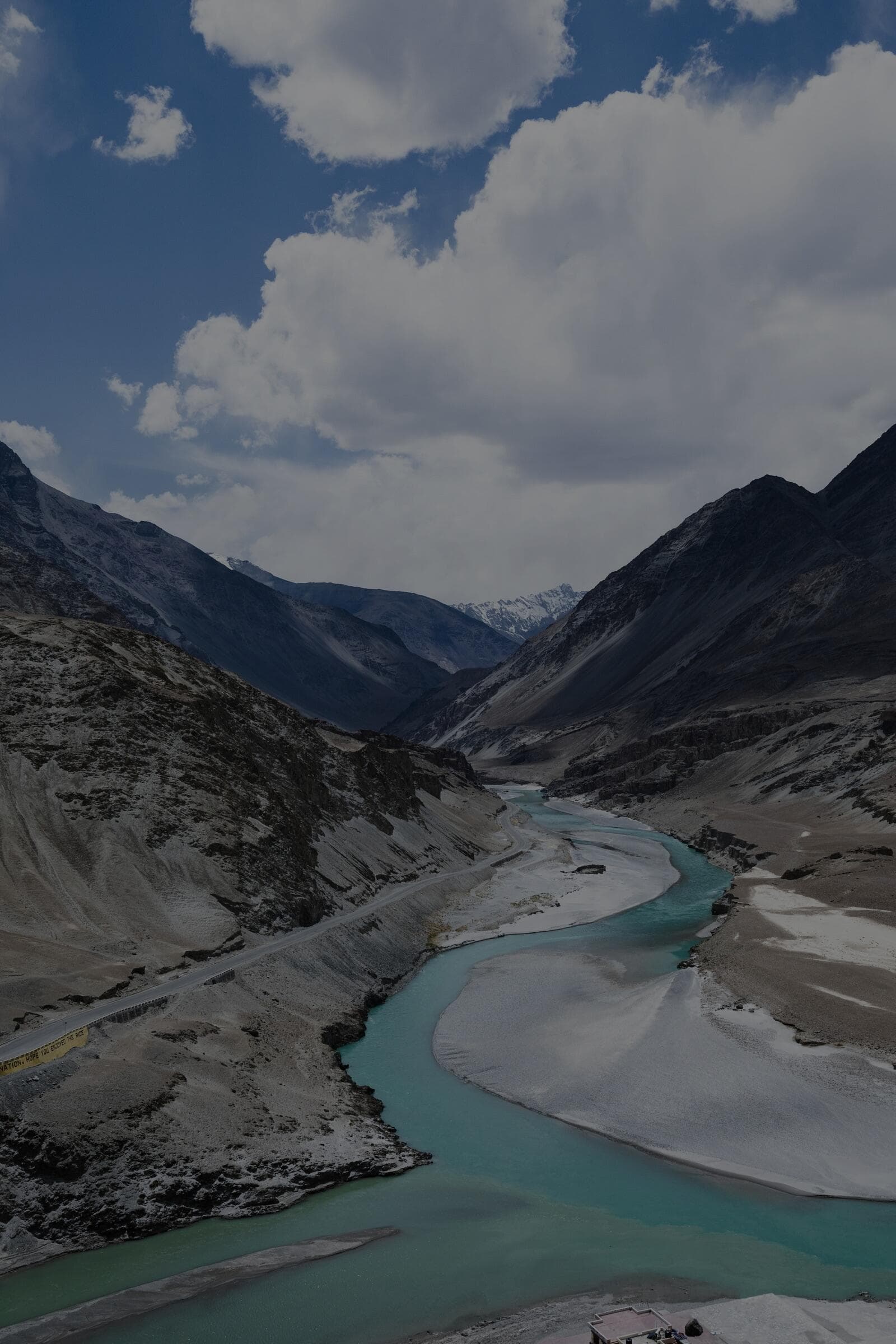
Crossing into the Spiti valley proper, the temperature dropped past -15C at night and the landscape went silent and white. This is where the ThermaEvo heater stopped being a comfort item and became the reason we slept. Warming the tent for twenty minutes before bed and again at the coldest pre-dawn hour kept the interior survivable and, crucially, kept the canvas from being a sheet of ice when we woke. We are careful and honest about heater use: always ventilate, never run it sealed, and treat it with respect. Used properly, it transformed the nights.
The Nako-to-Tabo stretch on day three taught us the rhythm of frozen-valley driving. The road runs as a narrow shelf above the Spiti, and in the shadow of the gorge the surface that was wet at noon becomes black ice by three in the afternoon as the sun drops behind the ridgeline. We learned to drive the sunlit hours hard and to stop while the light still touched the road. By Tabo, at around 3,280 m, the diesels were taking noticeably longer to crank in the morning - a healthy reminder to park nose-out, leave the batteries as warm as we could, and never let the tank drop below half so condensation could not freeze in the lines. Day four we held a rest day at Tabo on purpose, both to acclimatise and because pushing tired into a -17C night is how good expeditions become rescues.
At -18C the heater is not about comfort, it is about waking up rested enough to drive a frozen mountain road safely. That is when gear stops being gear and becomes the trip itself.
Day Five: The Climb To Komic And Why Chains Matter
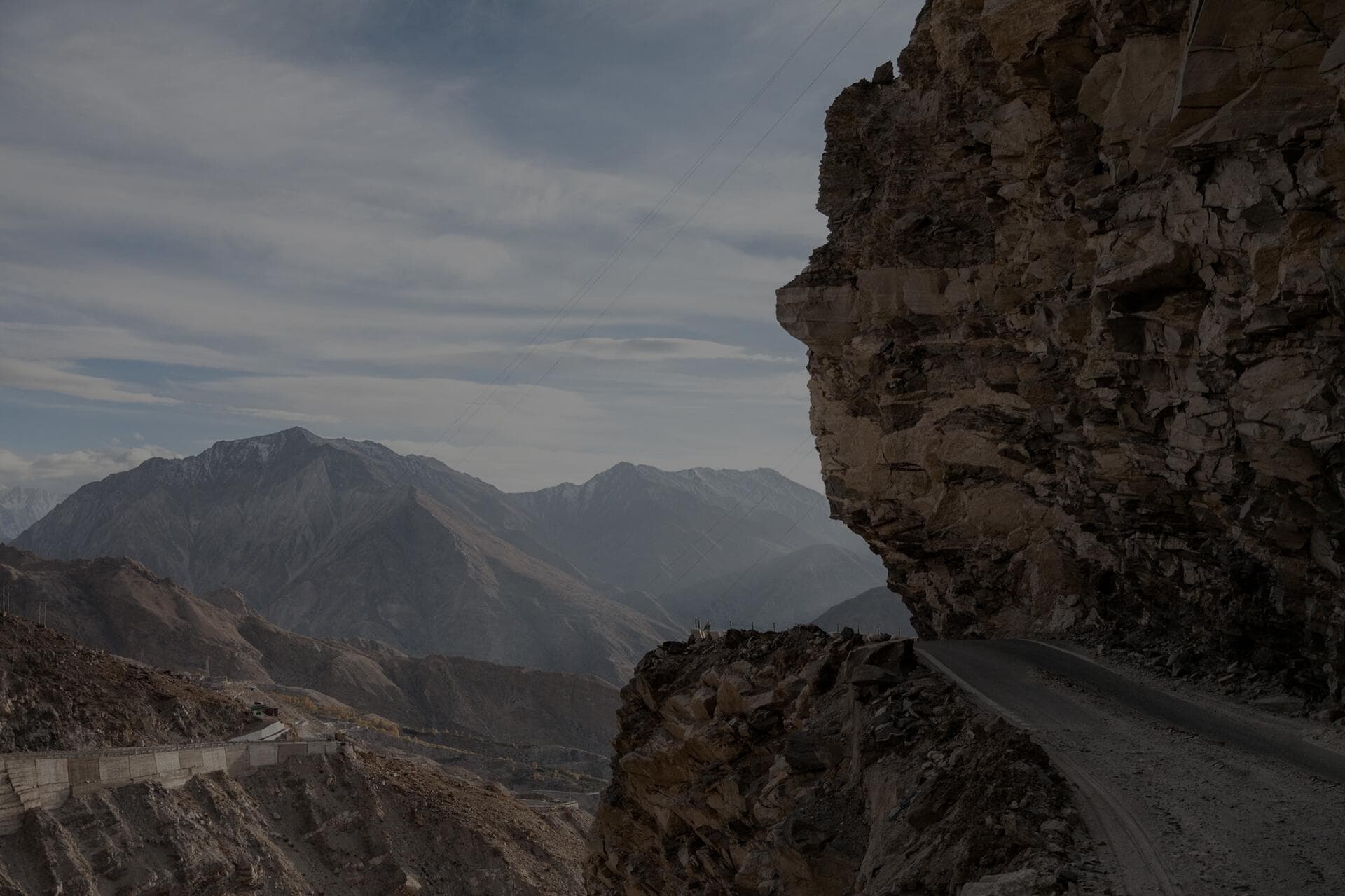
Day five was the hardest driving of the trip, the climb toward Komic and Hikkim on compacted snow and black ice. This is where TractionX snow chains stopped being optional. Without chains, the wheels simply spin on that polished ice and you are stuck or worse, sliding toward an edge with a long drop. We fitted chains at the base of the worst section, aired down for grip, and crawled up in a low gear. The discipline that matters here is fitting chains before you need them, not after you have already lost traction on a slope, by which point it is too late to do it safely.
Some numbers from that climb, because they make the case better than adjectives. Komic sits near 4,587 m and bills itself as one of the highest villages connected by motorable road in the world; Hikkim, just below, holds the high post office. The last few kilometres gain altitude on a series of switchbacks that were sheet ice in the shaded turns. We aired the Thar down to roughly 18 psi, fitted AX chains to the front axle in about four minutes per wheel with the self-tensioner doing the fiddly work, and held a steady second-gear crawl - no sudden throttle, no braking mid-corner, reading each turn before committing. The Gurkha, with its factory lockers engaged and chains on, walked up with almost contemptuous ease. The difference between the chained climb and the two minutes we spent unchained at the base, feeling the front wheels scrabble, was night and day. Chains do not get you unstuck. They keep you from ever losing control in the first place.
- Fit snow chains before the icy section, never midway up a slipping climb.
- Air down tyre pressure for a bigger contact patch on snow and ice.
- Use a low gear and steady throttle, avoiding sudden inputs that break grip.
- Carry recovery gear and know your route's bail-out points before committing.
- On a part-time 4x4 in 4H, a single pair of chains goes on the front axle - it does the steering and a major share of the traction on the climb to Komic.
Days Six And Seven: The Coldest Nights
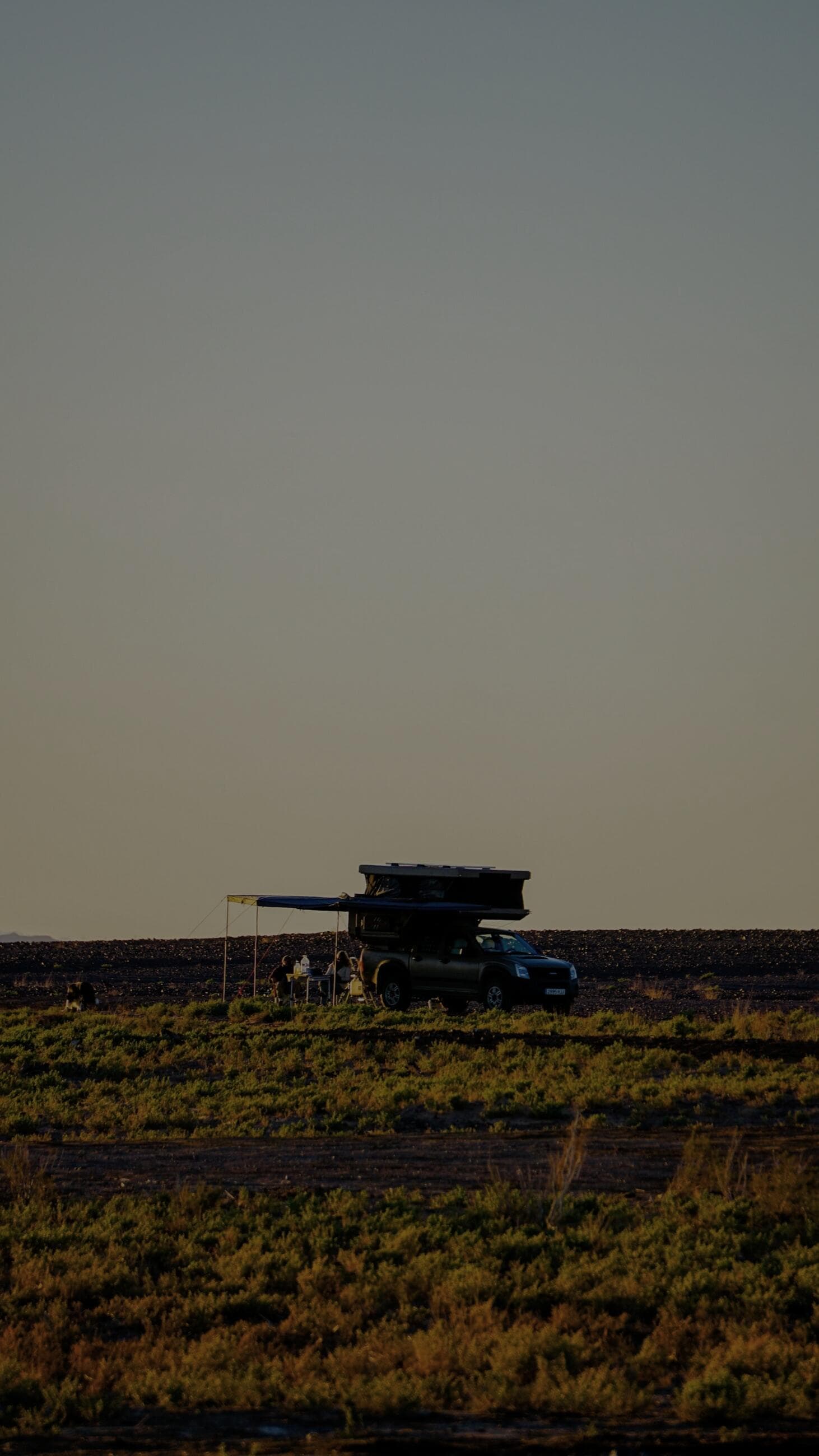
These were the nights that hit -20C, camped high with the wind doing its worst. Two pieces of gear defined them. The 6cm AutoNest mattress kept body heat from bleeding straight into the cold floor panel, which people underestimate until they have slept on a thin pad at -20C and felt the cold rise into their spine. And the taped-seam 320gsm canvas held against spindrift snow that found every gap it could. We slept in proper cold-rated bags on top of all that, but the tent and mattress were the foundation that made the bags enough.
Camped near Kibber and Langza on those two nights, above 4,000 m, we ran the cold-night routine that we now teach every Spiti Frozen group. Tomorrow's base layers went into the foot of the sleeping bag so they were warm to pull on. A hot-water bottle, filled from the last of the dinner brew, went down by the feet at lights-out. We ate a heavy, fatty dinner on purpose, because your metabolism is the furnace that carries you through eight hours of dark, and a skipped meal is a cold night guaranteed. Nobody breathed into their bag - the moisture from a single night of that crushes a bag's loft and you wake up colder. The ThermaEvo ran its twenty minutes at bedtime, then off; the insulation did the night. By the pre-dawn low, the canvas inside was dry to the touch where a bare, un-lined tent would have rained frost. Margins, stacked one on another, are what made -20C sleepable rather than survivable.
Days Eight And Nine: The Long Drive Out
The way out is when fatigue is the real hazard, not the cold. Nine days of altitude, broken sleep, and concentration on ice roads stack up, and the gear that helped most on the final days was the gear that let us rest well: a fast camp setup so we were not exhausted before sleep, a warm tent so the sleep counted, and reliable traction so the driving did not drain us with constant tension. We rolled out tired but whole, with every major piece of gear having done its job. The few things we noted to improve were small, and that is the goal.
We chose to exit the way we came, back down the Kinnaur side toward Shimla, rather than gamble on the Kunzum and Atal Tunnel route, which in deep January is at the mercy of the BRO and a single fresh dump of snow. That is the unglamorous discipline winter Spiti demands: the exit you can rely on beats the exit that looks shorter on the map. On the long descent the temperatures climbed back into single negatives, the diesel cranked easily again, and the tension of three days of ice driving slowly bled out of the group. We pulled the chains, rinsed the grit off them at the first running tap we found, and dried them before they went back in their bags. Nine days, two rigs, zero recoveries that mattered, everyone home whole. That is what a winter expedition is supposed to look like.
What Nine Days At -20C Actually Taught Us
The biggest lesson is that winter overlanding is won or lost on margins, not heroics. A tent that sets up ninety seconds faster, a heater that buys you two hours of real sleep, chains fitted ten minutes before the ice instead of ten minutes too late: these small margins compound into a safe trip or a miserable one. The second lesson is that we test for exactly this. Every product on those rigs had been cold-soaked to -25C in Faridabad before it ever saw Spiti, and feeling it all hold up in the real frozen valley is the entire reason we build the way we do.
The third lesson is about people, not gear. The fittest, best-equipped driver still makes bad calls when sleep-starved and dehydrated at altitude, and the cold hides both. We rotated driving, forced water even when nobody wanted it, ate properly, and built rest days into the plan rather than treating them as wasted time. Every serious decision on the trip - whether to climb Komic that afternoon, whether to risk the shaded shelf after the sun dropped, which way to exit - was made with daylight, food and a clear head, never tired and never in the dark. Spiti in winter does not reward the bold. It rewards the prepared, the patient, and the honest, and it sends the rest home humbled if it sends them home at all.
Frequently Asked Questions
What readers ask us most about winter expeditions in Spiti.
How cold does Spiti get in winter at night?
On this expedition we saw nights down to around -20C, and high camps near Kibber and Langza above 4,000 m can go colder still in a bad spell. Plan all your gear and clothing for at least -25C to keep a real safety margin. Daytime in the sun can feel almost mild, which fools people - it is the moment the sun drops behind a ridge, often by mid-afternoon in the gorges, that the temperature falls off a cliff.
Do I need snow chains for winter Spiti?
Yes, for sections like the climb to Komic and Hikkim and any shaded shelf road that has iced over. Compacted snow and black ice make chains essential, and you should fit them at the base of the climb before the icy stretch, not after your wheels are already spinning on a slope. Carry at least one pair, ideally two for all four wheels on sustained ice, and practise fitting them once at home in daylight first.
Can you really sleep in a rooftop tent at -20C?
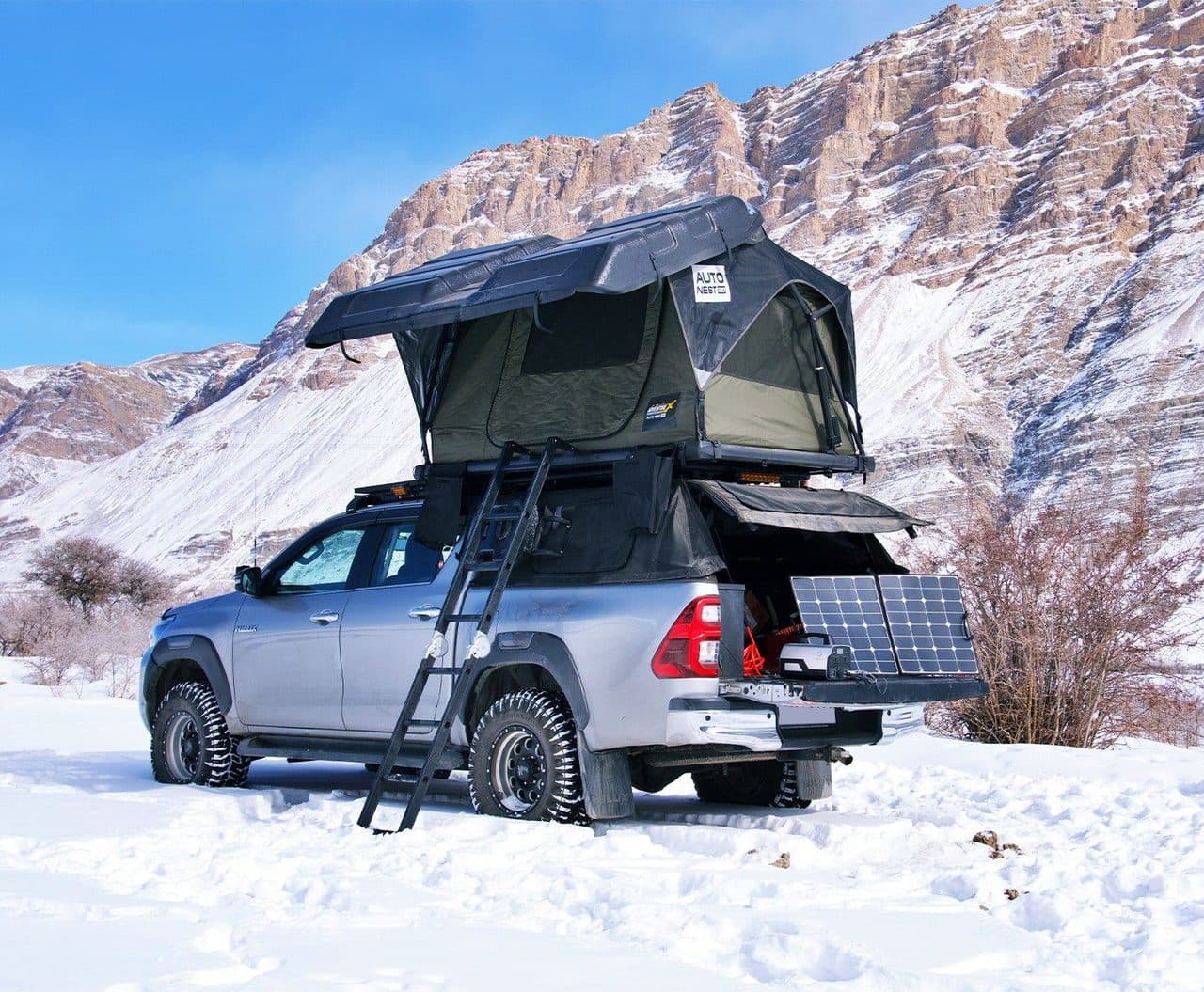
Yes, with the right setup: an insulating mattress like the 6cm AutoNest pad to stop conductive heat loss through the floor, a properly ventilated heater such as the ThermaEvo used safely for the edges of the night, taped-seam canvas, and a genuine cold-rated sleeping bag on top. Get the insulation under you right - that is the part most people skip - and a hot-water bottle, a beanie and a good dinner do the rest. We did it for nine straight nights and slept well enough to drive ice roads safely the next day.
Is winter Spiti suitable for a first overland trip?
Only with experience or a guided group. The cold, the ice driving and the altitude raise the stakes significantly, and a no-start or a slide off a shelf road far from help becomes a survival situation rather than an inconvenience. We strongly recommend doing your first winter run with a guided expedition like Spiti Frozen, where there is a second vehicle, route knowledge and recovery skill on hand, and you learn the margins the survivable way before you ever attempt it solo.
Gear featured in this story
The kit named above, with current pricing - tap through for full specs.
Put it into practice
Write your own chapter - shop the gear or come drive with us.