Trip Planning
The frozen-Spiti checklist: 38 items most people miss
After 14 winters running this route, here's what actually matters when the mercury drops past -20C - and what gets people into trouble.
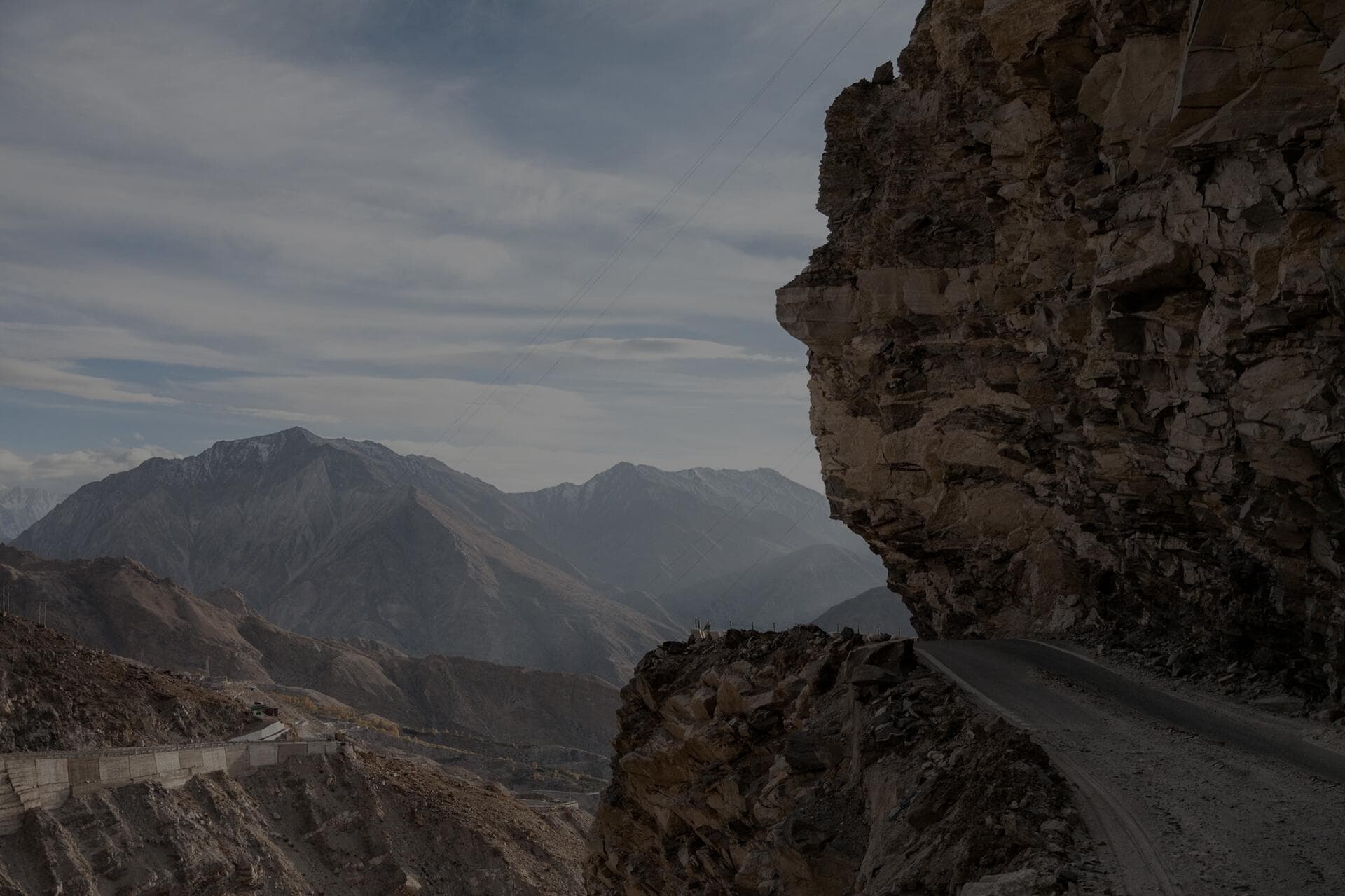
A winter Spiti run is not a summer Spiti run with more layers. It is a different expedition with a different failure mode. In summer, a mistake costs you comfort. In winter at 4,000 m, the same mistake costs you the trip - and occasionally a lot more. This checklist is built from 14 winters of running the route, and it focuses on the items people forget, not the obvious ones. The window we run is January and February, when the valley is fully snow-locked, the Kunzum La and the Manali side are shut, and the only way in is the long, icy NH-5 line through Kinnaur - Shimla, Narkanda, Rampur, Reckong Peo, Pooh, Nako, and Sumdo before you even reach Tabo. Daytime highs sit around -8C to -12C in the villages; the nights at Kaza, Langza and Kibber routinely fall to -20C and colder, and we have logged -28C at dawn at Hikkim more than once. Everything below assumes those numbers, not a brochure average.
Vehicle: the cold-start chain
Most winter Spiti breakdowns are not dramatic. They are a vehicle that will not start at 6 a.m. at -22C because one link in the cold-start chain was ignored. Check every link:
- Battery load-tested, not just voltage-checked - cold halves usable cranking capacity
- Winter-grade diesel or anti-gel additive carried (regular diesel waxes below -9C)
- Coolant rated to -40C, tested with a refractometer
- Engine block heater or a plan for one (a tarp plus a safe heat source)
- Fresh glow plugs if you run a diesel older than four years
A worked example of how the chain actually fails: a four-year-old diesel Thar parks at Kaza overnight at -21C. The battery reads a healthy 12.5 V at bedtime, so the owner relaxes. At 6 a.m. that same battery delivers barely half its rated cranking amps because cold chemistry has throttled it, the diesel in the lines has started to wax because nobody added an anti-gel pour-point depressant at Reckong Peo, and one tired glow plug means the engine never gets the heat it needs to catch. Three small omissions, none fatal alone, stack into a no-start with a dead phone and no neighbour for thirty kilometres. The fix is boring and it is the whole game: load-test the battery before you leave Faridabad or Delhi, treat every tankful from Peo onward with additive, carry a spare set of glow plugs, and park nose-out so a jump or a roll-start is even possible. We also keep a small power bank jump-starter in the cab footwell, not the boot, because at -20C you want it warm and within arm's reach.
Tyres, chains and the ice you will actually meet
The stretch from Nako to Sumdo and the climbs above Kaza toward Kibber and Komic are sheet ice for weeks at a time, polished by the few vehicles that pass and refrozen every night. All-terrains alone, even good ones, are not enough on black ice on a gradient. We run a quality all-terrain in the stock-plus size - 235/70 R16 or 215/75 R15 on a Thar, the equivalent on a Gypsy - aired down to roughly 22 to 26 psi for the cold compound to bite, and we carry snow chains as non-negotiable kit, not as a someday accessory. TractionX AX chains go on the driven axle for general packed snow and the long icy traverses; the more aggressive MX pattern earns its place on the steep, glazed pinches like the switchbacks below Kibber where a slip means a long slide. Fit them once in your driveway before the trip so you are not learning the tensioning sequence with bare hands at -18C in failing light. A pair of recovery boards lives on top of the load for the inevitable moment someone drifts a wheel off the packed line into the soft verge.
Sleep system: the part that bites
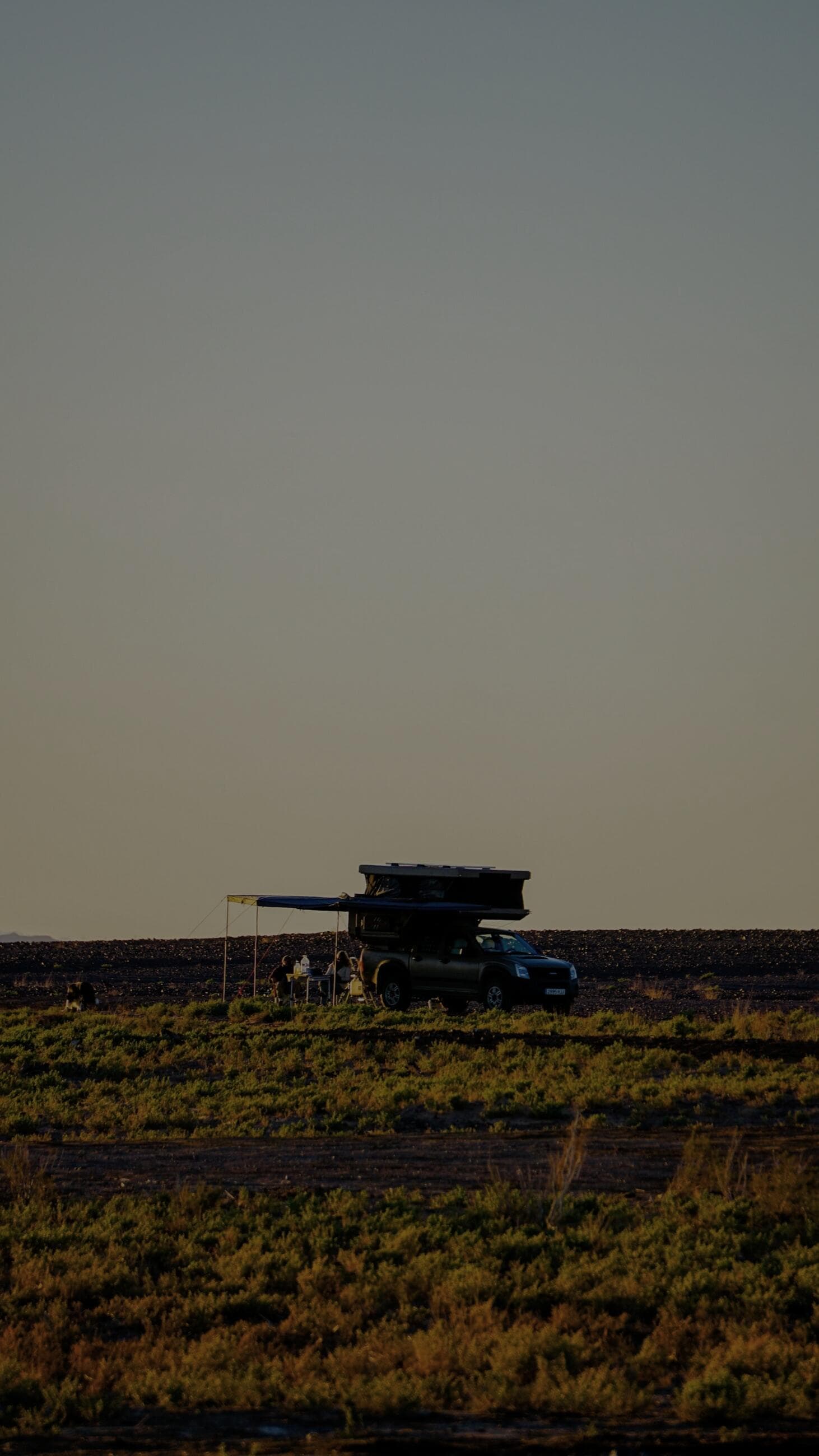
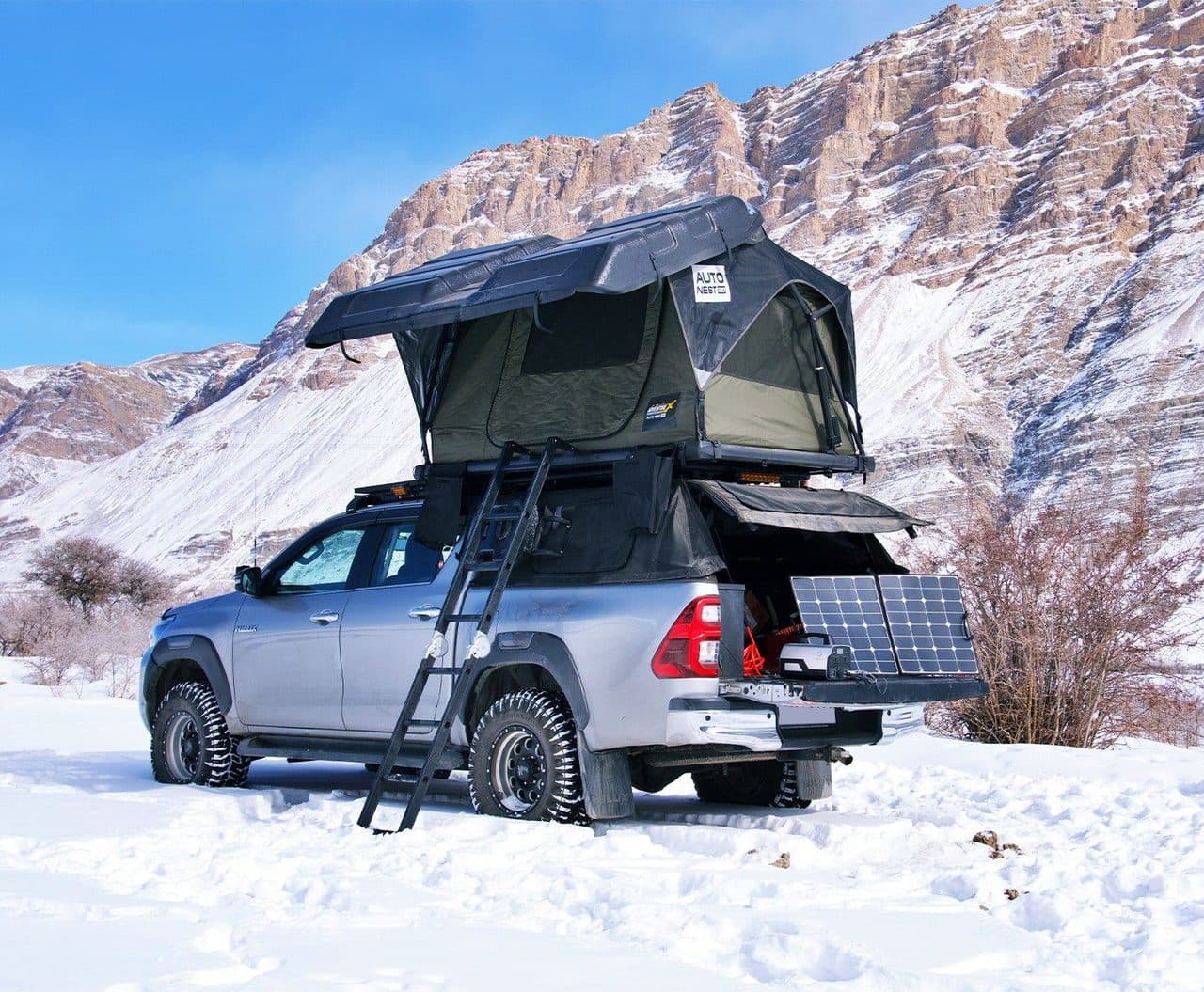
People budget carefully for the drive and improvise the sleep. That is backwards. You spend 10-12 hours a night stationary at altitude in the cold - that is when the body is most vulnerable. A rooftop tent rated to the temperature, a thermal mattress, and an anti-condensation mat are not luxuries here. The single most common winter complaint we hear is condensation freezing on the inside of an under-specified tent.
Nobody remembers the pass they crossed at noon. They remember the night they could not get warm. Spend on the sleep system.
Build the sleep system in layers, from the platform up. An insulated hardshell like the AutoNest 120 holds its shape and sheds the night's snow load without sagging onto your face, and it deploys in under a minute so you are not standing outside in a -20C wind sorting poles. On top of the mattress goes a closed-cell anti-condensation mat - this is the single item most people skip and most people regret, because it breaks the cold bridge that turns your own breath into a sheet of frost on the underside of the bedding by 4 a.m. Then a four-season sleeping bag rated comfortably below the temperature you expect, not at it: a bag rated to -15C comfort is a -25C night of misery, so size for -30C and sleep warm. A dry base layer kept only for sleeping, a wool hat, and a hot-water bottle filled from the evening brew finish it. Inside the cabin or the tent vestibule a ThermaEvo heater takes the edge off the morning so you can dress without your hands shaking - run it with a cracked vent for airflow, never sealed, and never while you sleep.
Water, food and fuel for the body
Above Tabo the streams are frozen solid and the village taps are often iced over by night, so water is something you plan, not something you find. Carry an insulated tank and fill it warm wherever you can - dhabas at Tabo and Kaza will usually oblige - because a 20-litre jerry can left in the boot is a block of ice by morning. We keep drinking water in insulated bottles inside the cabin overnight and a melt plan for everything else: a pot on the stove turning snow and ice into the day's cooking and washing water. Altitude suppresses thirst and the dry cold dehydrates you faster than you notice, which is half of what people mistake for altitude sickness. Drink on a schedule whether you feel like it or not - three to four litres a day - and eat more fat and carbohydrate than feels normal, because your body is burning hard just staying warm. Hot food twice a day is morale and survival in the same pot.
Acclimatisation: the schedule that keeps you safe
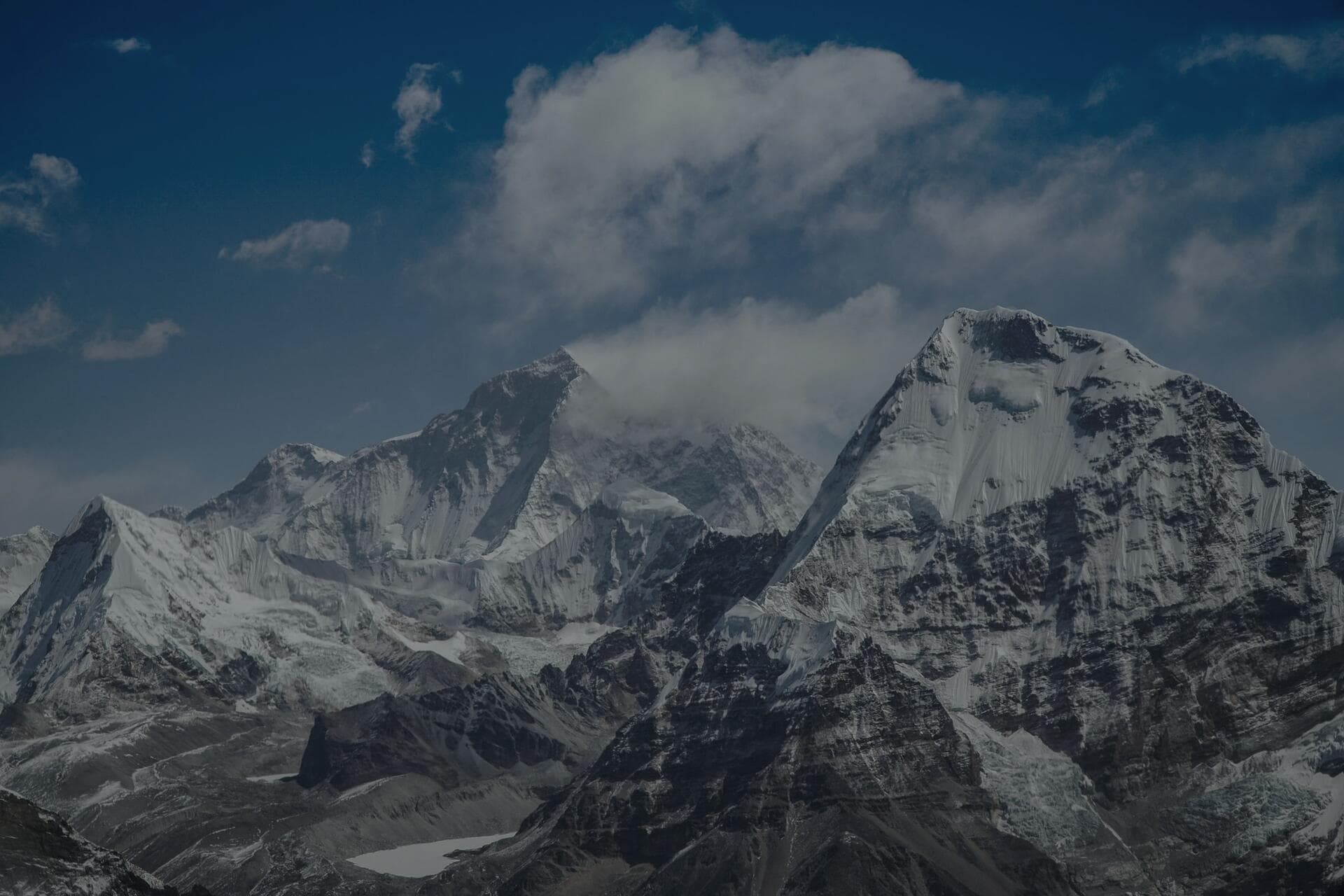
The Kinnaur approach has a hidden gift - it makes you earn altitude slowly. Shimla sits around 2,200 m, Reckong Peo near 2,300 m, Nako around 3,600 m, and Kaza at roughly 3,800 m, so a sensible itinerary lets you sleep low and climb gradually rather than helicoptering your body to 4,000 m in a day. Build in two rest nights - one around Kalpa or Nako on the way up, and a full day at Kaza before you push higher to Kibber, Komic, Langza or Hikkim. Watch for the early signs in the group: a headache that does not clear with water and paracetamol, loss of appetite, broken sleep, breathlessness at rest. The rule is simple and it does not bend - if symptoms get worse, you descend, you do not push on for the photo. Carry the basics for it: a pulse oximeter to track everyone's oxygen saturation each evening, and the standard altitude medication discussed with a doctor before you leave. Altitude does not negotiate, and at -20C a casualty who cannot walk is a genuine emergency a long way from help.
The 38-item list
We keep the full printable 38-item list - vehicle, recovery, sleep, kitchen, body, documents, and emergency - in our trip pack for every Spiti Frozen expedition member. Booking the expedition gets you the list, a pre-trip gear review, and a vehicle inspection. If you are running it independently, the categories above are your skeleton: build each one out and test every item before you leave tarmac.
What actually gets people into trouble
- Underestimating acclimatisation - altitude does not negotiate; build in two rest nights
- No plan for water - streams freeze; you need an insulated tank and a melt plan
- Phone-only navigation - carry offline maps and a paper backup
- Skipping the recovery basics - a deflator, traction boards, and a tow point, minimum
- Travelling solo - winter Spiti is a convoy route; if you must go alone, tell someone your daily plan
Two more trip-enders worth naming because we see them every season. The first is daylight maths: in January the usable light in the gorge is short, the sun drops behind the ridgelines well before clock-sunset, and temperatures fall off a cliff the moment it does. Plan to be at camp or in a homestay by 4 p.m., not driving an icy traverse at dusk with a tired group. The second is over-reliance on the phone - cell coverage is patchy to non-existent past Pooh, and a frozen phone shuts off without warning, so a paper map, an offline-maps download cached before you lose signal, and a written daily plan left with someone at home are the difference between a delay and a search. Homestays at Kaza, Tabo, Nako and Kibber stay open through winter and are both a warm fallback and a source of real-time road intel; use them.
Frequently Asked Questions
How cold does it actually get on a winter Spiti trip?
Village daytime highs sit around -8C to -12C in January and February. The nights are the story: -20C is normal at Kaza, Kibber and Langza, and dawn readings of -25C to -28C happen at the higher villages like Hikkim and Komic. Spec every piece of kit - sleeping bag, coolant, battery plan - for -30C and you will sleep and start warm. Spec it for the daytime number and the first hard night will teach you the difference.
Do I really need snow chains, or will good all-terrains do?
You need chains. The icy traverses around Nako-Sumdo and the climbs above Kaza are polished black ice on a gradient, and no all-terrain tyre grips reliably on that. Carry TractionX AX for general packed snow and MX for the steep glazed pinches, fit them once at home so the technique is in your hands, and keep recovery boards on top of the load for the soft-verge slip that catches everyone eventually.
Can a first-time overlander do winter Spiti?
Honestly, no - not as a first trip. Winter Spiti is a graduation, not a starting line. Do summer Spiti or the Rann of Kutch first, learn how your vehicle and your body behave, then come back for the winter run with the experience to read it. If you want the winter valley without building all of that solo, that is exactly what the guided Spiti Frozen expedition is for: the gear review, the convoy, and the local knowledge are the safety margin.
Is it safe to travel solo in winter Spiti?
Winter Spiti is a convoy route for a reason. A single bogged or broken-down vehicle at -20C with no second vehicle and no signal is a serious situation, not an inconvenience. If you absolutely must go alone, never travel without telling someone your exact daily plan and check-in times, lean on the winter homestays for shelter and road intel, and carry enough recovery kit and warmth to survive a night stuck. Better still, run it in a group - it is more fun and far safer.
Gear featured in this story
The kit named above, with current pricing - tap through for full specs.
Put it into practice
Want it all handled? Join a fully-supported AdventureX4x4 expedition.