

Gear Deep-Dive
Sleeping Warm at -20C: Rooftop Tent Insulation, Mattresses, and the ThermaEvo Heater
Beat -20C in a rooftop tent with an insulated liner, an R-5 mattress underneath you, and the ThermaEvo for the morning chill.
To sleep warm at -20C in a rooftop tent, you need three layers working together: an insulated tent liner to stop heat escaping through the fabric and reduce condensation, a high R-value mattress or insulation pad underneath you to stop the cold floor stealing your body heat, and a cold-rated sleeping bag - with a ThermaEvo heater to knock the bitter edge off the air at bedtime and on the brutal pre-dawn wake-up. Most people fixate on the sleeping bag and the heater and ignore the mattress, which is exactly backwards: in a rooftop tent the cold comes up through the floor first. Get the insulation under you right and -20C becomes genuinely comfortable. Here is how each layer works and how to build the system.
Why do you get cold from below, not above, in a rooftop tent?
Because your body weight crushes the insulation in your sleeping bag flat underneath you, so its loft - which is what traps warm air - is gone exactly where you need it most, and the cold tent floor with cold air circulating beneath the vehicle conducts heat straight out of you. A rooftop tent's platform sits in open, often sub-zero air, so the floor can be colder than the ground would be. This is conductive heat loss, and a sleeping bag rated to -20C will still leave you shivering if the only thing between you and that floor is crushed-flat down. The fix is a mattress or pad with a high R-value (resistance to heat flow) placed under your bag. The number that matters is R-value, and most people have never checked theirs.
It helps to understand the three ways you lose heat at night, because the rooftop tent stacks the deck against you on the worst of them. Convection is warm air carried away by draughts - the liner and a sealed tent handle that. Radiation is heat your body throws off into cold surfaces - the bag and liner handle that. But conduction, heat sucked directly out of you into the cold surface you are pressed against, is the killer in a rooftop tent, because the floor sits in open air with cold circulating underneath the vehicle, and your body weight has flattened the only insulation between you and it. That is why a four-figure sleeping bag can still leave you shivering over a thin pad, and why the cheapest, most boring upgrade - a better mattress - is the one that actually fixes -20C.
What R-value mattress do you need for -20C?
Aim for a combined R-value of at least 5, and ideally 5 to 7, for comfortable sleep at -20C, building it up by stacking pads if your rooftop tent's standard mattress is not enough on its own. R-value measures insulation against conductive heat loss: roughly R-2 suits mild conditions, R-4 handles light frost, and R-5 and above is winter territory. Many rooftop tents ship with a comfortable but thermally thin foam mattress, so for serious cold we add a closed-cell foam pad or an insulated inflatable pad on top, and the R-values stack additively - an R-3 tent mattress plus an R-3 pad gives you about R-6. This is the cheapest and most effective single upgrade for winter rooftop sleeping, and it is the one buyers most often miss.
- R-2: mild nights, light summer use only.
- R-4: light frost, shoulder-season Himalayan camping.
- R-5 to R-7: true winter, comfortable down to around -20C.
- R-values stack: combine a foam pad and an inflatable pad to reach your target.
- Put the highest insulation directly under your torso, where body weight crushes the bag flat.
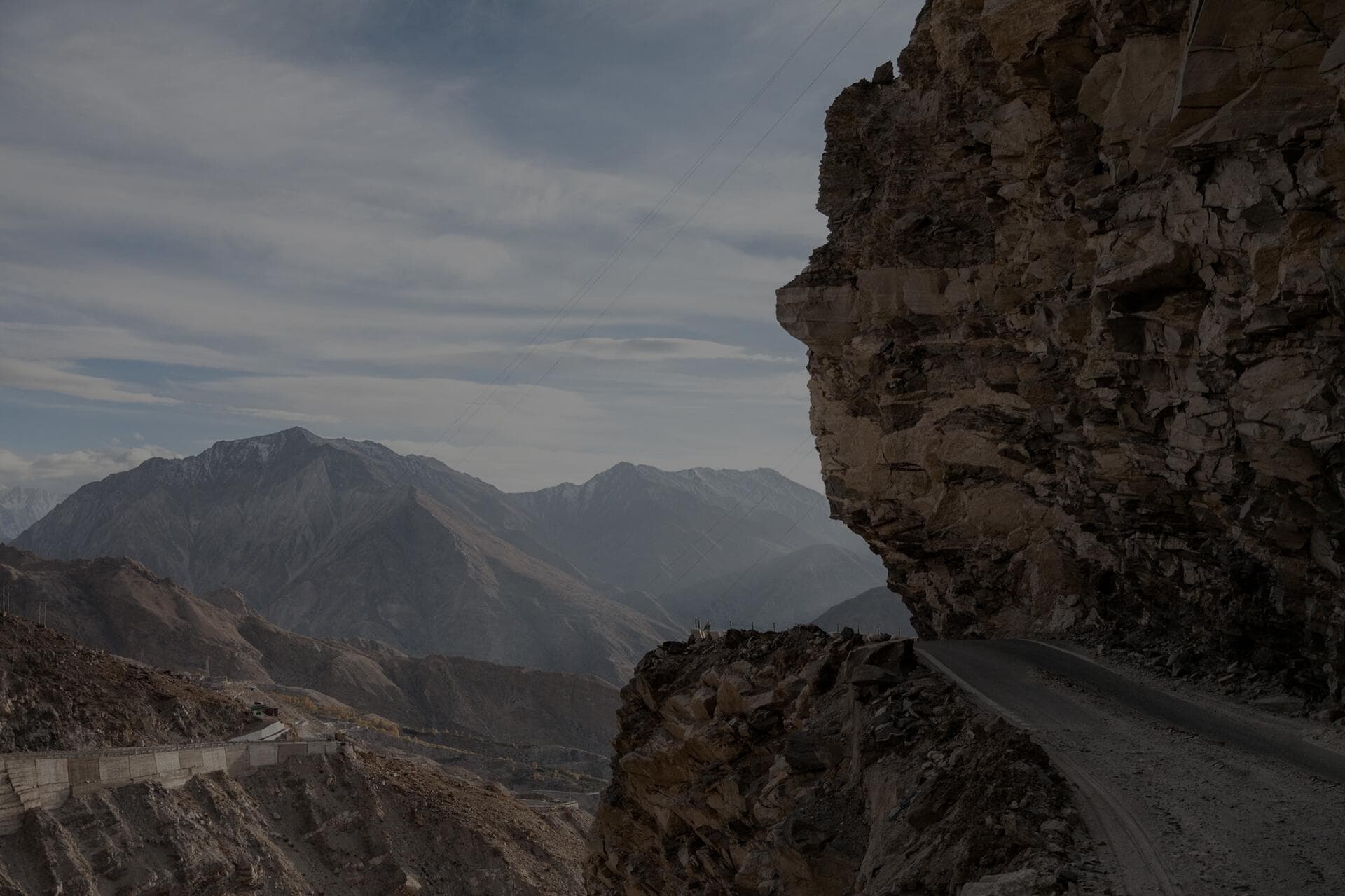
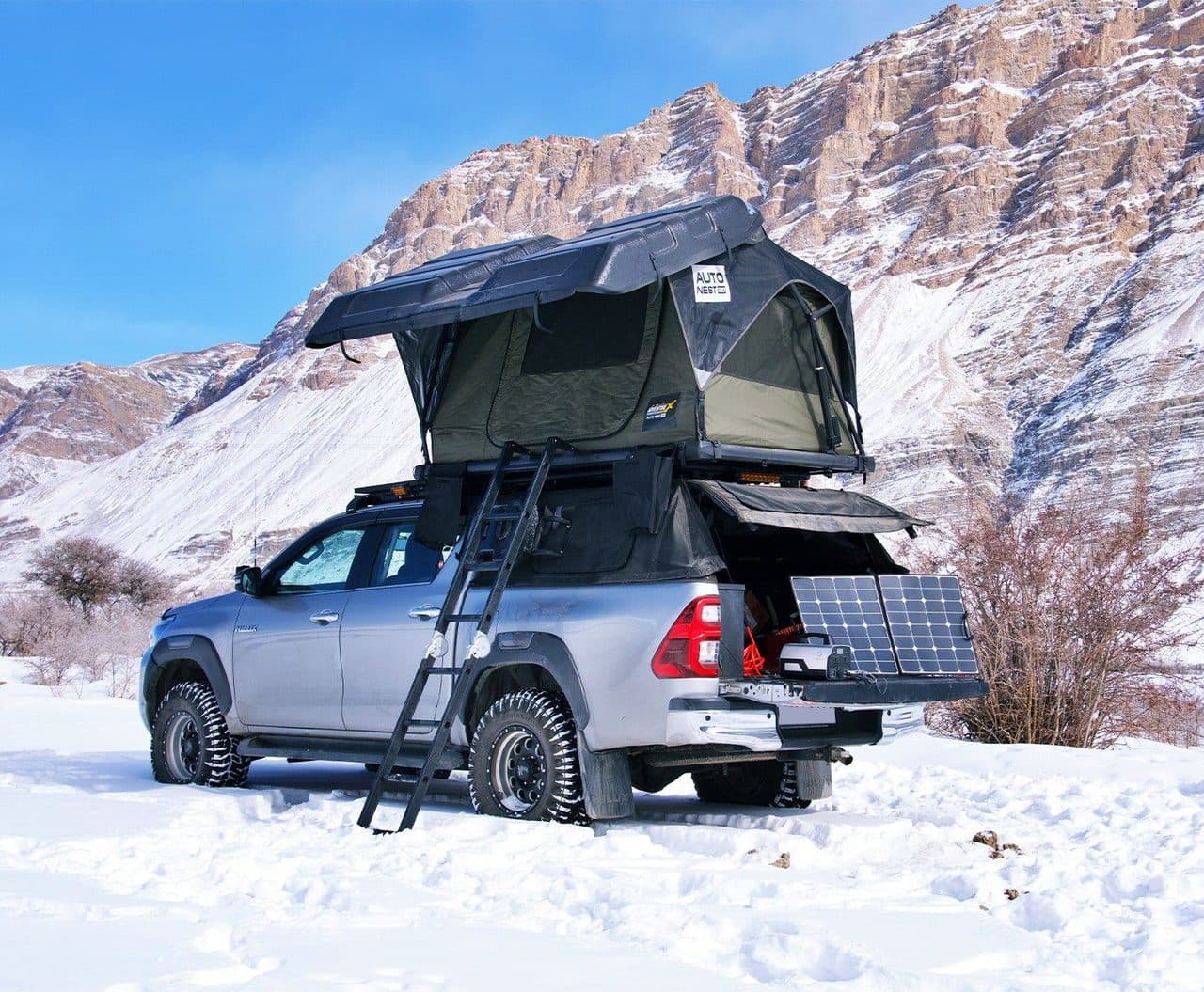
A practical worked example. The AutoNest 120 ships with a 6cm high-density foam mattress that already does real thermal work - it is the reason it slept us through nine nights to -20C on the Spiti Frozen run. If your own tent's pad is thinner, the cheapest route to winter-ready is to lay a closed-cell foam pad (typically around R-2) directly on the tent floor, then your tent mattress on top, then your bag. A closed-cell foam layer is the smart base because it cannot puncture, costs little, and adds its R-value to whatever sits above it. Stack an R-2 foam base under an R-3.5 mattress and you are at roughly R-5.5 - winter territory - for the price of a single foam mat. Spend your money here before you spend it anywhere else, because no sleeping bag and no heater can compensate for cold conducting up through a thin floor.

How does an insulated tent liner help, and does it stop condensation?
An insulated liner is a fitted inner shell, usually a quilted fabric, that hangs inside the tent canopy and adds a dead-air gap which slows heat loss through the walls and ceiling while also tackling condensation - the curse of winter tents. Without a liner, warm moist breath hits the cold tent fabric, condenses, and drips back on you or freezes into frost that rains down at first light. The liner keeps the inner surface warmer so less moisture condenses, and the air gap can lift the effective sleeping temperature by a few crucial degrees. In our testing in Ladakh, adding a liner to a bare canopy made the difference between a damp, frosty morning and a dry one. Pair it with a little ventilation - cracking a vent slightly - to let the worst of the moisture escape rather than trapping it all inside.
Where does the ThermaEvo heater fit in - and how do you use it safely?
The ThermaEvo is for taking the sting out of the air at bedtime and warming the tent before you climb out into a -20C dawn - not for running unattended all night, and never without ventilation. You warm the tent to a comfortable temperature before sleep so you can undress and settle into your bag without the shock of frozen air, then rely on your insulation and bag to hold that warmth through the night. In the morning, firing up the ThermaEvo for a few minutes turns a miserable scramble into a civilised start. The non-negotiable safety rule with any heater in an enclosed space is ventilation and a carbon monoxide detector - any combustion or even electrical heater demands fresh-air flow. Treat the heater as a comfort tool that complements your sleep system, not the thing keeping you alive overnight.
We tell every customer the same thing: the heater is for the ten minutes before you sleep and the ten minutes before you get up. What keeps you alive and warm at -20C through the night is the insulation under you and the bag around you. Build the sleep system first, then add the heater for comfort - never the other way round.

How do you put the full sleeping system together?
Layer from the floor up - insulation, mattress, bag, liner, heater for the edges - and add the small details that make or break a freezing night. Start with a high R-value base under you, add your rated sleeping bag, hang the insulated liner, and keep the ThermaEvo for bedtime and dawn. Then sweat the details: wear a dry base layer and a beanie to bed (you lose real heat through your head), use a hot-water bottle in the foot of the bag, keep tomorrow's clothes inside the bag so they are warm to put on, and never breathe into your bag because the moisture kills its insulation. Eat a good dinner - your body needs fuel to generate heat all night. These habits cost nothing and are the difference between enduring -20C and sleeping through it.
- Wear a clean dry base layer and a beanie - a lot of heat escapes through your head.
- Use a hot-water bottle in the foot of your sleeping bag at bedtime.
- Keep tomorrow's clothes inside the bag so they are warm in the morning.
- Never breathe into your bag - the moisture destroys its loft and insulation.
- Eat a substantial dinner; your metabolism is your overnight furnace.
What should you check the night before, and what does this cost?
Run a quick pre-sleep checklist and you will rarely have a bad night. Is a vent cracked for airflow? Is the carbon monoxide detector on and within reach? Is the hot-water bottle filled and tomorrow's base layer in the foot of the bag? Are your boots and outer layers stowed where they will not freeze solid - inside the tent or the cabin, not out in the open? Have you eaten properly and drunk enough that you are not going to bed dehydrated, which makes you feel the cold more? None of this is expensive. The single highest-value spend is the insulation under you - a closed-cell foam pad is the cost of a tank of fuel and transforms a cold rooftop tent into a warm one. The liner is the next step up, and the ThermaEvo is the comfort layer on top. Build it in that order and -20C stops being something you endure and becomes something you sleep through.
Frequently Asked Questions
Can I run the ThermaEvo heater all night while I sleep?
We do not recommend running any heater unattended overnight in an enclosed tent. The ThermaEvo is designed to warm the space before sleep and before you wake, while your insulation and sleeping bag carry you through the night. Always use adequate ventilation and a carbon monoxide detector whenever a heater is running, and switch it off before you fall asleep rather than relying on it until morning.
Why am I cold even with a -20C sleeping bag?
Almost always because of insufficient insulation underneath you. Your body weight compresses the bag's fill flat, so its rated warmth means little against a cold rooftop tent floor. Add a high R-value mattress or stack pads to reach R-5 or more, and you will usually find the same bag suddenly performs to its rating. Cold from below defeats more campers than cold from above.
Do I need an insulated liner if I already have a heater?
Yes, they do different jobs. The heater warms the air briefly; the liner reduces heat loss through the fabric all night and cuts condensation that would otherwise soak your bedding. Relying on a heater alone means the moment it is off, heat pours out through bare canopy fabric. The liner makes your retained warmth last and keeps the interior dry, which is just as important as temperature in deep cold.
How do I stop condensation freezing inside the tent?
Combine an insulated liner with a little deliberate ventilation. Keeping a vent slightly open lets moist air from your breath escape instead of condensing on cold fabric and freezing into frost. It feels counterintuitive to open a vent in the cold, but trapping all that moisture is what gives you a frosty, dripping interior at dawn. The liner plus a small airflow gap keeps the inside far drier.
Gear featured in this story
The kit named above, with current pricing - tap through for full specs.
Put it into practice
Ready to kit out? Shop the gear we put through its paces here.