
Vehicle Builds
The minimalist Jimny overland build: light, capable, complete
The Suzuki Jimny rewards restraint. Here's the build we spec for Jimny owners - every gram earns its place.
The Jimny is the most fun 4x4 in India and the easiest to ruin. It is small, light, and brilliant off-road precisely because it is small and light. Pile on a heavy build and you trade away the exact thing that makes it special. The Jimny build is an exercise in discipline. Everything on the five-door Jimny - the modest engine, the short wheelbase, the tall stance, the genuinely low roof rating - rewards restraint and punishes the urge to build it like a baby Thar. Get that one idea right and the rest of the build writes itself.
The minimalist principle
Every kilogram you add to a Jimny matters three times as much as it does on a Thar. The roof load limit is genuinely low, the engine is modest, and the short wheelbase punishes a high centre of gravity. So the rule for a Jimny build is simple: if a part does not clearly earn its weight, it does not go on.
The reason weight bites so hard on a Jimny is worth understanding, because it changes every decision. The engine is modest, so mass directly costs you the climbing and overtaking ability you do not have much of to begin with. The wheelbase is short and the body is tall, so weight added high - a roof rack, a heavy tent, a loaded roof box - raises the centre of gravity and makes a vehicle that should feel planted start to feel tippy on off-camber ground and nervous in a crosswind. And the roof rating is genuinely low, so the roof is the one place you must be most disciplined, not least. On a Thar you can be casual about a few extra kilos. On a Jimny that same casualness shows up immediately in how it drives. So the build rule is ruthless and simple: each part has to clearly earn its weight, or it stays in the workshop.

The build
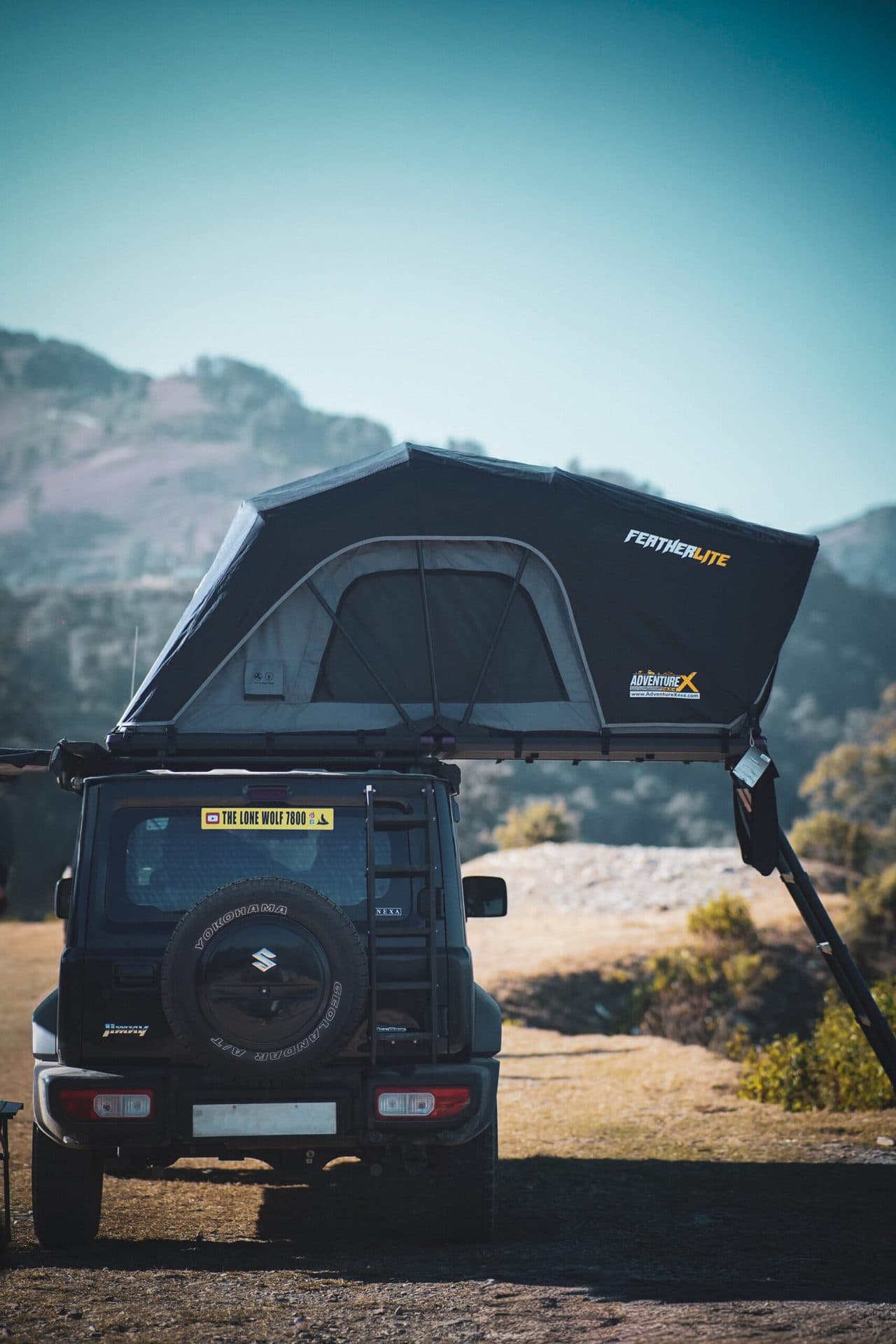
- Sleep: the FeatherLite rooftop tent - 36.5 kg, the one tent built for this roof
- Tyres: a quality all-terrain in the stock-plus size - grip without the weight of oversized rubber
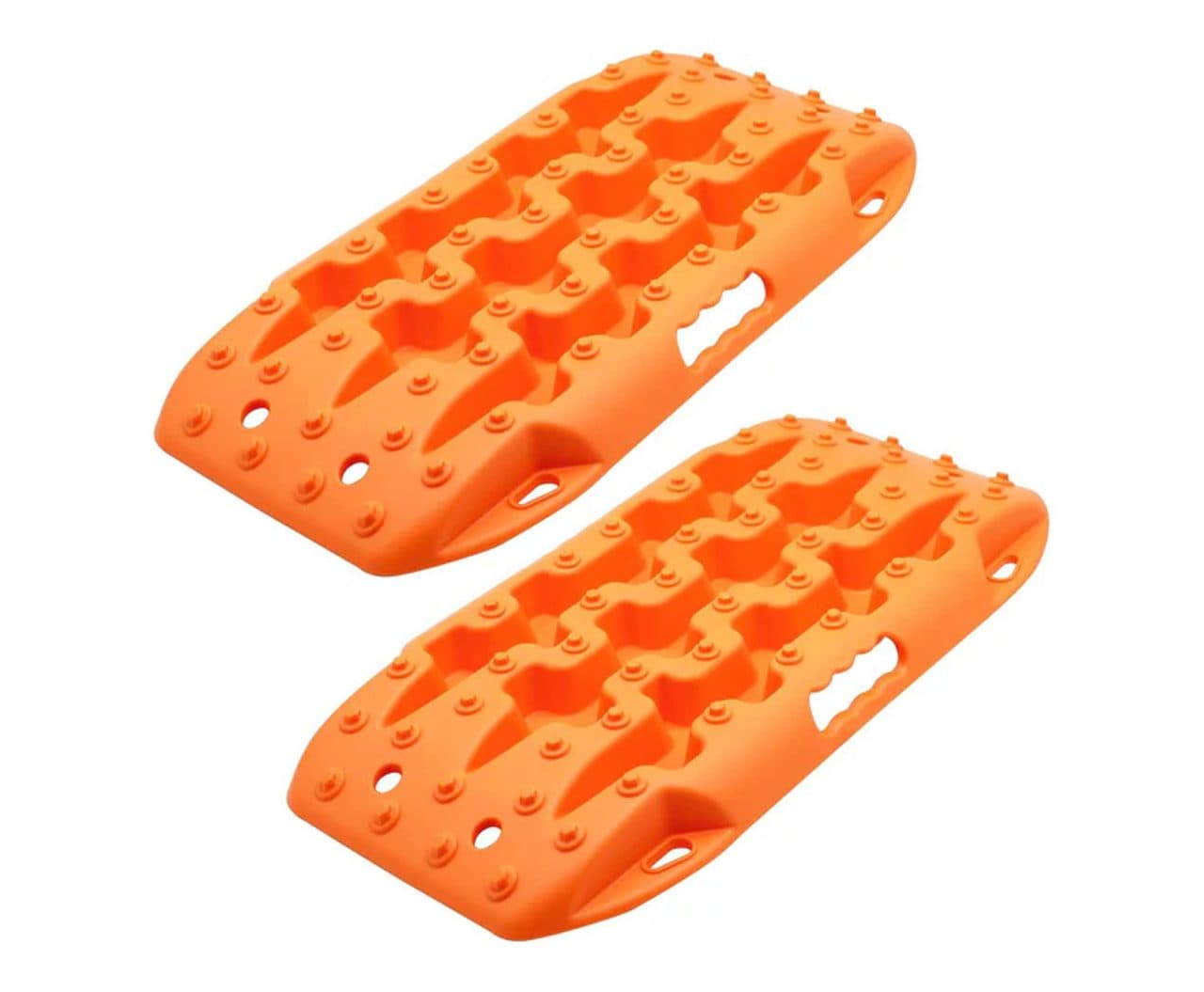
- Recovery: Recovery Boards Mini and a tyre deflator - the Mini size fits the Jimny's limited storage
- Protection: a sump guard, nothing more decorative
- Power: a compact portable power station, not a heavy dual-battery install
Walk through why each choice is the light one. Sleep: the FeatherLite is the only rooftop tent we know of built specifically around the Jimny's roof - a full-size platform at 36.5 kg, where a conventional hardshell would overload the roof and make the vehicle top-heavy. Tyres: a quality all-terrain in the stock-plus size - a 215/75 R15 type fitment rather than oversized rubber - gives you real grip and a bit of sidewall to air down without the rotational weight and powertrain drag that big tyres impose on a modest engine. Recovery: the Mini boards are the smart call, not a downgrade, because the Jimny's storage is genuinely limited and full-size boards eat space and weight you do not have to spare; paired with a deflator they cover the bogs you will actually meet. Protection: a sump guard earns its place because the Jimny's belly sees real terrain; decorative armour does not. Power: a compact portable power station keeps a small fridge and your devices going without the weight and complexity of a dual-battery install the vehicle does not need.

What we leave off
No heavy steel bumpers, no winch unless the owner genuinely needs one, no roof rack loaded like a Thar. A Jimny that stays light stays capable. The temptation to build it like a bigger vehicle is the single most common Jimny mistake we see.
It is worth being specific about what we leave off and why, because the temptation to add these is strong. Heavy steel bull bars and bumpers add tens of kilos right at the front, blunting the approach the Jimny's short overhangs give you for free and loading the front exactly where you do not want it. A winch is heavy, needs a solid mount and a real anchor, and for the overwhelming majority of Jimny owners is a solution to a problem the Mini boards and a deflator already solve - if you genuinely travel solo in remote terrain that demands one, that is a different conversation, but it is the exception, not the default. A big loaded roof rack turns the Jimny's biggest weakness - weight up high - into its defining trait. None of this is about being austere for its own sake. It is that the Jimny is good because it is light, and every one of these additions trades that goodness away.
A great Jimny build is defined by what you had the discipline to leave off.
A weight budget you can actually keep
The way to hold the discipline is to run an explicit weight budget and check the build against it, the same way you would check the roof rating. Start from the two things you cannot change - the vehicle and the people in it - and treat everything else as spend against a tight allowance. The roof gets the strictest line of all, because it is both the lowest-rated part of the vehicle and the worst place to carry mass: this is why the 36.5 kg FeatherLite is the only sensible tent up there, and why a loaded roof box is the first thing we talk people out of. Down low, water and recovery kit are heavy but they sit where weight does least harm, so that is where the mass should live. The marginal items - the third set of lights, the second compressor, the armour that is really for looks - are where the budget is won or lost, and on a Jimny the honest answer to most of them is no. Write the list, weigh it, and cut until it drives like a Jimny again.
The contrast with a Thar makes the point. On a Thar you can be a little loose - the payload headroom and the longer, lower-feeling body absorb a few careless kilos without complaint. The Jimny has neither luxury, so the same casual approach that merely makes a Thar a bit slower turns a Jimny tippy and gutless. That is not a knock on the Jimny; it is the flip side of the exact lightness that makes it brilliant. Respect the budget and you keep the brilliance. Ignore it and you have built a worse version of a bigger car.

Where the light Jimny shines
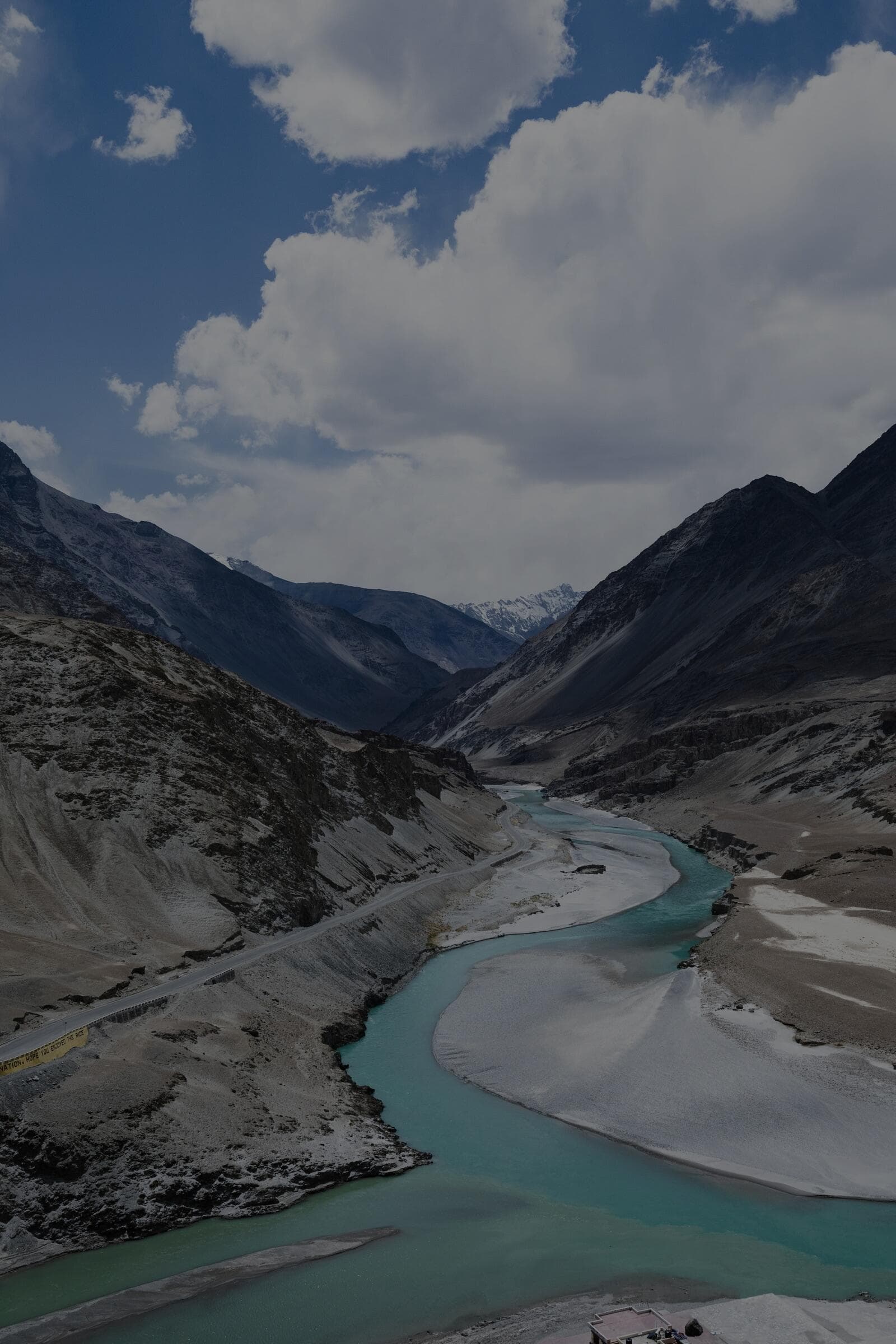
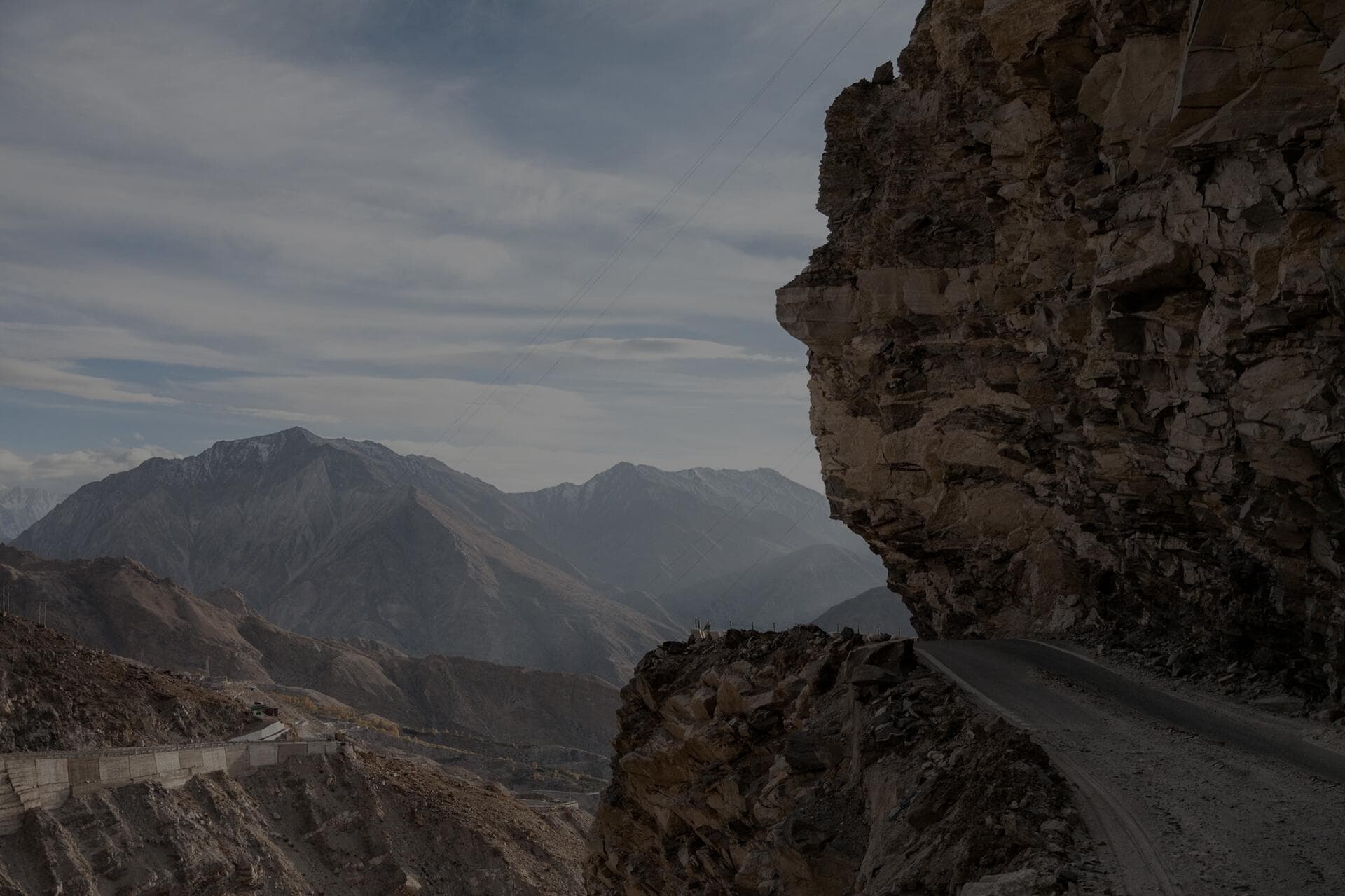
All this restraint pays off in the terrain the Jimny was made for. Tight forest tracks in the Western Ghats, narrow Himalayan village roads where a Thar has to three-point and the Jimny just turns, technical rocky sections where short overhangs and a light footprint let it pick a line a heavier vehicle cannot - this is where a minimalist Jimny is not just adequate but genuinely better than a bigger, heavier build. It floats over soft ground that bogs a heavier vehicle, it sips fuel by comparison so its modest range stretches further, and it stays surefooted on the off-camber, loose terrain where weight up high makes a vehicle feel precarious. The minimalist build is not a compromise you accept to drive a small car. It is the build that lets the Jimny do the one thing it does better than almost anything else in India - go light, go nimble, and get places the big rigs cannot.
Frequently Asked Questions
What rooftop tent fits a Suzuki Jimny?
The FeatherLite is built specifically for the Jimny - a full-size sleeping platform at 36.5 kg, designed around the Jimny's genuinely low roof rating. A conventional 60 to 70 kg hardshell overloads the roof and makes the vehicle top-heavy and nervous to drive. The whole point of the FeatherLite is that it gives a Jimny owner a proper rooftop sleep setup without ruining the lightness that makes the vehicle good.
What tyre size should I run on an overland Jimny?
Stick close to a stock-plus all-terrain size - something like a 215/75 R15 fitment - rather than oversized rubber. You get real grip and enough sidewall to air down for sand and snow, without the rotational weight and powertrain drag that big tyres impose on the Jimny's modest engine. On this vehicle, oversized tyres cost you more than they give you.
Do I need a winch on a Jimny?
Almost certainly not. For the large majority of Jimny owners, Recovery Boards Mini plus a deflator handle the real-world bogs, and a winch is heavy weight and complexity solving a problem you do not have. The exception is if you genuinely travel solo in remote terrain that demands a pulled, not driven, recovery - then it earns its place. By default, leave it off and keep the vehicle light.
Can a Jimny really do serious overland trips?
Yes - and in tight, technical, narrow terrain it does some of them better than a bigger vehicle. A light, disciplined Jimny build goes places a loaded Thar cannot, sips fuel, and stays surefooted on off-camber ground. The key is the discipline: keep it light, leave off the heavy armour and the loaded roof rack, and the Jimny is a genuinely capable overland platform, not a compromise.
Gear featured in this story
The kit named above, with current pricing - tap through for full specs.
Put it into practice
Building your own rig? Start with the kit that earns its place first.