Expeditionrooftop tents
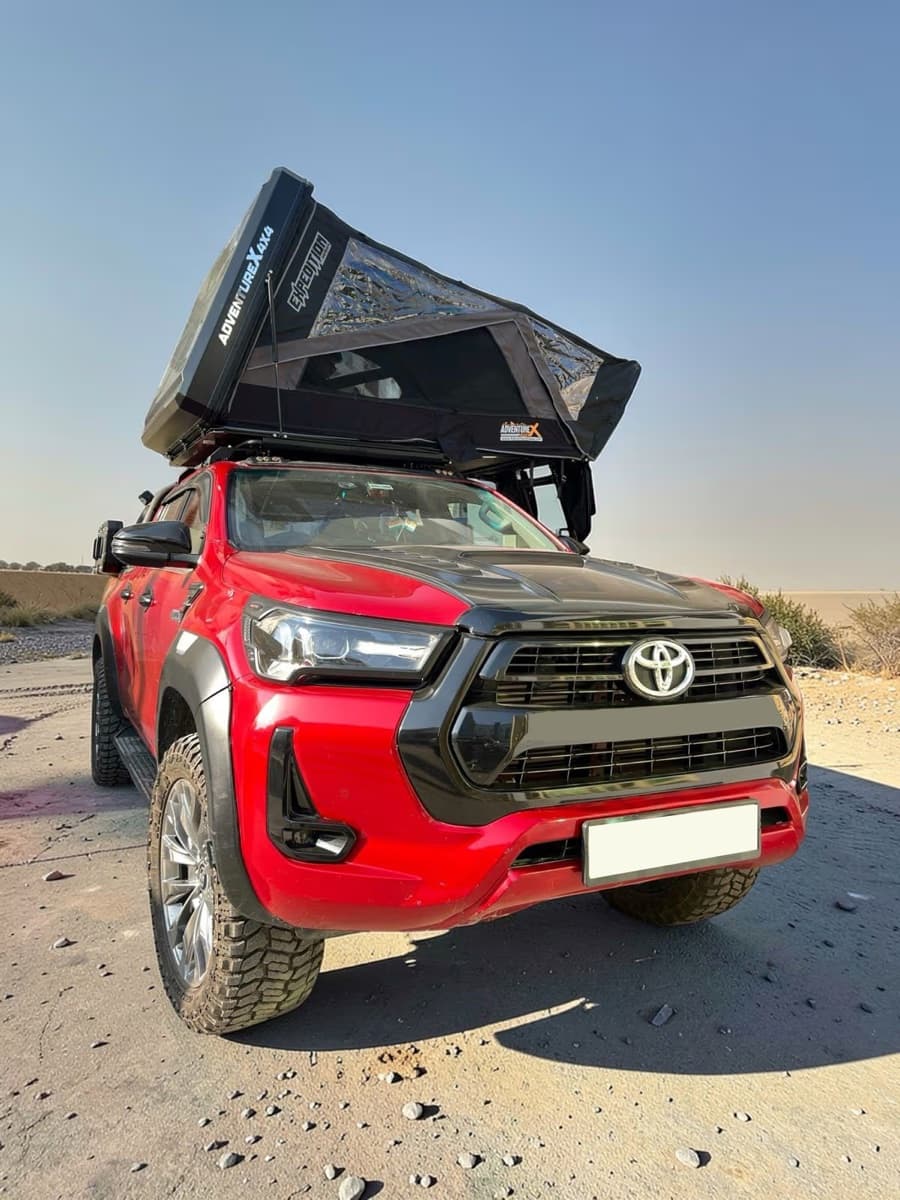
Flagship
Bison61
When adventure calls, the Bison61 answers with engineering that blends strength, luxury, and…
Price
₹2,09,990
Fits: Mahindra Thar · Mahindra Scorpio N +3
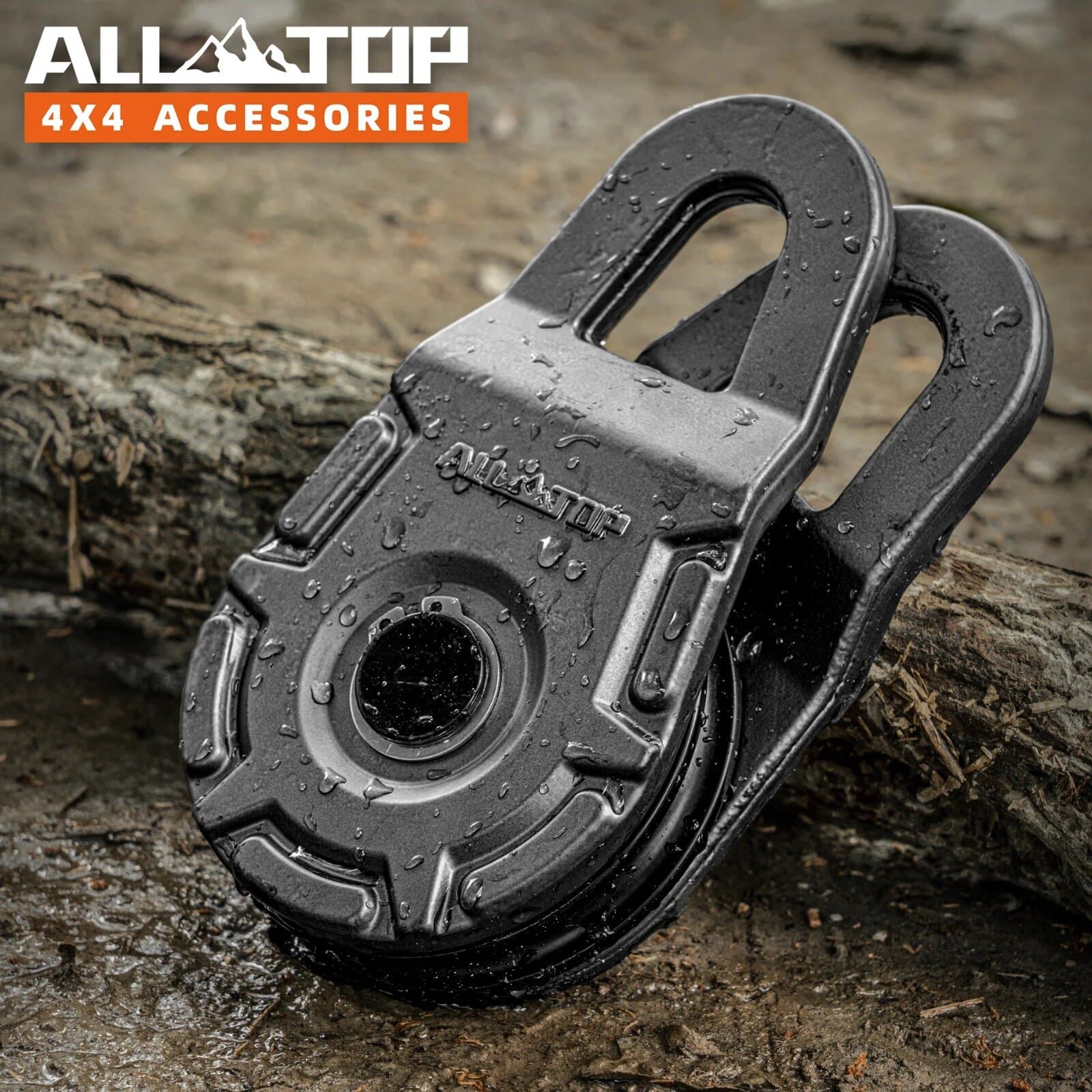
8 Ton
Double your winch's power or bend the line around an obstacle.
Price
₹4,599
Inclusive of GST · Free shipping over ₹25,000
Sold out
Shipping·Returns·1-year warranty
Overview
The snatch block is the single most useful piece of rigging hardware you can add to a winch setup, and this is an 8-ton-rated pulley built to take serious recovery loads. In plain terms it is a heavy pulley in a housing that opens so you can drop the winch line over the wheel without threading the whole cable through. From that simple design come two powerful capabilities: it can roughly double your winch's pulling power, and it can redirect the line around an angle so you can recover in a direction your winch could never pull on its own. For a relatively compact piece of kit, it transforms what your winch can achieve.
The problem it solves is that a winch, on its own, can only pull in a straight line and only as hard as its rated capacity. Sometimes that is not enough, and sometimes the anchor point you have is not where you need it. By running the line out to an anchor, back through the snatch block attached to your vehicle, and onto the recovery point, you create a mechanical advantage that effectively doubles the pulling force on the load. Alternatively, by anchoring the block off to one side, you can bend the line around an obstacle and pull the vehicle along a curved or angled path. One tool, two answers to two of the most common winching limitations.
For real overlanding this matters because the terrain decides the geometry, not you. A vehicle bogged deep in Rann salt mud or buried to the axles in soft Ladakh sand can demand more pull than a single line gives; the snatch block's doubling of force is exactly what frees it. On a tight Himalayan switchback the only solid anchor might be off at an angle rather than dead ahead; redirecting the line lets you recover anyway. In rock gardens and tree-lined trails the straight path between winch and anchor is often blocked, and the ability to route the line around the obstruction turns an impossible pull into a controlled one.
Concrete use-cases bring this to life. You sink to the axles in soft sand and a straight pull is not shifting the vehicle, so you double-line through the snatch block to roughly double the force and ease it out. The only solid anchor on a snow-covered pass is well off to the side, so you redirect the line through the block to pull along the angle you actually need. A rock or stump sits squarely between your winch and the tree you want to use, so you route the line around it. In each case the snatch block solves a problem a bare winch line cannot.
Setting it up safely is essential, because rigging multiplies loads as well as force. Always treat the rated capacity as a ceiling and rig within it, with the right shackles and a sound anchor. Keep everyone well clear of the line and the block while there is tension, as a failure under load releases enormous energy. Lay a recovery damper over the tensioned line to absorb that energy, never step over or stand in line with a loaded cable, and operate the winch smoothly rather than snatching. Check that the block is properly seated and the line runs true in the sheave before you take up load, and watch your angles so you do not overload the rigging.
Care and maintenance keep it both smooth and safe. After a sandy or muddy recovery, rinse the grit out of the pulley so the sheave keeps turning freely, because a seized pulley cannot do its job and grinds the line. After snow, salt-flat or river-crossing use, rinse with fresh water and dry it thoroughly, as salt is corrosive and this is rated load-bearing hardware where corrosion matters. Keep the sheave moving freely, inspect the housing, pin and side plates for any damage or distortion before a trip, and store it clean and dry with the rest of your recovery kit.
On compatibility, a snatch block is winch-led rather than vehicle-specific. If your rig runs a winch, an 8-ton block belongs in your recovery kit, whether that is a Thar or Jimny set up for the rough stuff, a Fortuner or Hilux on a long overland route, a Scorpio-N built for expedition duty or a Defender configured for remote travel. The sensible practice is always to keep your whole rigging chain, winch, line, shackles and block, within their respective ratings and to match the block to your line and shackles. We quote only the 8-ton rating given here and invent no other figures.
This is core kit for any overlander serious about self-recovery. A winch alone is a capable tool; a winch with a snatch block is a far more versatile one, able to pull harder when the ground demands it and to pull at angles the terrain dictates. For deep sand, salt mud, snow and tight, obstacle-strewn trails, the situations that define real overland recovery, the 8-ton snatch block is one of the highest-value additions you can make to your setup.
Rigged as a double line, the block creates a mechanical advantage that effectively doubles the pulling force on the load, often the difference between freeing a deeply bogged vehicle and not.
Anchor it off to one side and you can bend the winch line around an obstacle or pull along an angled path your winch could never manage in a straight line.
An 8-ton rating gives the headroom to handle demanding recoveries when you rig it correctly and keep the whole chain within its ratings.
The housing opens so you can drop the line over the sheave without threading the entire cable through, which makes setting up a recovery quicker in the field.
A freely turning sheave protects the winch line and does the work, and it stays that way with a simple rinse to keep grit and salt out.
Specifications
In the box
Questions, answered
By running the winch line out to an anchor, back through the block mounted to your vehicle, and onto the recovery point, you create a double-line pull. That rigging roughly doubles the pulling force on the load, which is often what frees a deeply bogged vehicle when a straight pull will not.
If your only solid anchor is off to the side rather than dead ahead, you anchor the block at an angle and route the line through it, so the vehicle is pulled along the direction you actually need. It also lets you bend the line around an obstacle that blocks the straight path.
The 8-ton figure is the block's rated capacity. The safe approach is to keep your whole rigging chain, winch, line, shackles and block, within their respective ratings and rig within that ceiling. We quote only the 8-ton rating given and have not invented any other figures.
A snatch block is winch-led rather than vehicle-specific, so if your rig runs a winch it belongs in your kit, on any of those models. Match the block to your line and shackles, and keep everything within rating. We have not quoted fitment figures because none are specified for this product.
Rig within the rated capacity with sound shackles and a solid anchor, keep everyone clear of the line and block under tension, lay a recovery damper over the tensioned line, never step over or stand in line with a loaded cable, check the line runs true in the sheave, and winch smoothly rather than snatching.
Rinse abrasive grit out of the pulley after sandy or muddy use so the sheave keeps turning freely, and after snow or salt-flat use rinse with fresh water and dry it thoroughly, since it is rated load-bearing hardware and salt is corrosive. Inspect the housing, pin and side plates before each trip.
A winch alone can only pull straight and only to its rating. A snatch block lets you pull harder and pull at angles the terrain dictates, which covers a large share of real recovery situations. It is one of the highest-value additions you can make to a winch setup.
Owner reviews
Write a review
Run the Winch Pulley Snatch Block yourself? Tell other overlanders how it held up. Every review is checked by our team before it appears.
Complete your build
Overlanders rarely run one piece of gear alone — here's what pairs with the Winch Pulley Snatch Block to finish the build.
Expeditionrooftop tents
When adventure calls, the Bison61 answers with engineering that blends strength, luxury, and…
Price
₹2,09,990
Fits: Mahindra Thar · Mahindra Scorpio N +3
TractionXsnow chains
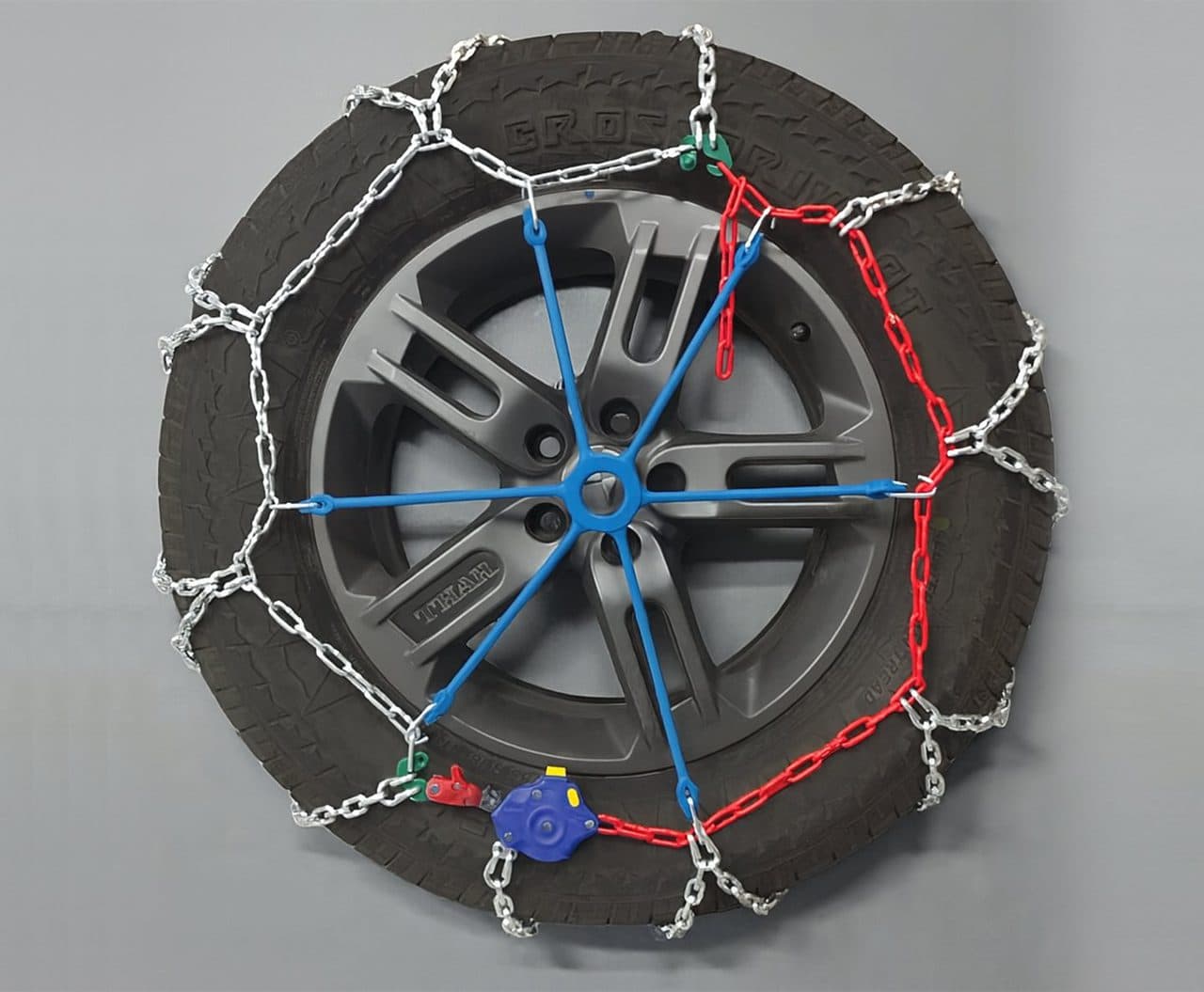
When you’re driving through heavy snow, icy mountain roads or extreme cold conditions, your…
Price
₹3,200
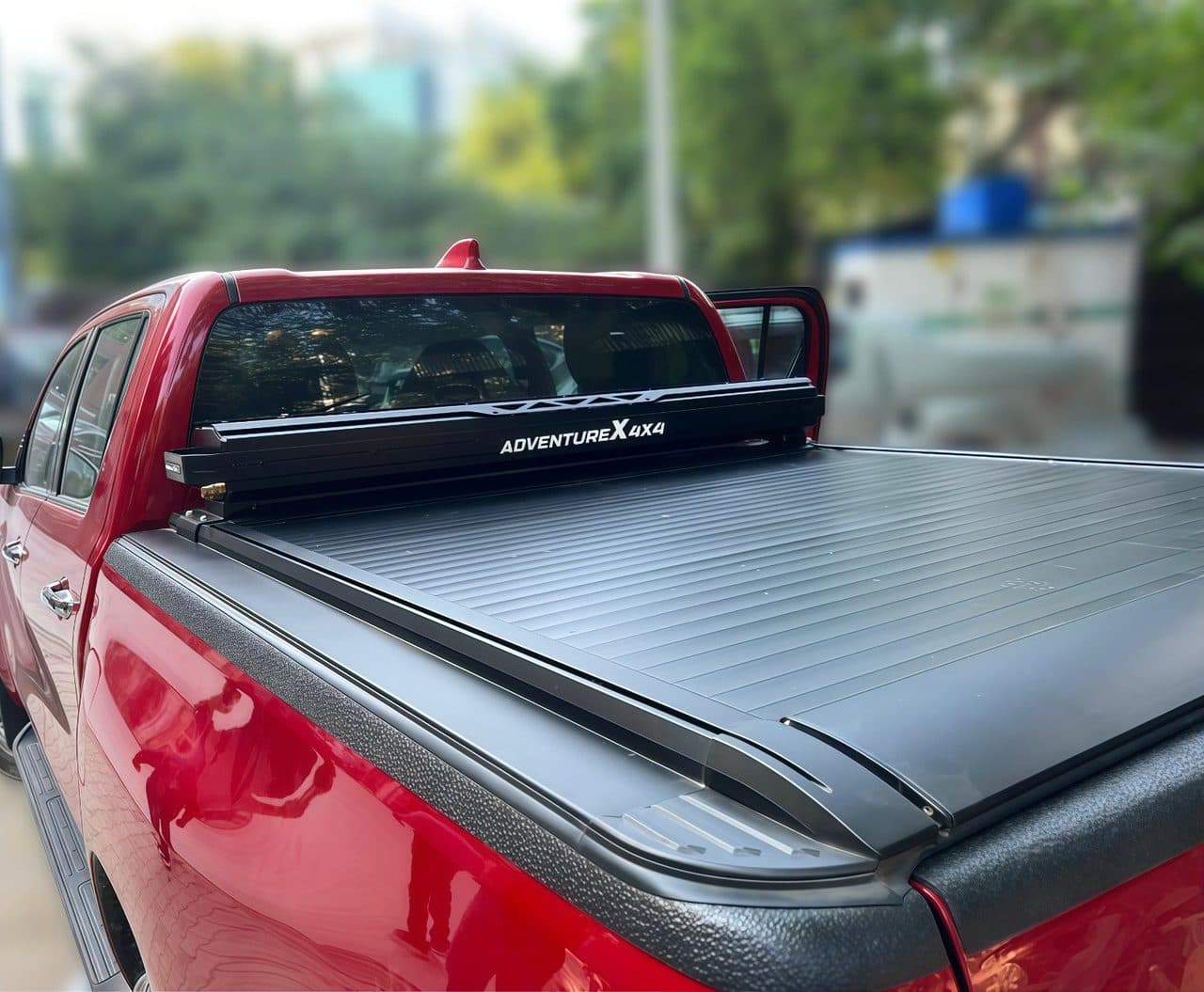
HydroXwater
The HydroX26 is a rugged 26-litre aluminium pressurised water tank engineered for overlanders,…
Price
₹46,990
Also in Recovery Gear
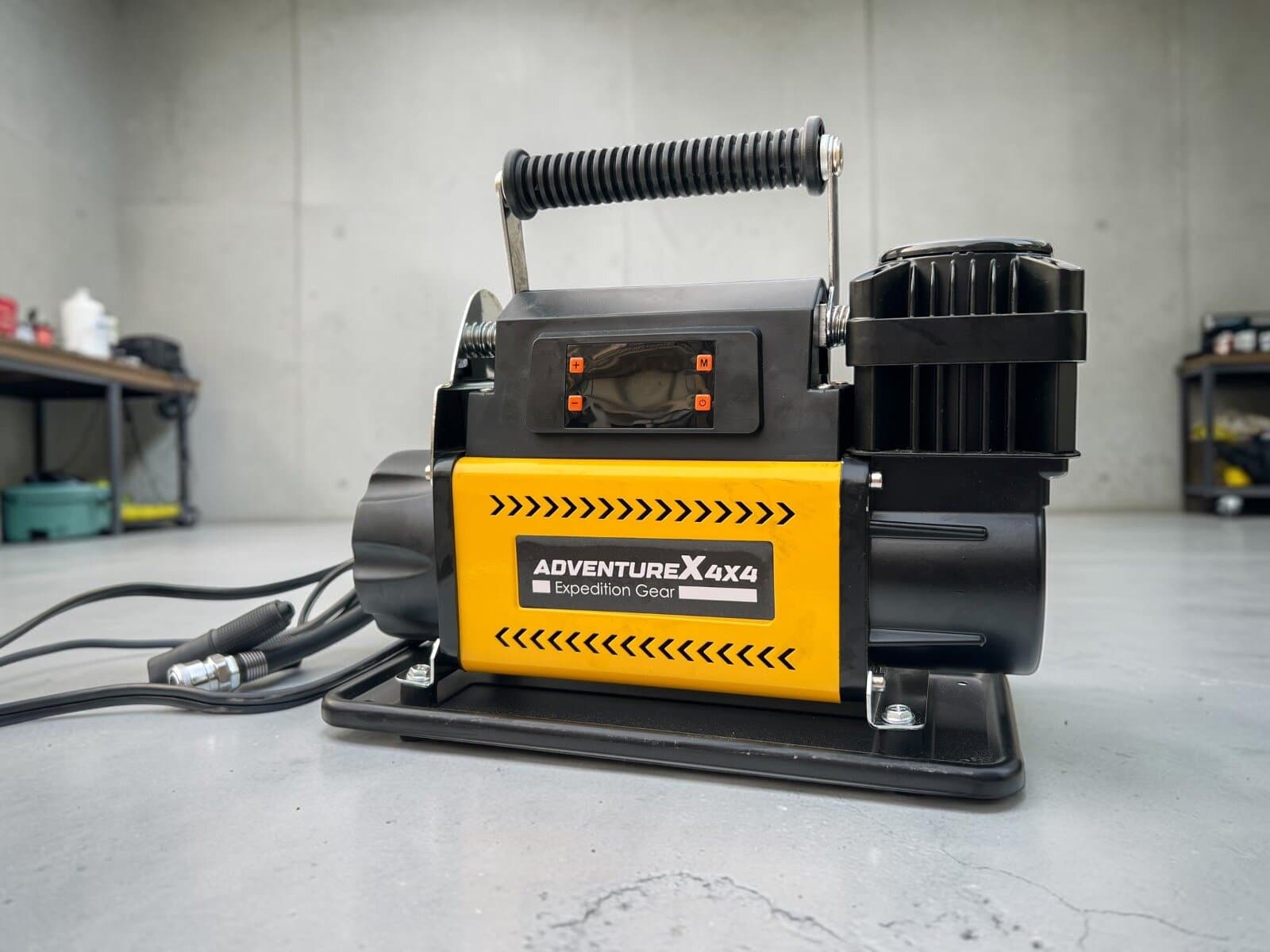
X-Flaterecovery
200 LPM high-speed inflation, built for big tires and serious trails
Price
₹18,990
Fits: Toyota Hilux · Isuzu V-Cross +8
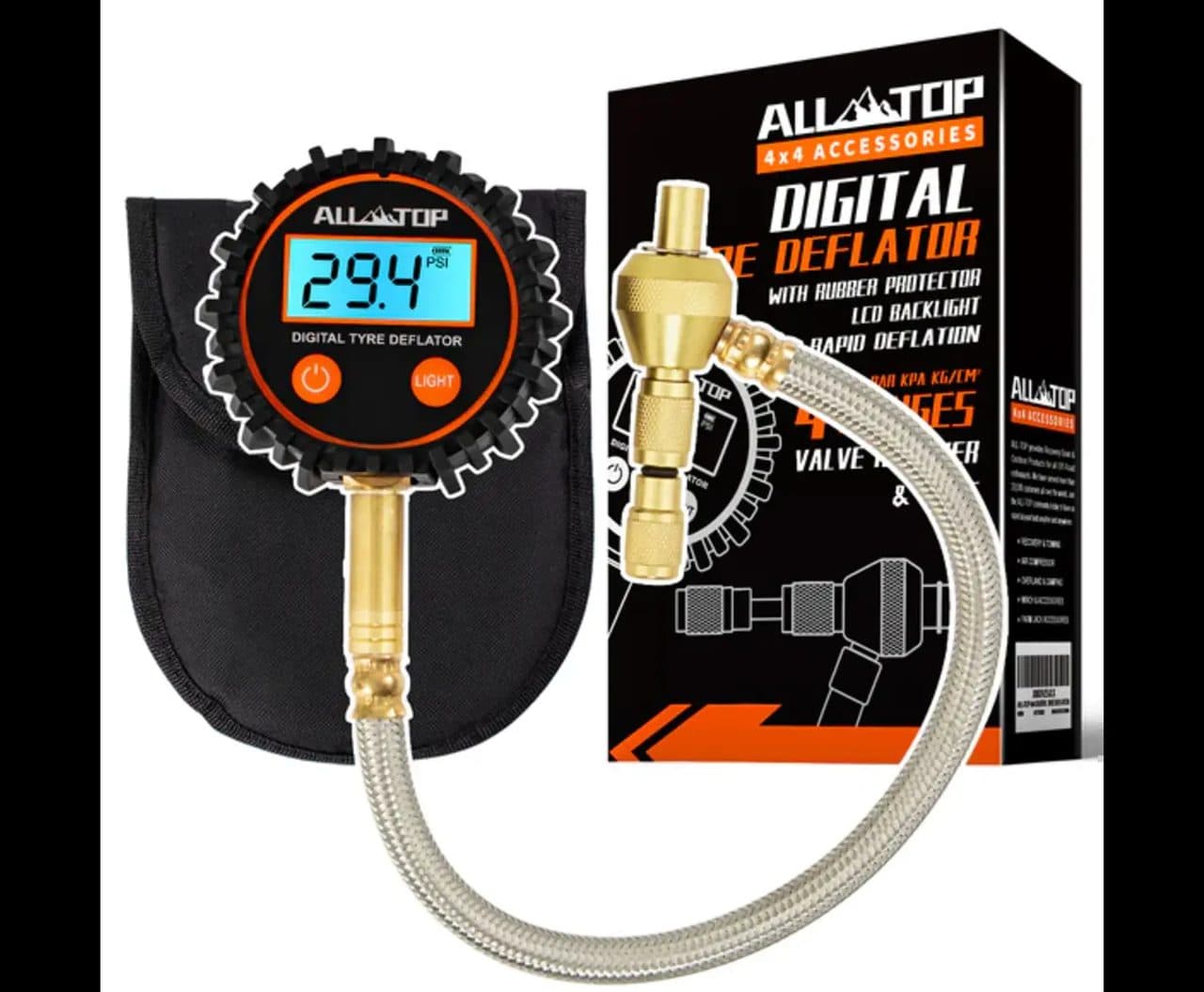
Field gearrecovery
Deflate tires quickly with the ALL-TOP USA Rapid Tire Deflator with Digital Gauge (0–250 PSI).…
Price
₹2,957
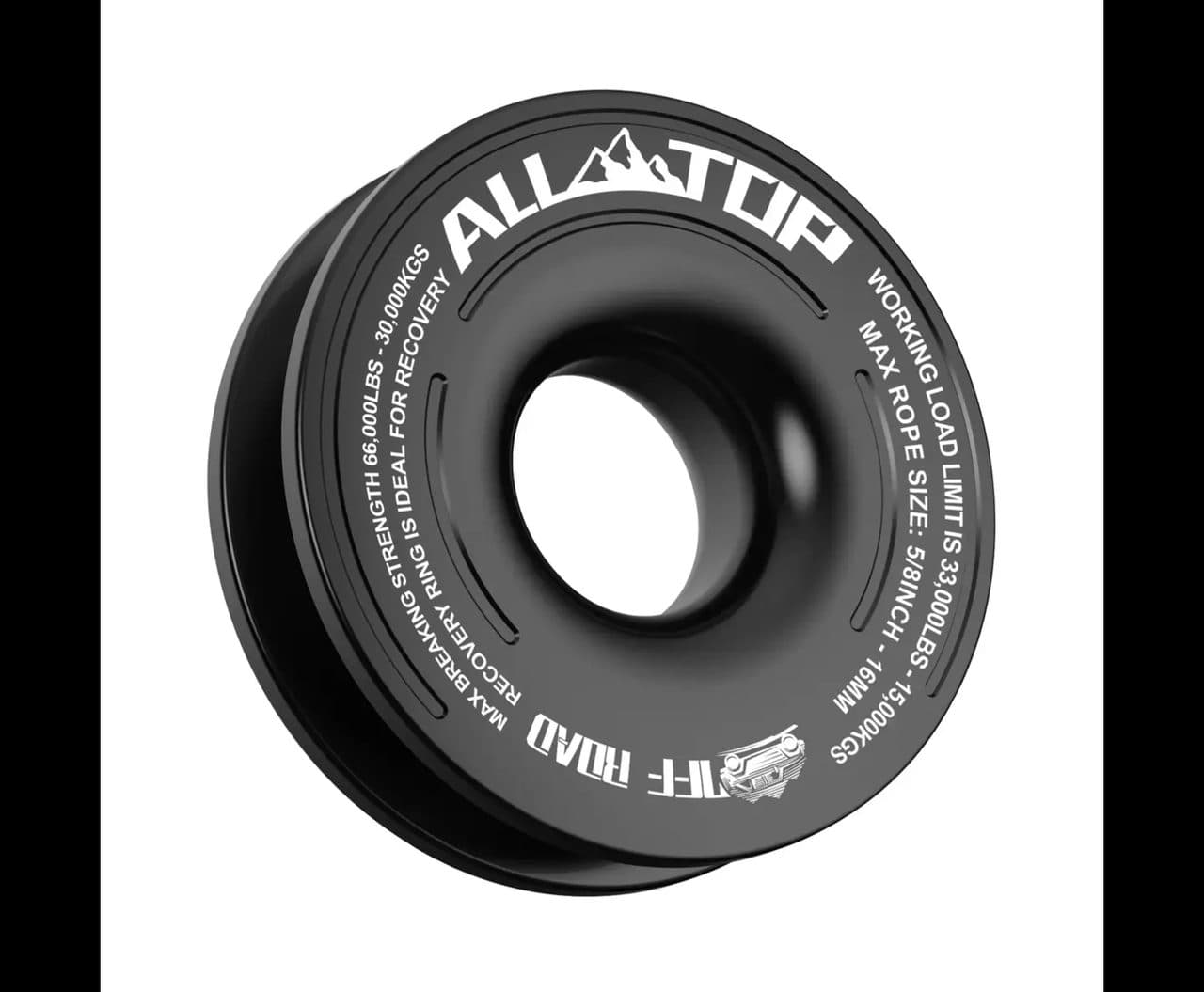
Field gearrecovery
All-Top USA 66,000 Lbs Recovery Ring in Black delivers ultra-strong, lightweight snatch block…
Price
₹3,336
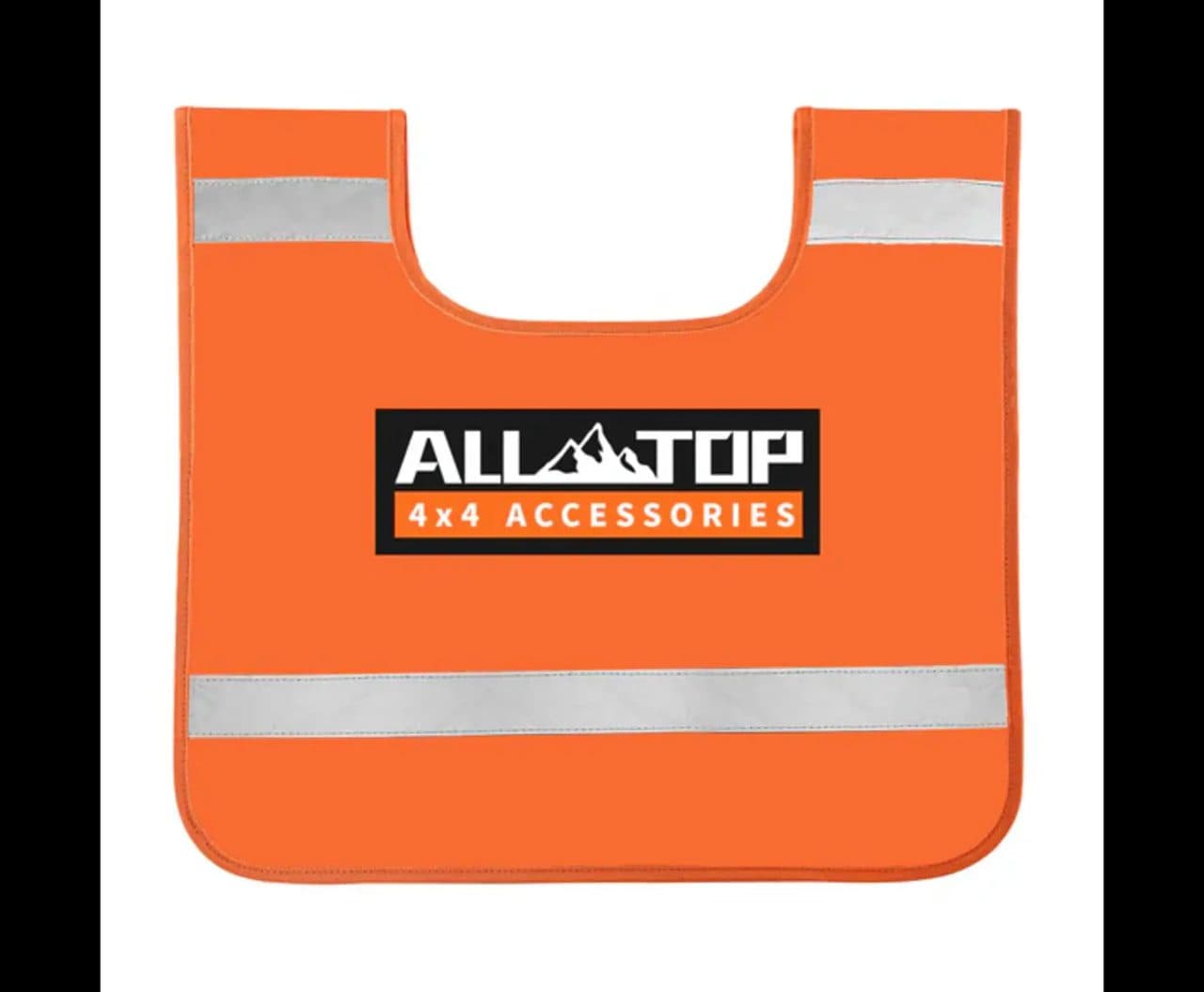
Field gearrecovery
Stay safe during vehicle recovery with the ALL-TOP USA Safety Winch Cable Damper. This…
Price
₹4,499
Buying guides
How to choose the right recovery gear for your rig — field-tested picks, prices and fitment.
Field-tested in extreme conditions
Researched & proven on Spiti, Ladakh & Lahaul
Our own proprietary range
AutoNest · TractionX · ThermaEvo — not resold gear
Free shipping over ₹25,000
Dispatched across India with a GST invoice
TÜV-certified snow chains
TractionX — TÜV GS & ÖNORM V5117 rated
Build your rig. Jump straight to the gear, guides and per-vehicle build dossiers our overlanders reach for most.
We use essential cookies to run AdventureX4x4 and privacy-light, IP-anonymised analytics to improve it. By continuing you agree to our Cookie Policy and Privacy Policy.