
Expeditionrooftop tents
Flagship
Bison61
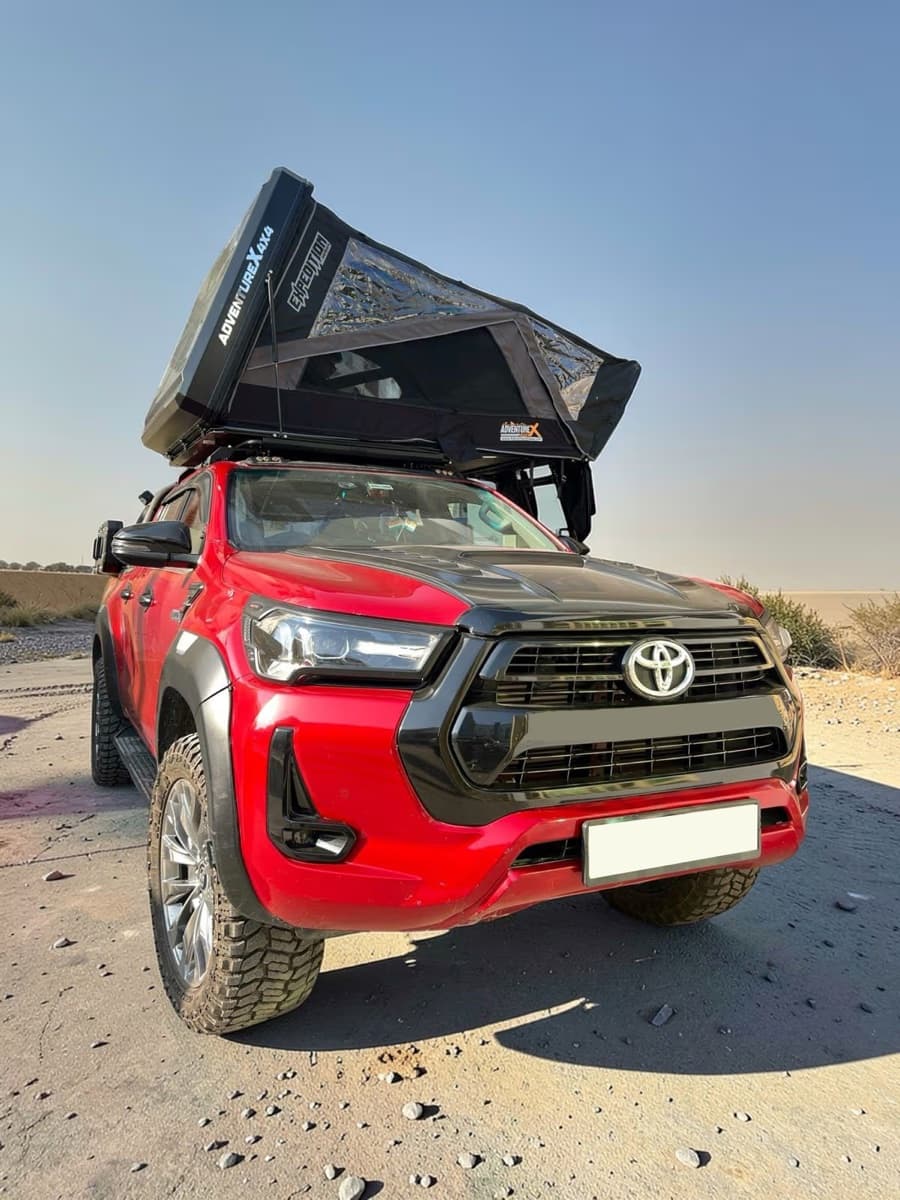
When adventure calls, the Bison61 answers with engineering that blends strength, luxury, and…
Price
₹2,09,990
Fits: Mahindra Thar · Mahindra Scorpio N +3
79,300 LBS MBS · 11,000 LBS WLL
Turn your tow hitch into a rated recovery point in seconds.
Price
₹6,002
Inclusive of GST · Free shipping over ₹25,000
In stock — ready to ship
Shipping·Returns·1-year warranty
Overview
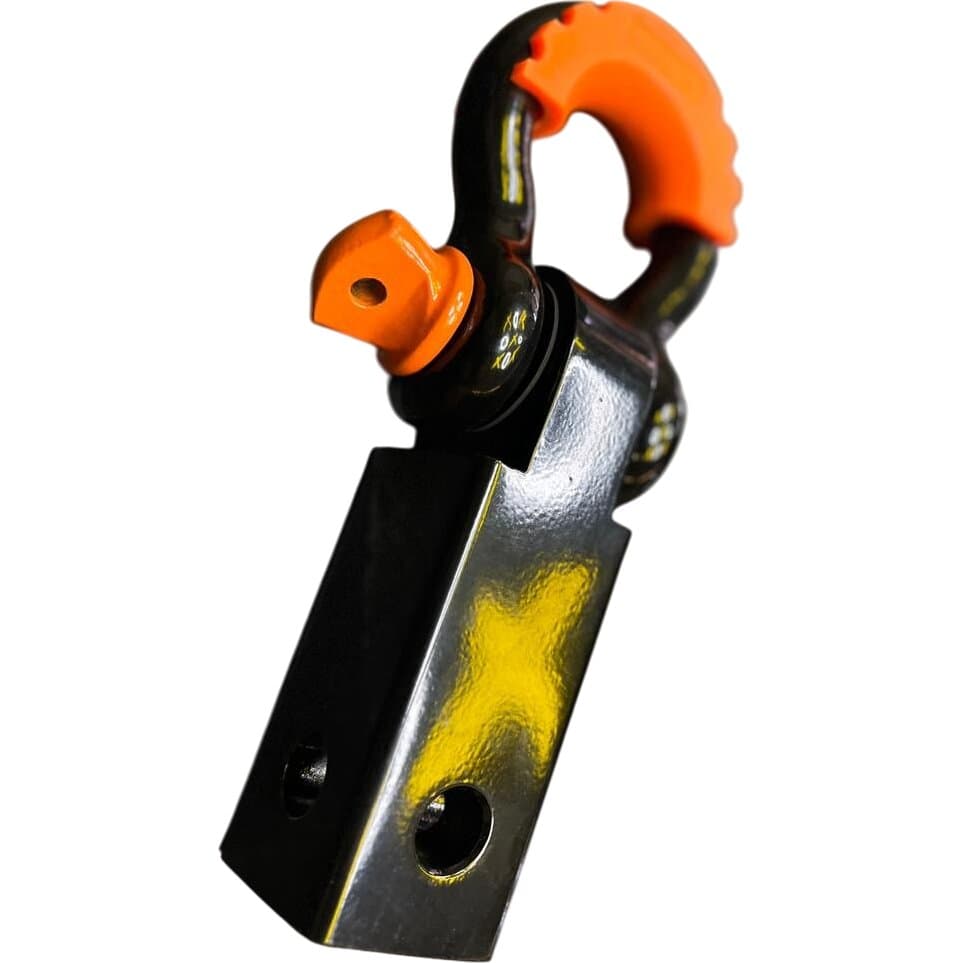
A shackle hitch receiver is the piece of kit that converts the tow hitch already on your vehicle into a proper, rated recovery point, and this one is built to a 79,300 lbs minimum breaking strength with an 11,000 lbs working load limit, secured by a quick-release pin. It slides into your hitch receiver, locks in place with the pin, and gives you a strong, defined point to attach a shackle and recovery strap to. Instead of improvising an attachment, often dangerously, around a tow ball or some part of the vehicle that was never meant to take a recovery load, you get a purpose-made anchor that goes on in seconds and comes off just as fast.
The problem it solves is one of the most dangerous in all of vehicle recovery: where to attach. Tow balls and random brackets are not recovery points, and using them can lead to equipment failure and serious injury when a strap shock-loads under a kinetic recovery. The shackle hitch receiver gives you a point engineered for the job, with the ratings stated up front. The 11,000 lbs working load limit tells you the load it is designed to work within, while the 79,300 lbs minimum breaking strength describes the margin built into the hardware, the two numbers together being the language of properly rated recovery gear.
For real overlanding this matters because recovery is a two-way street: sometimes you are stuck, and sometimes you are the one doing the pulling. Having a rated rear recovery point ready to go means you can be snatched out, or recover a travelling companion, quickly and with confidence. On a Ladakh trail where a vehicle has bogged in a river crossing, or in the Rann where a wheel has broken through the crust, the time it takes to set up matters, and a receiver that drops in and locks with a quick-release pin gets you rigged and recovering without fuss. The same point serves equally for both being recovered and assisting others.
Concrete use-cases are exactly the situations overlanders meet. A companion vehicle is bogged in soft sand and you rig a strap from your shackle hitch receiver to pull them clear. You are stuck yourself and another vehicle needs a solid, rated point on your rig to snatch you out, which the receiver provides. You are setting up for a recovery on a Himalayan track and want a defined attachment point that you trust, fitted in seconds, rather than wrapping a strap around something that was never meant to take the load. In every case the receiver gives you a rated point exactly where you need it.
Using it is refreshingly quick, which is much of the point. Slide it into the hitch receiver, secure it fully with the quick-release pin, and attach your shackle and recovery strap to it. Rig within the working load limit, choose a recovery technique and gear matched to the situation, and treat the line as live throughout. For any recovery, keep bystanders well clear, lay a recovery damper over a tensioned strap or cable, never stand in line with a loaded recovery line, and avoid violent snatches that spike the load. Make sure the pin is properly engaged before taking up any tension, since the whole system depends on that connection.
Care and maintenance suit hardware that lives at the back of a vehicle in harsh conditions. After dusty or muddy trips, wipe it down and keep the pin clean so it slides and locks freely. After snow, salt-flat or river-crossing use, rinse it with fresh water and dry it, because salt is corrosive and a rear recovery point sees plenty of spray and grime; corrosion on rated gear is a safety matter, not just appearance. Inspect the receiver and pin for damage, distortion or seized movement before a trip, keep the pin from rattling loose in transit, and store it where you can grab it the moment a recovery is on.
On compatibility, this is hitch-led rather than model-specific: it suits a vehicle fitted with a compatible hitch receiver, and it relies on that receiver and the vehicle's mounting being sound and suitable for recovery loads. Across the overland world that covers properly equipped rigs of every kind, Thar and Jimny builds, Fortuner and Hilux trucks, Scorpio-N expedition vehicles and Defenders set up for remote travel, provided each has an appropriate, suitably rated hitch. We state only the 79,300 lbs MBS and 11,000 lbs WLL given here and invent no other figures; the sensible step is always to confirm your hitch and its mounting are rated for the recovery you intend.
This is fundamental safety kit for any overlander who wants to recover, or be recovered, properly. A rated recovery point is not a luxury but the difference between a controlled recovery and a dangerous improvisation, and a shackle hitch receiver delivers that point quickly using a hitch you already have. For anyone travelling in a group, or alone in remote country where helping and being helped both matter, the quick-release shackle hitch receiver is one of the simplest, highest-value additions you can make to a recovery setup.
It slides into your existing tow hitch and locks with a quick-release pin, turning a hitch you already have into a defined, rated point for a shackle and strap, fitted and removed in moments.
The 11,000 lbs WLL tells you the load the receiver is designed to work within, the kind of clear rating that proper recovery hardware should always carry.
The 79,300 lbs MBS describes the margin engineered into the hardware, giving you confidence in a tool whose whole job is to take heavy recovery loads safely.
The quick-release pin means you can fit and remove the receiver without tools, so you are rigged and recovering, or packed away again, with minimum fuss.
The same rated point lets you snatch out a bogged companion or give another vehicle a solid point to pull you free, which makes it as useful for helping others as for self-recovery.
Specifications
In the box
Questions, answered
A tow ball is not a recovery point and using one for recovery can lead to equipment failure and serious injury when a strap shock-loads. The shackle hitch receiver gives you a point engineered for the job, with a stated 11,000 lbs working load limit and 79,300 lbs minimum breaking strength, fitted into your hitch in seconds.
WLL, the 11,000 lbs working load limit, is the load the receiver is designed to work within. MBS, the 79,300 lbs minimum breaking strength, describes the margin built into the hardware. Together they are the standard way properly rated recovery gear states its capability. Always rig within the working load limit.
It is hitch-led rather than model-specific, so it suits any vehicle fitted with a compatible hitch receiver, which can include all of those when appropriately equipped. It relies on your hitch and its mounting being sound and rated for recovery loads, so confirm that first. We have not quoted any fitment figures because none are specified for this product.
In seconds. It slides into the hitch receiver and locks with a quick-release pin, no tools required, so you can rig for a recovery and pack it away again with minimum fuss. Always check the pin is fully engaged before taking up any tension.
Yes. The same rated point lets you snatch out a bogged companion or give another vehicle a solid point to pull you free, so it works equally for helping others and for being recovered, which is exactly what group and remote travel call for.
Wipe it down after dusty or muddy trips and keep the pin clean so it slides and locks freely. After snow, salt-flat or river-crossing use, rinse with fresh water and dry it, since salt is corrosive and a rear recovery point catches plenty of spray. Inspect the receiver and pin before each trip, as corrosion on rated gear is a safety matter.
The receiver gives you the rated point; safe recovery is about how you use it. Rig within the working load limit with sound shackles and strap, keep bystanders clear, lay a recovery damper over the tensioned line, never stand in line with a loaded line, avoid violent snatches, and confirm the pin is engaged before applying load.
Owner reviews
Write a review
Run the Shackle Hitch Receiver w/Quick Release Pin yourself? Tell other overlanders how it held up. Every review is checked by our team before it appears.
Complete your build
Overlanders rarely run one piece of gear alone — here's what pairs with the Shackle Hitch Receiver w/Quick Release Pin to finish the build.
Expeditionrooftop tents
When adventure calls, the Bison61 answers with engineering that blends strength, luxury, and…
Price
₹2,09,990
Fits: Mahindra Thar · Mahindra Scorpio N +3
TractionXsnow chains
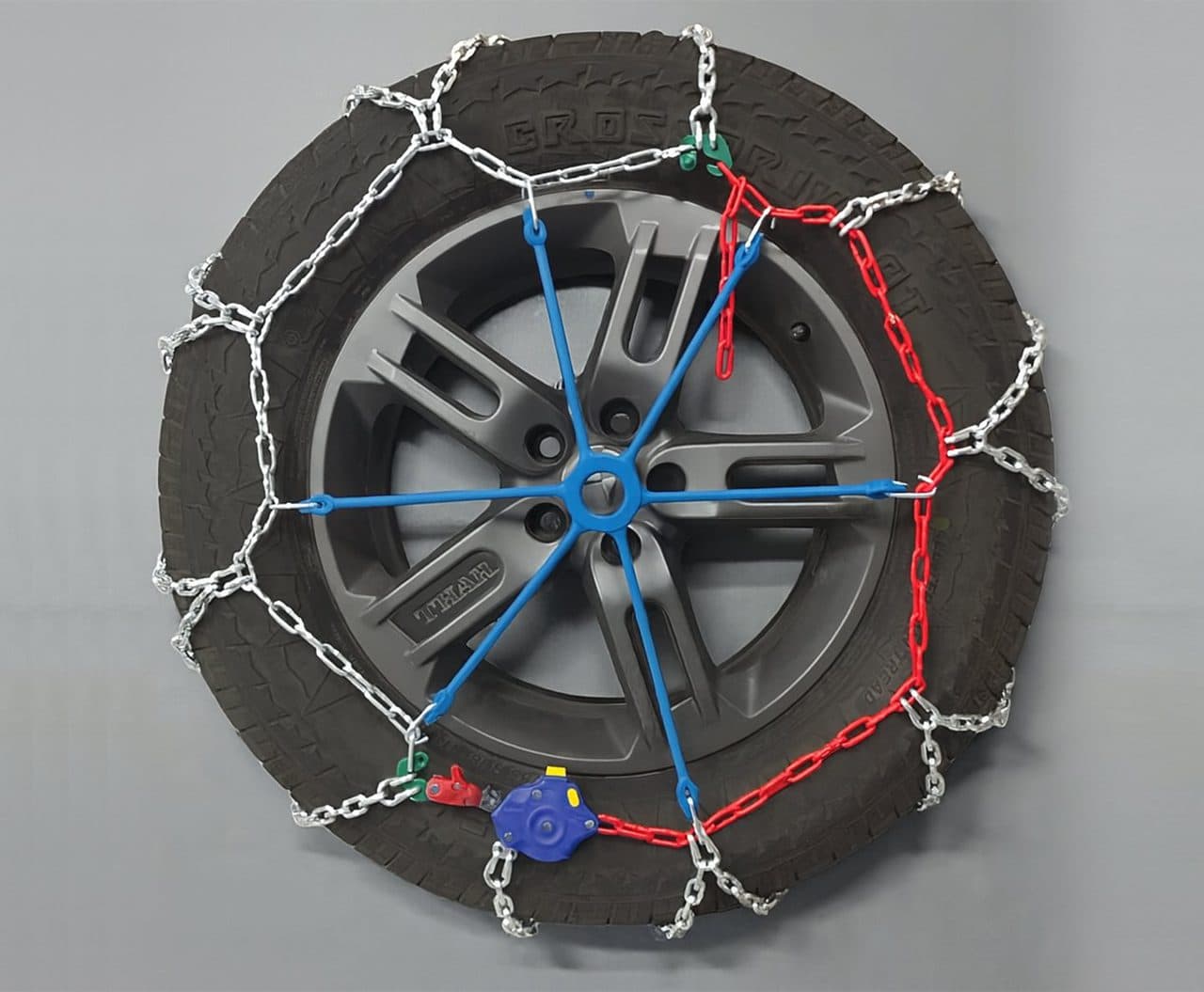
When you’re driving through heavy snow, icy mountain roads or extreme cold conditions, your…
Price
₹3,200
HydroXwater
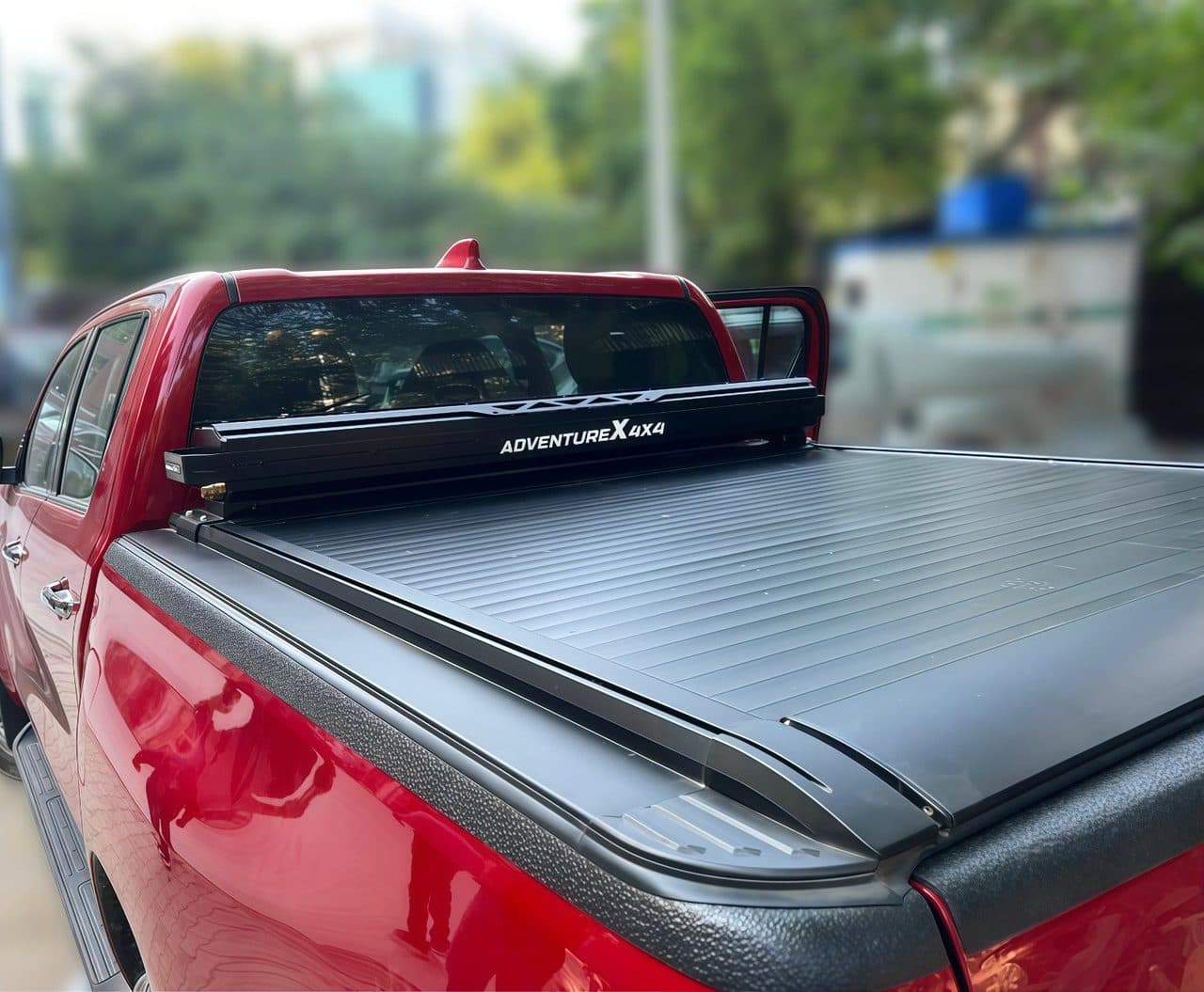
The HydroX26 is a rugged 26-litre aluminium pressurised water tank engineered for overlanders,…
Price
₹46,990
Also in Recovery Gear
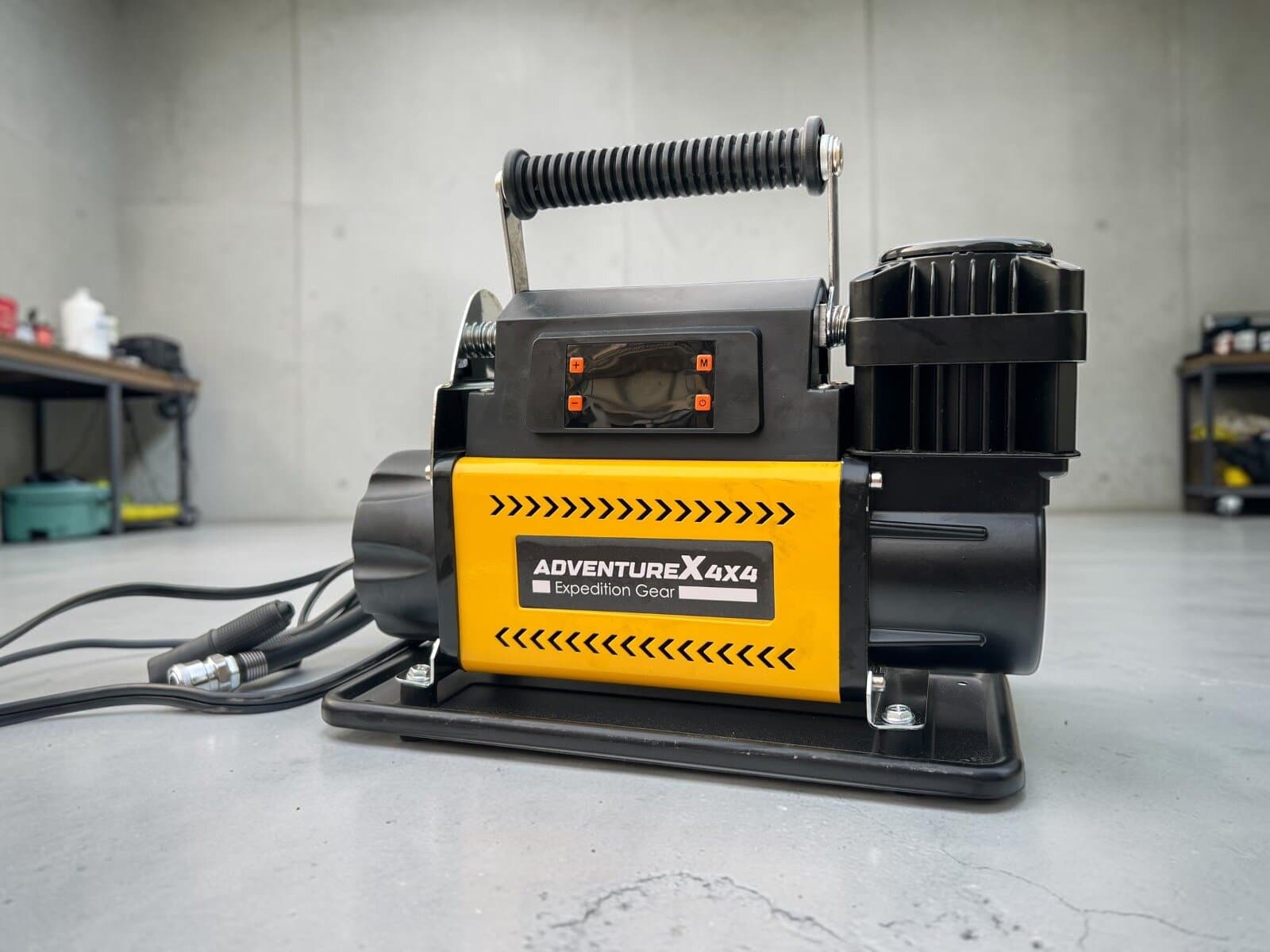
X-Flaterecovery
200 LPM high-speed inflation, built for big tires and serious trails
Price
₹18,990
Fits: Toyota Hilux · Isuzu V-Cross +8
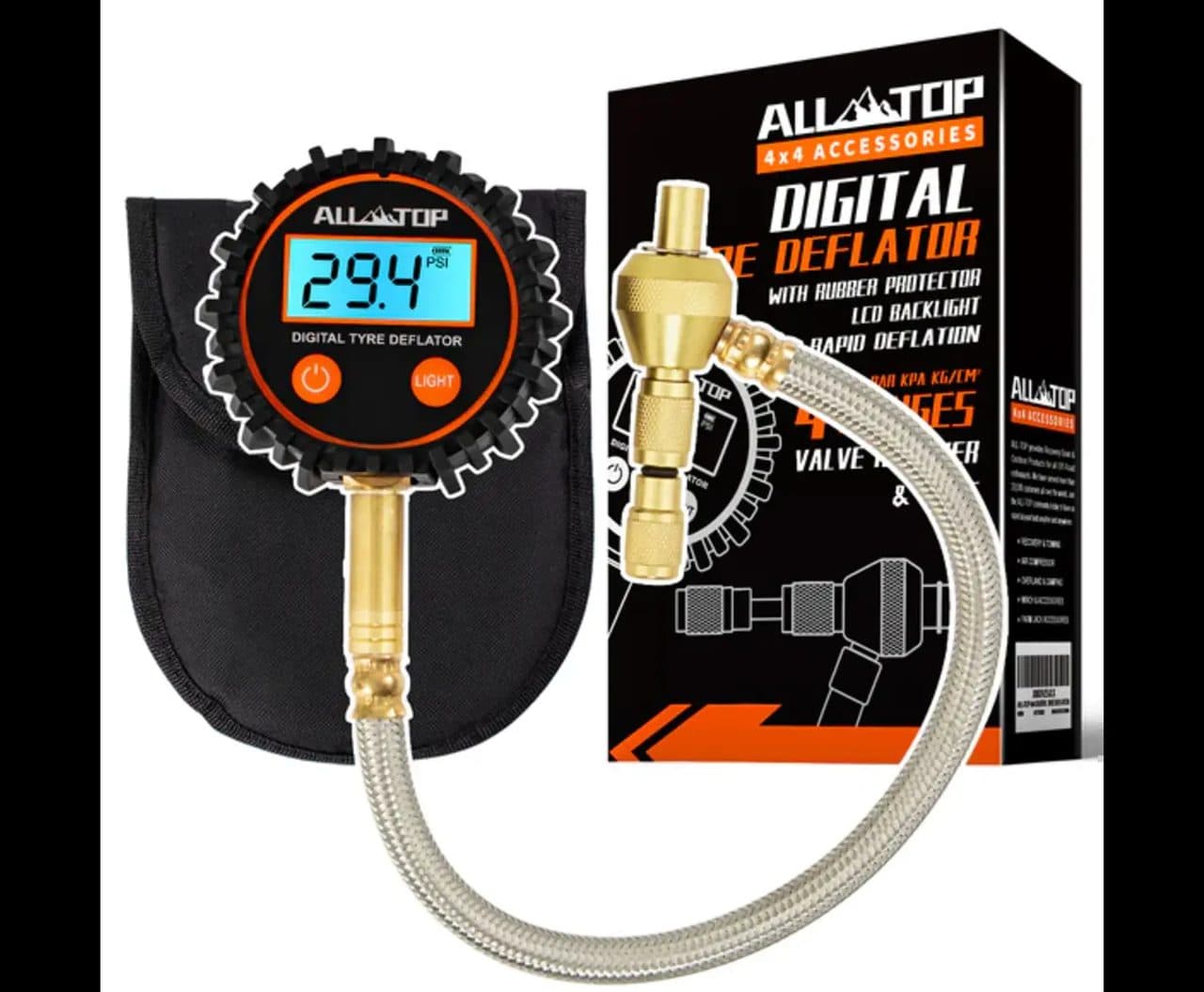
Field gearrecovery
Deflate tires quickly with the ALL-TOP USA Rapid Tire Deflator with Digital Gauge (0–250 PSI).…
Price
₹2,957
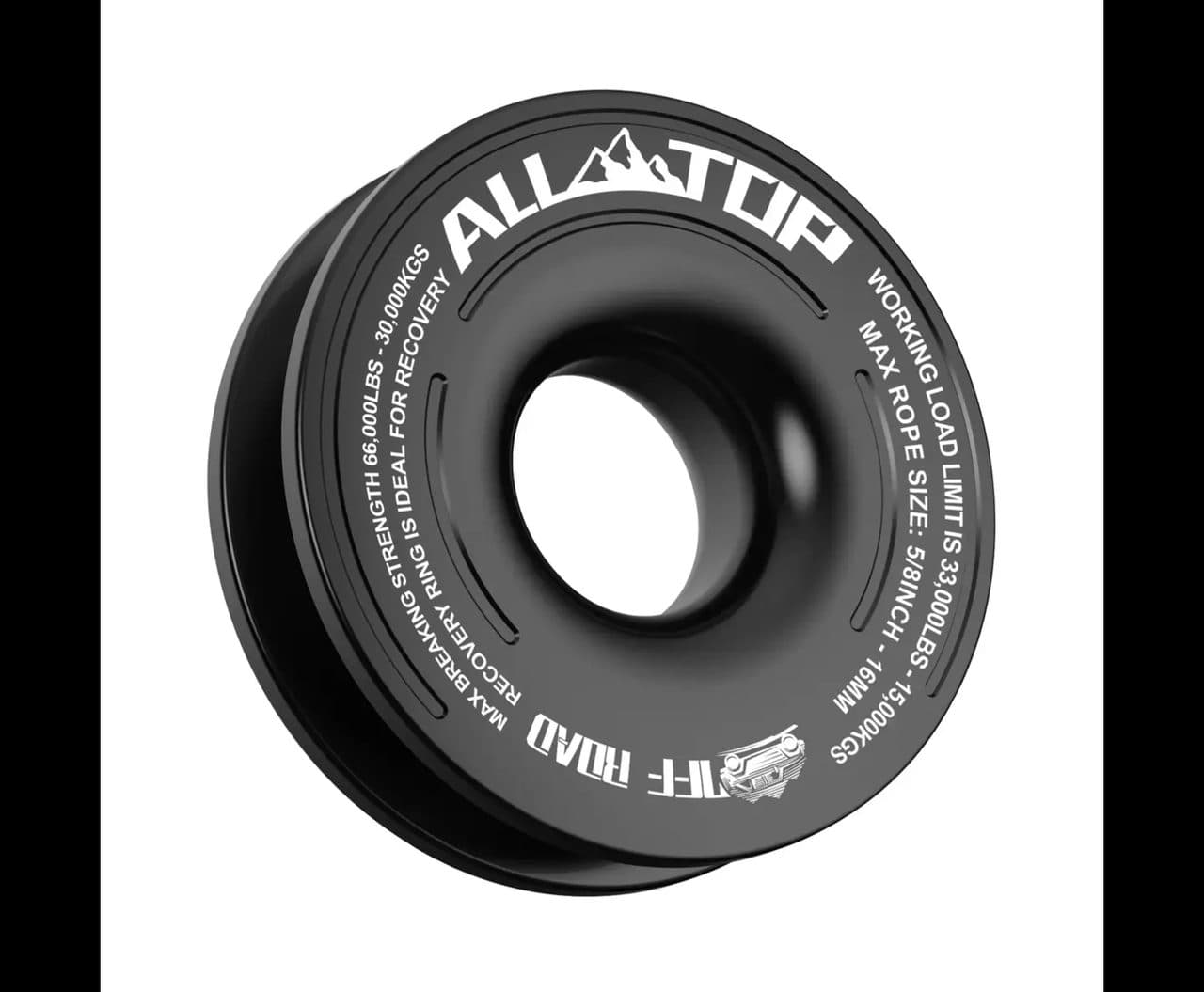
Field gearrecovery
All-Top USA 66,000 Lbs Recovery Ring in Black delivers ultra-strong, lightweight snatch block…
Price
₹3,336
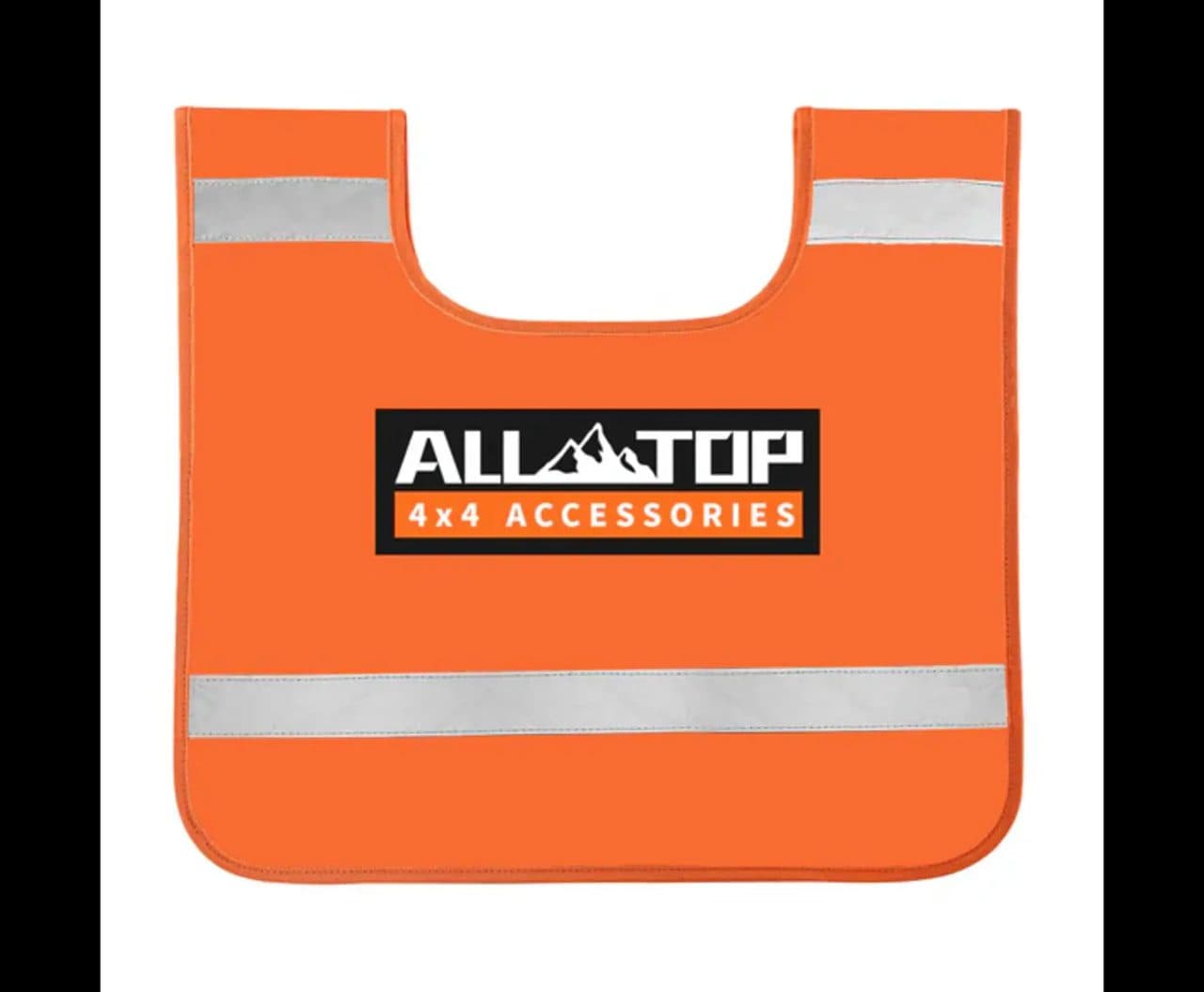
Field gearrecovery
Stay safe during vehicle recovery with the ALL-TOP USA Safety Winch Cable Damper. This…
Price
₹4,499
Buying guides
How to choose the right recovery gear for your rig — field-tested picks, prices and fitment.
Field-tested in extreme conditions
Researched & proven on Spiti, Ladakh & Lahaul
Our own proprietary range
AutoNest · TractionX · ThermaEvo — not resold gear
Free shipping over ₹25,000
Dispatched across India with a GST invoice
TÜV-certified snow chains
TractionX — TÜV GS & ÖNORM V5117 rated
Build your rig. Jump straight to the gear, guides and per-vehicle build dossiers our overlanders reach for most.
We use essential cookies to run AdventureX4x4 and privacy-light, IP-anonymised analytics to improve it. By continuing you agree to our Cookie Policy and Privacy Policy.