
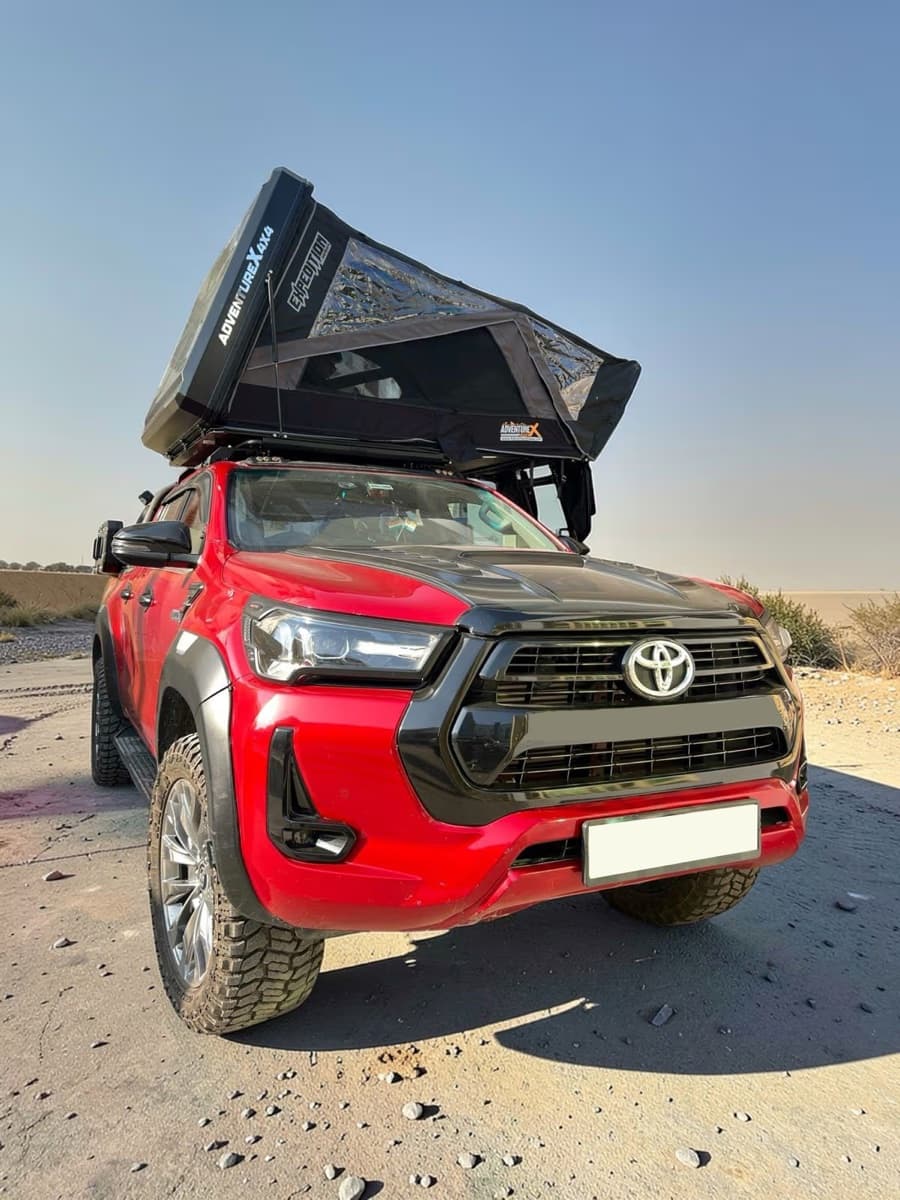
Expeditionrooftop tents
Flagship
Bison61
When adventure calls, the Bison61 answers with engineering that blends strength, luxury, and…
Price
₹2,09,990
Fits: Mahindra Thar · Mahindra Scorpio N +3
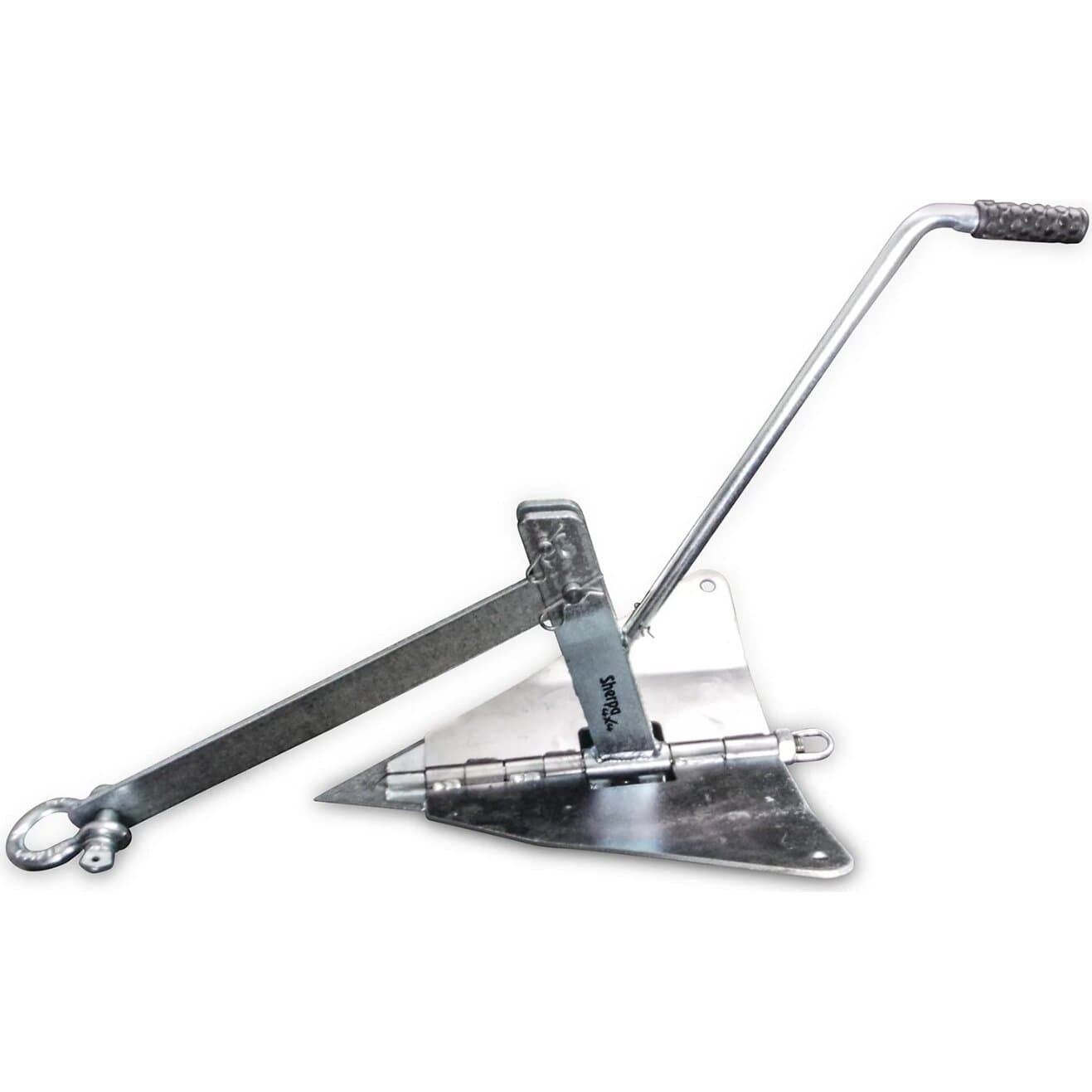
When there is nothing to pull against, become your own anchor point.
Price
₹46,950
Inclusive of GST · Free shipping over ₹25,000
In stock — ready to ship
Shipping·Returns·1-year warranty
Overview
A winch is only as useful as the thing you connect it to. On a forest track or a rocky pass you can usually find a stout tree or a boulder to recover against, but the moment you drop into open sand, loose gravel or deep snow, that luxury disappears. This is the exact situation a heavy-duty ground anchor is built for: it gives your winch a solid pull point in terrain where the land itself offers nothing to grab. Instead of staring at a stuck vehicle with a winch and no answer, you plant the anchor, run your line to it, and create the recovery point the environment refused to provide.
The problem it solves is one every overlander eventually meets. Sand and snow are forgiving to drive on and unforgiving to get stuck in. They give way under load, which is the same property that makes a buried tyre so hard to escape and the same property that defeats most improvised anchors. A ground anchor is designed to work with that yielding surface rather than against it, biting in and resisting the pull of the winch so the line has something to draw the vehicle towards. It turns an open, featureless landscape into a recoverable one.
For real overlanding in India this matters more than it might seem. The cold deserts of Spiti and Ladakh throw long stretches of glacial sand and river-bank silt at you, often with not a tree in sight for kilometres. The Rann of Kutch is a vast salt flat where the horizon is the only feature and a self-recovery plan is non-negotiable. High Himalayan passes hold snow well into the season, and a wheel that slips off the compacted line into soft drift can sink quickly. In every one of these places the ground anchor is the tool that lets a solo vehicle, or the lead vehicle of a small convoy, get itself moving again.
Concrete use-cases are easy to picture once you have travelled this terrain. You are crossing a dry sandy nala in Ladakh, momentum dies, and the tyres dig in; with no rock or tree ahead, you set the anchor into firm ground forward of the vehicle and winch out. You are on a snow-covered stretch below a pass and slide gently off the trodden track into powder; the anchor gives your winch the bite it needs to pull you back onto the line. You are in the Rann and a wheel breaks through the salt crust into soft mud beneath; rather than digging endlessly, you anchor and recover under control.
Setting it up rewards a little thought. Position the anchor ahead of the vehicle, as inline with the intended direction of pull as you can manage, so the winch draws the truck straight rather than dragging it sideways. Set it into the most consolidated ground available, clear loose surface material away first, and let it seat under initial tension before applying full load. As with any winching operation, treat the line as live: keep bystanders well clear of its path, lay a recovery damper over a tensioned cable, never step over a loaded line, and operate smoothly rather than in sharp jerks.
Care and maintenance are straightforward, which is part of the appeal. After a sand recovery, knock off and rinse away the grit that works into every crevice, because sand is abrasive and will wear moving surfaces over time. After snow or salt-flat use, rinse thoroughly with fresh water and dry the anchor before stowing it, as salt in particular is corrosive and the Rann is merciless on neglected steel. Store it dry, inspect it for damage, cracks or distortion before each trip, and keep it where you can reach it without unpacking the whole vehicle, because the recovery you need it for is rarely convenient.
On compatibility, a ground anchor is winch-led rather than vehicle-specific. If your rig carries a winch and you travel terrain without natural anchor points, it earns its place, whether that is a Thar or Jimny on a green-lane trip, a Fortuner or Hilux on a long overland route, a Scorpio-N built for expedition duty or a Defender set up for serious remote travel. It pairs naturally with the rest of a recovery kit, shackles, a snatch block, recovery dampers, and works alongside them rather than replacing any of them.
This is a tool for the overlander who plans to be self-reliant in open country, not the one who only ever wheels where a tree is always close. If your routes take you across sand, gravel or snow, far from the easy recovery points that wooded trails take for granted, a ground anchor closes a genuine gap in your kit. It is the difference between a winch that works everywhere and a winch that works only where the landscape cooperates.
Open sand, loose gravel and deep snow rarely offer a tree or rock to recover against. The anchor creates the solid point your winch needs, turning featureless terrain into recoverable terrain.
Sand and snow give way under load, which is exactly what defeats improvised anchors. This anchor is designed to bite into and resist pull on the very surfaces that cause the stuck in the first place.
For a solo vehicle or the lead truck of a small convoy in open country, it removes the dependence on a convenient natural anchor and keeps a stuck vehicle from becoming a stranded one.
It works alongside your winch, shackles, snatch block and recovery dampers rather than replacing them, slotting into a complete recovery system for remote travel.
Rinse off sand, salt or snow-melt, dry it, inspect it and stow it. Minimal upkeep for a tool that has to be reliable the one time you genuinely need it.
In the box
Questions, answered
Whenever you are stuck and there is no tree, rock or other vehicle to winch against. That is most common on open sand, loose gravel and deep snow, the cold deserts of Spiti and Ladakh, the salt flats of the Rann, and snow-bound Himalayan passes, where natural anchor points can be kilometres apart.
Yes. The blurb describes it for open sand, gravel and snow. These surfaces all share the same problem, they yield under load, and the anchor is built to bite in and resist the winch pull on exactly that kind of ground.
A ground anchor is not vehicle-specific. It connects to your winch line rather than bolting to the vehicle, so it suits any rig that runs a winch and travels terrain without natural anchor points. We have not quoted any fitment figures because none are specified for this product.
Place it ahead of the vehicle and as inline with your intended direction of pull as possible, so the winch draws you straight rather than sideways. Set it into the firmest available ground, clear loose surface material first, and let it seat under light tension before applying full load.
Rinse off abrasive sand, and after snow or salt-flat use rinse thoroughly with fresh water and dry it before storage. Salt in particular is corrosive, so do not stow it wet. Inspect it for damage before each trip.
Treat every winching operation as serious. Keep bystanders clear of the line's path, lay a recovery damper over a tensioned cable, never step over a loaded line, and apply load smoothly rather than in sharp jerks. Used with care, the anchor simply gives your existing winch a point to pull against.
No. It complements a winch, shackles, a snatch block and recovery dampers. Think of it as the missing piece that makes self-recovery possible in open country, working alongside the rest of your kit rather than instead of it.
Owner reviews
Write a review
Run the Heavy Duty Ground Anchor for Winch yourself? Tell other overlanders how it held up. Every review is checked by our team before it appears.
Complete your build
Overlanders rarely run one piece of gear alone — here's what pairs with the Heavy Duty Ground Anchor for Winch to finish the build.
Expeditionrooftop tents
When adventure calls, the Bison61 answers with engineering that blends strength, luxury, and…
Price
₹2,09,990
Fits: Mahindra Thar · Mahindra Scorpio N +3
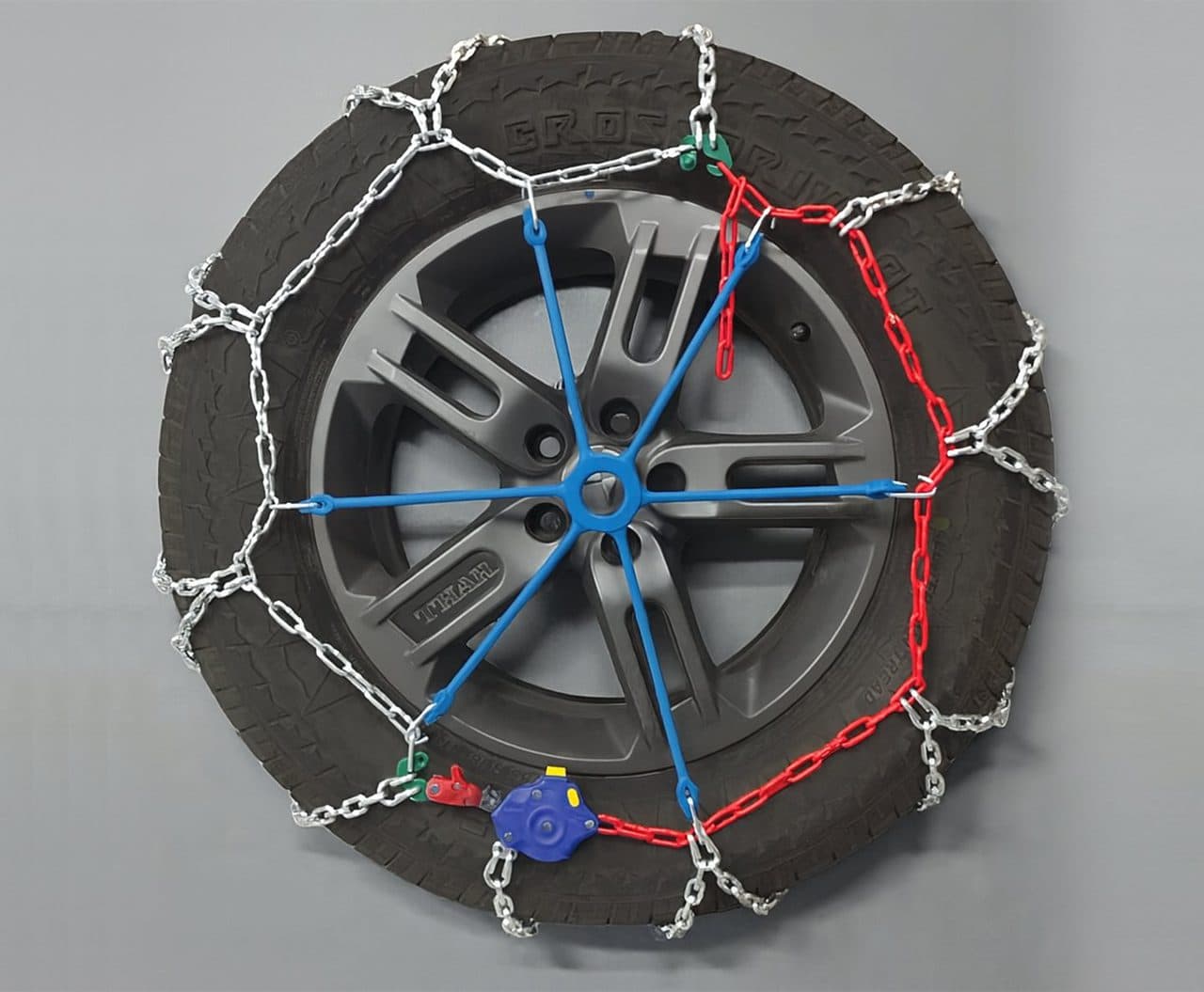
TractionXsnow chains
When you’re driving through heavy snow, icy mountain roads or extreme cold conditions, your…
Price
₹3,200
HydroXwater
The HydroX26 is a rugged 26-litre aluminium pressurised water tank engineered for overlanders,…
Price
₹46,990
Also in Recovery Gear
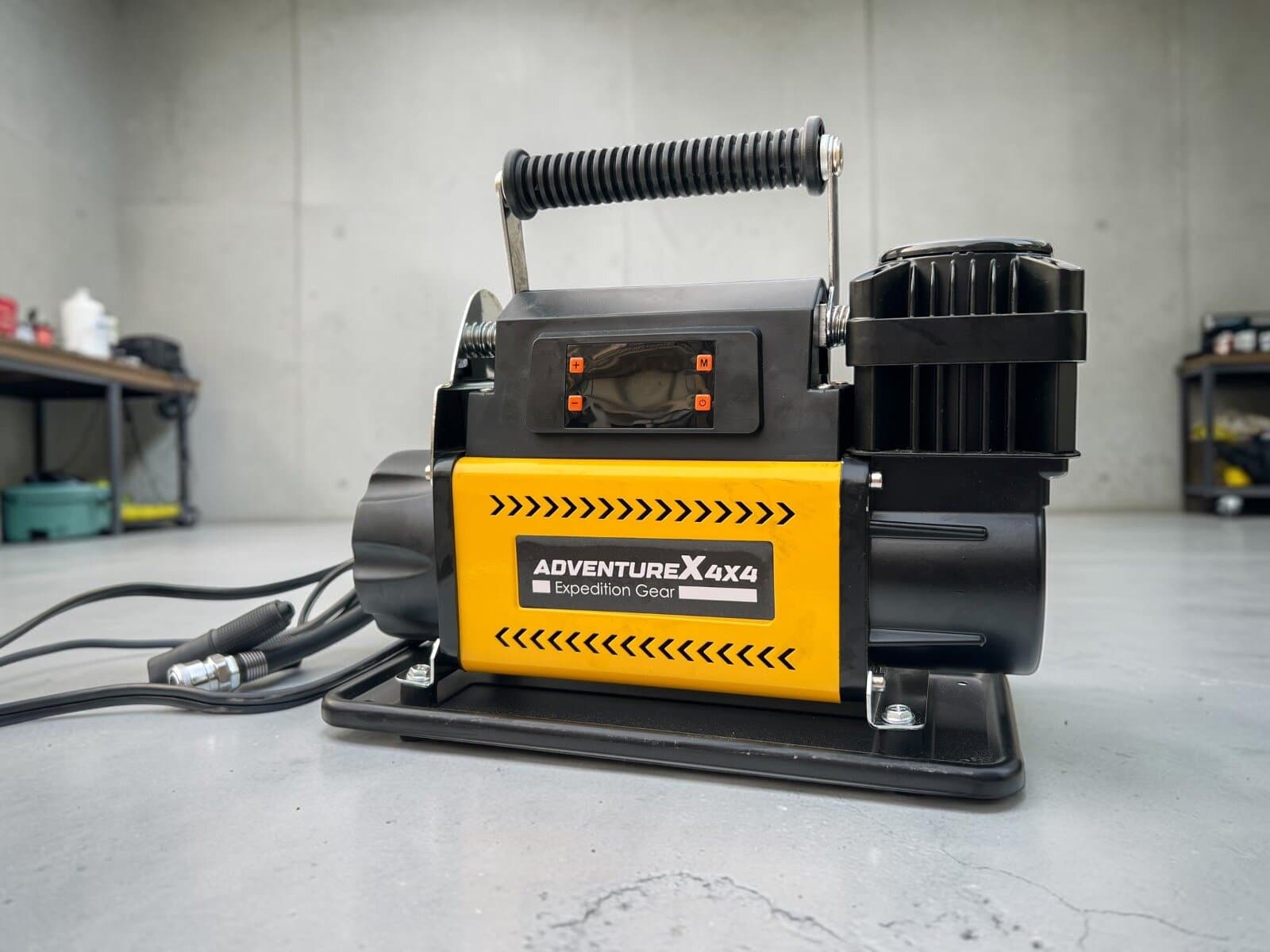
X-Flaterecovery
200 LPM high-speed inflation, built for big tires and serious trails
Price
₹18,990
Fits: Toyota Hilux · Isuzu V-Cross +8
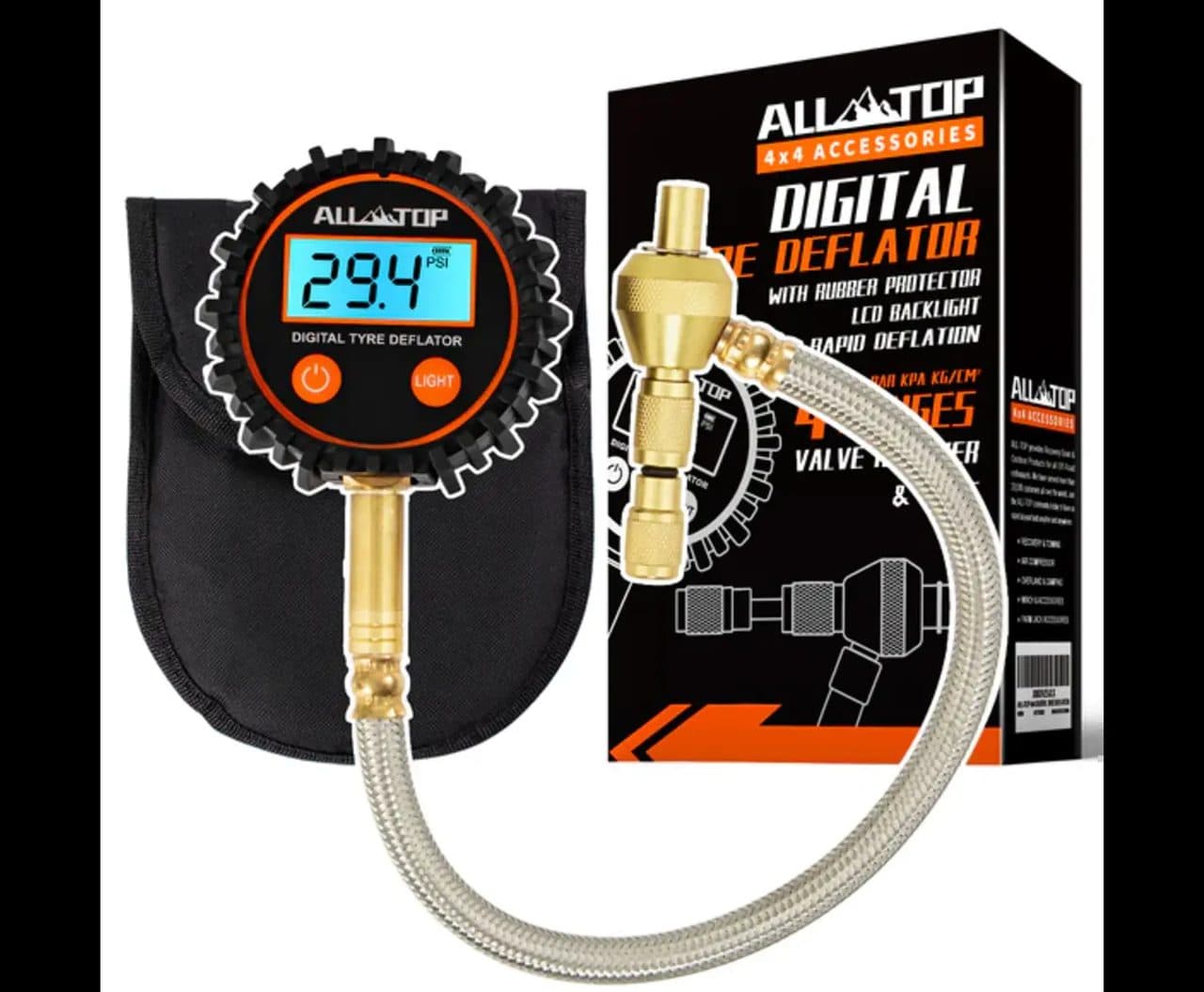
Field gearrecovery
Deflate tires quickly with the ALL-TOP USA Rapid Tire Deflator with Digital Gauge (0–250 PSI).…
Price
₹2,957
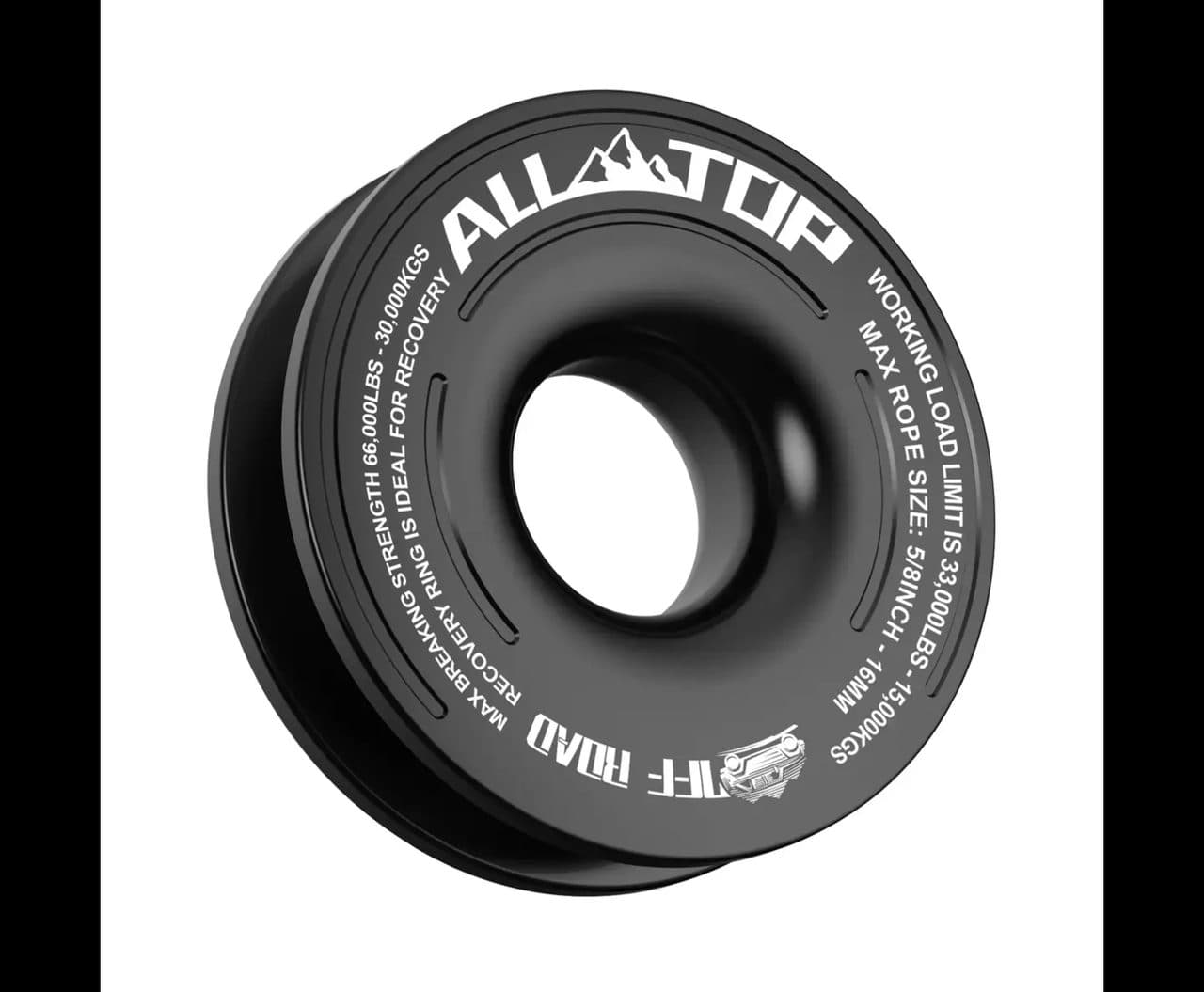
Field gearrecovery
All-Top USA 66,000 Lbs Recovery Ring in Black delivers ultra-strong, lightweight snatch block…
Price
₹3,336
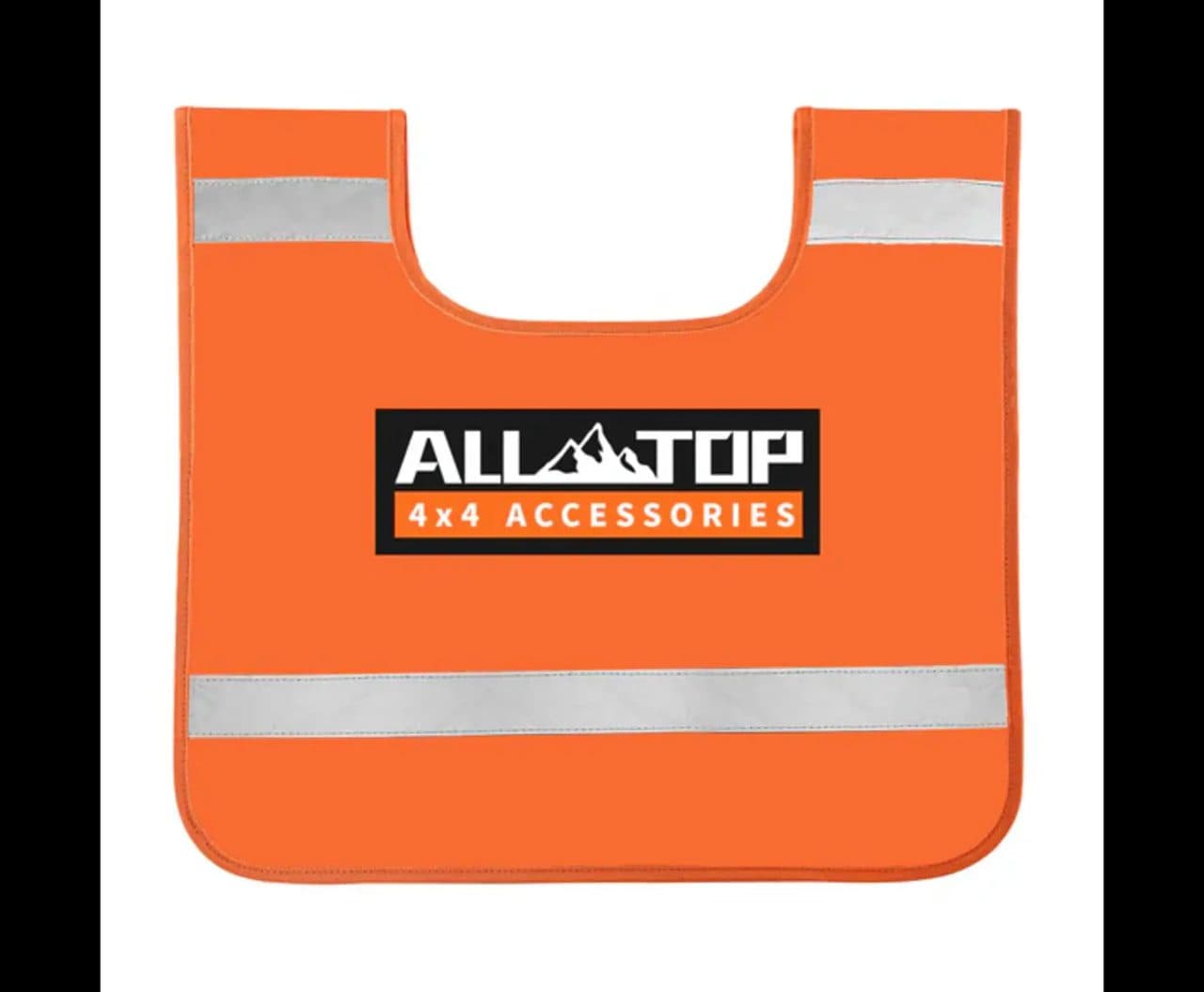
Field gearrecovery
Stay safe during vehicle recovery with the ALL-TOP USA Safety Winch Cable Damper. This…
Price
₹4,499
Buying guides
How to choose the right recovery gear for your rig — field-tested picks, prices and fitment.
Field-tested in extreme conditions
Researched & proven on Spiti, Ladakh & Lahaul
Our own proprietary range
AutoNest · TractionX · ThermaEvo — not resold gear
Free shipping over ₹25,000
Dispatched across India with a GST invoice
TÜV-certified snow chains
TractionX — TÜV GS & ÖNORM V5117 rated
Build your rig. Jump straight to the gear, guides and per-vehicle build dossiers our overlanders reach for most.
We use essential cookies to run AdventureX4x4 and privacy-light, IP-anonymised analytics to improve it. By continuing you agree to our Cookie Policy and Privacy Policy.