
Expeditionrooftop tents
Flagship
Bison61
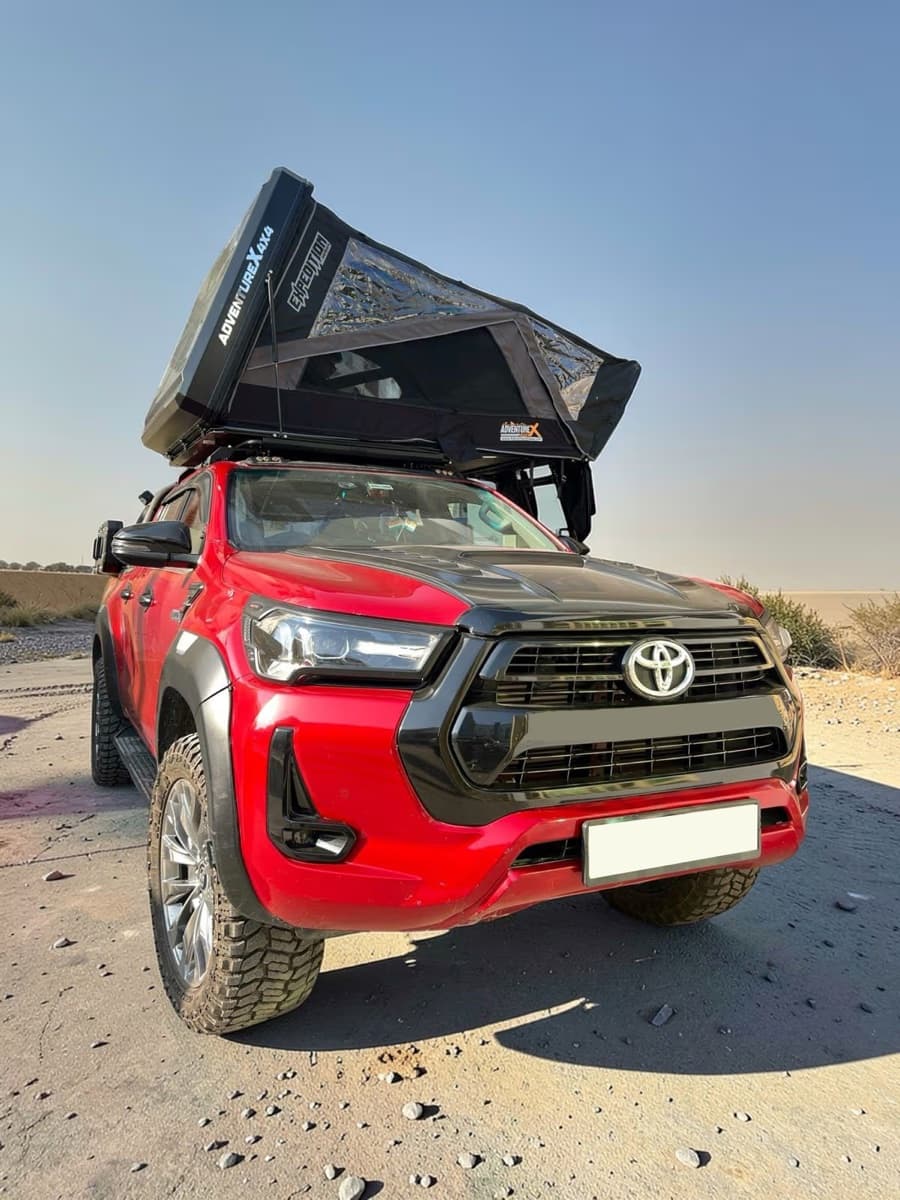
When adventure calls, the Bison61 answers with engineering that blends strength, luxury, and…
Price
₹2,09,990
Fits: Mahindra Thar · Mahindra Scorpio N +3
3 Gallons / 5 Gallons / 8 Gallons
Carry the kilometres the map does not give you.
Choose size
Price
₹5,839
Inclusive of GST · Free shipping over ₹25,000
Shipping·Returns·1-year warranty
Overview
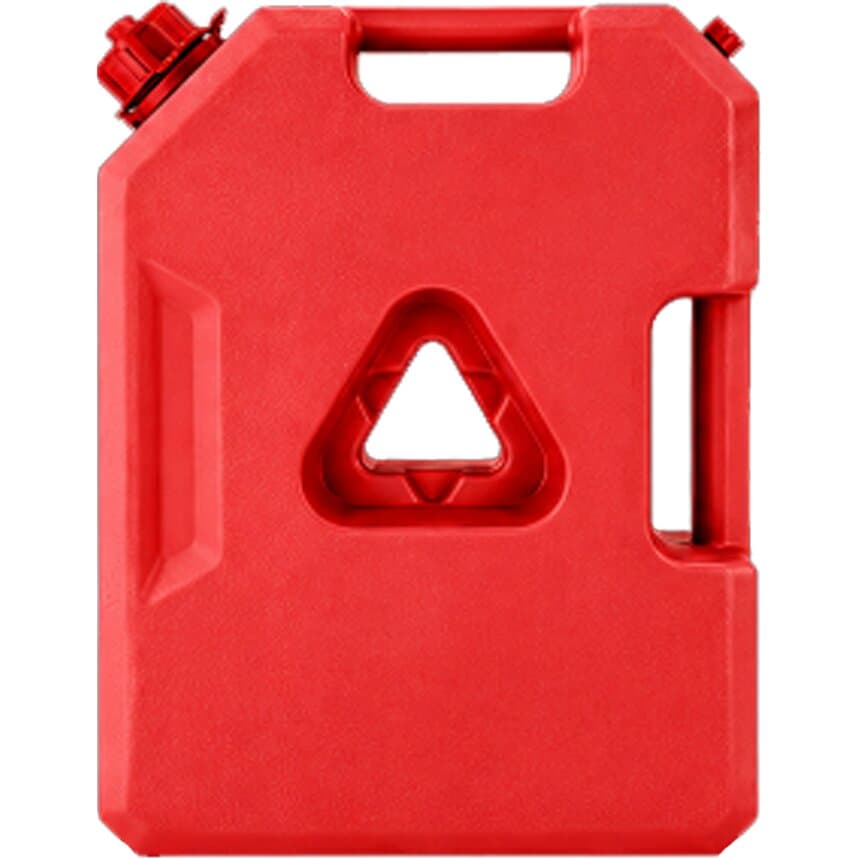
These auxiliary fuel tanks are jerry-style carriers offered in three sizes — 3 gallon (11.3 L), 5 gallon (18.9 L) and 8 gallon (30.2 L) — designed to extend your driving range between fuel stops on long expeditions. They solve a problem that every serious overlander in India eventually runs into: the distances between reliable pumps on remote routes are longer than your tank, and the margin for error gets thin exactly where a mistake is most expensive. Carrying your own fuel turns a nervous calculation into a non-issue.
The case for auxiliary fuel is really a case about range anxiety in places where running dry has consequences. On the great Himalayan routes, fuel stations are sparse and the gaps between them are unforgiving — the stretch out towards Hanle, Umling La and the remote corners of Ladakh is the textbook example, where the next working pump can be a long, slow, high-altitude haul away. Add the fuel a vehicle burns crawling in low range, idling at checkposts, and grinding up passes, and your real-world economy drops well below what you would see on a highway. A jerry tank lets you plan around the terrain rather than the petrol map.
Choosing a size is about matching capacity to the trip and to how much weight you want to carry high on the vehicle. The 3-gallon (11.3 L) tank is the light, easy option — a sensible reserve for weekend trails and shorter routes where you just want insurance against a closed pump. The 5-gallon (18.9 L) is the all-round choice for most expedition use, a meaningful top-up without dominating your rack. The 8-gallon (30.2 L) is for genuinely long, remote crossings where you need to bridge the biggest gaps, accepting that a full tank of fuel is heavy and is best carried low and secured properly. Many overlanders mix sizes to fine-tune their total reserve.
On the trail these tanks come into their own across very different conditions. In the Rann of Kutch and other sandy country, soft-sand driving and the constant momentum game burn fuel fast, and a pump can be an hour or more away. In Spiti, the combination of altitude, cold and relentless climbing means you plan fuel like you plan water. Across snowbound passes, idling to keep warm and waiting out traffic or weather quietly drains the tank. In every one of these cases, a few extra litres on board is the difference between pressing on and turning back.
Using them well comes down to a few sensible habits. Fill the tank, leaving a little room for the fuel to expand in heat, and seal the cap firmly. Mount it securely — ideally low and on the outside of the cabin, never loose in the passenger space — and check the seal and mounting after the first hour of rough road, then periodically. When you decant into the main tank, use a funnel or a proper spout to avoid spills, do it with the engine off and away from any ignition source, and let static dissipate. Treat fuel with the respect it deserves and the whole process is quick and clean.
Care and maintenance keep a fuel tank safe and serviceable for years. Always store it out of direct sunlight when not in use, because heat builds pressure inside a sealed tank and prolonged UV is hard on any container. Do not store fuel in it indefinitely between trips — fuel degrades, so rotate it through the vehicle. Keep the cap seal clean and intact, wipe down the exterior after dusty or salty drives, and check for any seepage or damage before each expedition. A tank that is inspected and emptied between long trips will outlast one that is left full and forgotten in a hot garage.
In terms of fitment, these are standard jerry-style tanks that suit the racks, bed mounts and rear carriers used across the overland world — on a Mahindra Thar, Maruti Suzuki Jimny, Toyota Fortuner or Hilux, Mahindra Scorpio-N, or Land Rover Defender. They are designed to pair with a dedicated tank mount so the tank rides rattle-free and secure rather than sliding around. Always confirm your chosen rack or mounting point can take the loaded weight, particularly with the larger 8-gallon tank, and prefer to carry heavy fuel low rather than high on the roof.
These tanks are for overlanders who travel beyond the comfort of a dense fuel network — long Himalayan and desert expeditions, multi-day remote routes, and any trip where the honest answer to 'where is the next pump?' is 'a long way'. If your routes routinely outrun your fuel gauge, an auxiliary tank is not a luxury; it is the difference between a planned adventure and an anxious one. Choose the size that matches your longest realistic gap between fills, and pair it with a secure mount.
Choose 3 gallon (11.3 L) for weekend insurance, 5 gallon (18.9 L) as the all-round expedition top-up, or 8 gallon (30.2 L) to bridge the biggest gaps on remote crossings — or mix sizes to fine-tune your reserve.
Carrying your own fuel turns the longest gaps between pumps — the kind you meet out towards Hanle or deep in the Rann — from a nervous calculation into a non-issue.
The familiar jerry-can format is easy to fill, easy to decant with a spout or funnel, and fits the racks and carriers overlanders already use.
Designed to pair with a dedicated tank mount so fuel rides secure and rattle-free on the outside of the cabin rather than sliding around the boot.
Smaller tanks keep weight down for lighter trips; the larger tank is there when you genuinely need it, carried low and secured for the long hauls.
Specifications
In the box
Questions, answered
Three: 3 gallon (11.3 L), 5 gallon (18.9 L) and 8 gallon (30.2 L). The smaller tank is a light reserve for shorter trips, the 5-gallon is the all-round expedition choice, and the 8-gallon is for long, remote crossings.
Match it to your longest realistic gap between fuel stops and how much weight you want to carry. Many overlanders run a 5-gallon as standard and add a smaller tank for fine-tuning, keeping heavy fuel low rather than on the roof.
The tank is the fuel container itself. It is designed to pair with a dedicated lockable tank mount so it rides secure and rattle-free — we recommend adding one rather than carrying the tank loose.
These are standard jerry-style tanks that suit the racks, bed mounts and rear carriers used across these platforms. Always confirm your rack or mounting point can take the loaded weight, especially with the 8-gallon tank.
Keep it out of direct sunlight and avoid leaving fuel in it indefinitely — fuel degrades over time, so rotate it through the vehicle. Store the tank empty and in the shade between long expeditions for the longest life.
Use a funnel or proper spout, do it with the engine off and away from any ignition source, and leave a little air space when filling so the fuel can expand in heat. Seal the cap firmly afterwards.
Yes, provided you mount it securely on the outside of the cabin and never loose inside. Leave room for expansion when filling in heat, and check the cap seal and mounting after the first hour of rough road.
Owner reviews
Write a review
Run the Fuel Tanks yourself? Tell other overlanders how it held up. Every review is checked by our team before it appears.
Complete your build
Overlanders rarely run one piece of gear alone — here's what pairs with the Fuel Tanks to finish the build.
Expeditionrooftop tents
When adventure calls, the Bison61 answers with engineering that blends strength, luxury, and…
Price
₹2,09,990
Fits: Mahindra Thar · Mahindra Scorpio N +3
TractionXsnow chains
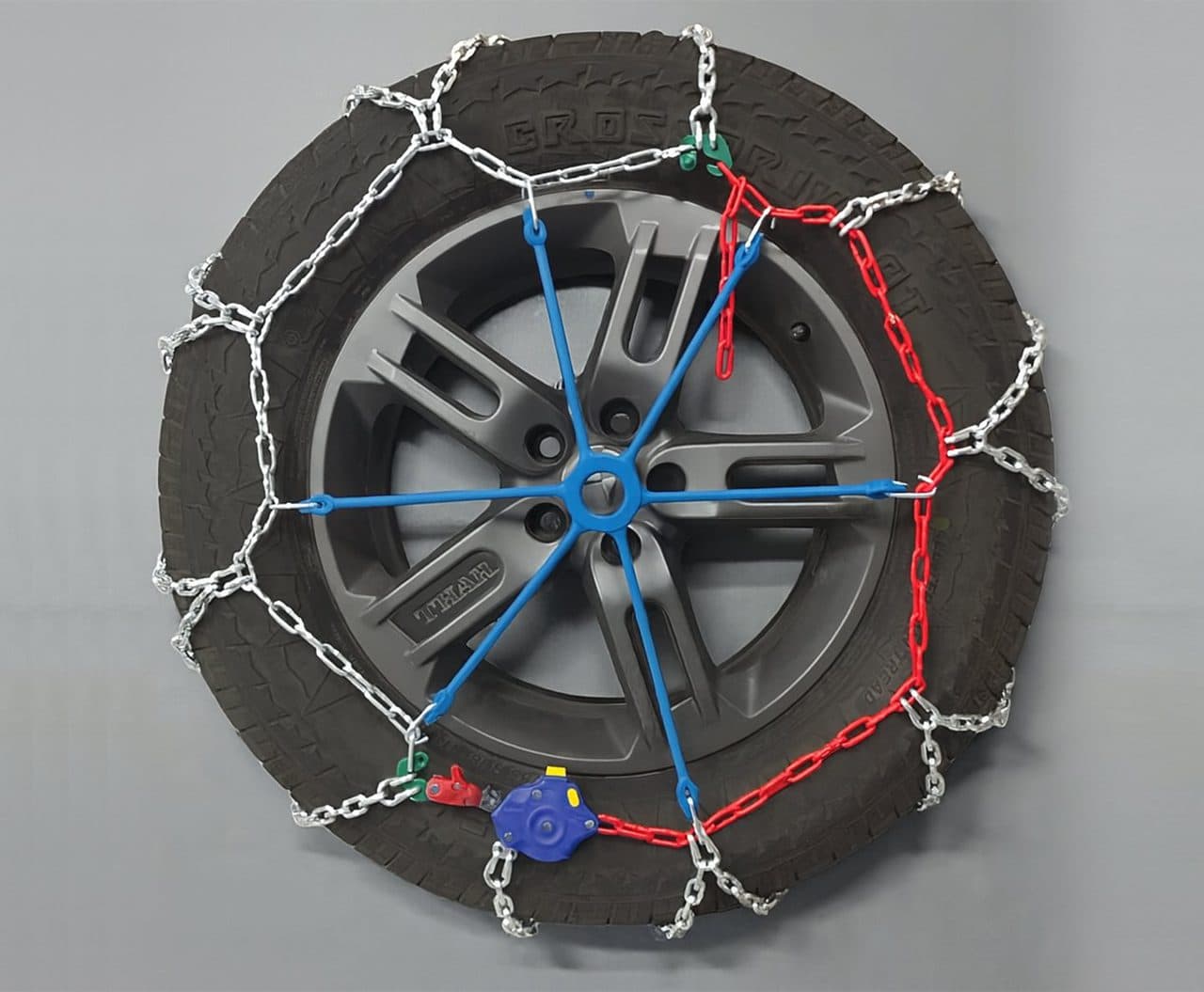
When you’re driving through heavy snow, icy mountain roads or extreme cold conditions, your…
Price
₹3,200
HydroXwater
The HydroX26 is a rugged 26-litre aluminium pressurised water tank engineered for overlanders,…
Price
₹46,990
Also in Recovery Gear
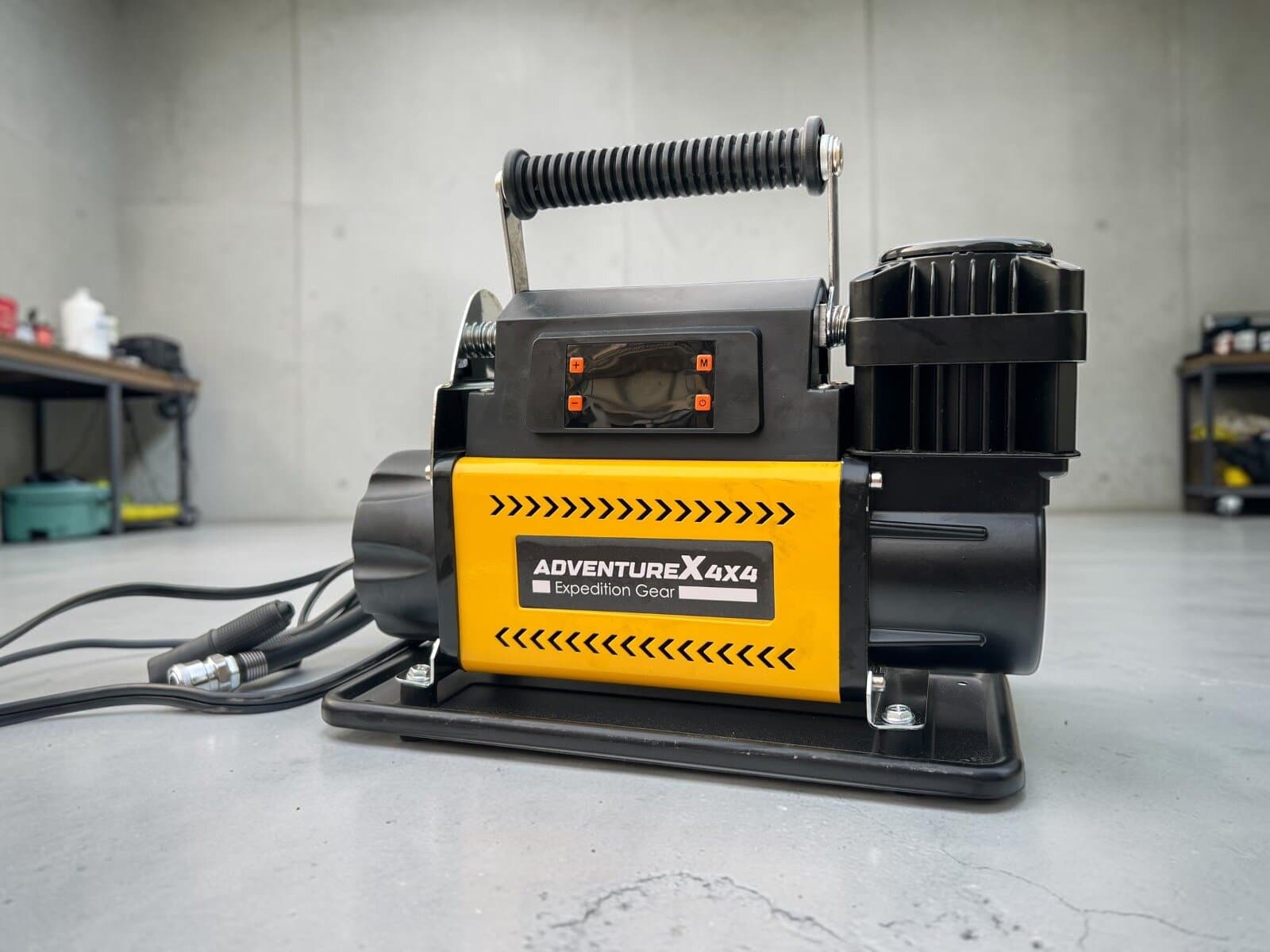
X-Flaterecovery
200 LPM high-speed inflation, built for big tires and serious trails
Price
₹18,990
Fits: Toyota Hilux · Isuzu V-Cross +8
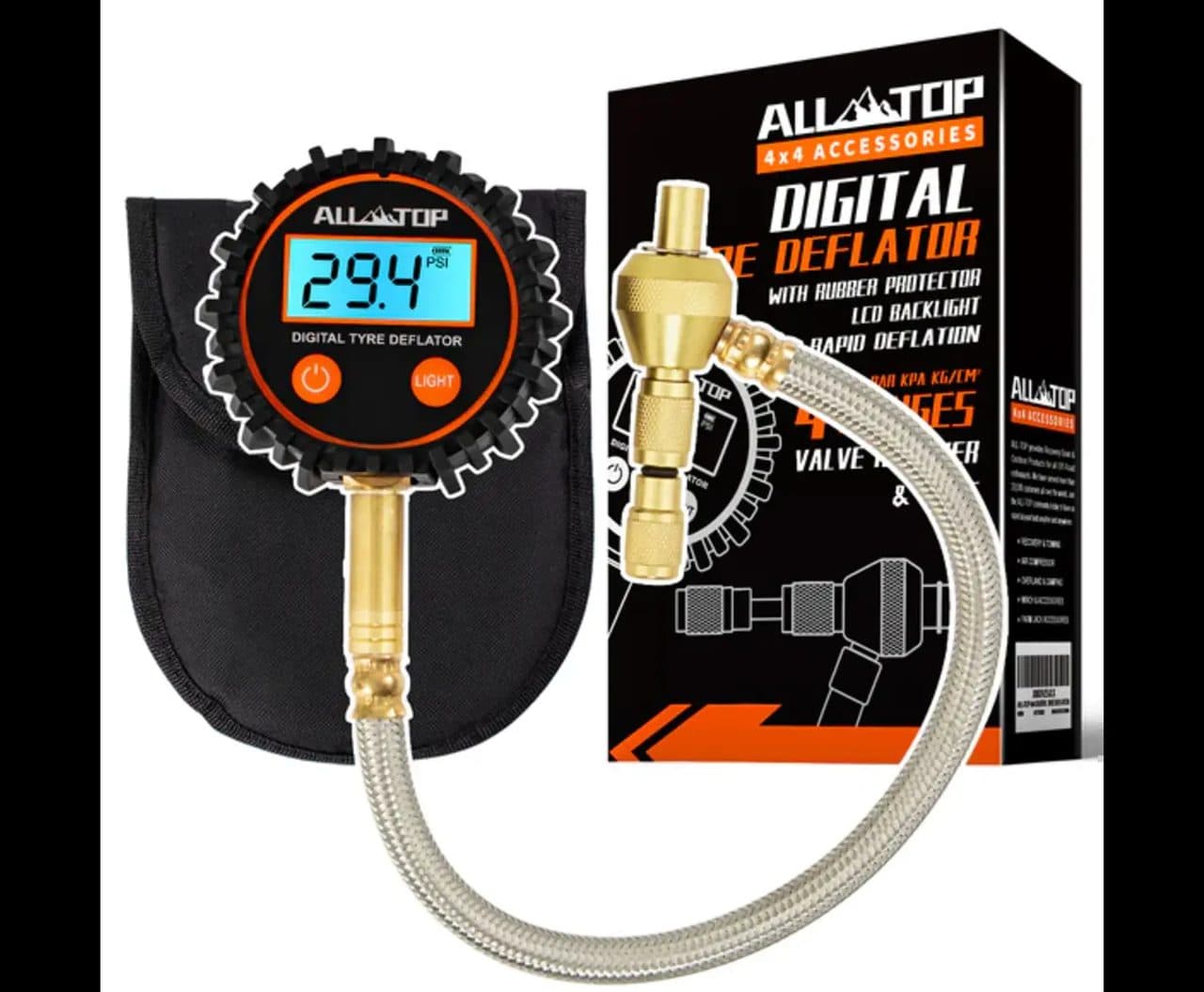
Field gearrecovery
Deflate tires quickly with the ALL-TOP USA Rapid Tire Deflator with Digital Gauge (0–250 PSI).…
Price
₹2,957
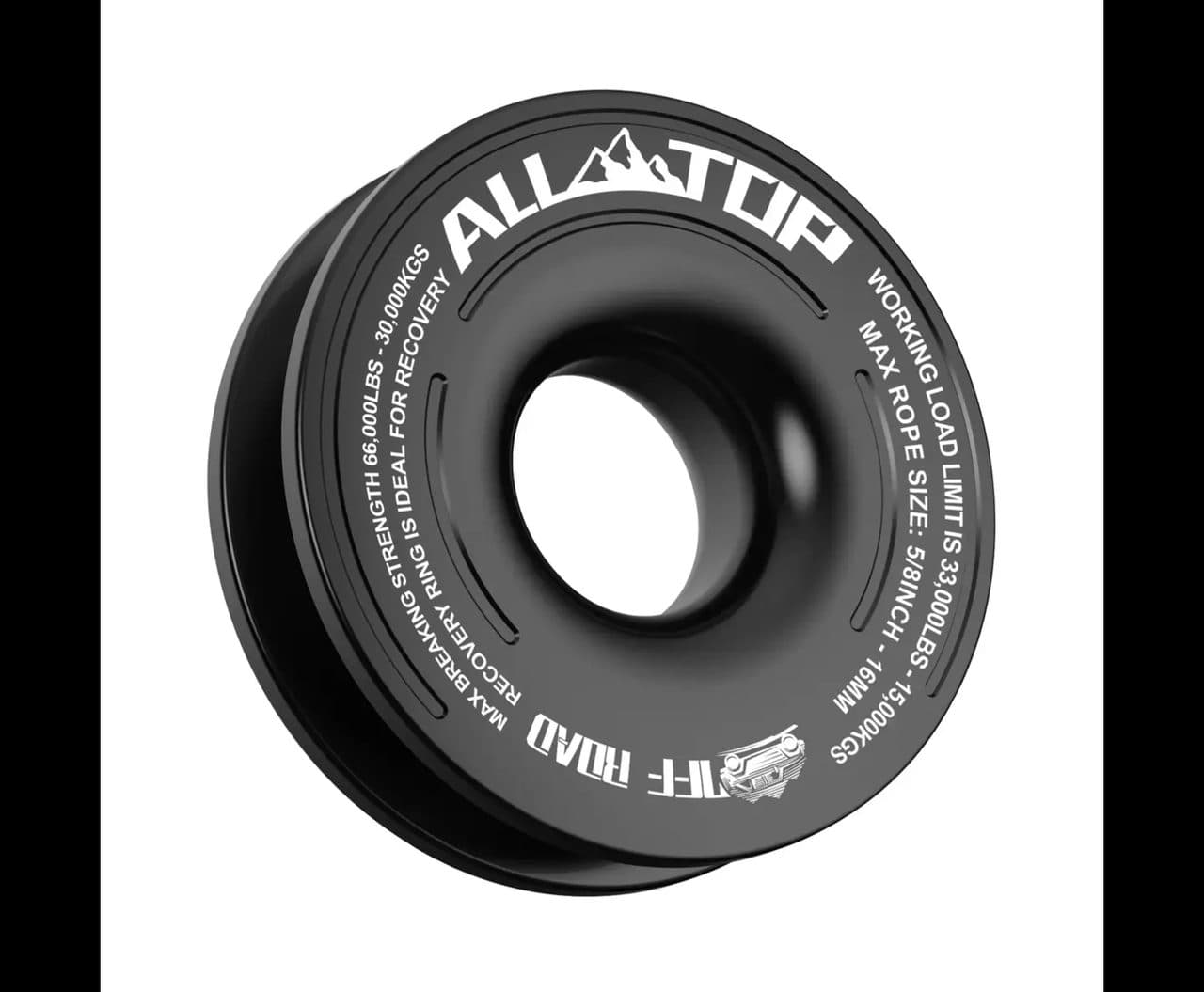
Field gearrecovery
All-Top USA 66,000 Lbs Recovery Ring in Black delivers ultra-strong, lightweight snatch block…
Price
₹3,336
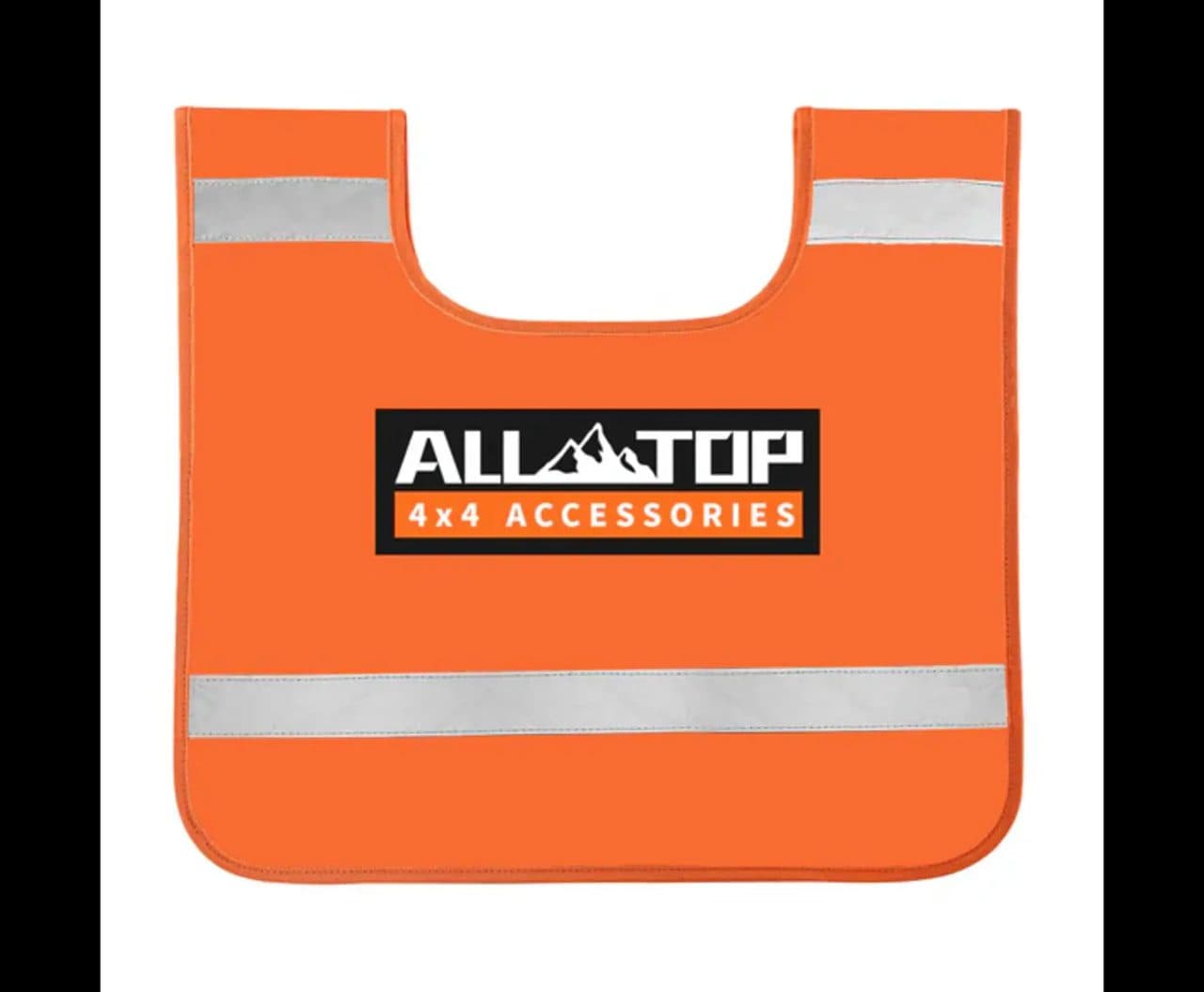
Field gearrecovery
Stay safe during vehicle recovery with the ALL-TOP USA Safety Winch Cable Damper. This…
Price
₹4,499
Buying guides
How to choose the right recovery gear for your rig — field-tested picks, prices and fitment.
Field-tested in extreme conditions
Researched & proven on Spiti, Ladakh & Lahaul
Our own proprietary range
AutoNest · TractionX · ThermaEvo — not resold gear
Free shipping over ₹25,000
Dispatched across India with a GST invoice
TÜV-certified snow chains
TractionX — TÜV GS & ÖNORM V5117 rated
Build your rig. Jump straight to the gear, guides and per-vehicle build dossiers our overlanders reach for most.
We use essential cookies to run AdventureX4x4 and privacy-light, IP-anonymised analytics to improve it. By continuing you agree to our Cookie Policy and Privacy Policy.