Expeditionrooftop tents
Flagship
Bison61
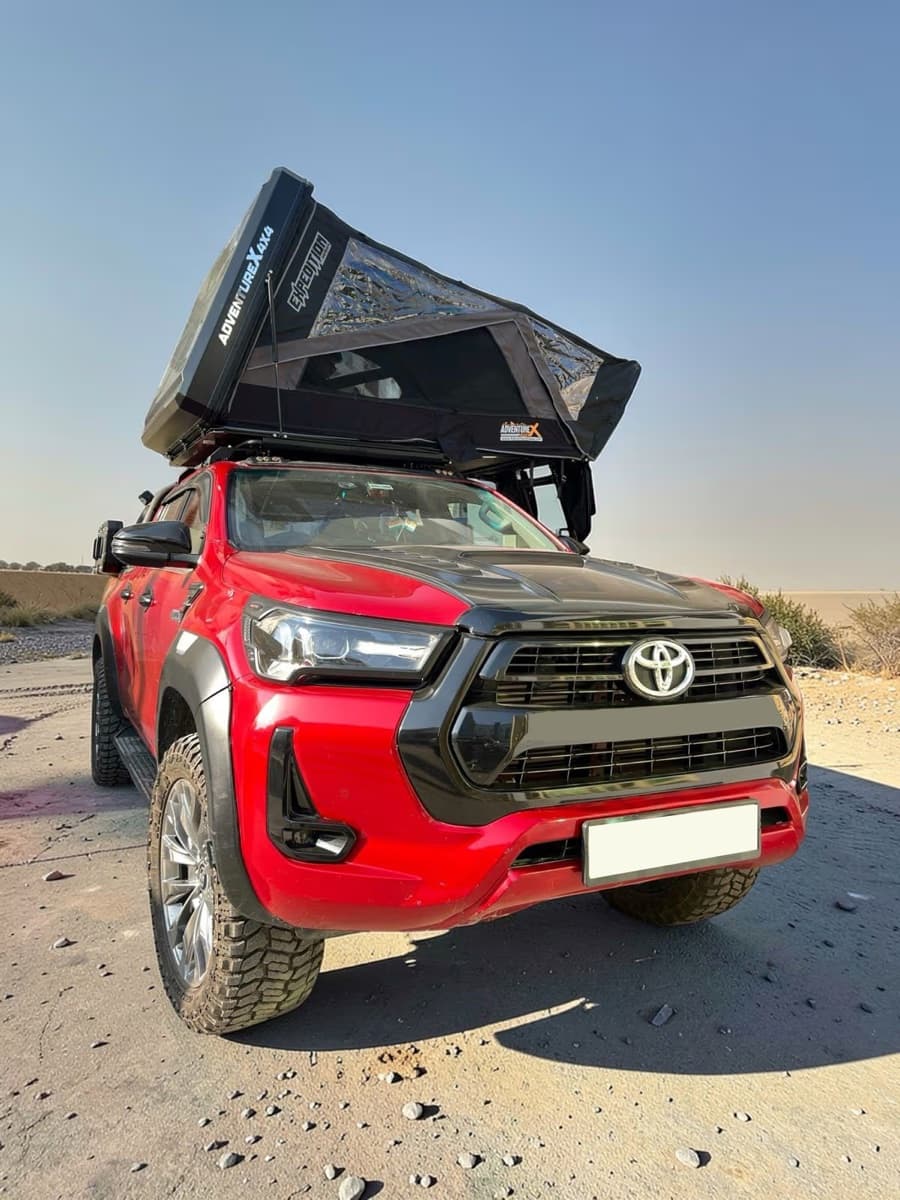
When adventure calls, the Bison61 answers with engineering that blends strength, luxury, and…
Price
₹2,09,990
Fits: Mahindra Thar · Mahindra Scorpio N +3
Seen over the crest, before you meet it.
Price
₹7,898
Inclusive of GST · Free shipping over ₹25,000
In stock — ready to ship
Shipping·Returns·1-year warranty
Overview
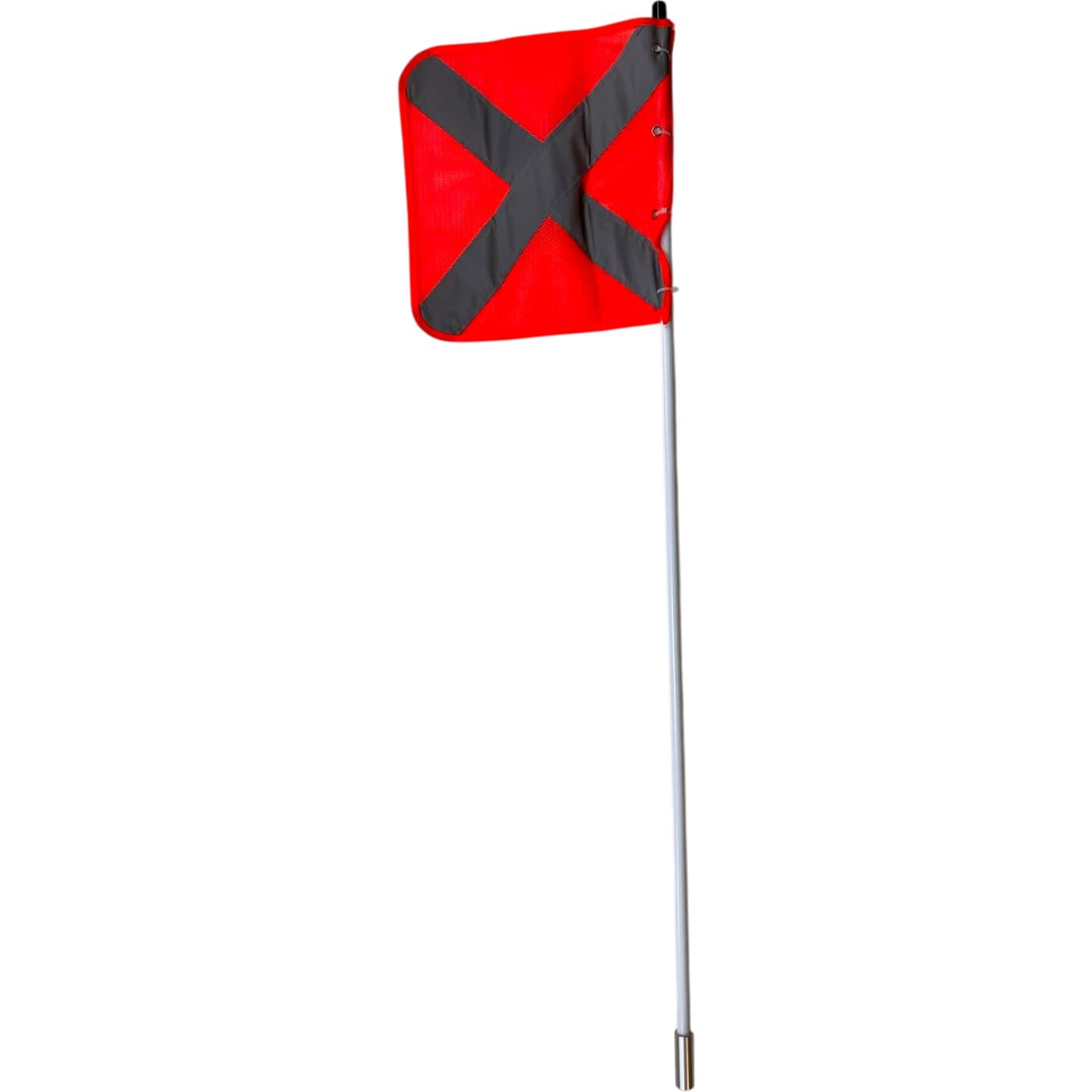
The Desert Safety Flag is a tall, high-visibility marker that mounts to your vehicle and rises well above the roofline, so your rig is visible to other drivers over the top of a dune long before two vehicles ever come face to face. On open sand, the danger is rarely the terrain itself — it is the vehicle you cannot see climbing the far side of the same crest you are about to come over. The flag solves that single, serious problem.
Sand driving hides traffic in a way no other terrain does. A dune has a blind side, and on the blind side a vehicle approaching from the opposite direction is completely out of sight until the last moment, often closing fast and committed to the climb. Because momentum is everything in soft sand, neither driver can simply stop on the slope. A flag that stands clear above the crest gives both parties the one thing they need most — a few extra seconds of warning — and that is frequently the difference between a wave and a collision.
On Indian terrain this matters most in the great sand country. The Rann of Kutch, the dune fields of western Rajasthan around Jaisalmer and the Thar, and any organised desert drive or sand convoy are exactly the places this flag earns its keep. It is equally at home on a beach run or any soft, undulating surface where sightlines disappear behind the next rise. Anywhere a group of vehicles is moving over dunes, a flag on every rig is simply good convoy discipline.
Setting it up is straightforward. The flag is designed to ride high, so mount the base to a solid, vibration-tolerant point on the vehicle — a roof rack, a bull bar, a bed rail or a dedicated flag mount — and route it so the pole stands clear of the roofline rather than being shaded by a roof tent or load. Before a dune session, give it a quick shake test: it should sit upright, hold its position at speed, and not foul any antenna or awning. In a convoy, agree that every vehicle flies one, because a flag only protects you if the driver on the other side of the crest has one too.
Care is minimal but worth doing. Desert use means fine sand and strong UV, both of which are hard on fabric and fittings over time. After a sandy trip, rinse the flag and pole with clean water to clear grit from the base and any joints, let everything dry fully before stowing, and check the mount and fasteners for sand-induced wear. When not in use, store the flag out of constant direct sunlight to slow fading, and inspect the fabric for fraying at the edges where wind flutter does its work. Treated sensibly, it is a long-life piece of safety kit with no moving parts to fail.
In terms of fitment, this is a near-universal accessory. Because it attaches to a rack, bar or rail rather than to any specific body panel, it suits the full spread of overland vehicles — the Mahindra Thar and Scorpio-N, the Maruti Suzuki Jimny, the Toyota Fortuner and Hilux, and platforms like the Land Rover Defender — as well as quad bikes, side-by-sides and support vehicles on an organised drive. The only real requirement is a sound mounting point and enough height for the flag to clear your roofline.
It is for anyone who drives sand: desert expedition leaders and their convoys, weekend dune crews, beach and coastal overlanders, and event organisers who want every vehicle on the field to be seen. If you are heading into the Rann or the Thar, or joining any sand drive where vehicles share blind crests, treat a safety flag as essential kit rather than an accessory — alongside recovery boards, an air compressor and a sensible tyre-deflation routine, it is one of the cheapest pieces of safety insurance you can carry.
Rides tall above the roofline so your vehicle is visible to oncoming drivers over the top of a dune, before you meet on the slope.
Sand driving hides traffic behind every rise. A high flag buys both drivers the extra seconds of warning that soft-sand momentum doesn't allow.
A bright, high-contrast flag made to be picked out quickly against open sand and bright desert light.
Attaches to a rack, bull bar or bed rail rather than a specific body panel, so it suits almost any overland rig or support vehicle.
Simple, rugged safety kit with nothing to fail in the field — rinse the sand off, dry it, and it's ready for the next drive.
In the box
Questions, answered
On dunes, an oncoming vehicle is hidden behind the crest until the last moment, and because both drivers need momentum they cannot easily stop on the slope. A tall flag makes your rig visible over the top of the dune, giving everyone the warning they need to avoid meeting head-on.
Anywhere with soft, undulating sand and poor sightlines — the Rann of Kutch, the Thar and the dune country around Jaisalmer, organised desert drives and sand convoys, and beach runs. If a group is moving over dunes, every vehicle should fly one.
Yes, in general terms. It mounts to a roof rack, bull bar or bed rail rather than to a specific panel, so it works across the common overland platforms — Thar, Scorpio-N, Jimny, Fortuner, Hilux, Defender — and on support vehicles and quads. You just need a solid mounting point and enough height for the flag to clear your roofline. For a particular mount, confirm with us on WhatsApp or call +91-8800271840.
Fix the base to a sturdy, vibration-tolerant point and route the pole so it stands clear above the roofline, not shaded by a roof tent or load. Before a dune session, check it sits upright at speed and doesn't foul your antenna or awning.
After a sandy trip, rinse the flag and pole with clean water to clear grit, dry everything fully before stowing, and check the mount for sand-induced wear. Store it out of constant direct sunlight to slow UV fading, and watch the fabric edges for fraying from wind flutter.
It helps, but a flag only does its full job when the driver on the other side of the crest can also see and be seen. In a convoy, agree that every vehicle flies one — it is shared safety discipline, not a solo measure.
No — treat it as one part of a sand-driving kit. Alongside it you should carry recovery boards, an air compressor for re-inflation after airing down, and follow a sensible tyre-deflation routine. The flag handles visibility; the rest handles traction and recovery.
Owner reviews
Write a review
Run the Desert Safety Flag yourself? Tell other overlanders how it held up. Every review is checked by our team before it appears.
Complete your build
Overlanders rarely run one piece of gear alone — here's what pairs with the Desert Safety Flag to finish the build.
Expeditionrooftop tents
When adventure calls, the Bison61 answers with engineering that blends strength, luxury, and…
Price
₹2,09,990
Fits: Mahindra Thar · Mahindra Scorpio N +3
TractionXsnow chains
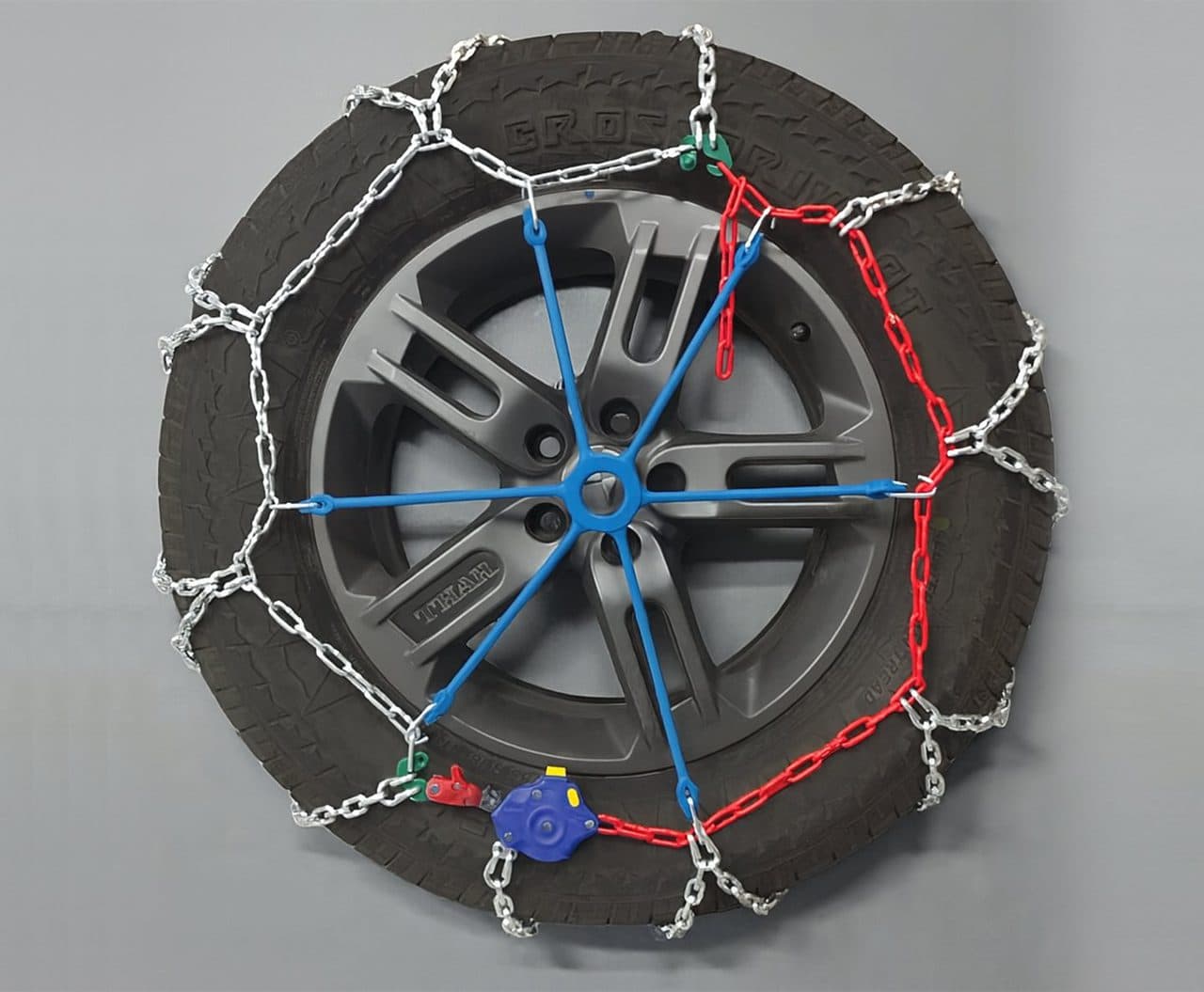
When you’re driving through heavy snow, icy mountain roads or extreme cold conditions, your…
Price
₹3,200
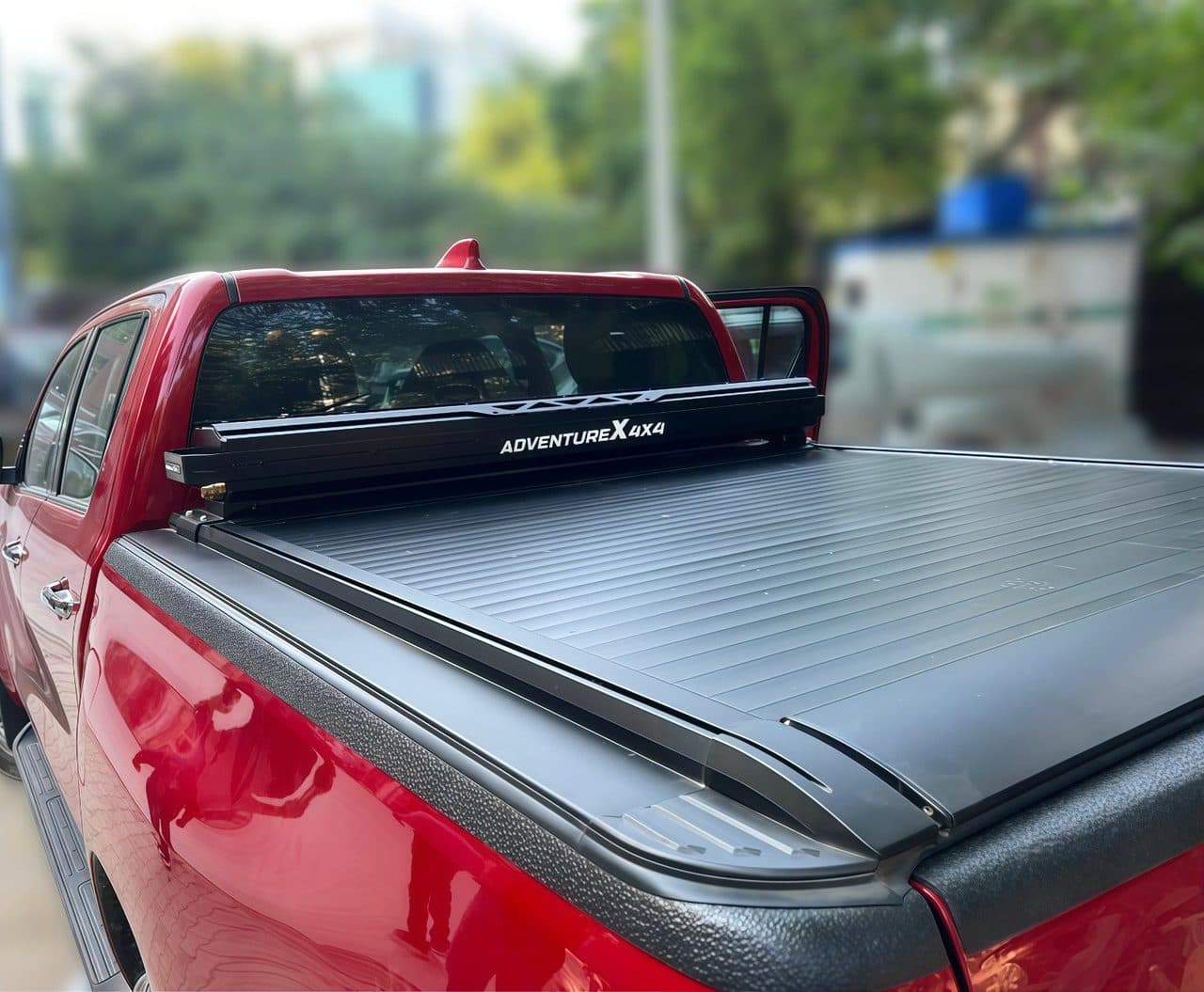
HydroXwater
The HydroX26 is a rugged 26-litre aluminium pressurised water tank engineered for overlanders,…
Price
₹46,990
Also in Recovery Gear
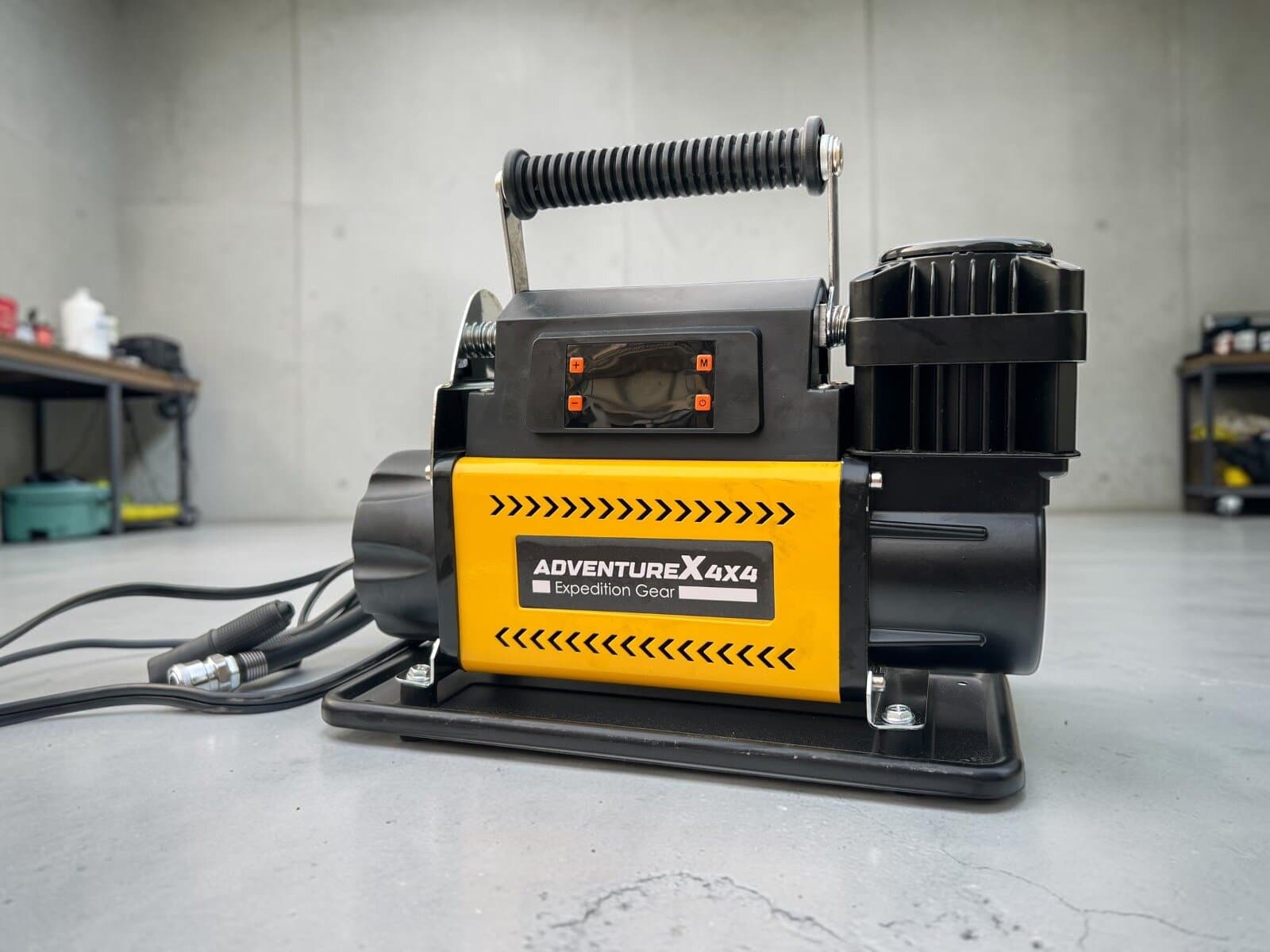
X-Flaterecovery
200 LPM high-speed inflation, built for big tires and serious trails
Price
₹18,990
Fits: Toyota Hilux · Isuzu V-Cross +8
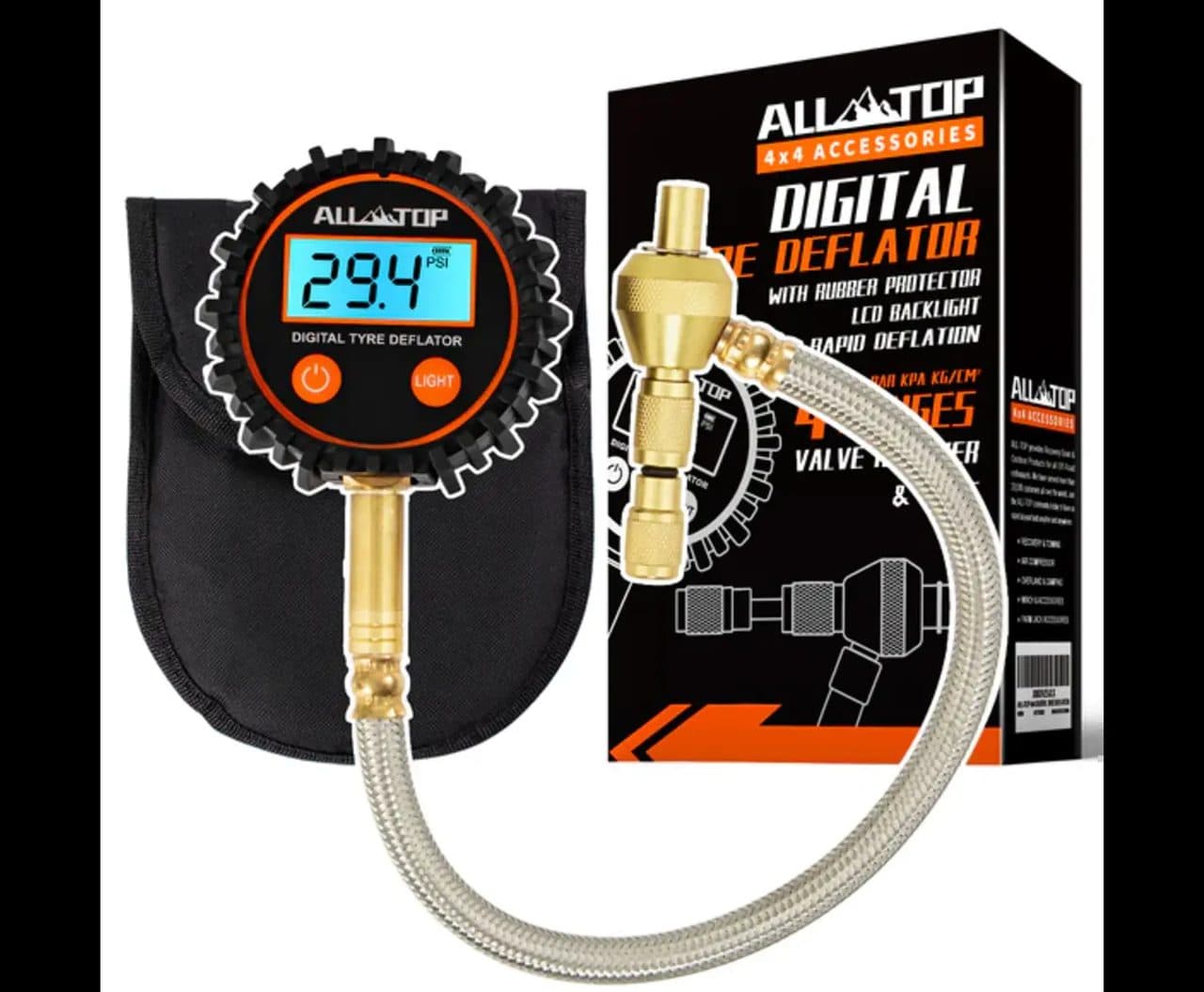
Field gearrecovery
Deflate tires quickly with the ALL-TOP USA Rapid Tire Deflator with Digital Gauge (0–250 PSI).…
Price
₹2,957
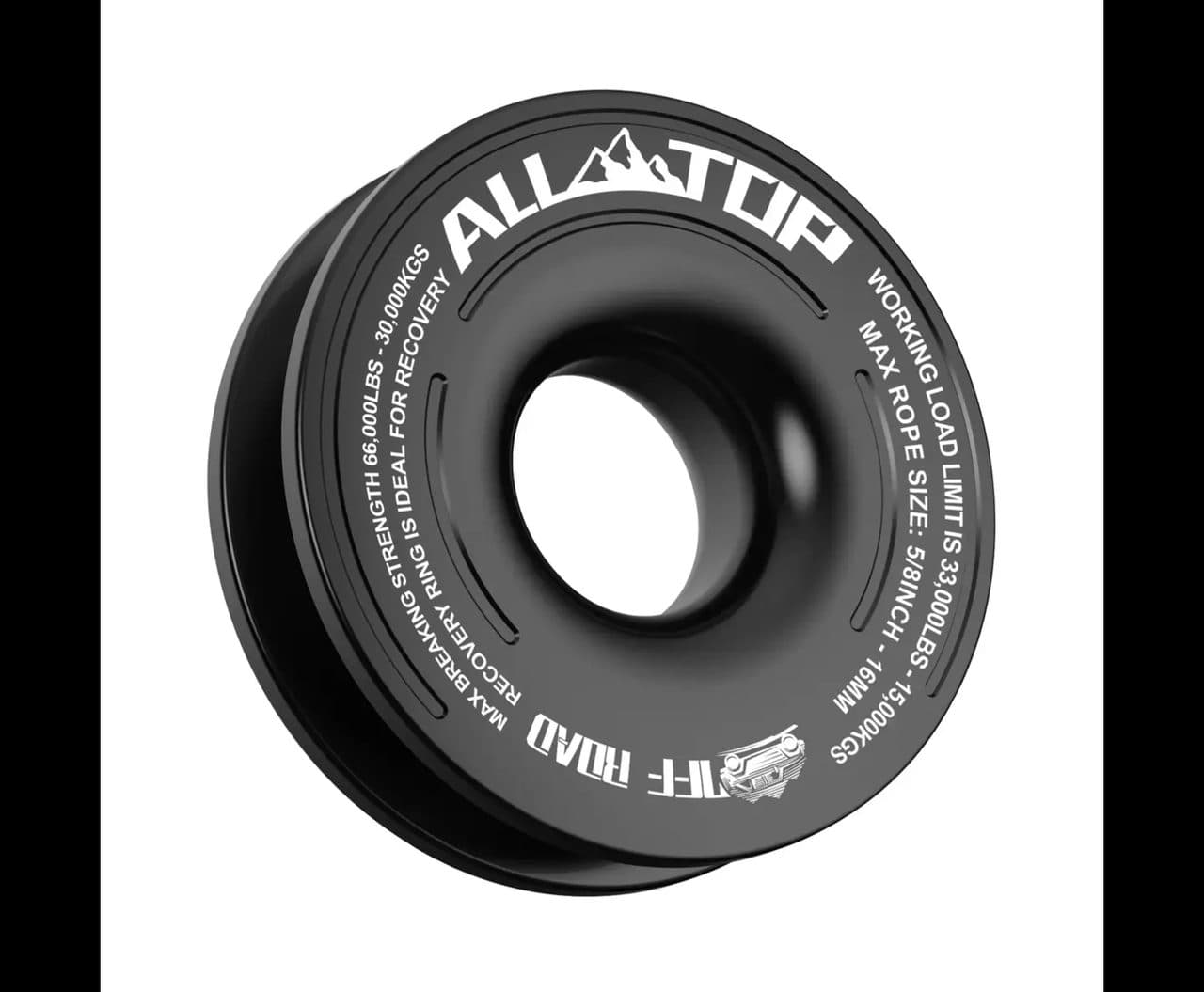
Field gearrecovery
All-Top USA 66,000 Lbs Recovery Ring in Black delivers ultra-strong, lightweight snatch block…
Price
₹3,336
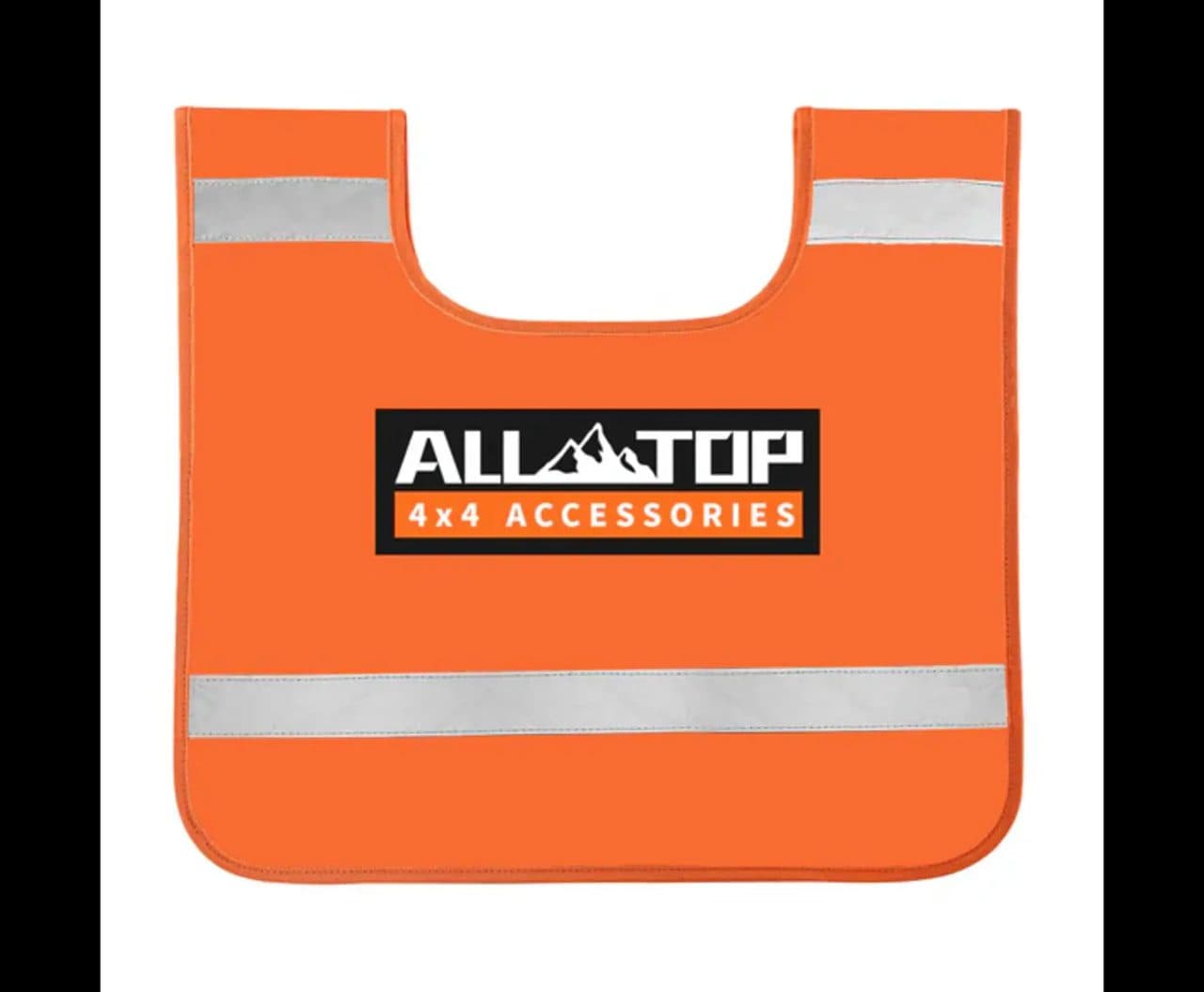
Field gearrecovery
Stay safe during vehicle recovery with the ALL-TOP USA Safety Winch Cable Damper. This…
Price
₹4,499
Buying guides
How to choose the right recovery gear for your rig — field-tested picks, prices and fitment.
Field-tested in extreme conditions
Researched & proven on Spiti, Ladakh & Lahaul
Our own proprietary range
AutoNest · TractionX · ThermaEvo — not resold gear
Free shipping over ₹25,000
Dispatched across India with a GST invoice
TÜV-certified snow chains
TractionX — TÜV GS & ÖNORM V5117 rated
Build your rig. Jump straight to the gear, guides and per-vehicle build dossiers our overlanders reach for most.
We use essential cookies to run AdventureX4x4 and privacy-light, IP-anonymised analytics to improve it. By continuing you agree to our Cookie Policy and Privacy Policy.