
Destinations
Spiti in summer vs winter: which trip should be your first?
Same valley, two completely different expeditions. An honest comparison to help you choose the right first Spiti.
People talk about Spiti as one place. It is really two. Summer Spiti and winter Spiti share a map and almost nothing else - different driving, different risk, different reward, different vehicle prep, different version of you required to do it well. Choosing the wrong one for your experience level is the single most common Spiti mistake we see, and it is an expensive one to make at 4,000 m a long way from help. This is the honest comparison to help you choose your first Spiti, and to understand why the two seasons are not a difficulty slider but genuinely separate expeditions.
The two roads into the valley
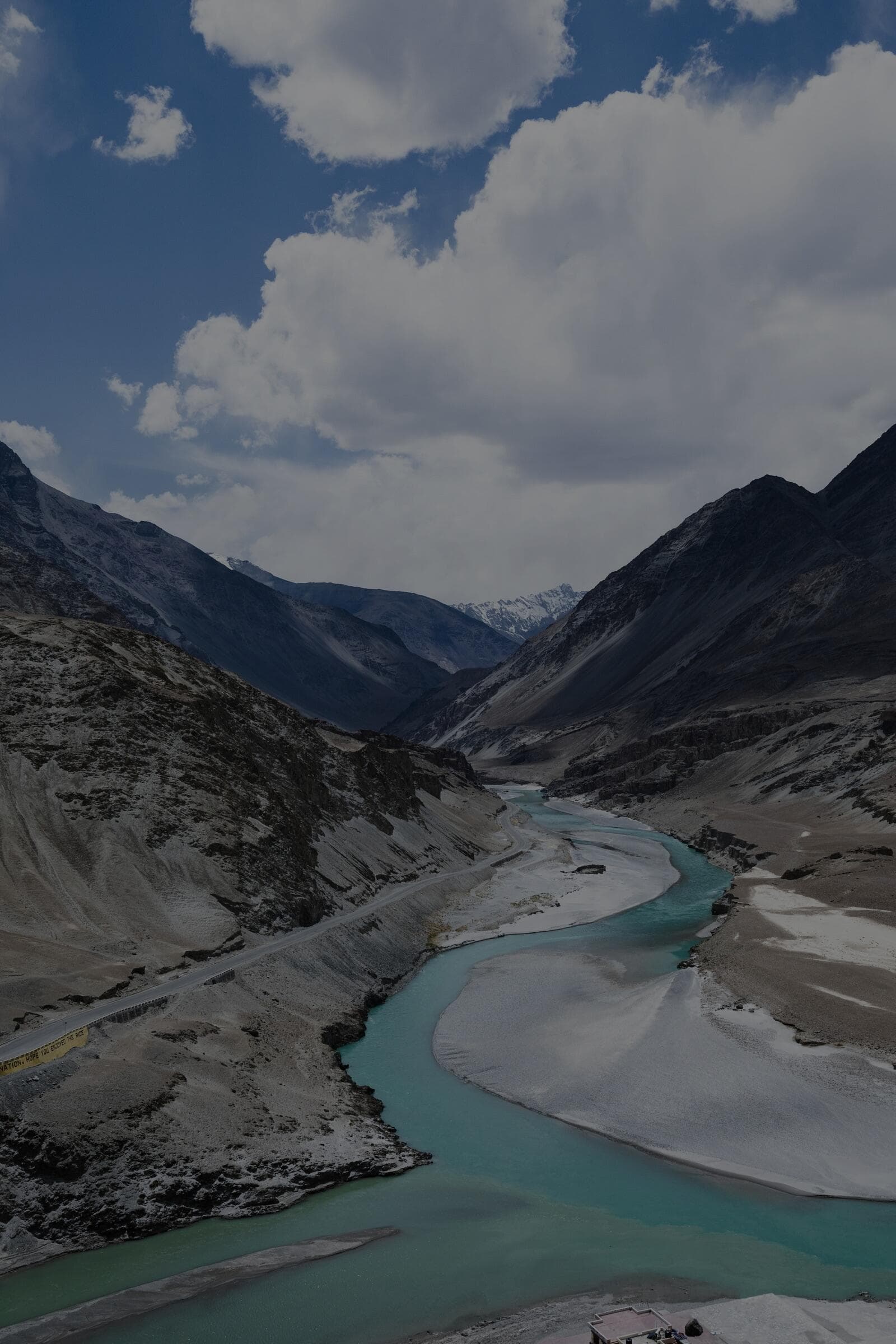
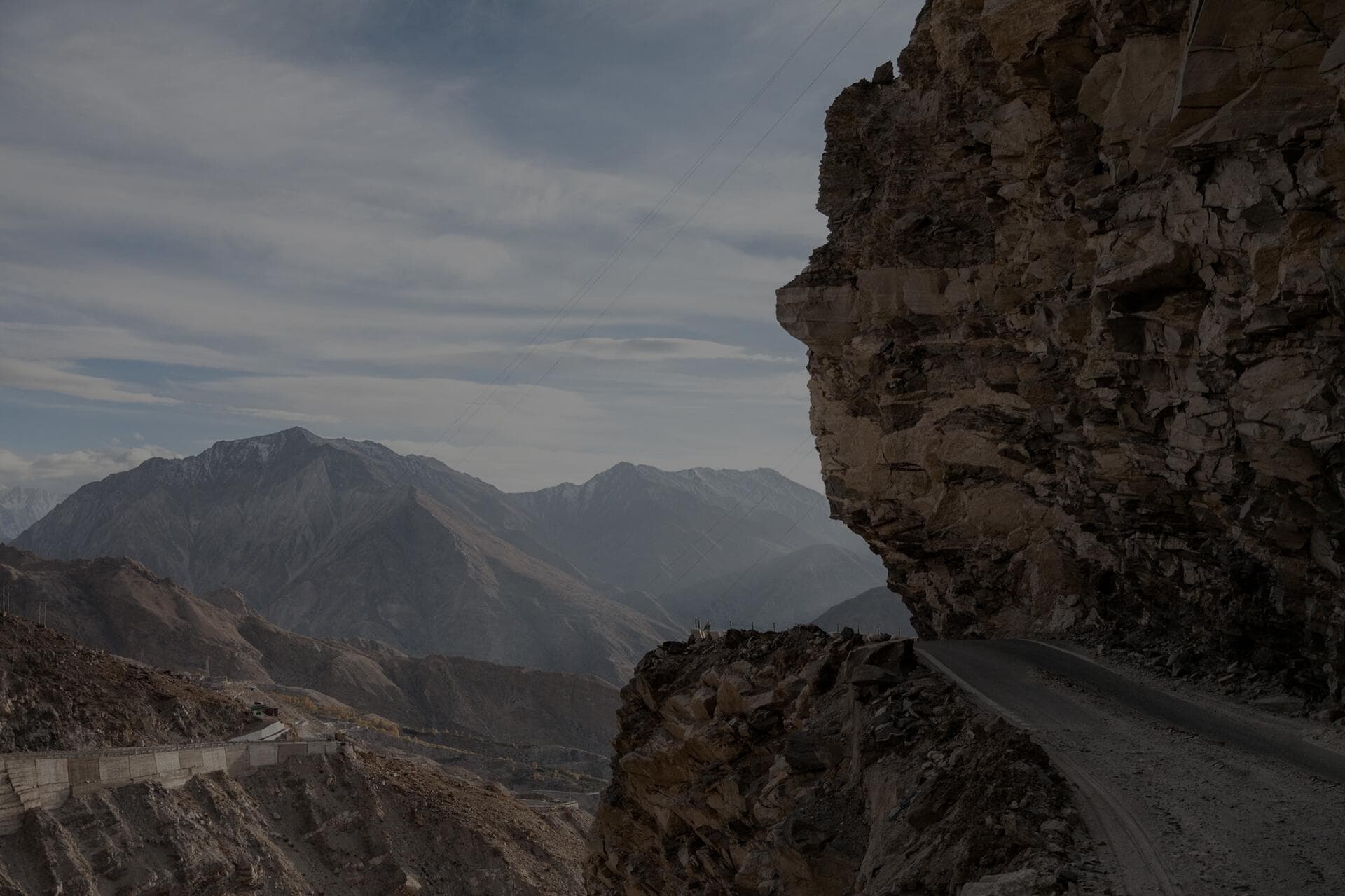
Start with how you even get there, because it tells you everything. In summer there are two ways into Spiti: the gentler approach from Shimla through Kinnaur, following the Sutlej and then the Spiti river, which gains altitude slowly and stays open longest; and the dramatic approach from Manali over Kunzum La at around 4,590 m, which only opens once the snow is cleared, usually some time in late May or June, and which gives you Chandratal and the high crossing in one go. In winter, the Manali side is shut - Kunzum La is under deep snow and Rohtang behind it is closed - so the only way in is the long haul up from Shimla through Kinnaur, on a road that is itself snow-affected, prone to ice, and occasionally blocked. That single fact reframes the whole trip: winter Spiti is a dead-end valley you drive into and back out of by the same icy road, with no alternative exit if conditions turn. Summer gives you options. Winter gives you one road and a lot of respect for it.
Summer Spiti: the approachable version
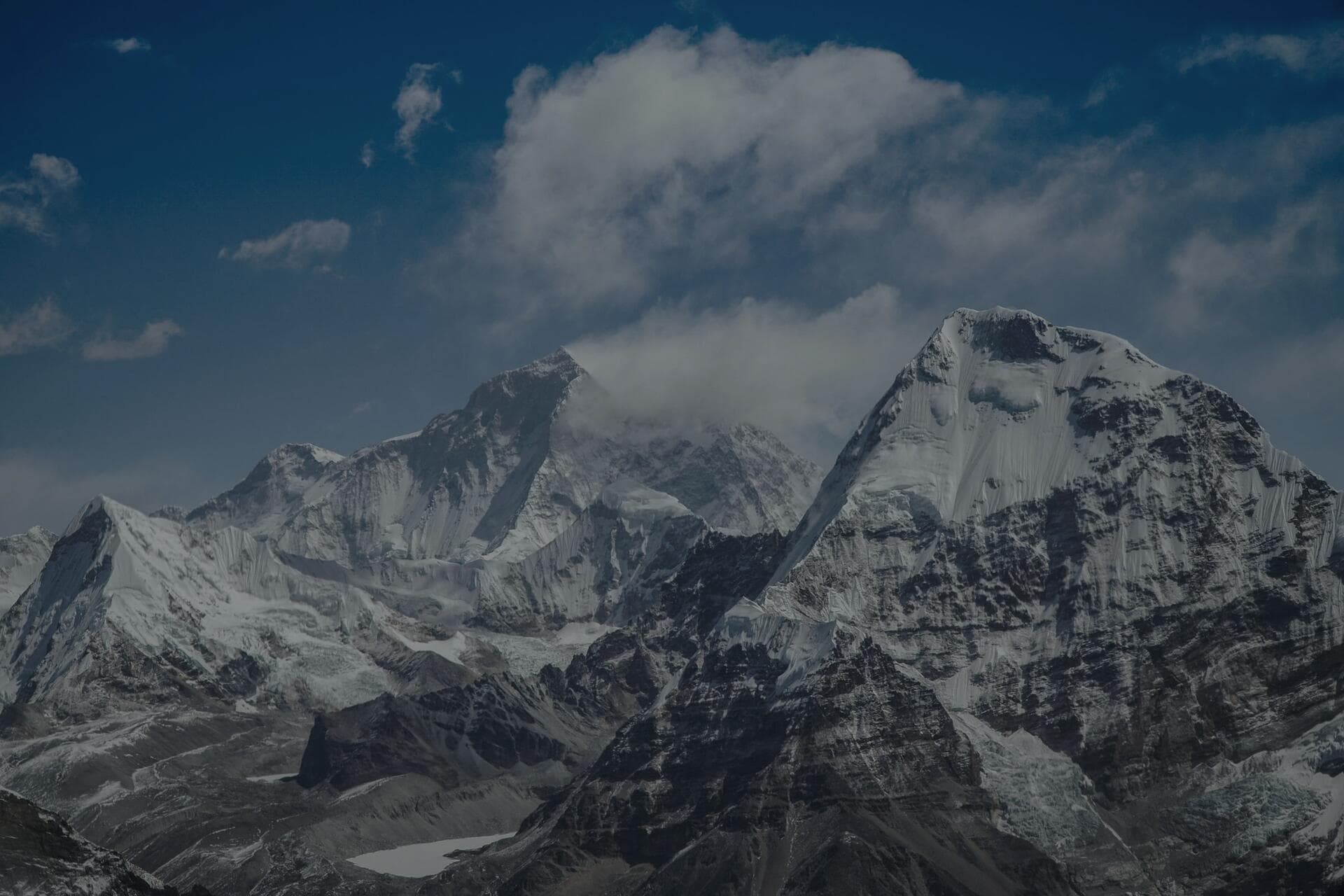
June to September. Passes are open, the villages are full and busy, barley is green at the valley edges, and Kaza is alive with travellers. The driving is genuinely intermediate - rough, broken roads, real water crossings fed by afternoon snowmelt, sustained altitude, the odd landslide-cleared section - but nothing that punishes a careful first-timer who reads the conditions and does not rush. You can stand at Komic and Hikkim, two of the highest villages with a motorable road in the world, drive out to Chandratal, visit Key Monastery above the river, and cross water that is cold and pushy but readable. Days are long and relatively warm; nights are cold but rarely brutal - think single digits down to a few degrees below freezing at most. This is the Spiti to start with, full stop. It gives you the scale and the strangeness of the place with a margin for error that the winter does not offer.
Winter Spiti: the serious version
January to February. Snow-locked, silent, and genuinely breathtaking in a way summer never is - the valley emptied of travellers, the river frozen into ribbons of ice, the villages reduced to woodsmoke and a handful of homes with people still in them. And it is unforgiving. Daytime highs sit below freezing; nights routinely fall past -20C and colder still in the worst of it, with wind chill on top. Black ice forms on the passes and on the shadowed sections of road. Water has to be melted because the streams are solid. There is a real, non-trivial margin for things to go wrong, and the consequences of a mistake are larger because help is further away and the cold itself is a hazard the moment you are stationary. Winter Spiti is an expert trip. It is not a stretch goal for your first expedition; it is a graduation you earn after you have proven you can manage cold, altitude, and a properly prepared vehicle.
What the cold demands from the vehicle
This is where the two trips diverge hardest, and where people underestimate winter most. A summer Spiti vehicle needs sound tyres, good brakes, recovery basics, and a sleep system - the normal stuff. A winter Spiti vehicle needs all of that plus a cold-start chain that actually works at -22C: a battery load-tested rather than just voltage-checked, because cold roughly halves usable cranking capacity; winter-grade diesel or an anti-gel additive carried, because ordinary Indian diesel starts to wax and gel below about -9C and will simply not flow on a bad morning; coolant rated to -40C and verified with a refractometer, not assumed; fresh glow plugs on any older diesel; and a real plan for keeping the engine bay warm overnight. On top of that you need snow chains and the knowledge to fit them in the cold - our TractionX chains come in the AX pattern for lighter rigs and the MX pattern for heavier ones, and on the Spiti Frozen route we consider them non-negotiable, not optional. None of this is relevant in July. All of it is the difference between a trip and a stranded morning in January.
Sleeping at minus twenty
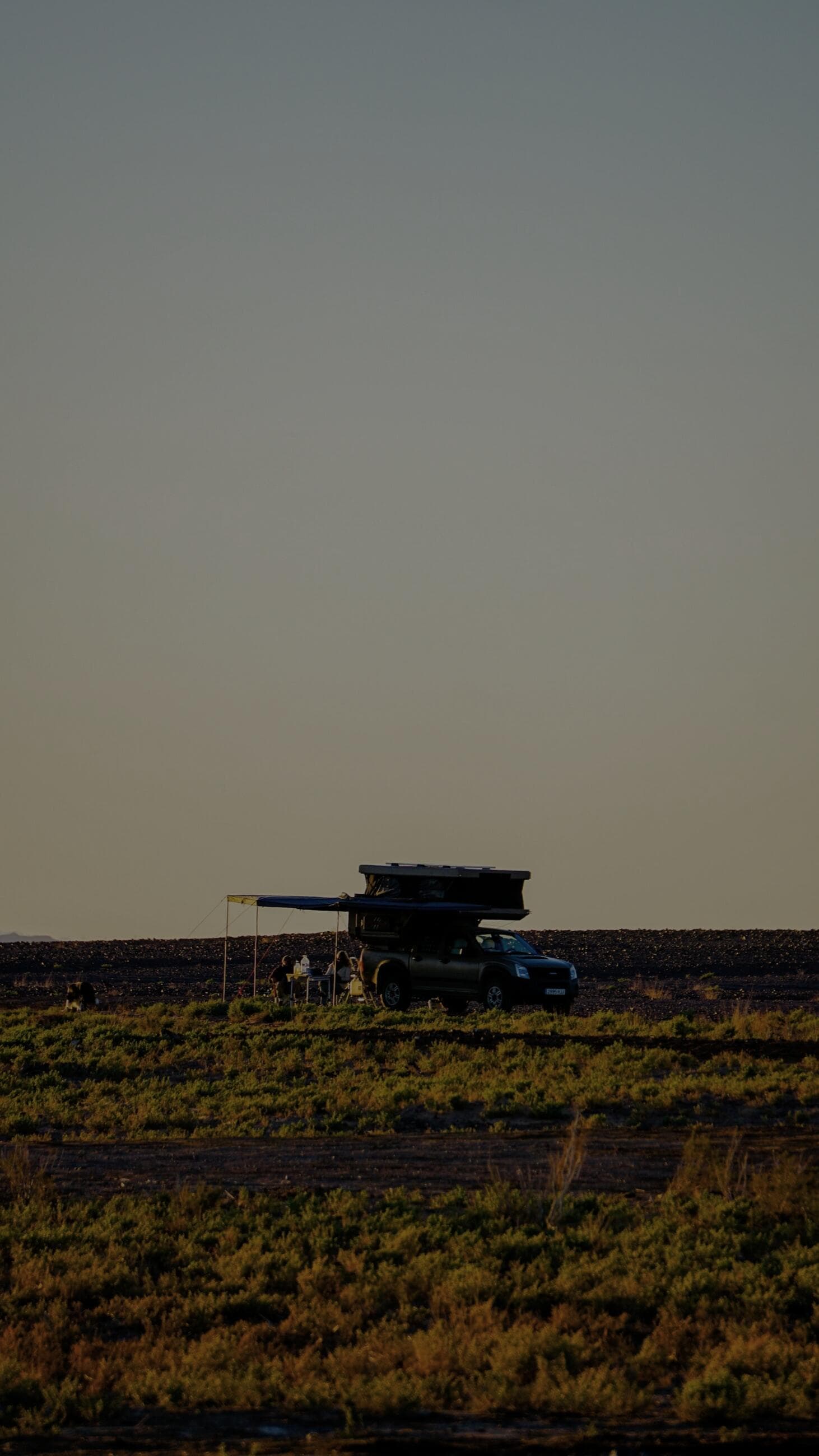
People budget carefully for the drive and improvise the sleep, and in winter that is exactly backwards. You spend ten to twelve hours a night stationary at altitude in the cold, and that is when the body is most vulnerable and when an under-specified setup turns a trip miserable or unsafe. A rooftop tent rated to the temperature, a genuine thermal mattress to block conductive heat loss from below, and an anti-condensation mat are not luxuries at -20C - they are the system. The single most common winter complaint we hear is condensation freezing on the inside of an under-specified tent and then snowing back down on the occupants. A managed heat source such as the ThermaEvo, used with proper ventilation, takes the edge off the brutal hours. In summer you can get away with a modest setup and a warm bag. In winter the sleep system is as much a piece of safety equipment as the brakes, and we brief it as such on every Spiti Frozen departure.
How to choose
- First expedition ever: summer Spiti, or start gentler still with the Rann of Kutch and build up to it
- A few trips under your belt and you want a real challenge: summer Spiti, solo or on our guided summer run, ideally via Kunzum La for the full crossing
- Experienced, genuinely cold-weather capable, and properly equipped: winter Spiti on our Spiti Frozen expedition, with the vehicle and sleep system prepped to the conditions
- Unsure which camp you are in: assume summer - earning winter Spiti is part of what makes it worth doing
Earn winter Spiti. Do it as a graduation, not as a gamble.
Two different rewards, not just two difficulties
It is worth being clear that this is not simply easy Spiti versus hard Spiti - the two seasons give you genuinely different things, and which one you want matters as much as which one you can handle. Summer Spiti is sociable and alive. Kaza is busy, the homestays are full, you meet other travellers at every stop, the monasteries are active, and there is a warmth to the valley in every sense. You come back with the scale of the place, the high villages, Chandratal under a summer sky, and the satisfaction of having driven a real intermediate route well. Winter Spiti gives you the opposite, and that is exactly its appeal to the people who are ready for it: silence, emptiness, a valley that belongs to the few who live there year-round and the handful prepared to visit. The frozen river, the woodsmoke from the one lit house in a village, the absolute quiet of a -25C night with the whole sky overhead - these are not summer experiences turned up a notch. They are a different thing entirely, and they are why people who have earned winter Spiti often say it ruined ordinary travel for them a little.
A note on acclimatisation, both seasons
Whichever season you choose, altitude is the constant, and it is the thing first-timers respect least. Kaza sits high, the passes and high villages are higher, and Acute Mountain Sickness does not care whether it is July or January. The rule is the same in both seasons and we never bend it: do not gain altitude faster than your body can adapt, and build rest nights into the start of the trip. In winter this is complicated by the cold, because the symptoms of altitude and the misery of being cold can mask each other, which is one more reason winter is the expert version. Hydrate hard, eat even without appetite, skip alcohol on the way up, and treat any worsening headache or breathlessness as the warning it is rather than something to push through. Manage the altitude and the valley is yours in either season. Ignore it and it is the single most likely thing to cut your trip short, regardless of how good your vehicle prep is.
Frequently Asked Questions
How cold does winter Spiti actually get at night?
In the heart of January and February, nights at valley-floor altitude around Kaza routinely drop past -20C, and exposed or higher camps can be colder still before wind chill. Daytime highs often stay below freezing. This is why the cold-start chain, snow chains, and a temperature-rated sleep system are treated as mandatory rather than optional - the cold is a constant operating condition, not an occasional bad night.
Can I drive my own vehicle into Spiti in winter?
Yes, if it is properly prepared and you have winter experience - but only via the Shimla-Kinnaur road, because the Manali side over Kunzum La is closed and impassable in winter. The vehicle needs the full cold-start chain, snow chains fitted and practised, winter-grade fuel or additive, and a sleep system rated to -20C and below. If any of that is missing, do it as a guided trip first; the margin for a self-supported mistake in January is very thin.
Is summer Spiti safe for a complete first-timer?
Yes, with sensible preparation. Summer Spiti is intermediate driving on rough roads with real water crossings and sustained altitude, but it is well within reach of a careful first-timer who acclimatises properly, builds rest nights into the schedule, and does not rush the crossings. The biggest summer risk is altitude, not the driving - so ascend slowly, hydrate, and treat acclimatisation as the main event of the first couple of days.
Put it into practice
Headed this way? We run guided expeditions on these routes - permits, recovery and a mechanic all handled.